

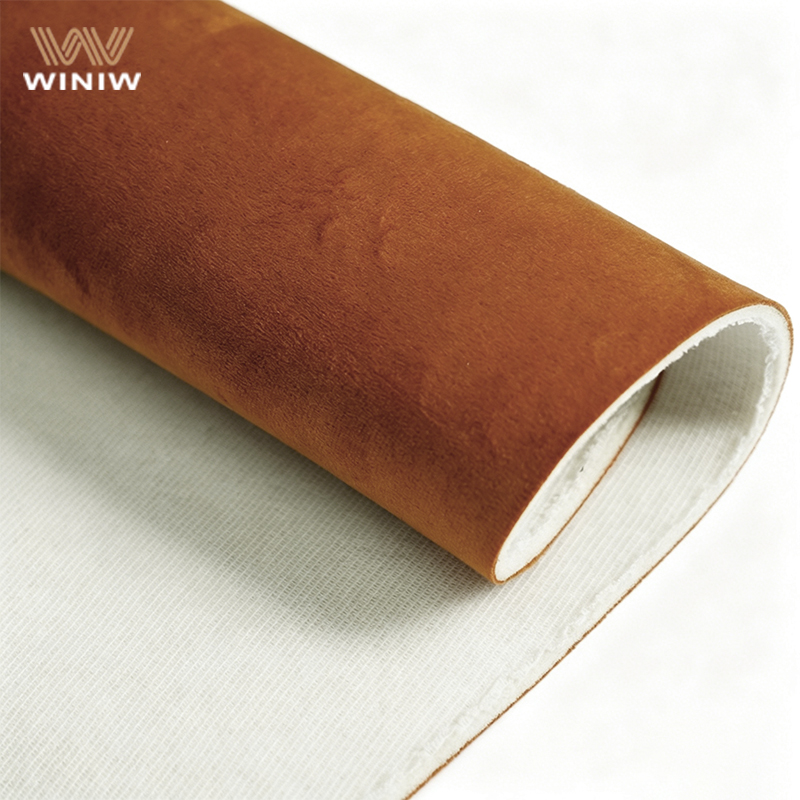
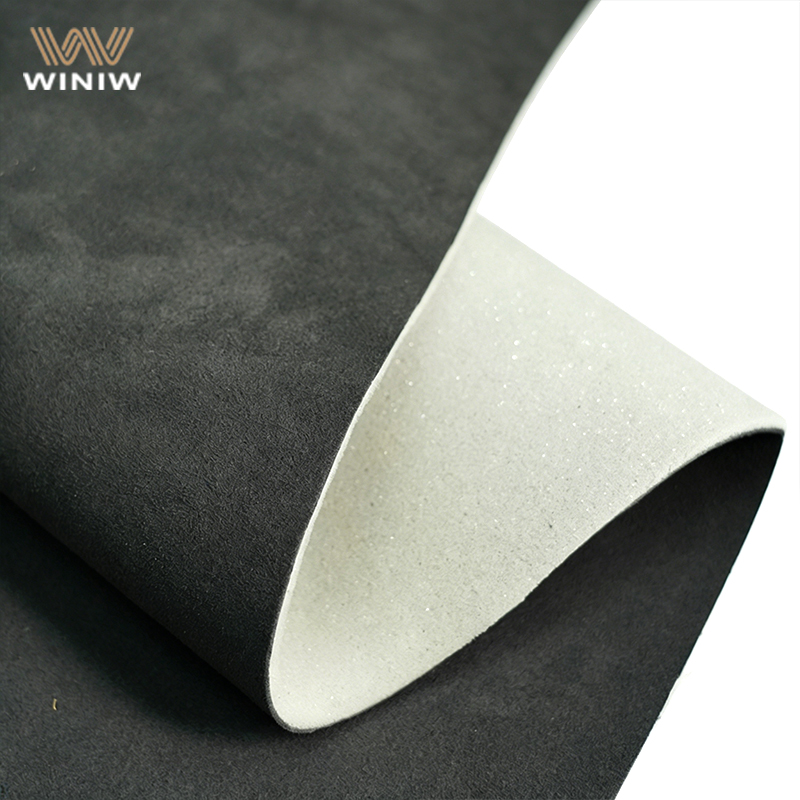
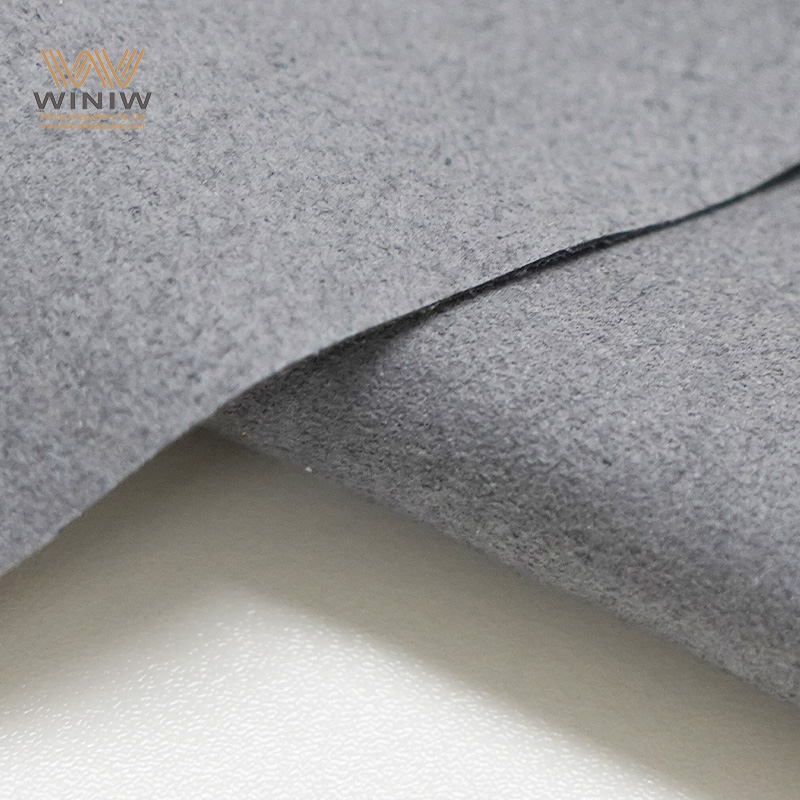
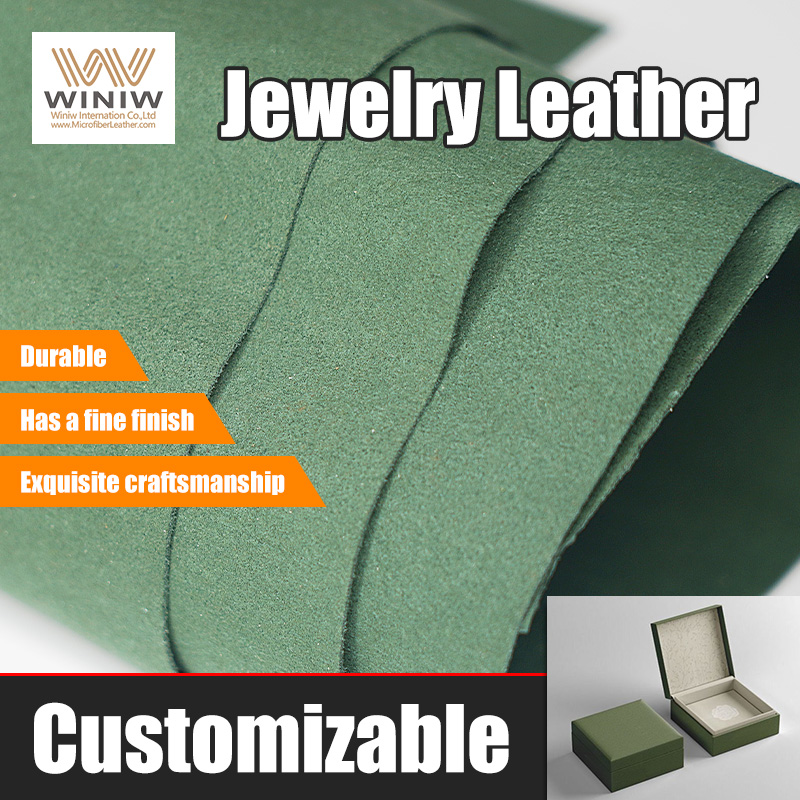
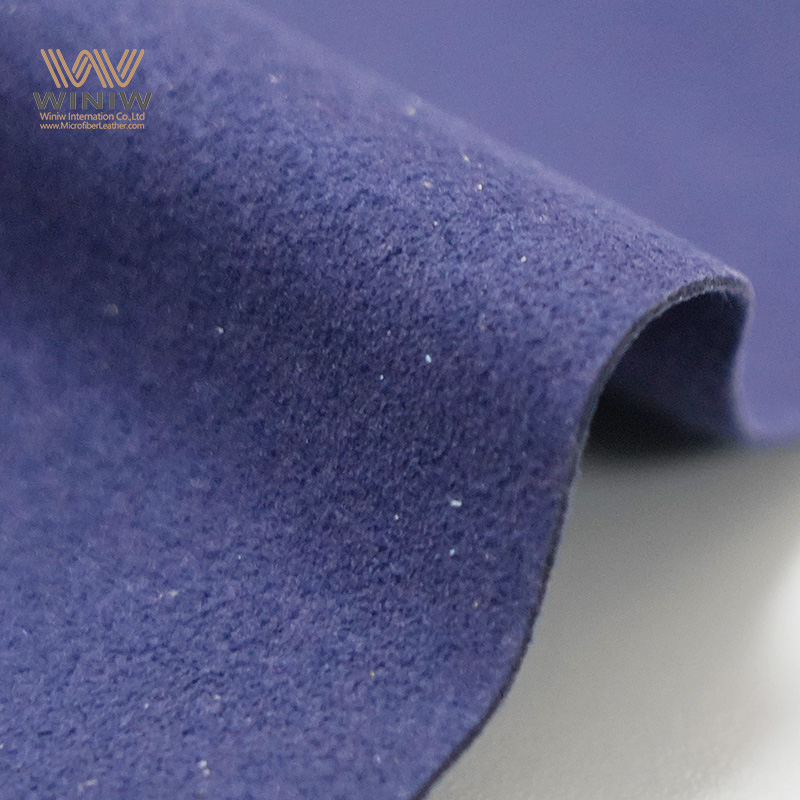
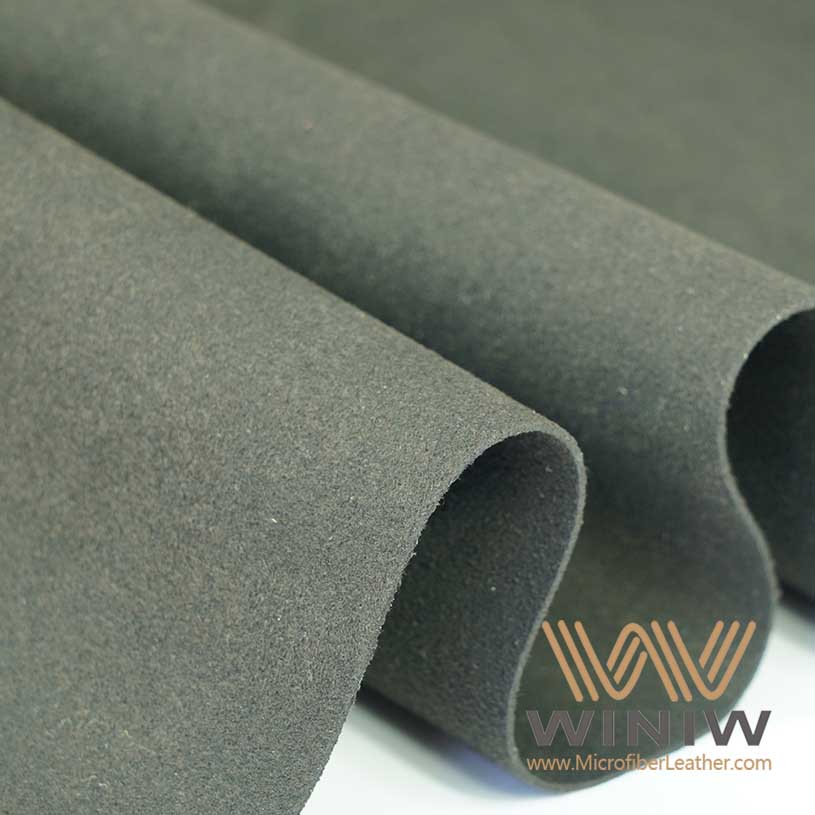
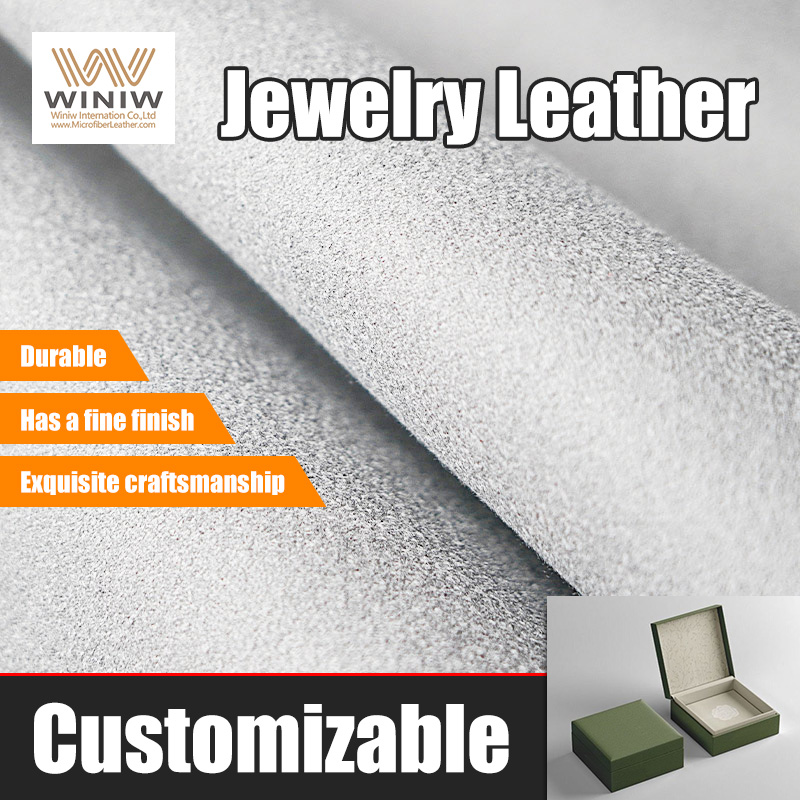
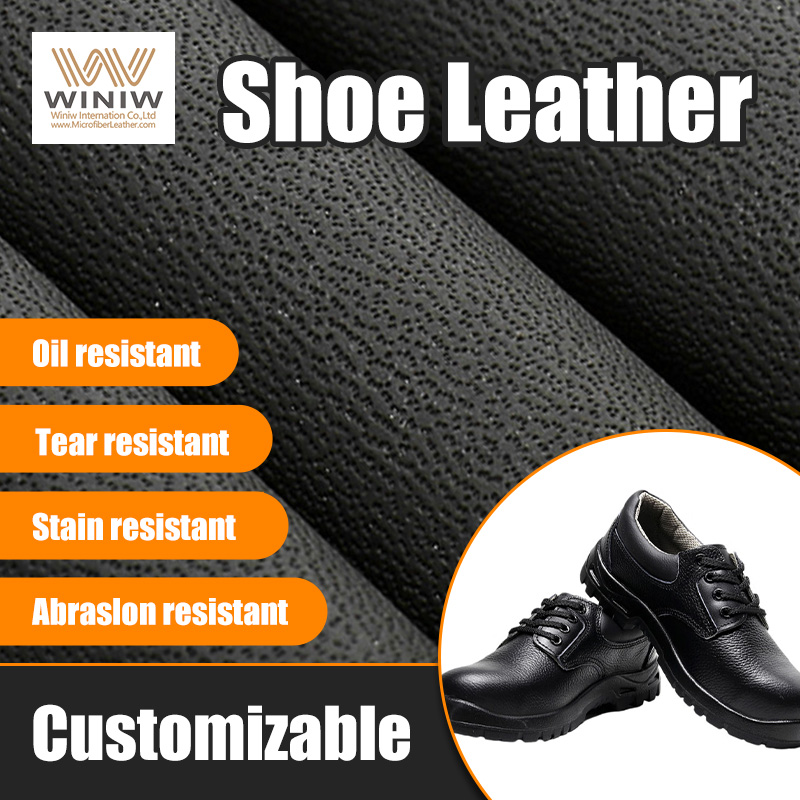
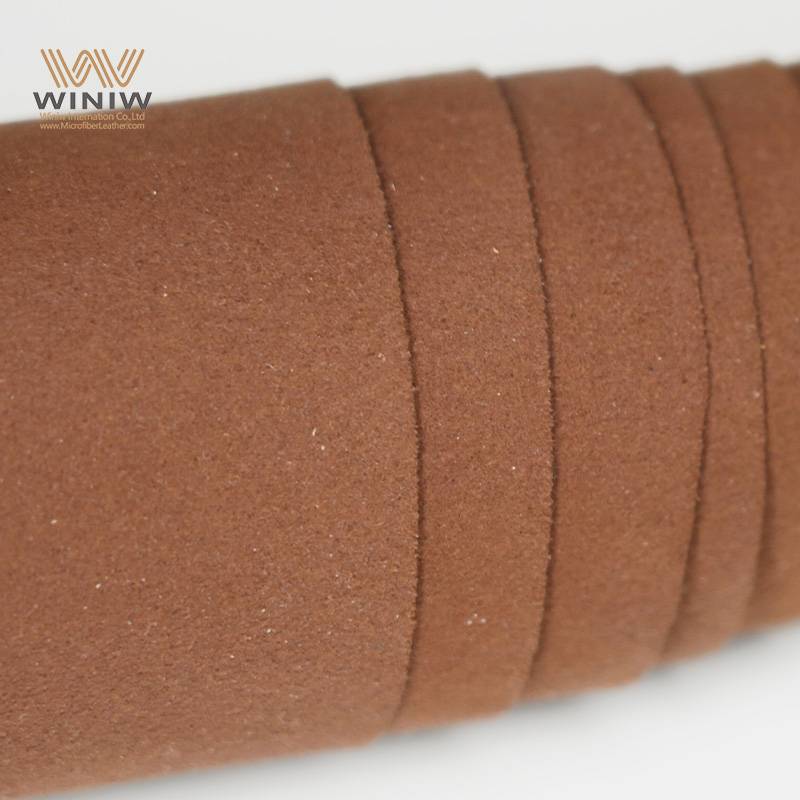
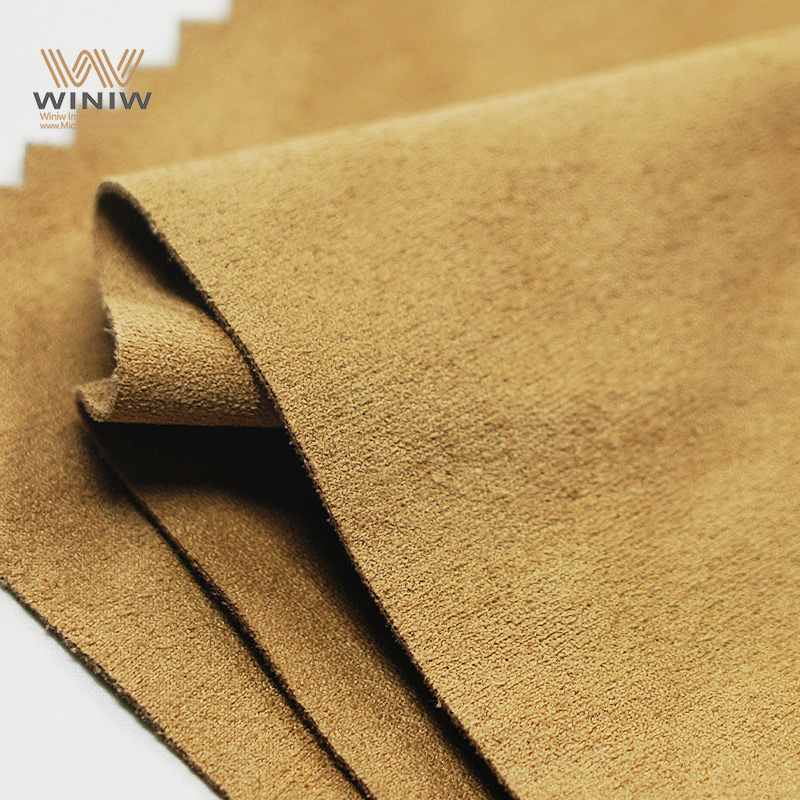
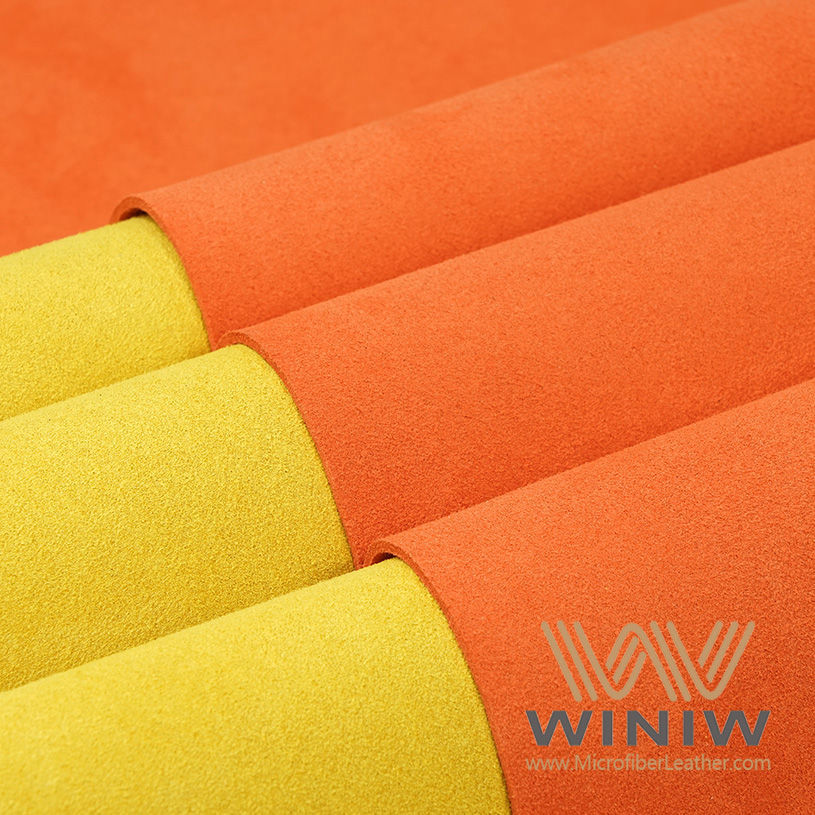
You see Faux Microsuede Fabric as a soft, synthetic alternative to real suede. Manufacturers use polyester or polyurethane and create it through woven, knitted, or nonwoven methods. You find this vegan-friendly fabric in upholstery, clothing, accessories, automotive interiors, and bedding because it offers durability, style, and easy care.
What Is Faux Microsuede Fabric and How Is It Made
Faux Microsuede Fabric is a soft, durable, and vegan-friendly alternative to real suede, made primarily from polyester and polyurethane.
This fabric is easy to care for, resists stains, and is suitable for various applications like upholstery and clothing, making it ideal for busy lifestyles.
Choosing Faux Microsuede supports ethical practices and environmental sustainability, as it avoids animal products and can incorporate recycled materials.
Faux Microsuede Fabric: Composition & Features
Materials and Structure
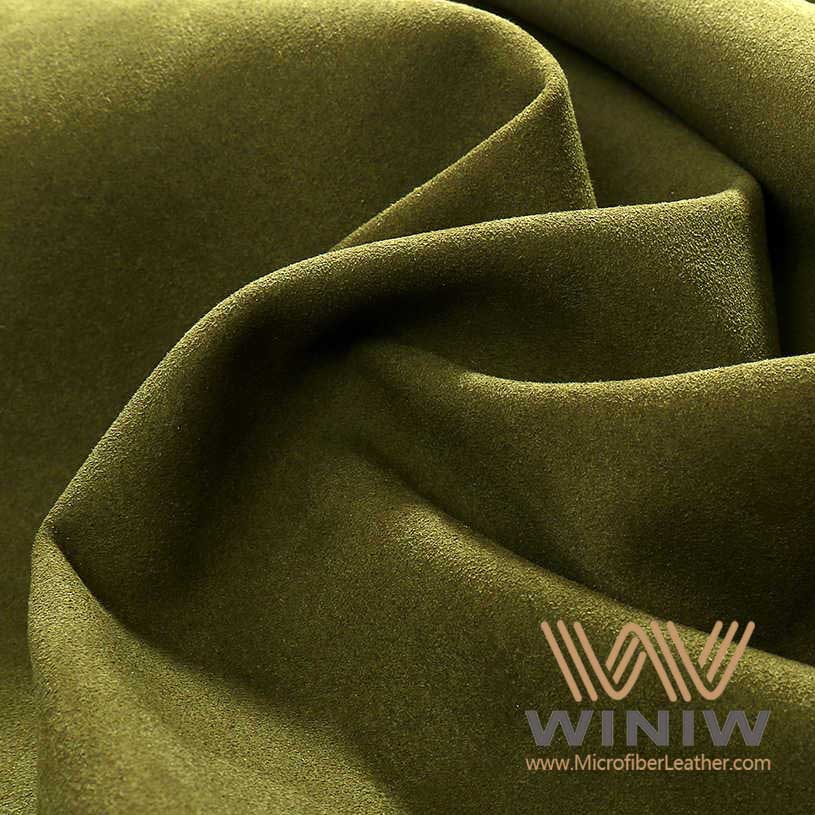
You find that Faux Microsuede Fabric uses advanced synthetic materials to create its signature feel. Manufacturers rely on polyester and polyurethane as the main ingredients. Polyester gives the fabric strength and durability, so your furniture or clothing lasts longer. Polyurethane adds a soft, velvety touch that closely resembles real suede. Some brands now include plant-based materials or recycled fibers, which help reduce environmental impact and appeal to eco-conscious consumers.
The structure of Faux Microsuede Fabric can vary. You might see woven, knitted, or nonwoven versions. Woven and knitted types use tightly packed fibers to create a dense, smooth surface. Nonwoven versions bond fibers together without weaving, which can make the fabric even softer and more flexible. This variety in structure means you can choose the right type for upholstery, clothing, or accessories.
Key Characteristics
Faux Microsuede Fabric stands out for its unique combination of features:
Softness: You will notice a plush, gentle texture that feels comfortable against your skin.
Durability: The fabric resists wear and tear, making it ideal for everyday use.
Stain Resistance: Spills are easy to clean, so you do not have to worry about permanent marks.
Breathability: Air can pass through the fabric, which helps keep you cool.
Vegan-Friendly: No animal products are used, so you can enjoy a cruelty-free alternative to real suede.
Tip: If you want a fabric that combines comfort, style, and easy care, Faux Microsuede Fabric offers a smart choice for many applications.
How Faux Microsuede Fabric Is Made
Manufacturing Methods
You can understand the creation of Faux Microsuede Fabric by looking at the main steps in its production. Manufacturers use advanced technology to transform synthetic fibers into a soft, suede-like material. The process often involves either woven, knitted, or nonwoven techniques. Each method gives the fabric unique qualities.
Woven and Knitted Methods:
When you choose woven or knitted Faux Microsuede Fabric, you get a material made from tightly packed synthetic fibers. These fibers are usually polyester or polyurethane. The weaving or knitting process creates a dense surface that feels smooth and strong. After weaving or knitting, the fabric goes through several finishing steps to achieve its signature texture.
Nonwoven Method:
If you select nonwoven Faux Microsuede Fabric, you see a different approach. Manufacturers bond fibers together using heat, pressure, or adhesives instead of weaving or knitting. This method produces a fabric that feels even softer and more flexible. Nonwoven types often mimic the luxurious feel of real suede.
Here are the main steps you find in the manufacturing process:
Grey cloth enters the dyeing factory.
Workers match cylinders, turn over and unwind, and sew ends.
The fabric goes through alkali treatment, pre-shrinkage, and fiber opening.
Dehydration and opening width follow.
Pre-setting prepares the fabric for sanding.
Sanding creates the soft, suede-like surface.
Semi-finished products wait for dyeing after sanding.
Color samples are made from the sanded semi-finished products.
Once the formula is ready, workers open the formula and drain the dyeing tank.
Dyeing takes place.
The fabric is dehydrated again.
Opening ensures the fabric maintains its width.
Finished product shaping gives the final form.
Combing the hair enhances the texture.
Inspection checks the quality.
Packaging completes the process.
Recent advances in polymer chemistry have improved the durability, texture, and appearance of Faux Microsuede Fabric. You benefit from eco-friendly production methods, such as water-based adhesives and biodegradable polymers, which make the fabric safer for you and the environment.
Tip: If you want a fabric that feels like real suede but lasts longer and resists stains, Faux Microsuede Fabric offers a smart solution.
Vegan and Ethical Considerations
You may care about the ethical impact of your fabric choices. Faux Microsuede Fabric stands out as a vegan and cruelty-free alternative to real suede. The production process does not use animal products or by-products. This means you can enjoy the look and feel of suede without harming animals.
When you choose Faux Microsuede Fabric, you also support more sustainable practices. Here are some key environmental benefits:
The fabric uses synthetic fibers, so it does not rely on animal resources.
Manufacturers can use recycled materials, such as plastic bottles, to create new fabric. This helps reduce plastic pollution.
The production of real suede requires a lot of water, land, and feed, which strains the environment. Faux Microsuede Fabric avoids these issues.
Natural suede has a high carbon footprint because livestock produce methane and leather processing releases greenhouse gases. Faux Microsuede Fabric has a smaller carbon footprint, especially when made with renewable energy.
You can recycle Faux Microsuede Fabric, which reduces waste and supports a circular economy. Real suede often faces challenges in recycling due to chemical treatments.
By choosing Faux Microsuede Fabric, you make a positive impact on animal welfare and the environment. You get a stylish, practical material that matches your values.
Faux Microsuede Fabric vs. Real Suede
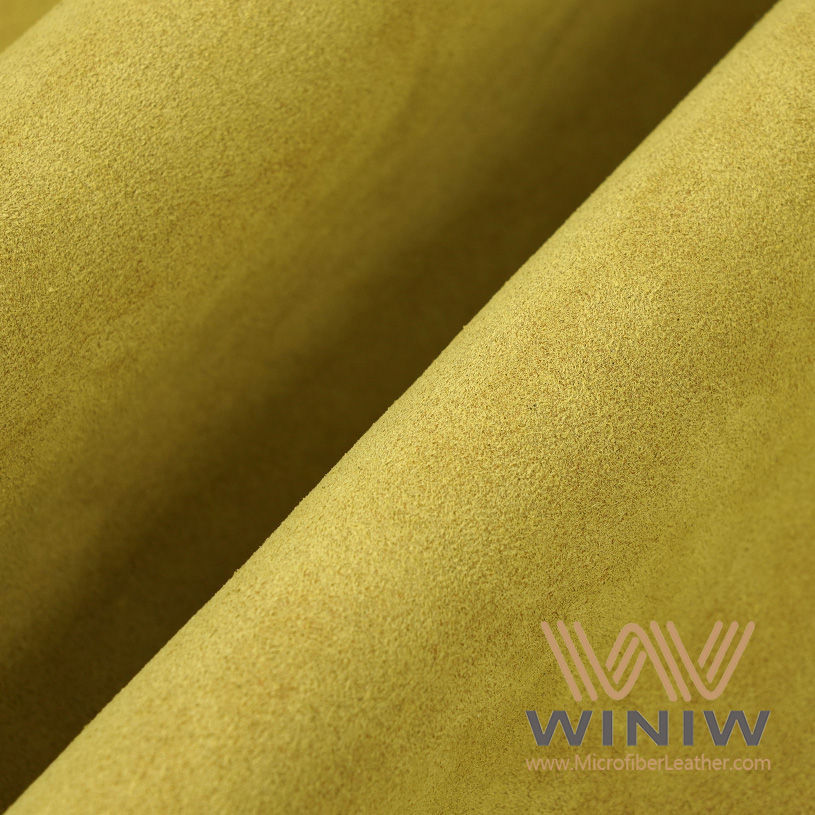
Material Differences
You can compare these two fabrics by looking at their origins and composition. Faux Microsuede Fabric comes from synthetic fibers, mainly polyester. Real suede comes from the underside of animal hides. The table below shows the main difference:
Type | Material Composition |
|---|---|
Faux Suede | Made from synthetic fibers, primarily polyester |
Real Suede | Derived from the underside of animal hides |
When you touch both materials, you notice a difference in texture. Faux Microsuede Fabric feels smooth and consistent. Some people describe it as plasticky. Real suede feels warm and organic. You will see natural variations in real suede because of its animal fiber structure.
Care and Maintenance
You will find that caring for Faux Microsuede Fabric is easier than caring for real suede. You can clean most stains with a damp cloth or mild soap. The fabric resists spills and does not absorb liquids quickly. Real suede needs special cleaners and brushes. Water can stain real suede, and it may lose its texture if you do not care for it properly.
Tip: If you want a low-maintenance option for busy spaces, choose Faux Microsuede Fabric.
Pros, Cons, and Common Uses
You should know the main advantages and disadvantages before making a choice. The table below highlights cost and durability:
Aspect | Faux Microsuede | Real Suede |
|---|---|---|
Cost | More affordable, ranging from $50 to $150 | Generally more expensive |
Durability | More durable, less prone to peeling or cracking | Less durable, prone to peeling or cracking over time |
Faux Microsuede Fabric works well in many settings. You often see it used for:
Sofa, couch, bench, and chair upholstery
Bed covers
Ottomans and footstools
Upholstered headboards
Restaurant seating
You get a practical, stylish, and ethical choice with Faux Microsuede Fabric. Real suede offers a unique feel but requires more care and costs more.
You now know that faux microsuede fabric uses synthetic fibers like polyester for softness and durability. You get a vegan, ethical option that resists stains and fits busy lifestyles.
Choose faux microsuede for easy care and animal-friendly style.
Tip: Spot clean with mild soap to keep your fabric looking fresh.

FAQ
What is the best way to clean faux microsuede fabric?
You should spot clean with mild soap and water. Avoid harsh chemicals. Let the fabric air dry for best results.
Can you use faux microsuede outdoors?
You can use it outdoors, but it may fade or wear faster. Choose outdoor-rated faux microsuede for better durability.
Does faux microsuede attract pet hair?
You will notice less pet hair sticks to faux microsuede than to real suede.
Use a lint roller or vacuum for easy cleaning.
