

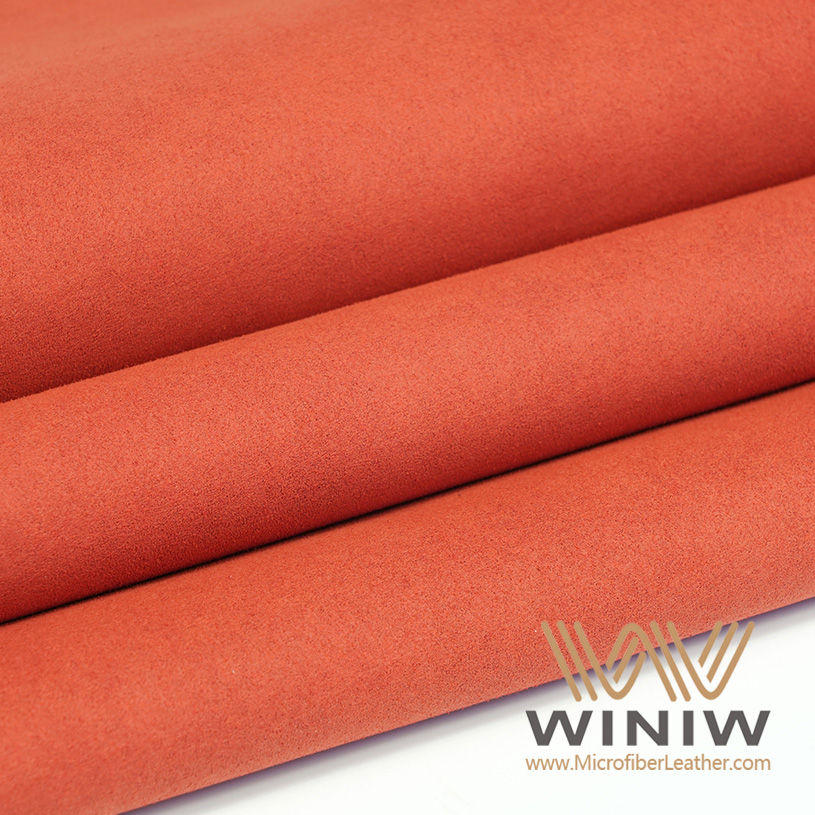
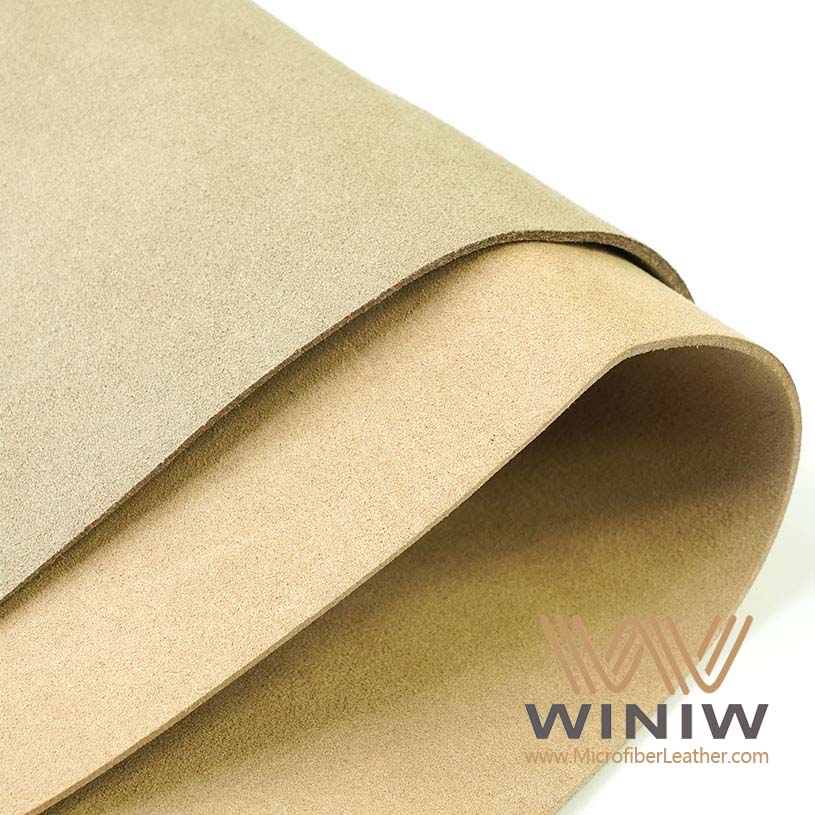
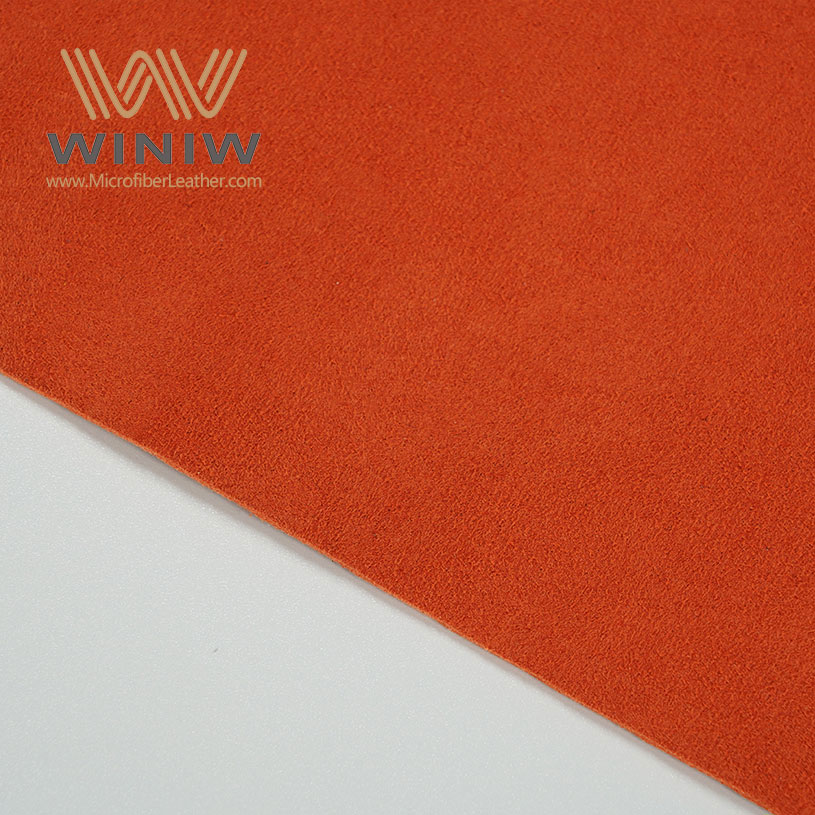
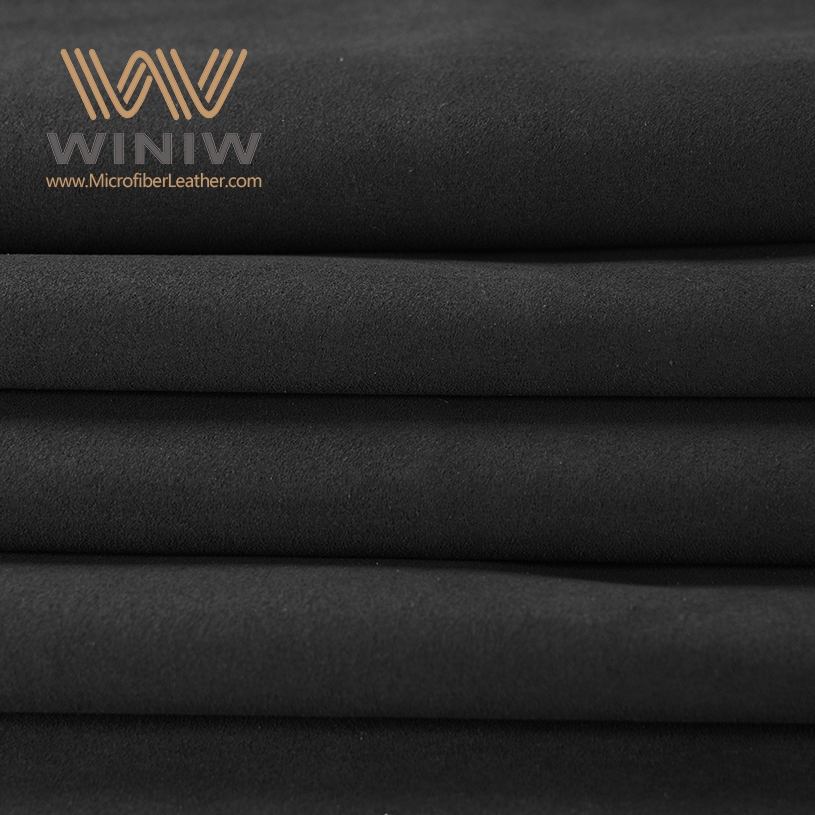
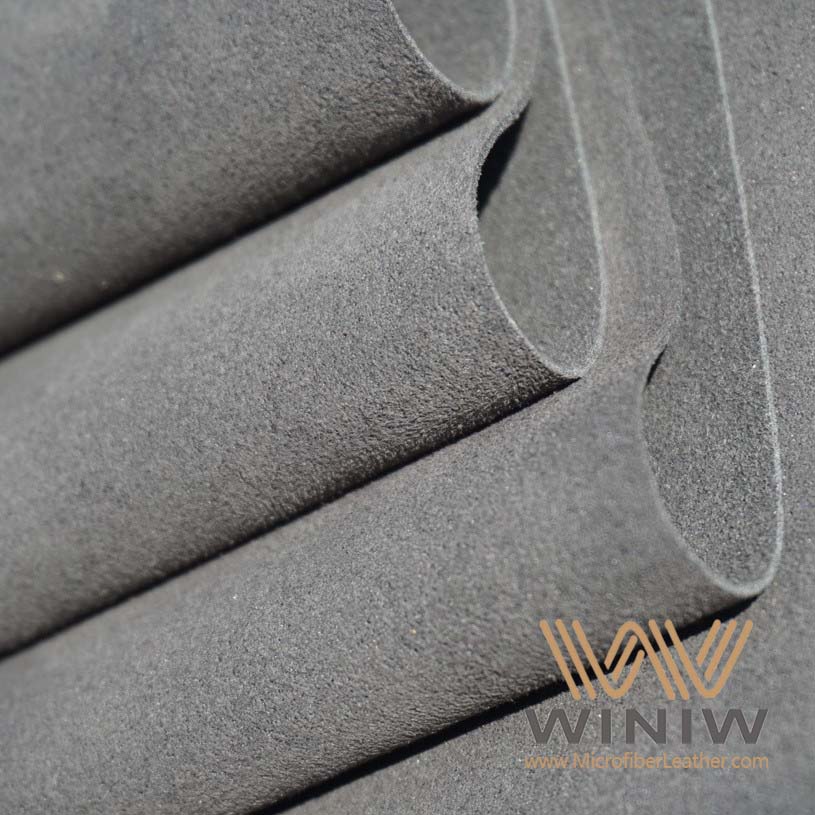
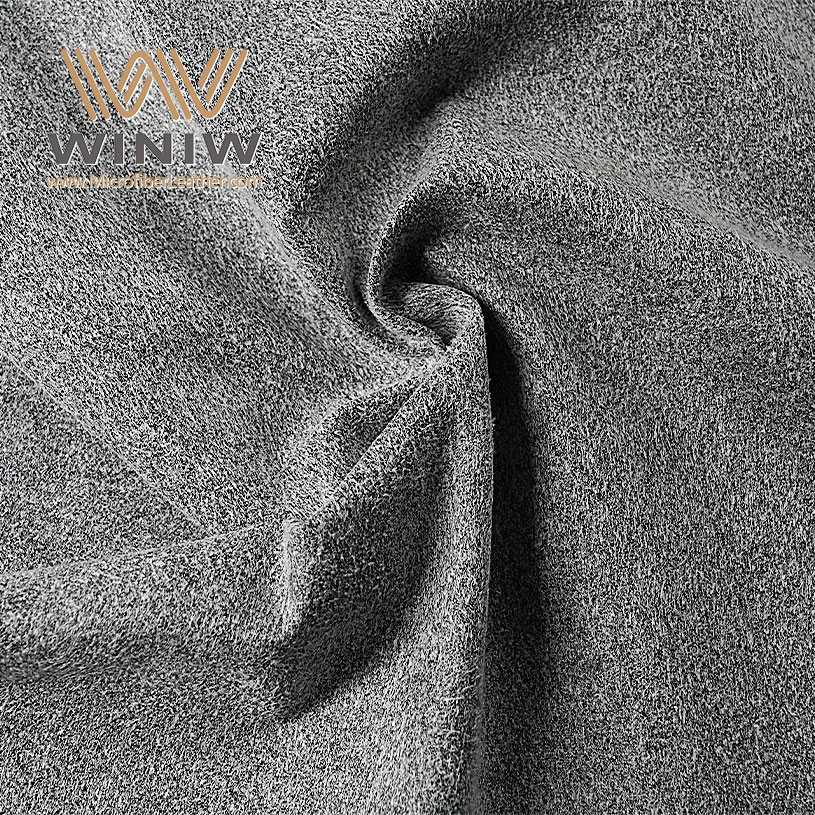
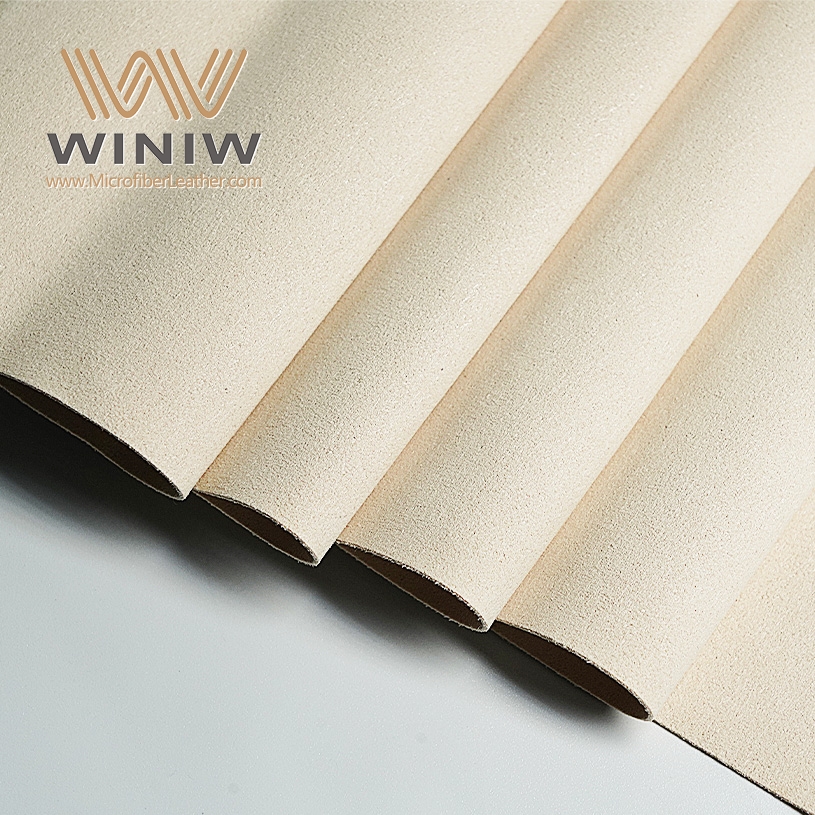
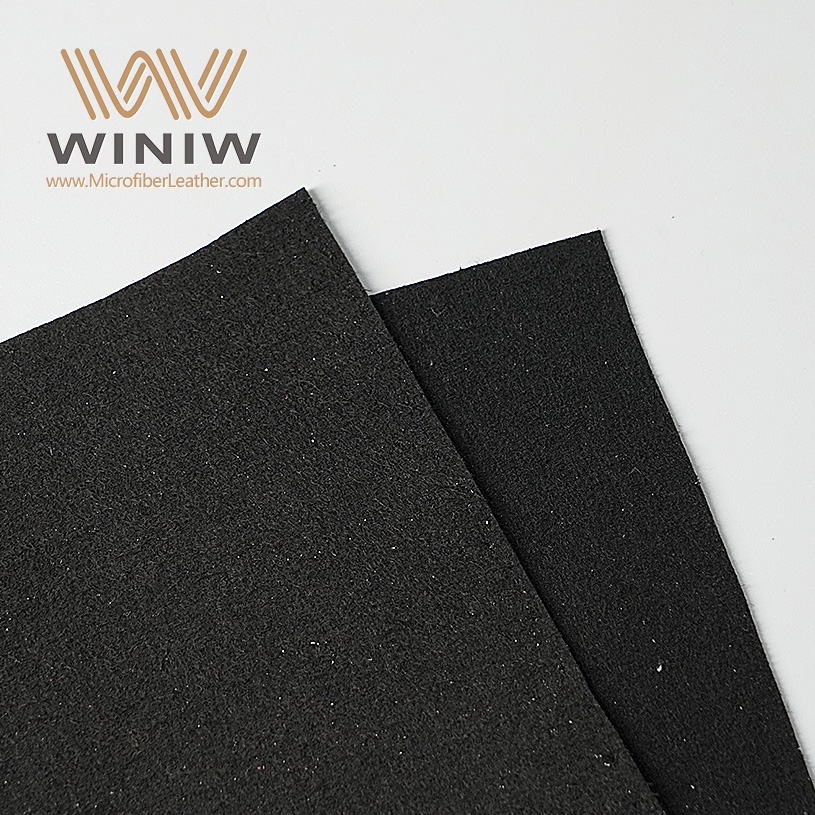
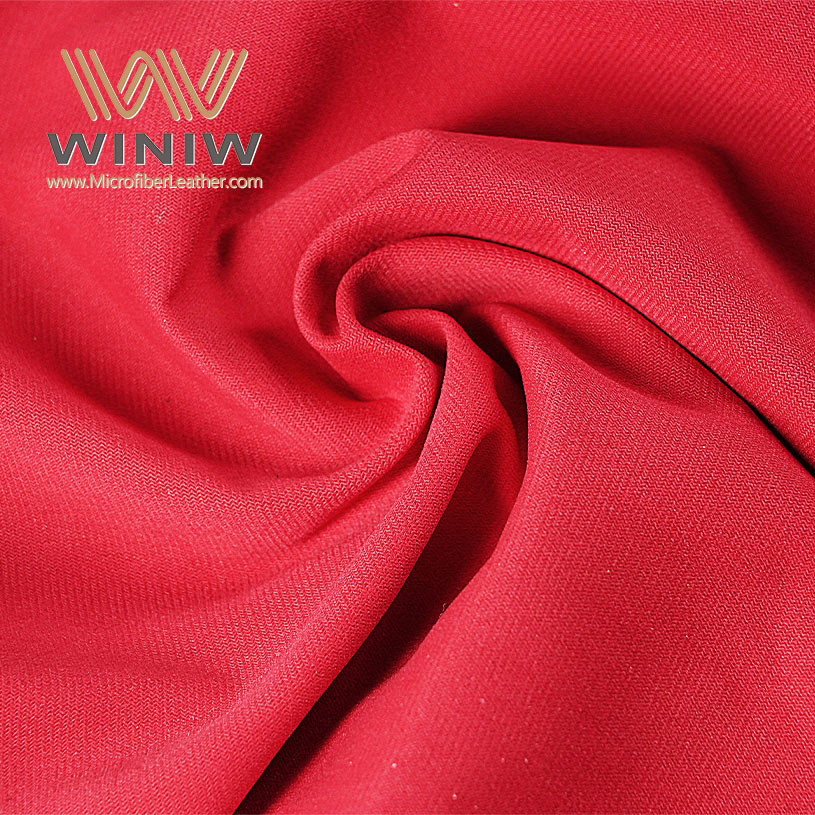

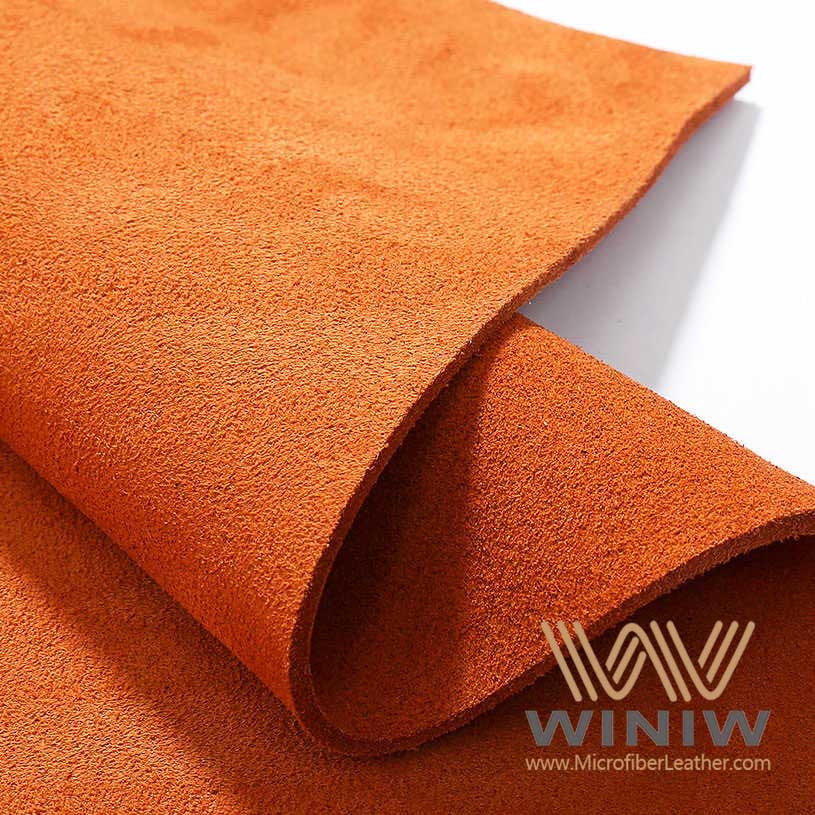
You often see microsuede upper in modern shoes and clothing. This material uses synthetic fibers to create a soft, suede-like texture. Microsuede comes from ultra-fine polyester and nylon, which first appeared in 1986. The table below shows the main fibers used in microsuede:
Synthetic Fiber | Development Year |
|---|---|
Polyester | 1986 |
Nylon | 1986 |
Microsuede gives you a stylish look and durable performance. You may wonder what makes this fabric unique, how it is produced, and how it stands out from other materials.
What is a Microsuede Upper and How is it Made
Microsuede is a synthetic fabric made from ultra-fine polyester and nylon, offering a soft, suede-like texture that is durable and easy to maintain.
Choosing microsuede upper for footwear and apparel provides benefits like water resistance, affordability, and hypoallergenic properties, making it a smart choice for style and comfort.
The manufacturing process of microsuede involves advanced technology, ensuring consistent quality and performance, while also being a vegan-friendly alternative to natural suede.
Microsuede Upper Overview
What is Microsuede
You may notice that microsuede stands out among synthetic materials. This fabric uses ultra-fine fibers, usually polyester or nylon, to create a surface that feels soft and smooth. When you touch microsuede, you experience a texture that closely mimics real suede. Many people choose microsuede because it combines comfort with practical benefits.
Here are some features that make microsuede unique:
Durability: You can rely on microsuede for regular use because it resists wear and tear.
Ease of Maintenance: You often clean microsuede with a washing machine, so you do not need special cleaning products.
Water Resistance: Microsuede handles moisture better than natural suede, which makes it a smart choice for outdoor items.
Comfort: The fabric feels soft and luxurious against your skin.
Even Texture: You see a smooth and attractive surface every time.
Affordability: Microsuede usually costs less than genuine suede.
Hypoallergenic: You are less likely to experience allergies or irritation from this material.
Microsuede fabric gives you a balance of style, comfort, and practicality.
Microsuede Upper in Footwear and Apparel
You find microsuede upper in many types of shoes and clothing. Designers use this material for jackets, skirts, and shoes because it offers a high-end look at a lower price. You can cut and sew microsuede with ease, which helps manufacturers create detailed designs.
When you wear items with a microsuede upper, you enjoy several benefits:
Softness and luxurious texture
Long-lasting durability
Simple care and cleaning
You see microsuede upper in both casual and formal styles. This material helps you achieve a fashionable appearance without sacrificing comfort or your budget.
Microsuede Upper Manufacturing
How is Suede Fabric Made
You might wonder how is suede fabric made when you see the soft texture of microsuede upper in shoes and clothing. Manufacturers use a step-by-step process to create micro suede material from synthetic fibers. You start with raw materials like polyester and nylon. These synthetic materials go through chemical reactions to produce ultra-fine fibers called microfiber. You organize and stretch these microfibers into yarn using spinning machines. This step ensures the yarn has the right softness and strength.
Next, you weave the yarn into cloth using a loom. Fleece weaving creates the pile effect that gives microfiber suede its signature look. You clean the fabric and dye it in a solution. Printing techniques add patterns and fix the color. The final step involves finishing, where you treat the surface and dry the fabric to achieve the desired quality.
Micro Suede Material Composition
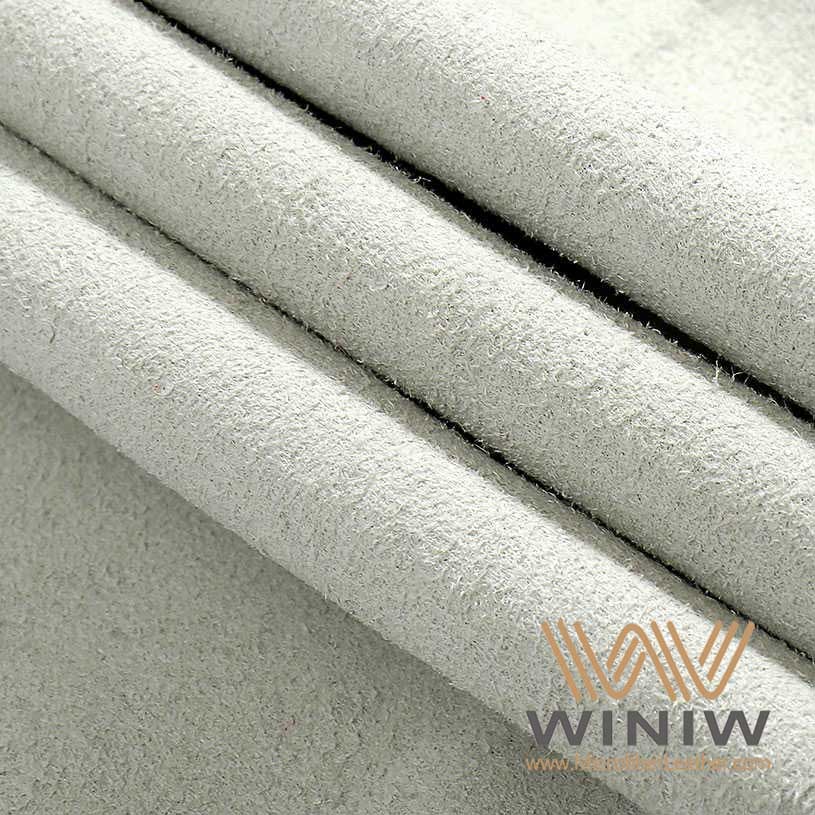
You find that micro suede material uses synthetic fibers such as polyester and nylon. These fibers form the base of microfiber suede leather. Polyester gives the fabric moisture-wicking properties and fast drying time. Nylon adds elasticity and stretch recovery, which improves comfort and fit. The combination of these fibers creates synthetic microsuede that feels soft and luxurious.
Manufacturers often blend polyester microfiber with polyurethane to enhance durability and water resistance. Microfiber synthetic suede leather uses ultra-fine strands that mimic the texture of natural suede. You get a vegan-friendly option that does not rely on animal hides.
Finishing and Quality Control
You notice that finishing and quality control play a key role in producing high-quality microsuede upper. After weaving and dyeing, manufacturers brush the surface to raise the fibers. This step creates the soft texture you expect from micro suede material. Surface treatments add water resistance and stain repellence to synthetic microsuede.
Manufacturers use advanced machinery to ensure consistency in texture and color. They cut and shape the treated fabric for different applications, such as shoes and jackets. Final finishing touches, like embossing or additional dyeing, help achieve specific aesthetic effects.
Here is a table that outlines the main steps in finishing and quality control:
Step | Description |
|---|---|
Fiber Production | Synthetic fibers like polyester or nylon are produced at high precision, ensuring ultra-fine strands that resemble natural suede fibers. |
Weaving Process | These fibers are woven tightly into a fabric that mimics the texture and appearance of traditional suede. The weaving process is optimized for softness and durability. |
Surface Treatment | The woven fabric undergoes surface treatments such as brushing and coating to enhance softness, water resistance, and stain repellence. |
Cutting & Shaping | The treated fabric is cut into desired shapes for various applications, from upholstery panels to footwear components. |
Final Finishing | Additional finishing touches, like embossing or dyeing, are applied to achieve specific aesthetic effects and color consistency. |
You face several challenges in producing microfiber suede leather. Durability concerns arise in high-traffic areas. Cleaning can be tricky because the fabric is sensitive to water and harsh chemicals. Static electricity attracts dust and lint, which may cause discomfort. Colorfastness issues can lead to fading over time. Environmental impact remains a concern because production uses petroleum-based products.
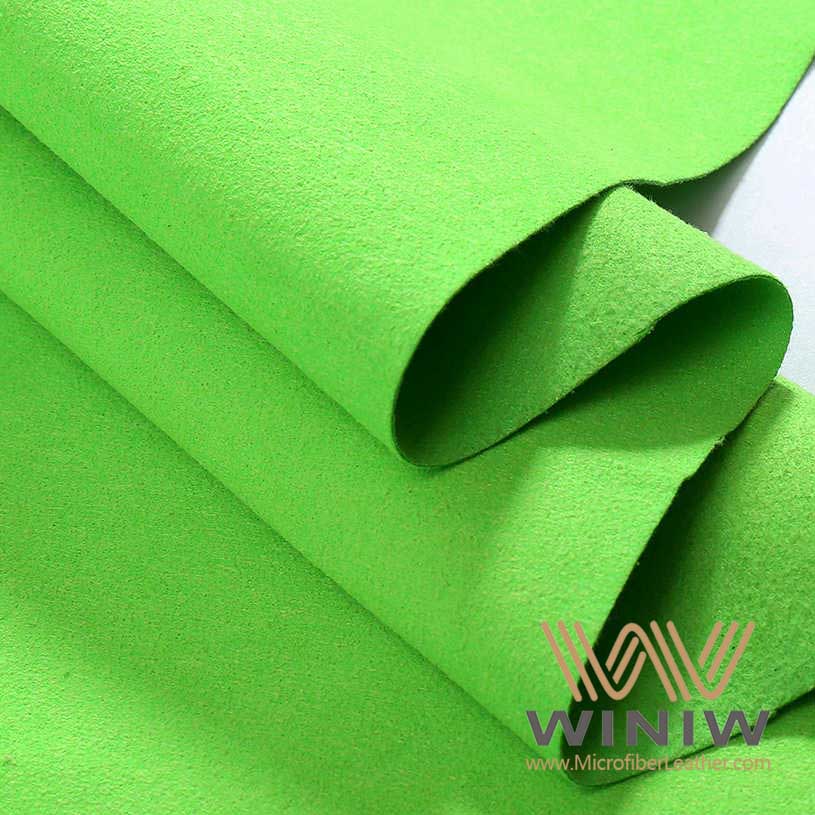
Despite these challenges, you benefit from the consistent quality and performance of synthetic microsuede. Manufacturers continue to improve processes to reduce waste and pollution. You get a reliable and attractive micro suede material for your footwear and apparel needs.
Tip: When you choose microsuede upper, you support vegan-friendly fashion and enjoy a fabric that combines style, comfort, and durability.
Microsuede vs. Suede Fabric
Key Properties of Microsuede
When you compare microsuede to other types of suede fabric, you notice clear differences in material, performance, and care. Microsuede uses synthetic fibers like polyester and polyurethane, while natural suede fabric comes from animal hides. You get a signature suede-like texture with both, but the construction and durability set them apart.
Advantages of Microsuede Upper
You benefit from several advantages when you choose faux suede for footwear and apparel. Microsuede upper products last longer and resist stains better than natural suede fabric. You can clean faux suede easily, often with just a damp cloth or even in a washing machine. This makes maintenance simple and cost-effective.
Here are some key benefits:
Microsuede feels soft and comfortable, making it a popular choice for shoes and jackets.
Faux suede is water-resistant, so you do not have to worry about rain or spills.
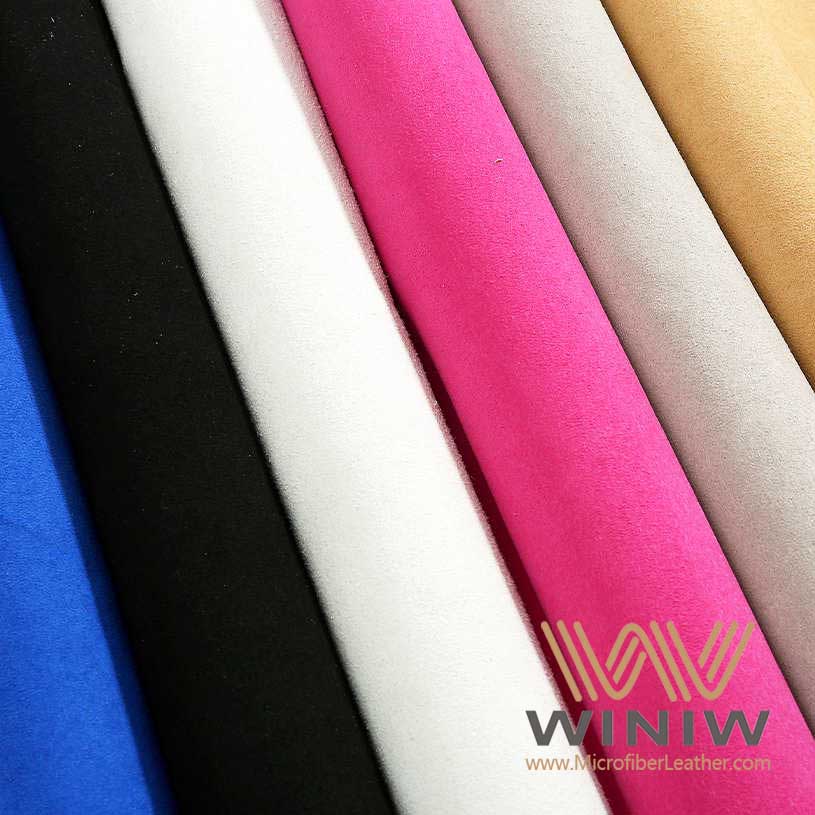
You find that faux suede comes in many colors and styles, giving you more design options.
Microfiber construction makes the material strong and flexible, perfect for high-performance footwear.
Faux suede is more affordable than natural suede fabric, so you save money without sacrificing style.
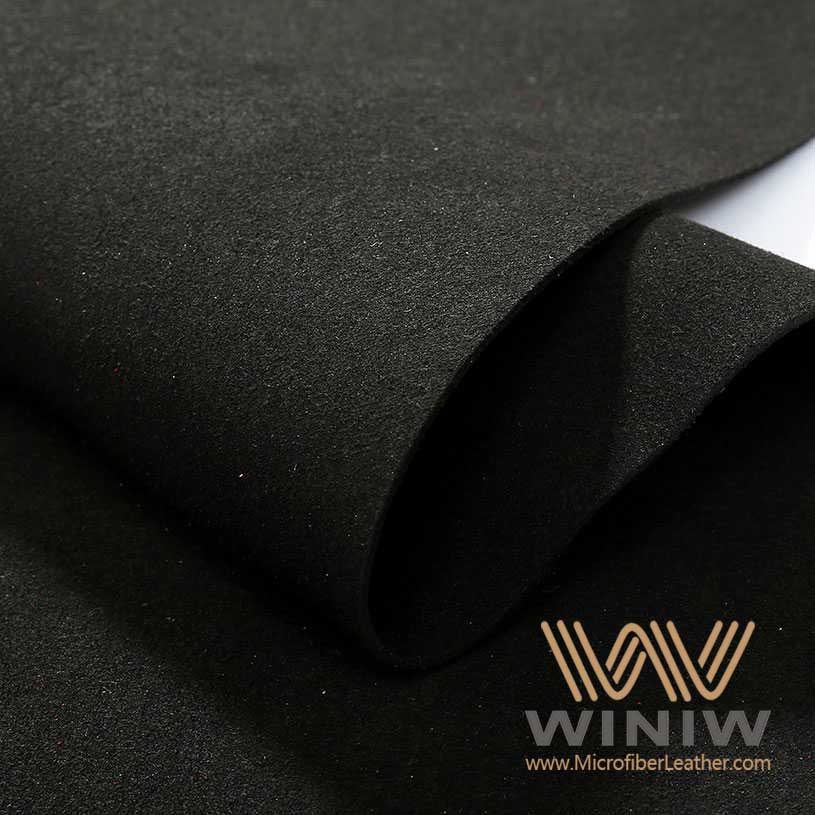
You can see the differences in breathability and moisture resistance in the table below:
Material | Breathability | Moisture Resistance |
|---|---|---|
Microsuede | Less breathable due to tight weave | Treated to be water-resistant |
Genuine Suede | More breathable due to porous structure | More susceptible to water damage |
Many consumers rate microsuede highly for comfort and easy maintenance. Faux suede stays soft and resists stains, while natural suede fabric needs special cleaning and can feel less comfortable over time. Microfiber suede also lasts longer, with a lifespan of 10–15 years, compared to 7–10 years for natural suede.
Tip: If you want a high-quality synthetic suede that is durable, easy to care for, and stylish, microsuede upper is an excellent choice among synthetic suede alternatives.
You see that microsuede upper offers a soft, durable, and easy-to-clean alternative for shoes and clothing. Microsuede works well for shoe uppers, linings, and insoles. Many brands use microsuede in their collections. You also help reduce water use and chemical pollution by choosing this material.

FAQ
What makes microfiber different from regular synthetic fabrics?
Microfiber uses ultra-fine fibers that create a soft, suede-like texture. You get better durability, water resistance, and comfort compared to standard synthetic materials.
Can you clean microfiber shoes in a washing machine?
You can clean most microfiber shoes in a washing machine. Always check the care label first. Use cold water and gentle detergent for best results.
Does microfiber upper cause skin irritation?
You rarely experience skin irritation with microfiber upper. Manufacturers design microfiber to be hypoallergenic and gentle. You can wear microfiber shoes or clothing comfortably for long periods.