

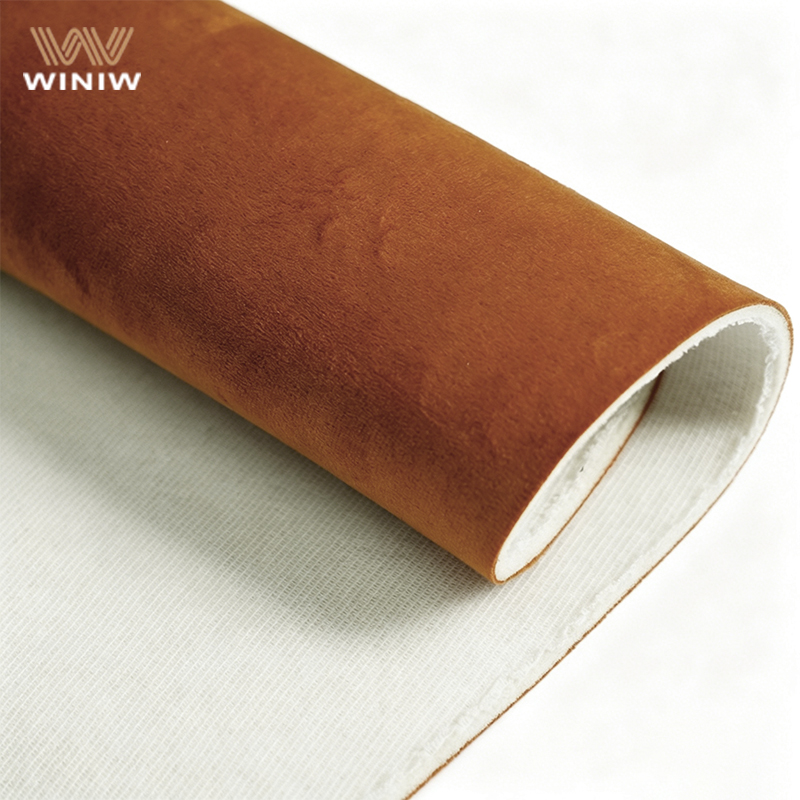
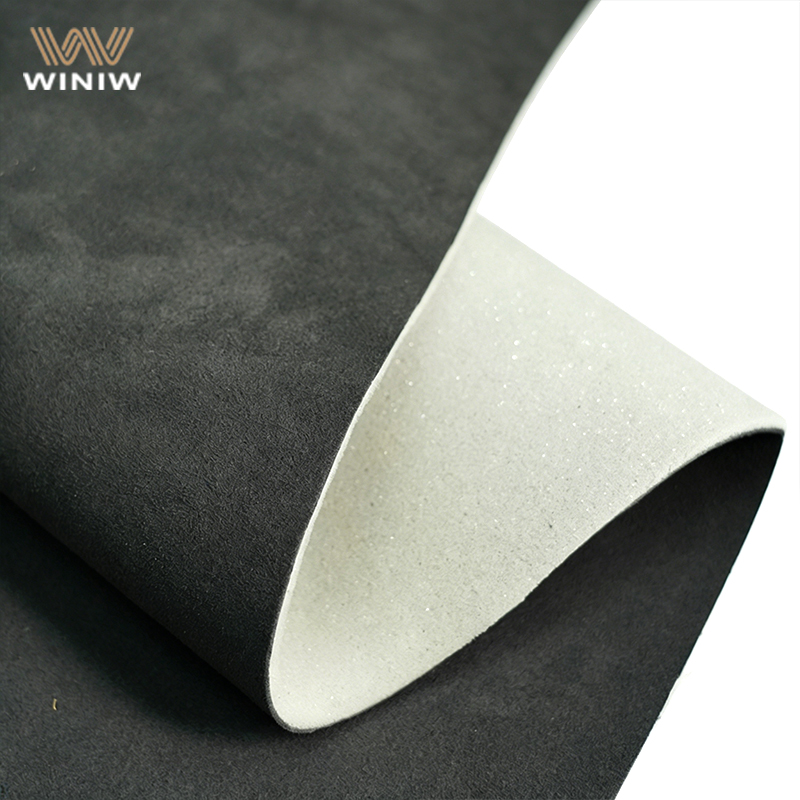
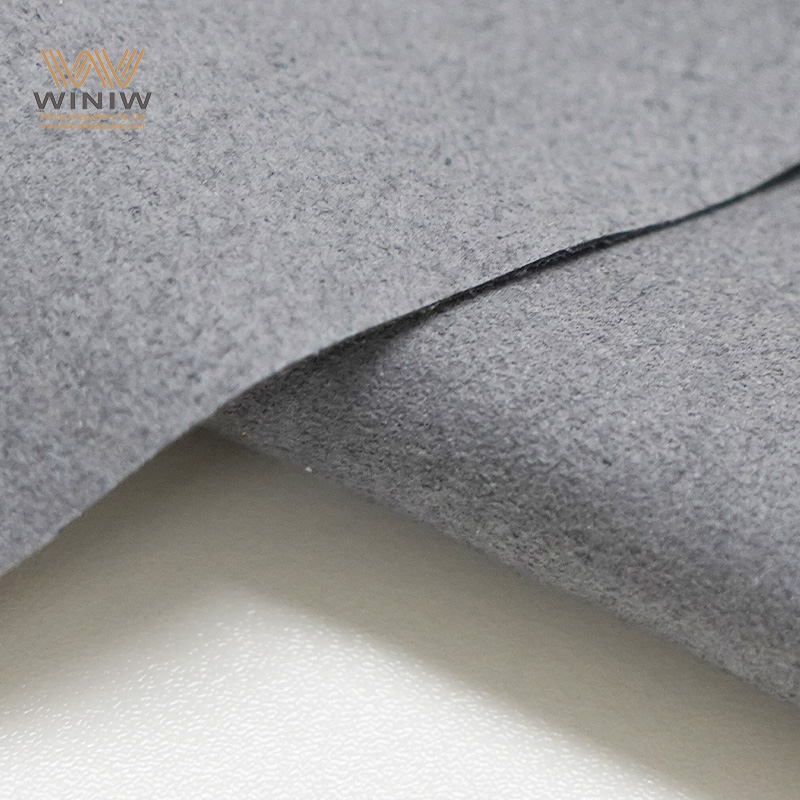

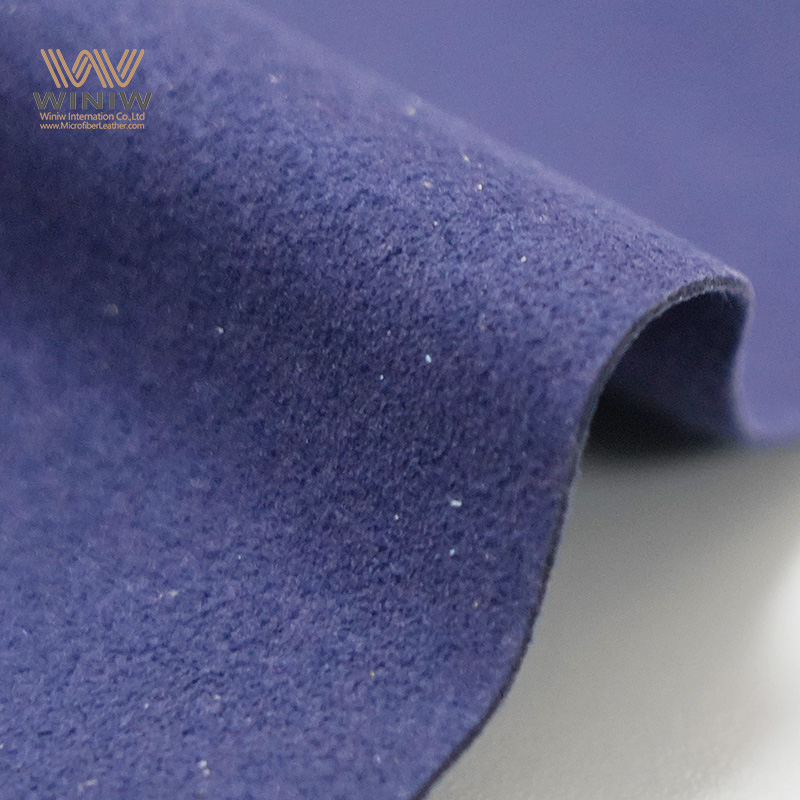
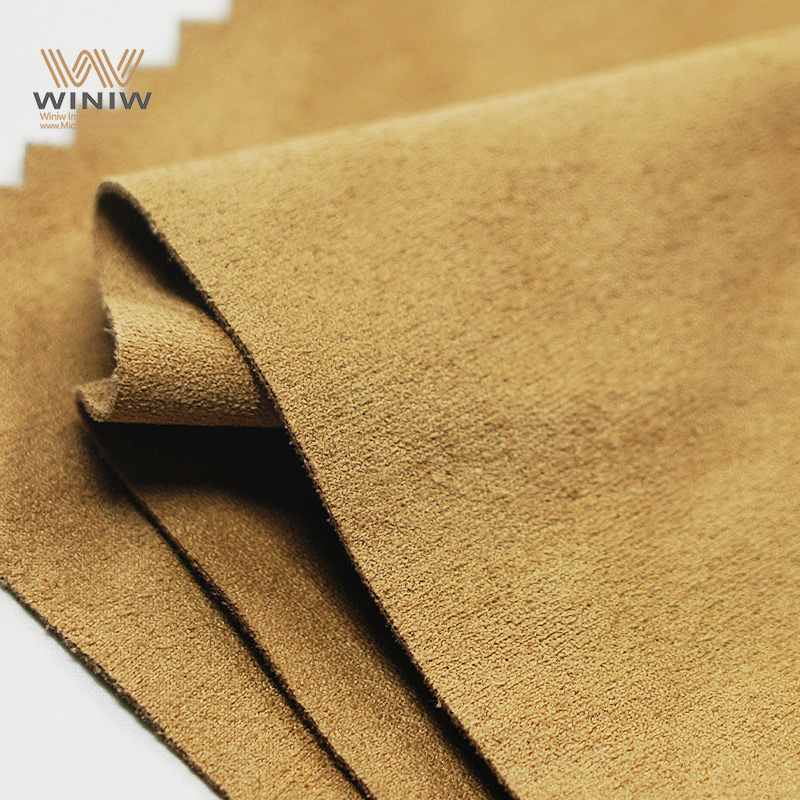
You keep your microsuede cleaning cloth working well by practicing proper cleaning and care. This helps you prevent inconsistent cleaning results and reduces replacement costs. Microsuede cleaning cloths use fine synthetic fibers, so they need special attention to avoid buildup and ensure long-lasting performance.
Key Takeaways
Wash microsuede cleaning cloths regularly to maintain their effectiveness. Clean heavily soiled cloths after each use and lightly soiled ones after three uses.
Use a gentle liquid detergent and avoid fabric softeners. These can damage the fibers and reduce cleaning power.
Air dry your cloths whenever possible. This method preserves their softness and absorbency while being eco-friendly.
Microsuede Cleaning Cloth Basics
What Is Microsuede?
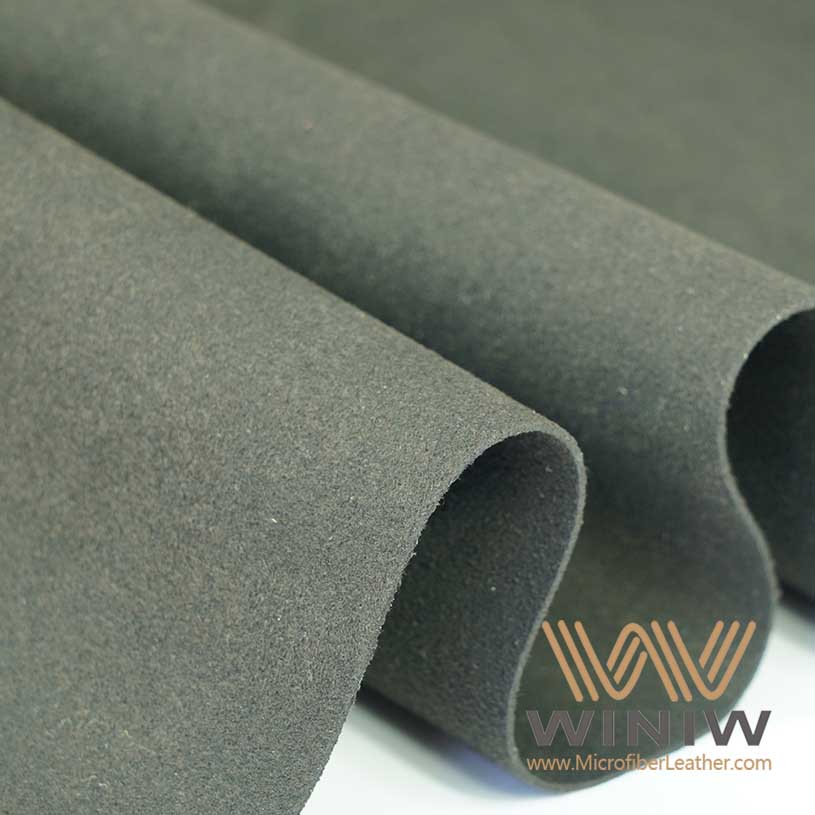
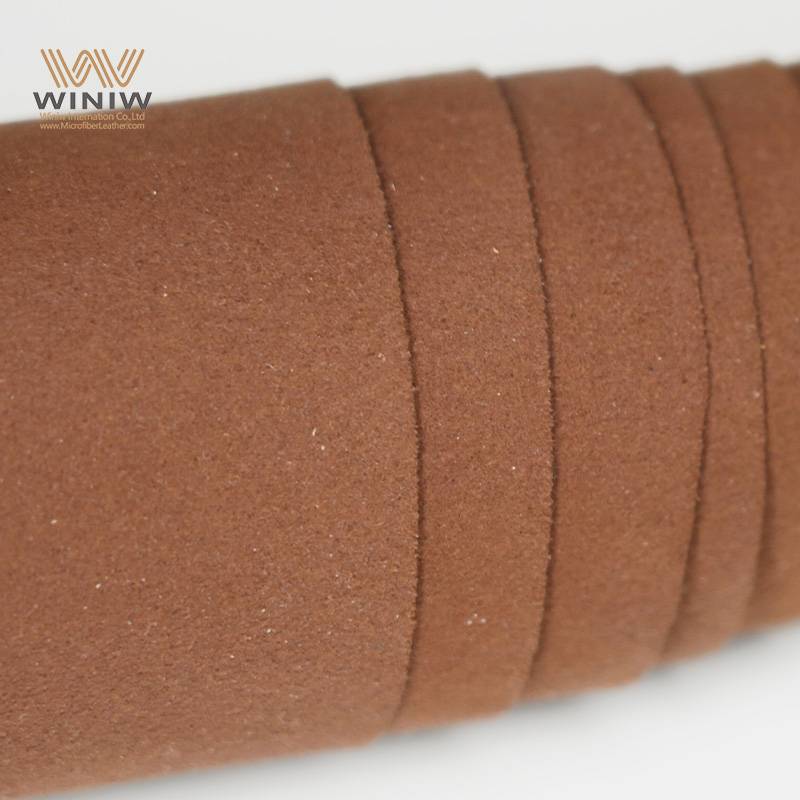
You encounter microsuede cleaning cloths in many professional and household settings. These cloths use synthetic fibers, such as polyester or nylon, woven into a soft, durable fabric. The unique structure of microfiber towels and cloths sets them apart from traditional options. Millions of fine micro-denier fibers create a non-woven surface that resists trapping dirt and pet hair. This design allows you to clean surfaces efficiently and wipe up spills quickly.
Tip: Microsuede cleaning cloths are machine washable, making them practical for repeated use.
Why Care Matters
Proper care for your microsuede cleaning cloth ensures you get the best cleaning results. Microfiber towels and cloths capture dirt, grime, and bacteria with their unique fiber structure. When you use and launder them correctly, you maintain their cleaning effectiveness and avoid cross-contamination. Studies show that microfiber towels and cloths can eliminate up to 99% of bacteria, making them three times more effective than cotton rags or paper towels.
Improper washing, use of fabric softeners, or harsh detergents can shorten the lifespan of your microsuede cleaning cloth and reduce its performance.
High-quality microfiber towels and cloths can be washed and reused up to 500 times, offering a sustainable and long-lasting cleaning solution.
You protect your investment and maintain a healthier environment by following recommended care practices.
How to Wash Microfiber Cloths
Proper care starts before you even begin to wash your microsuede cleaning cloth. You should always shake out the cloth to remove loose debris. For stubborn dirt or pet hair, use a vacuum with a brush attachment. If you notice any stains or heavy buildup, pretreat those areas with a small amount of mild liquid detergent and gently rub the fibers together. This step helps you maintain the cleaning power of your microfiber towels and cloths.
Machine Wash Steps
Machine washing offers a convenient way to clean microfiber towels and cloths. You need to follow these steps to protect the fibers and ensure a thorough wash:
Sort and Separate: Always wash your microsuede cleaning cloths separately from cotton or other fabrics. This prevents lint transfer and fiber damage.
Shake and Pretreat: Shake out dust and debris. Pretreat stains with a gentle detergent if needed.
Select Water Temperature: Use hot water for heavily soiled microfiber cleaning cloths. Hot water breaks down dirt, grime, and waxes more effectively than warm water.
Choose the Right Cycle: For most loads, select the 'Towel' or 'Heavy-Duty' setting. For lightly soiled cloths, a gentle or delicate cycle works well.
Add Detergent: Use a premium liquid laundry detergent. Avoid powdered detergents, bleach, and fabric softeners, as these can reduce absorbency and damage the fibers.
Rinse Thoroughly: Run two rinse cycles at medium temperature. You can add a small amount of white vinegar to the rinse to help remove detergent residue.
Tip: Never use fabric softener or dryer sheets. These products coat the fibers and reduce the effectiveness of your microfiber towels and cloths.
Hand Wash Steps
Hand washing gives you more control and helps preserve the integrity of your microfiber towels and cloths. Follow these steps for best results:
Wash your microsuede cleaning cloths separately to prevent lint transfer.
Fill a basin or sink with cold or lukewarm water. Hot water can damage the delicate fibers.
Add a small amount of mild, liquid detergent. Avoid bleach, fabric softener, and any detergent with wax, oil, or silicone.
Gently agitate the cloths by hand. Avoid aggressive scrubbing, which can break down the fibers and shorten the lifespan of your microfiber towels and cloths.
Rinse thoroughly until the water runs clear.
Squeeze out excess water gently. Do not wring or twist the cloths, as this can distort the fibers.
Note: Air drying is the preferred method after hand washing to maintain softness and absorbency.
Best Detergents for Microsuede
Choosing the right detergent is crucial for maintaining the performance of your microfiber cleaning cloths. Textile manufacturers recommend the following:
Use a premium liquid laundry detergent that does not contain bleach, wax, polish, oil, or silicone.
Rinse the cloth well before washing to remove any stuck debris.
Avoid fabric softener, chlorine bleach, and dryer sheets, as these can degrade the fibers and reduce cleaning effectiveness.
For extra freshness, add a small amount of white vinegar during the rinse cycle.
Tip: Always check the detergent label. Many products marketed for sensitive skin or delicates are suitable for microfiber towels and cloths.
Drying Methods
Proper drying preserves the softness and absorbency of your microfiber towels and cloths. You have several options:
Air Drying: Hang your cloths on a clothesline or rack. This method is gentle and helps maintain the integrity and quality of the fibers. Air drying is also eco-friendly and reduces energy consumption.
Tumble Dry Low: If you use a dryer, select the lowest heat setting. Avoid dryer sheets, as they can leave residues that reduce absorbency.
Partial Dry + Air Finish: Tumble dry on low for 10–15 minutes, then finish by air drying. This approach keeps your microfiber towels and cloths soft and fluffy.
The table below compares air drying and machine drying:
Aspect | Air Drying | Machine Drying |
|---|---|---|
Gentleness on Fabrics | Gentle, preserves integrity and quality | Can be harsh, may cause damage over time |
Energy Consumption | No energy required, eco-friendly | High energy consumption, not eco-friendly |
Time Required | Time-consuming, less efficient | Quick and efficient |
Suitability for Delicates | Safe for delicate fabrics | May damage delicate fabrics |
Risk of Damage | Lower risk of shrinkage and fading | Higher risk of shrinkage and wear |
Note: Washing and drying microfiber towels and cloths can release tiny synthetic fibers into wastewater. These microfibers may escape filtration systems and enter the environment, where they can harm marine life and ecosystems. To reduce environmental impact, wash only when necessary and use a microfiber filter bag if possible.
By following these steps, you ensure your microsuede cleaning cloth stays effective, soft, and long-lasting. Understanding how to wash microfiber cloths and how to wash microfiber towels helps you get the most out of your cleaning routine while protecting your investment.
FAQ
How often should you replace a microsuede cleaning cloth?
You should replace your microsuede cleaning cloth when you notice fraying, loss of softness, or reduced cleaning performance. Most last through 500 washes with proper care.
Can you use bleach on microsuede cleaning cloths?
Never use bleach. Bleach damages the synthetic fibers and reduces absorbency. Stick to mild liquid detergents for best results.
What surfaces can you safely clean with microsuede cloths?
Surface Type | Safe to Clean? |
|---|---|
Glass | ✅ |
Electronics | ✅ |
Wood | ✅ |
Painted Surfaces | ✅ |
You can safely clean most household surfaces with microsuede cloths.
