

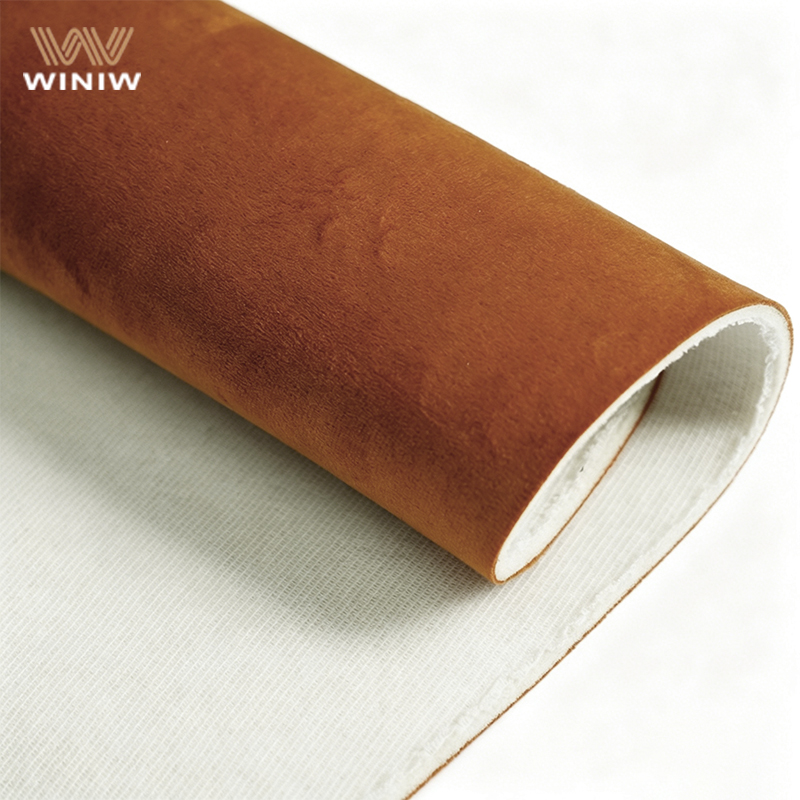
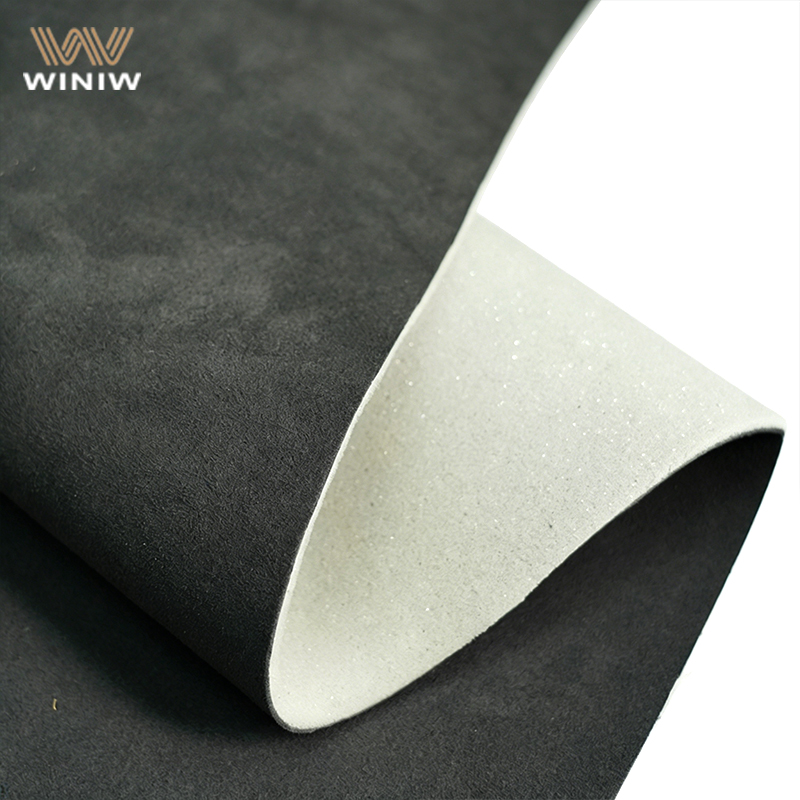
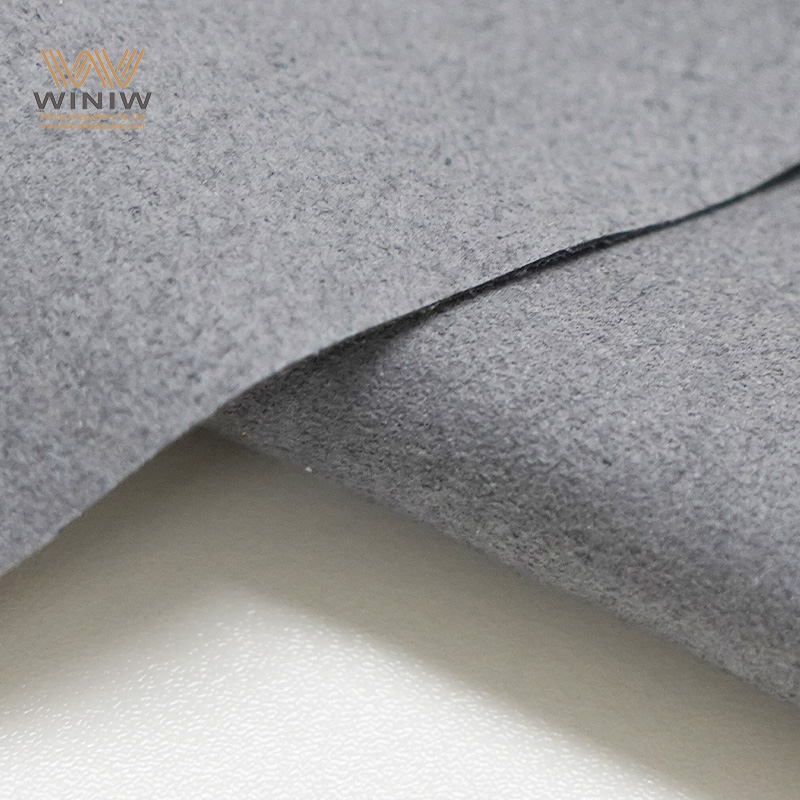
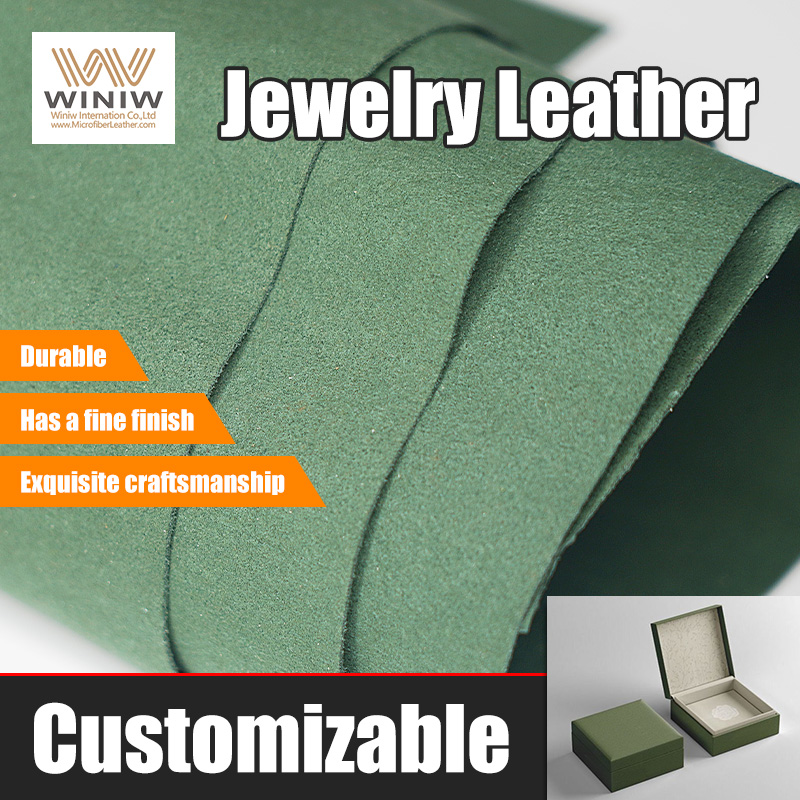
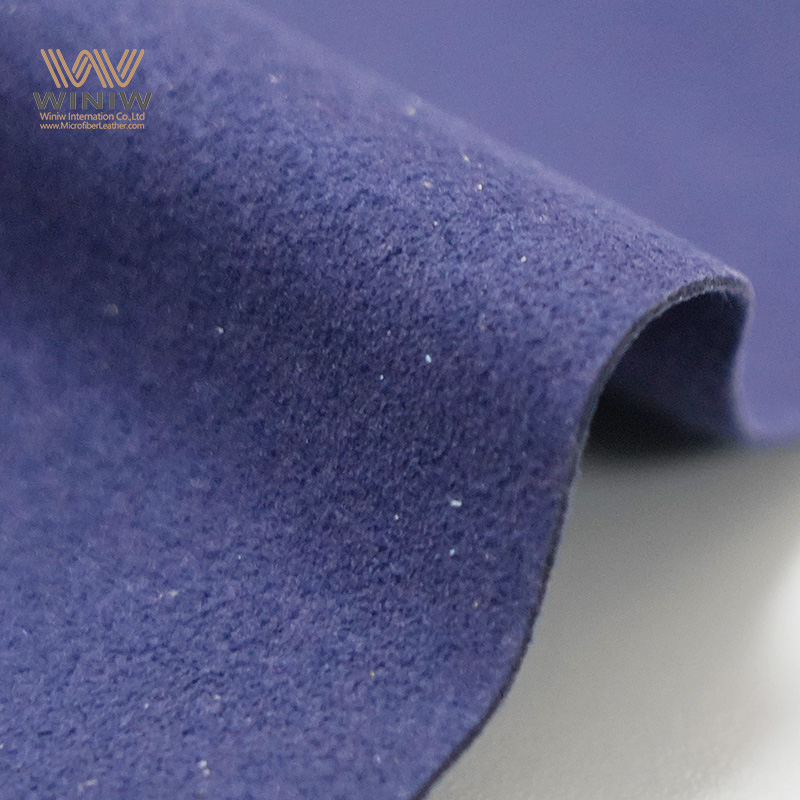
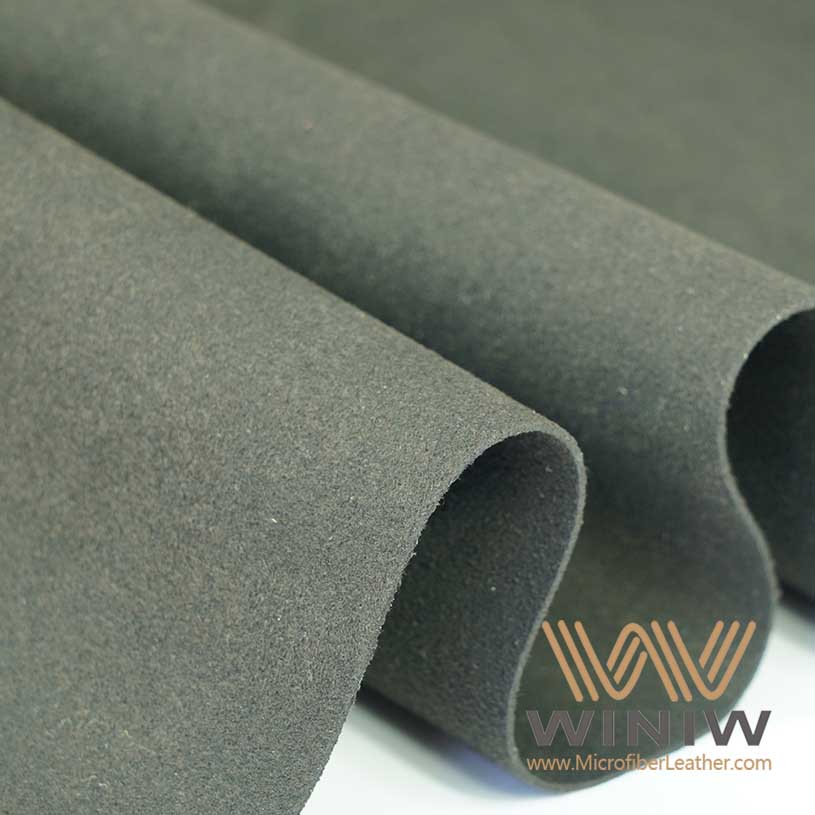
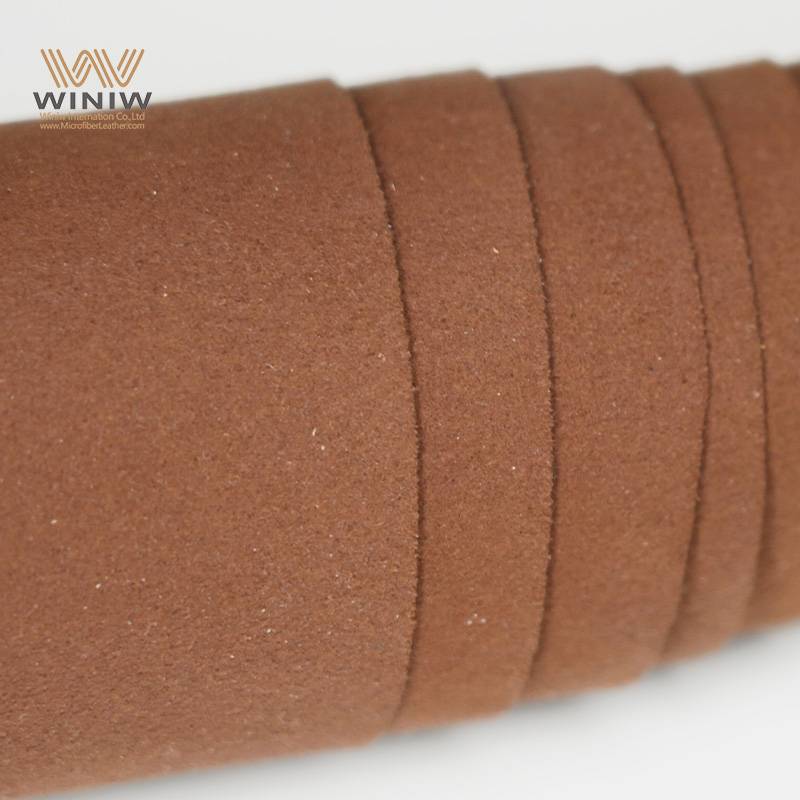
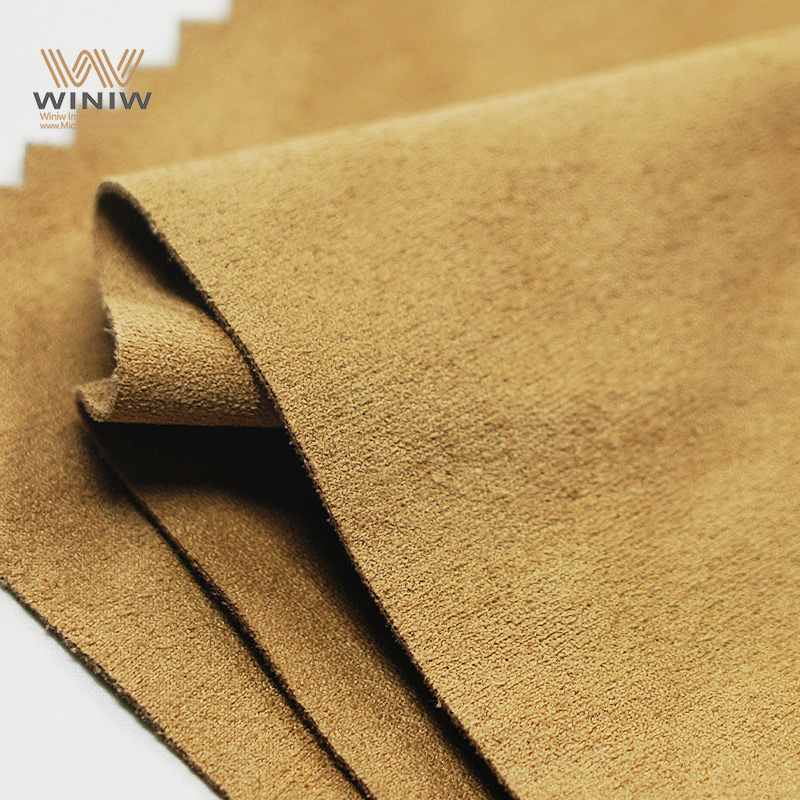
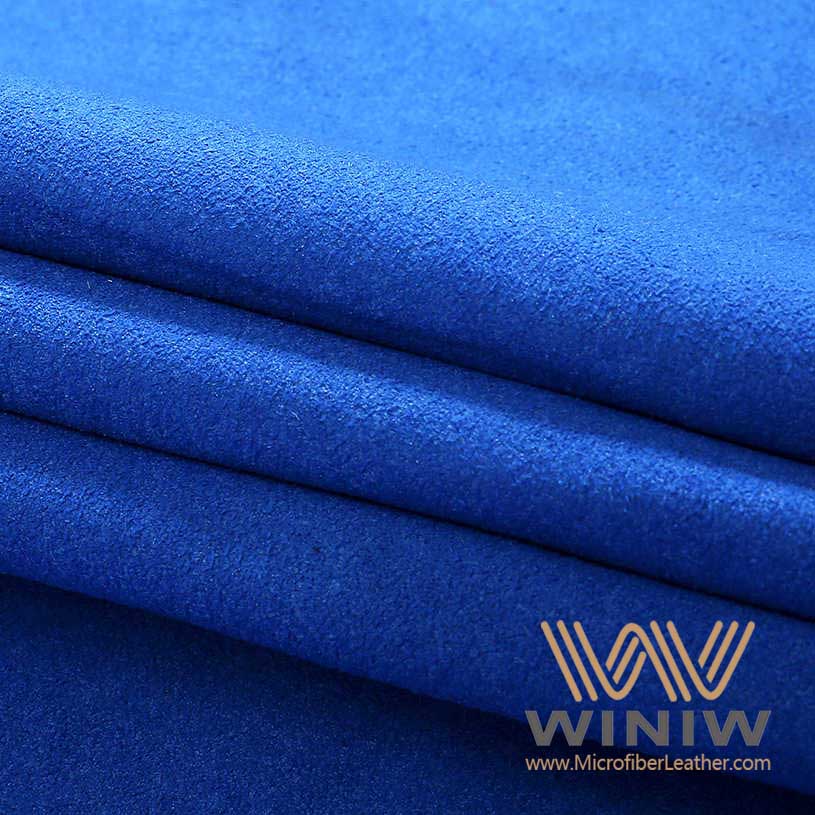
You can master sewing microsuede with the right approach. Synthetic microsuede, much like vegan leather, brings durability and style to your projects.
The microsuede market is projected to reach USD 1.85 billion by 2033, showing its popularity. Sewing experts recommend a microtex needle and slow stitching for best results.
Sewing Microsuede Fabric Made Easy
Use a microtex needle and slow stitching for the best results when sewing microsuede.
Store microsuede in a cool, dry place to prevent moisture damage and maintain its quality.
Choose 100% polyester thread for strength and flexibility, and change your needle regularly to avoid skipped stitches.
Sewing Microsuede: Essential Tips
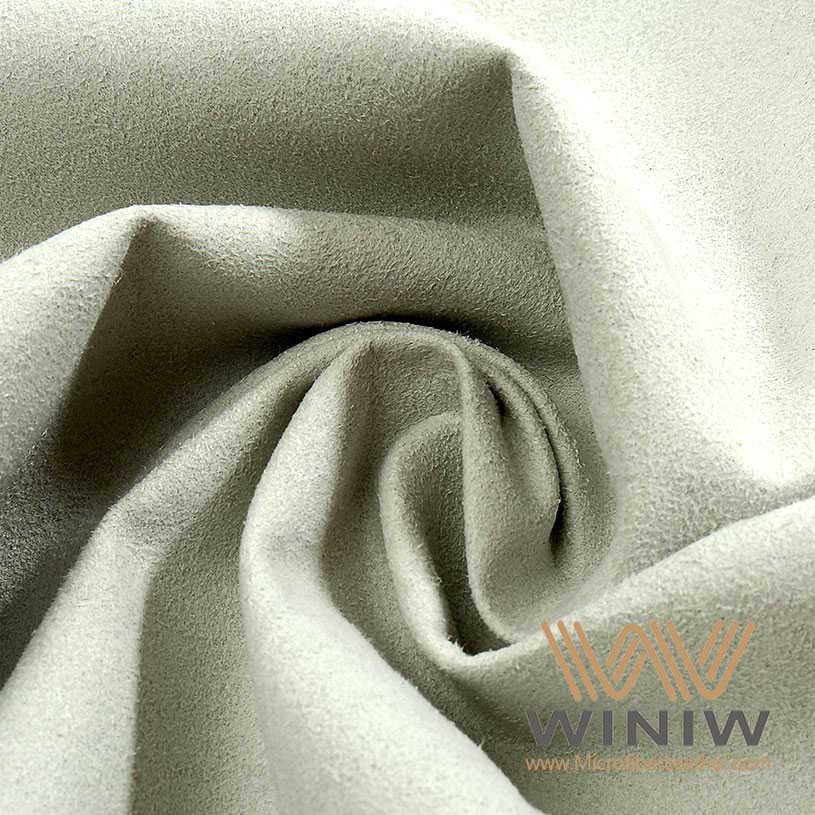
Understanding Synthetic Microsuede
You will notice that synthetic microsuede closely resembles vegan leather and faux suede in both appearance and texture. This fabric offers a soft, luxurious feel while providing impressive durability. When you compare synthetic microsuede to natural suede, you find important differences in their environmental impact:
Synthetic microsuede comes from petroleum-based products, which require significant energy and resources, leading to pollution and waste.
Natural suede production relies on animal agriculture, which increases greenhouse gas emissions and water pollution.
The tanning process for natural suede often uses chromium, a heavy metal that can contaminate soil and water.
Livestock farming for natural suede demands large amounts of land and water.
Synthetic microsuede provides a cruelty-free alternative with a consistent finish, making it a popular choice for upholstery and fashion.
Preparing and Cutting Micro Suede
Before you start sewing microsuede, you must prepare your fabric carefully. Store micro suede in a cool, dry place to prevent moisture absorption. High humidity can make micro suede damp and heavy, causing fibers to swell and even develop mold. Low humidity can dry out the fabric, making it brittle and less flexible. Always use sharp scissors or a rotary cutter for clean edges. Lay out your micro suede on a flat surface and use pattern weights instead of pins to avoid leaving marks.
Tip: Mark your fabric with tailor’s chalk or a disappearing ink pen for best results.
Handling and Hemming Techniques
When you handle micro suede, keep the fabric taut as you sew to prevent puckering. Fold edges neatly before hemming to achieve a professional finish. You can choose from several edge finishes to increase the longevity of your projects:
Edge Finish Type | Impact on Durability | Additional Notes |
|---|---|---|
Lockstitched Edges | Generally more durable, withstands frequent use | Ideal for high-use environments like commercial cleaning |
Overlocked Edges | Less durable than lockstitched, prone to fraying | May reduce lifespan in aggressive cleaning scenarios |
Edgeless Designs | Least likely to unravel, offers good longevity | Reduces risk of damage to delicate surfaces |
For garments or accessories, lockstitched edges work best. If you want a seamless look, try edgeless designs, which also reduce the risk of unraveling. These techniques help you achieve strong, attractive seams when sewing microsuede or faux suede.
Sewing Tips, Tools, and Troubleshooting
Choosing Needles and Thread for Micro Suede
Selecting the right needle and thread ensures smooth sewing when working with micro suede. You should always match the needle type and size to the weight and density of your fabric. For most micro suede projects, a size 9 microtex needle works well for lightweight fabrics, while a denim or leather needle in size 90/14 or 100/16 handles thicker layers. These specialty needles pierce dense fibers cleanly, reducing skipped stitches and fabric damage.
When choosing thread, opt for 100% polyester, all-purpose thread. This thread offers strength and flexibility, making it ideal for garment construction and accessories. Avoid rayon, silk, and quilting threads, as they may break or fail to hold seams securely. Always change your needle after 6-8 hours of sewing to maintain sharpness and prevent skipped stitches.
Tip: Universal needles suit natural fibers, but micro suede and faux suede require sharp or specialty needles for best results.
Machine Settings and Stitch Types
Proper machine settings play a crucial role in sewing micro suede. Adjust your sewing machine to the largest stitch size, usually between 3.0 and 4.0 mm. This setting helps prevent fabric perforation and puckering. Use a straight stitch foot for better control and even feeding.
You can use both straight and zigzag stitches when sewing micro suede. Straight stitches work well for seams, while zigzag stitches reinforce edges and prevent fraying. For thicker micro suede or faux suede, adjust the presser foot pressure to reduce skipped stitches. Make sure the upper thread tension is balanced; improper tension can cause uneven stitches or thread breakage.
Common machine settings for micro suede include:
Lowering presser foot pressure for thick fabrics
Using a thicker thread (size 30) for durability
Ensuring correct upper thread tension
Note: These settings also apply when sewing vegan leather, as both materials share similar structure and density.
Fixing Common Sewing Issues
Even with the best preparation, you may encounter issues like skipped stitches or fraying seams when sewing microsuede. Skipped stitches often occur if the needle fails to catch the bobbin thread. To address this, use a sharp, properly sized needle and ensure it is not bent or dull. Insert the needle with the flat side facing the correct direction and fully seated in the sewing machine. Re-thread both the upper and bobbin threads, making sure they are correctly placed.
For seam finishing, micro suede benefits from several techniques that prevent unraveling and extend the life of your projects. Consider these options:
Pinked edges: Use pinking shears to create a zigzag edge that resists fraying.
Zigzag stitch: Sew along the raw edge to catch loose threads and reinforce the seam.
French seam: Enclose the raw edge for a clean, professional finish, especially on lightweight micro suede.
Bias tape binding: Encases the edge, adding strength and a decorative touch.
Hong Kong finish: Use bias strips for a refined look on tailored garments.
Overcast stitch: Mimics a serger finish and works well for most micro suede projects.
Turn and stitch: Tuck the raw edge under and sew for a quick, neat finish.
Serged edge: Provides a clean finish in one pass if you have access to a serger.
Pro Tip: Always test your seam finish on a scrap piece of micro suede before sewing your final project.
When pressing micro suede, use a low heat setting and a pressing cloth to avoid melting or crushing the fibers. Never press directly on the fabric surface. These sewing tips help you achieve professional results and extend the life of your micro suede and faux suede creations.
You can achieve excellent results with microsuede by using a heavy-duty needle, a walking or non-stick foot, and finishing seams neatly. Practice different stitching techniques and use the right tools, such as a needle threader, to build your confidence. Start your next project—microsuede sewing is within your reach!
FAQ
Can you use micro suede for home-decor projects?
You can use micro suede for home-decor projects. This fabric offers durability and a soft texture, making it ideal for pillows, curtains, and upholstery.
What is the difference between micro suede and faux suede?
Micro suede uses fine synthetic fibers for a smooth finish. Faux suede mimics natural suede but may have a slightly different texture. Both fabrics resist stains and work well for sewing.
How do you prevent puckering when sewing faux suede and micro suede?
You should hold the fabric taut and use the correct needle. Adjust your machine settings for faux suede and micro suede to achieve smooth, professional seams.
