

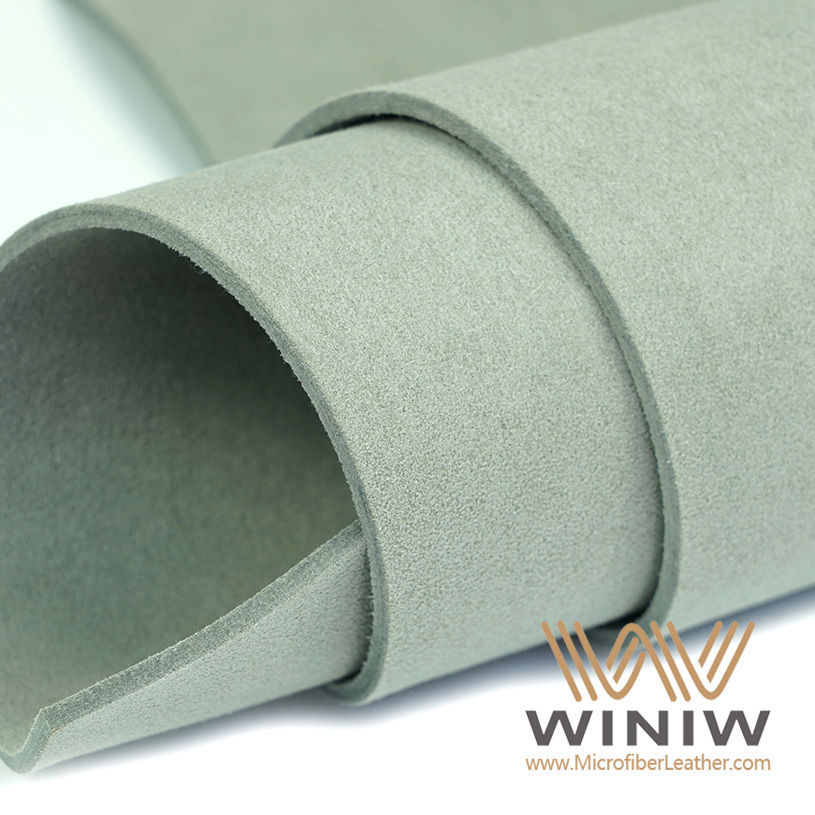
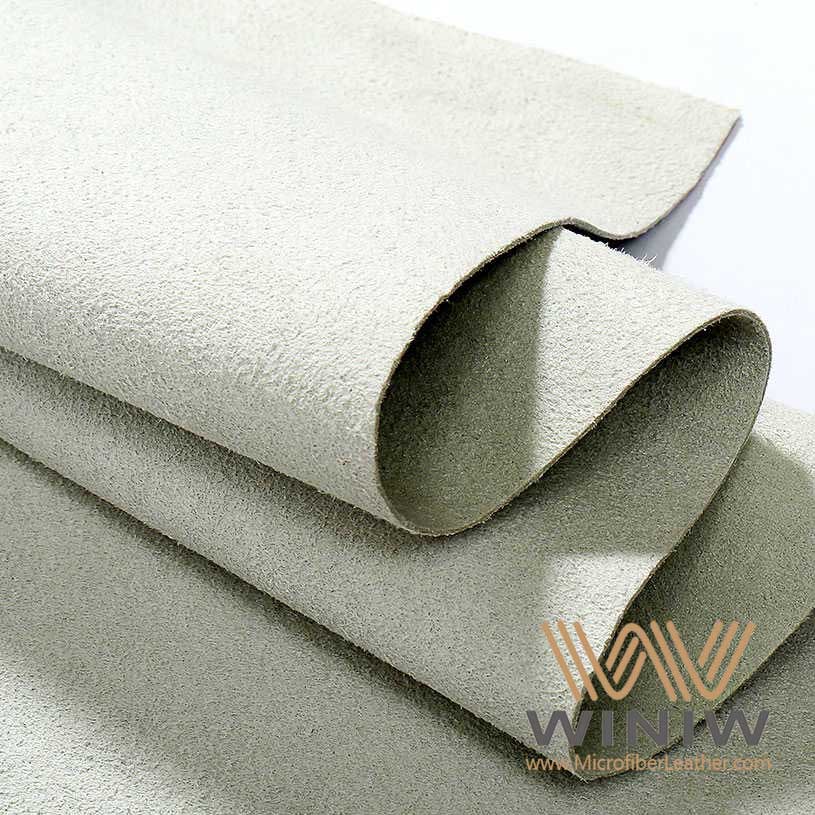
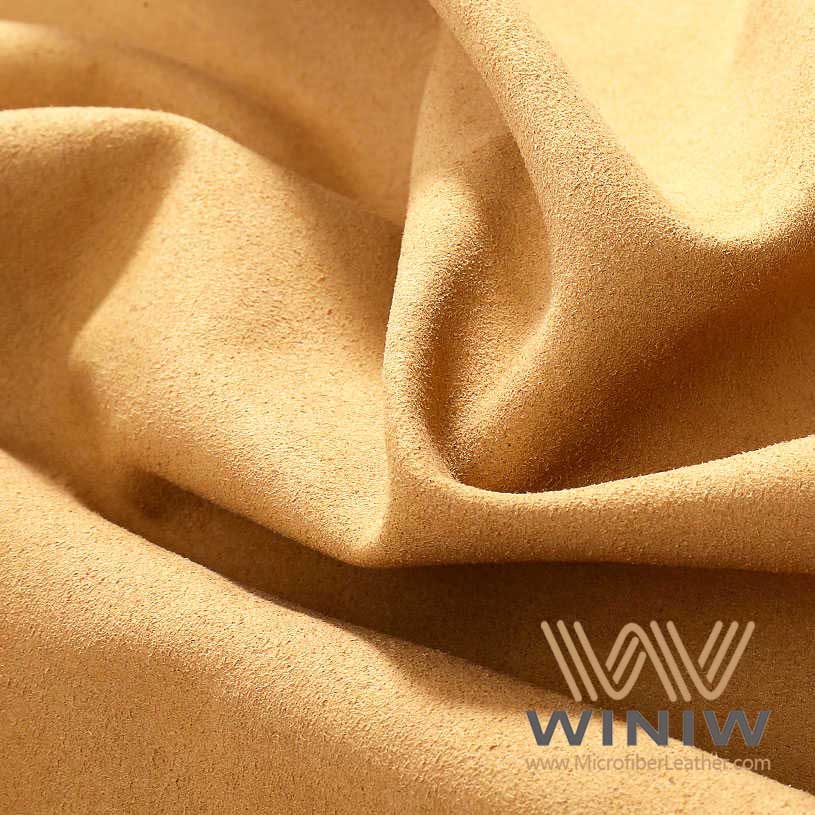
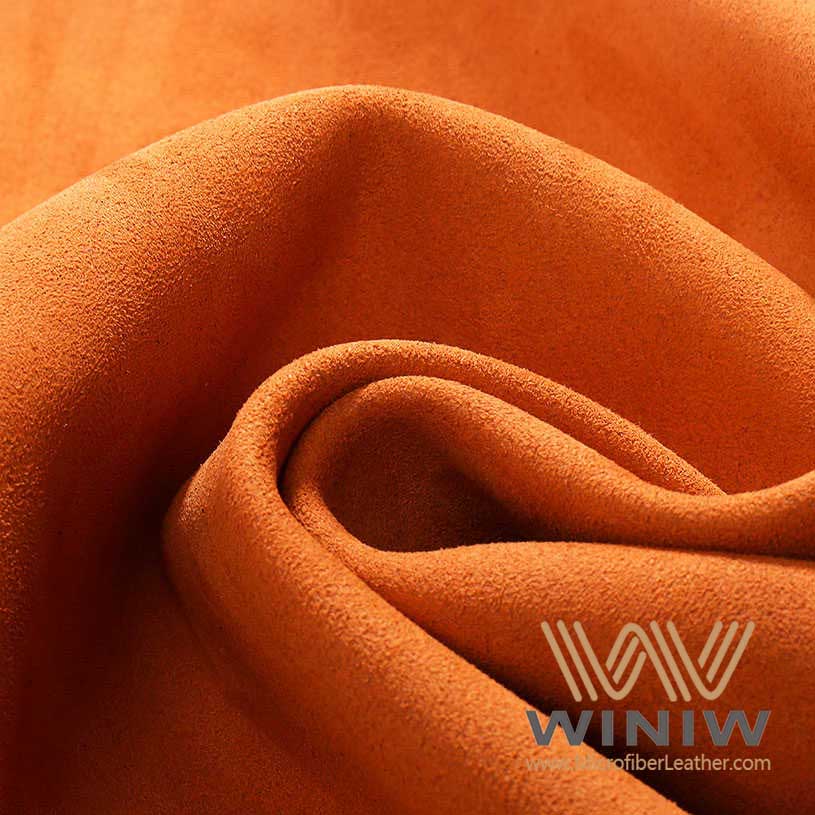

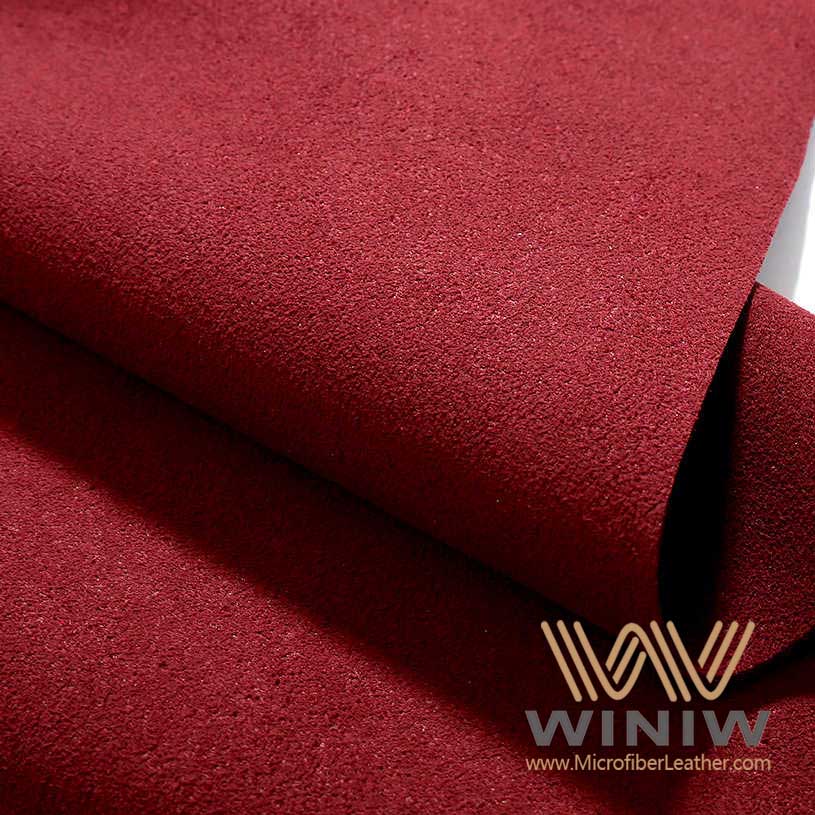
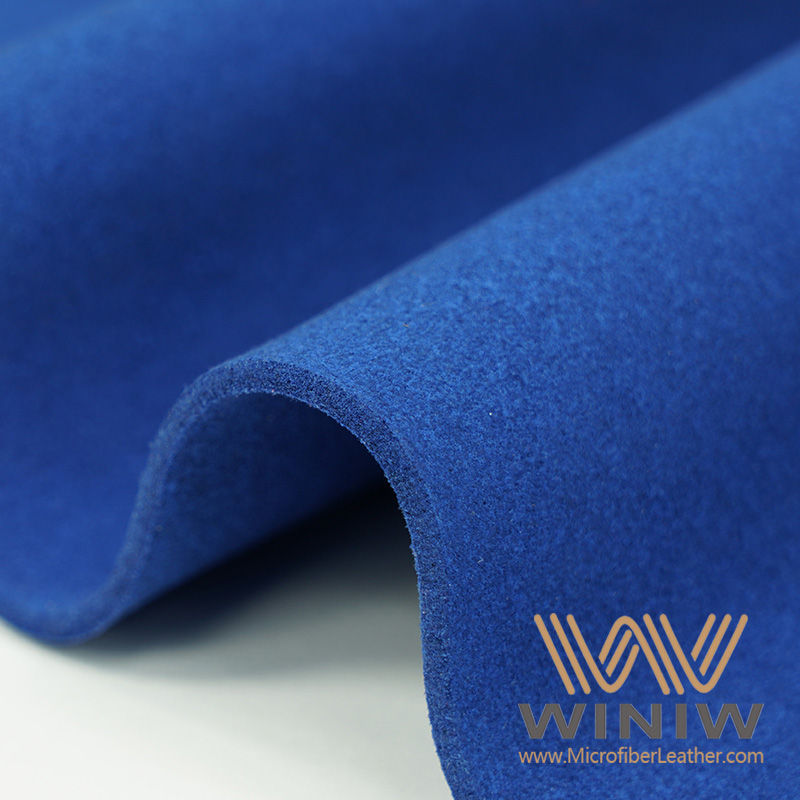
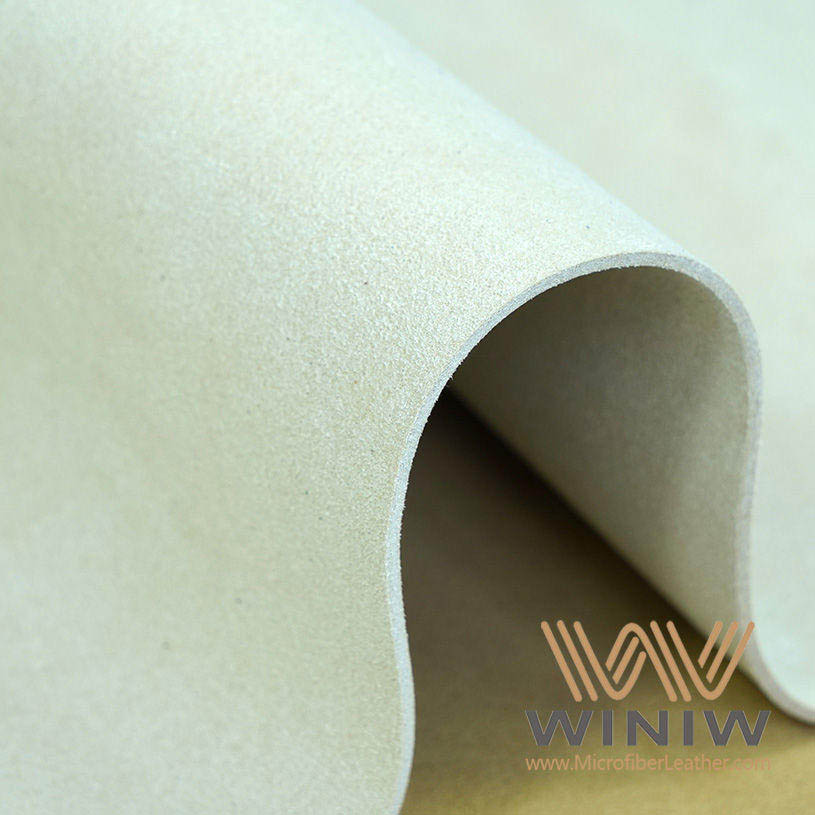
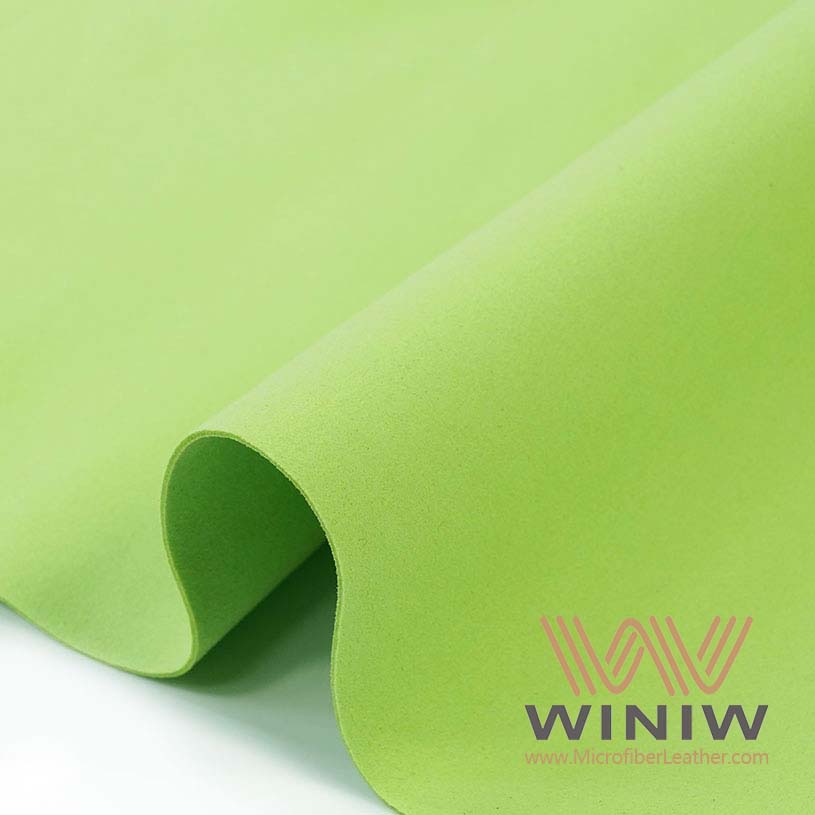
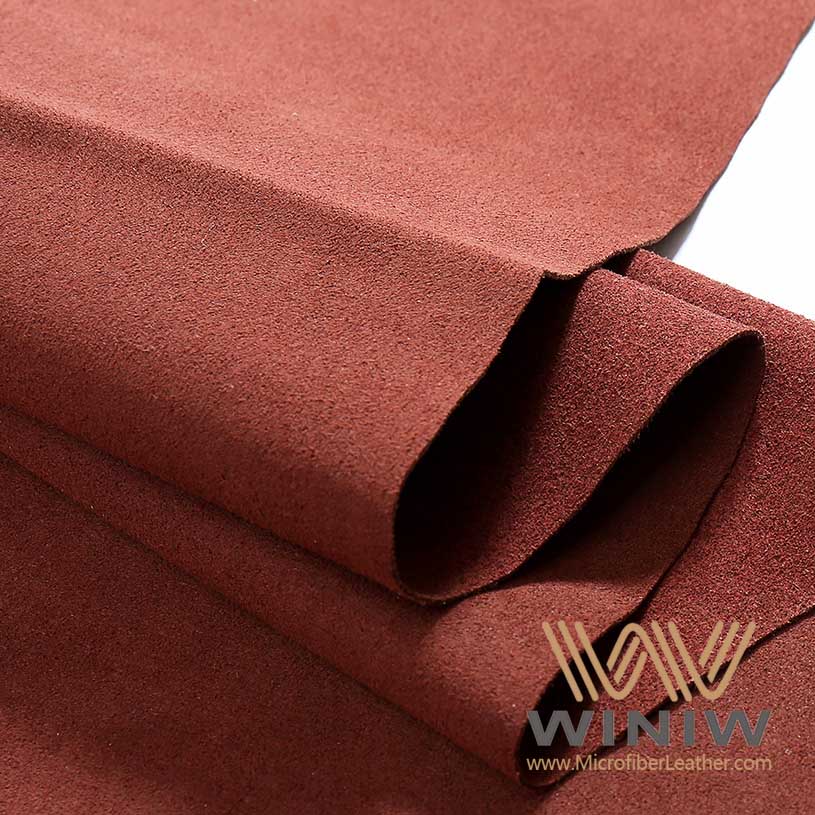
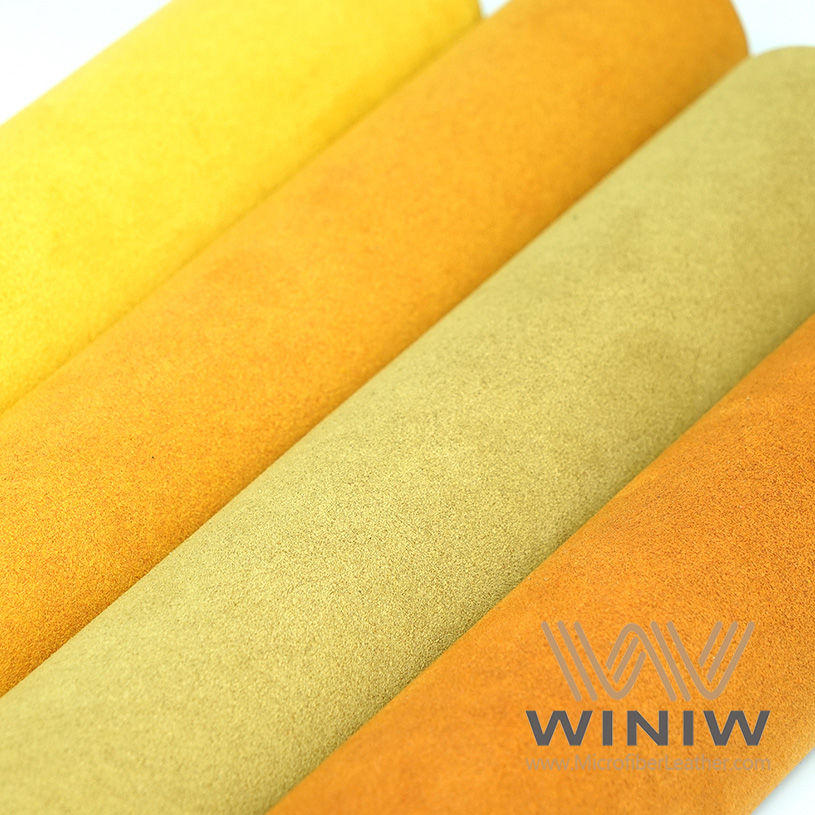
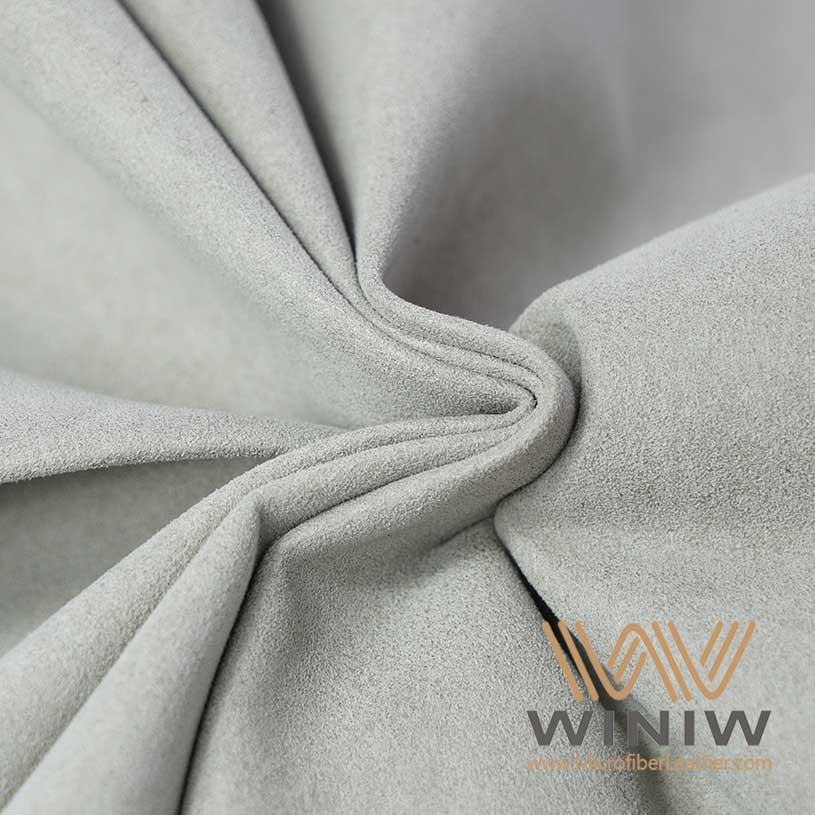
You see faux microsuede in modern decor because it offers a soft, suede-like texture without using animal products. This vegan, synthetic fabric mimics real suede and attracts attention for its ethical appeal and affordability.
Suede finishes represent 46% of the volume in 2024, showing strong market growth.
Designers and consumers value its durability and luxurious look.
Key Takeaways
Faux microsuede offers a soft, luxurious feel without using animal products, making it a great choice for ethical home decor.
This fabric is durable and stain-resistant, allowing for easy maintenance—perfect for families with children or pets.
Faux microsuede comes in a variety of colors and styles, providing versatility for different decor themes while being budget-friendly.
What Is Faux Microsuede Fabric?
Composition and Feel
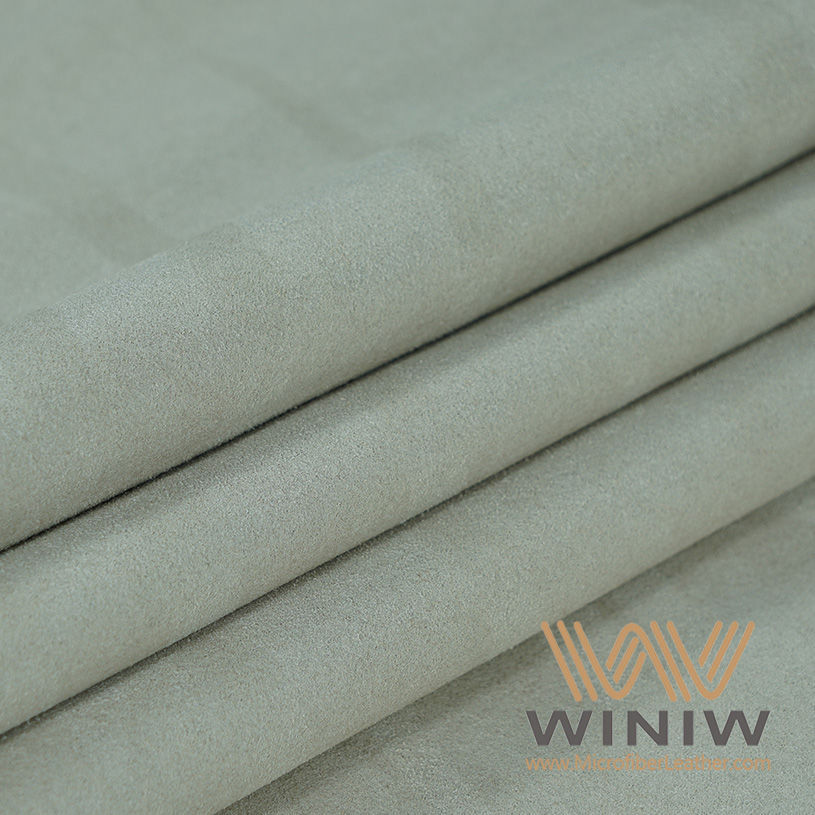
You encounter faux microsuede fabric as a soft, plush material that closely resembles natural suede. Manufacturers create this fabric using synthetic fibers, which gives it a smooth, velvety surface. Most faux microsuede fabric contains a blend of polyester and polyurethane. The following table shows the typical fiber composition:
Fiber Type | Composition |
|---|---|
Polyester | 80% |
Polyurethane | 20% |
You may also find other fibers like nylon and acrylic in some blends. These fibers work together to produce a fabric that feels gentle to the touch and drapes well over furniture. When you run your hand across faux microsuede fabric, you notice a subtle nap and a consistent texture. This makes it a popular choice for upholstery and decorative accents.
Faux Microsuede vs. Real Suede
You might wonder how faux microsuede fabric compares to real suede. Real suede comes from the underside of animal hides, which gives it a natural, breathable quality. Faux microsuede fabric, also called synthetic suede, uses man-made fibers to mimic the look and feel of genuine suede. The manufacturing process for faux microsuede fabric involves weaving or knitting fine synthetic fibers and then brushing the surface to create a soft, suede-like finish.
Faux microsuede fabric offers several advantages over real suede. You benefit from its lower cost and easier cleaning. Real suede can stain easily and often requires special treatments to resist water. Faux microsuede fabric, on the other hand, resists stains and repels water, making it more practical for busy households. Natural suede may crack or discolor over time, while faux microsuede fabric ages more evenly and maintains its appearance longer.
However, you should know that faux microsuede fabric does not breathe as well as real suede. Laboratory tests show that real suede allows air to pass through, which helps regulate temperature and moisture. Faux microsuede fabric can feel less breathable and sometimes has a slightly plasticky feel. The table below highlights these differences:
Material | Breathability | Moisture-Wicking |
|---|---|---|
Real Suede | Naturally breathable | Sensitive to moisture |
Faux Microsuede | Less breathable | Can feel plasticky |
Key Features and Performance
You choose faux microsuede fabric for its impressive performance in home decor. This material stands out for its durability and resistance to everyday wear. Many consumers appreciate how faux microsuede fabric resists stains and requires minimal maintenance. You can often clean spills with just a damp cloth, which makes it ideal for families with children or pets.
Faux microsuede fabric supports ethical and vegan lifestyles because it contains no animal products. You can find it in a wide range of colors, allowing you to match any decor style. The fabric also resists static, so it does not cling or attract lint easily. When you use faux microsuede fabric in your home, you add warmth and a cozy, luxurious feel to your living space.
Tip: If you want a cost-effective, animal-friendly alternative to real suede, faux microsuede fabric offers the look and comfort you desire with less maintenance.
You may notice that faux microsuede fabric sometimes lacks the breathability of natural suede and can develop wear patterns over time. Still, its affordability, easy care, and design versatility make it a favorite for upholstery, pillows, and other decorative projects.
Faux Microsuede: Pros & Cons
Durability and Stain Resistance
You want your furniture to last and look good with minimal effort. Faux microsuede stands out for its impressive durability and easy maintenance. The fine synthetic fibers create a strong surface that resists everyday wear. You can clean most spills with a damp cloth, which makes this fabric a practical choice for busy homes.
Advanced stain resistance treatments bond well to the large surface area of the fine fibers.
The non-absorbent synthetic composition helps the fabric resist stains better than natural fibers.
You will notice that faux microsuede holds up well against pet hair, crumbs, and dirt.
Many homeowners choose this material for sofas and chairs because it keeps its appearance even with frequent use. You do not need special cleaners or complicated routines. This makes faux microsuede a favorite for families and anyone who values convenience.
Tip: For best results, blot spills quickly and avoid harsh scrubbing to maintain the fabric’s texture.
Ethical and Environmental Benefits
You may care about the impact of your choices on animals and the planet. Faux microsuede offers a vegan alternative to traditional suede, which appeals to those who want cruelty-free options in their interior spaces.
Faux microsuede does not use animal products, making it a more ethical choice.
Many consumers prefer this fabric because it supports cruelty-free living.
Traditional suede raises concerns about animal welfare due to the use of animal hides.
When you look at the environmental side, you see both positives and challenges. Faux microsuede is made from synthetic fibers like nylon or polyester. These materials are not always eco-friendly, but new versions called eco-suede use recycled or plant-based plastics. Eco-suede requires less energy to produce and creates fewer carbon emissions than virgin plastics. Natural suede is durable, which helps with sustainability, but its production involves ethical issues related to animal treatment.
Note: If you want to reduce your environmental footprint, look for faux microsuede labeled as recycled or eco-suede.
Limitations and Considerations
You should also know the limitations before choosing faux microsuede for your decor. While this fabric offers many advantages, it is not perfect.
Faux microsuede can pill over time, especially in high-traffic areas.
The material may feel less breathable than natural suede, which can affect comfort in warm climates.
Some users notice a slightly plasticky feel, though microfiber versions improve air circulation and reduce stickiness.
Faux microsuede is not biodegradable, so it may not suit those seeking zero-waste options.
The breathability of microfiber faux leather is better than older synthetic materials. You will find that it helps reduce sweat and stickiness during long periods of use. Real leather still offers excellent breathability, but microfiber comes close and often wicks moisture more effectively.
You can enjoy the benefits of faux microsuede if you balance your needs for comfort, style, and ethical values.
Applications of Faux Suede in Home Decor
Upholstery and Furniture Uses
You can find many applications of faux suede in interior decorating. Sofas, armchairs, ottomans, and headboards often feature micro-suede because it feels soft and looks elegant. You might also see it on dining chairs and benches. Pillows and cushion covers use this fabric for a cozy touch in your living room or bedroom.
Interior designers often caution against using synthetic materials like faux microsuede for high-traffic furniture. They point out that these fabrics may show wear, cracking, or peeling faster than natural fibers. For pieces that get heavy use, you might consider cotton, linen, or leather instead. Still, faux microsuede works well for accent chairs, decorative benches, or furniture in low-traffic areas.
Other Home Decor Applications
You can use faux suede for more than just upholstery. Many people choose it for window treatments, wall panels, and quilting trim. This fabric adds a soft, modern look to interiors. You might select micro-suede for decorative pillows, throws, or even lampshades. In the bedroom, faux suede headboards and bed frames create a luxurious atmosphere. These applications of faux suede let you experiment with texture and color in your decor.
Care and Maintenance Tips
Faux microsuede is easy to care for if you follow a few simple steps. Regular vacuuming with an upholstery brush keeps dust away. You should rotate cushions to distribute wear evenly. For spills, blot with a clean, white cloth—never rub. For oil stains, sprinkle cornstarch and let it sit overnight before brushing away. Use enzyme cleaners for food stains and rubbing alcohol for ink marks.

FAQ
How do you clean faux microsuede furniture?
You can vacuum regularly and blot spills with a damp cloth. For tough stains, use a mild soap solution. Always check the care label first.
Does faux microsuede fade in sunlight?
Faux microsuede can fade if exposed to direct sunlight for long periods. You should place your furniture away from windows or use curtains for protection.
Is faux microsuede safe for pets?
Yes, you can use faux microsuede in homes with pets. The fabric resists pet hair and claws better than many natural materials.