

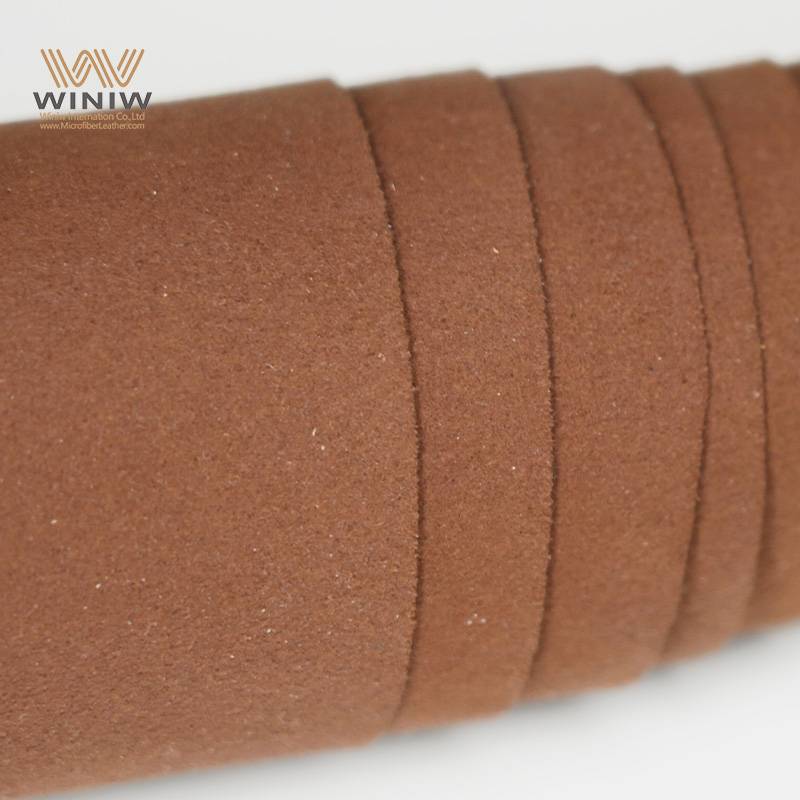
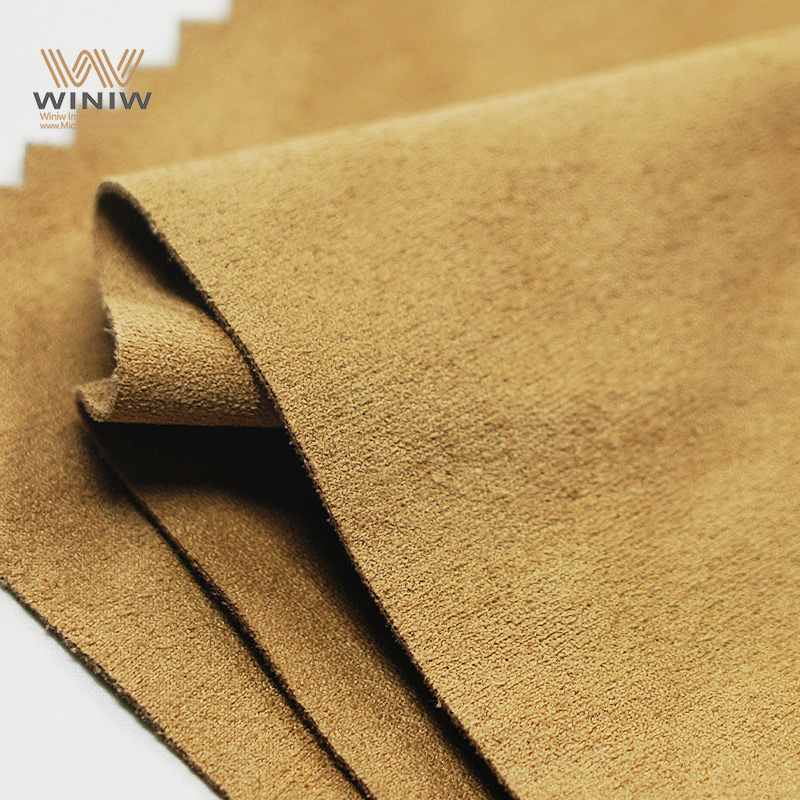
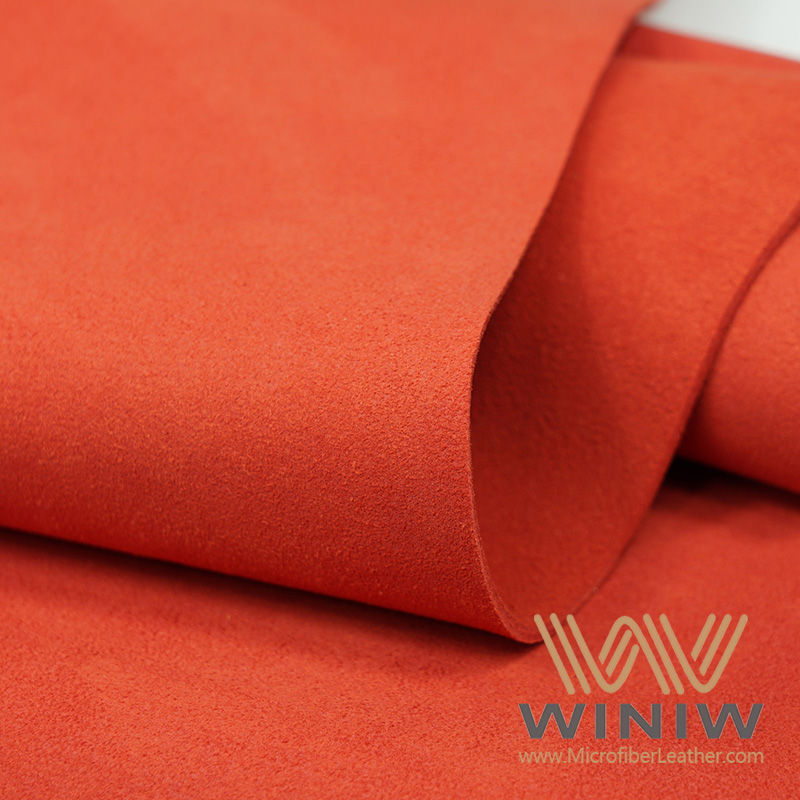
You encounter faux microsuede as a vegan-friendly fabric with a soft, smooth texture. This vegan material uses synthetic fibers like polyester and polyurethane. Textile industry sources highlight several key characteristics:
Characteristic | Microsuede | Other Faux Suede |
|---|---|---|
Fiber Production | Woven from synthetic fibers like polyester or polyamide | Varies, often includes different synthetic blends |
Texture | Smooth, soft, and even | Can vary in texture and softness |
Breathability | Less breathable due to a less porous surface | Generally more breathable |
Water Resistance | Water-repellent | Varies, may not be water-resistant |
You see strong market growth for faux microsuede:
The global faux suede fabric market is projected to nearly double from USD 2.5 billion in 2023 to USD 4.8 billion by 2032.
This rise shows a 7.2% annual growth rate.
A Simple Guide to Faux Microsuede and Its Making Process
Faux microsuede is a vegan-friendly fabric made from synthetic fibers like polyester, offering a soft and durable alternative to real suede.
This fabric is easy to clean and maintain, making it a practical choice for homes with pets or children.
Faux microsuede is affordable and versatile, available in various colors and textures, allowing you to match your style effortlessly.
What Is Faux Microsuede Fabric?
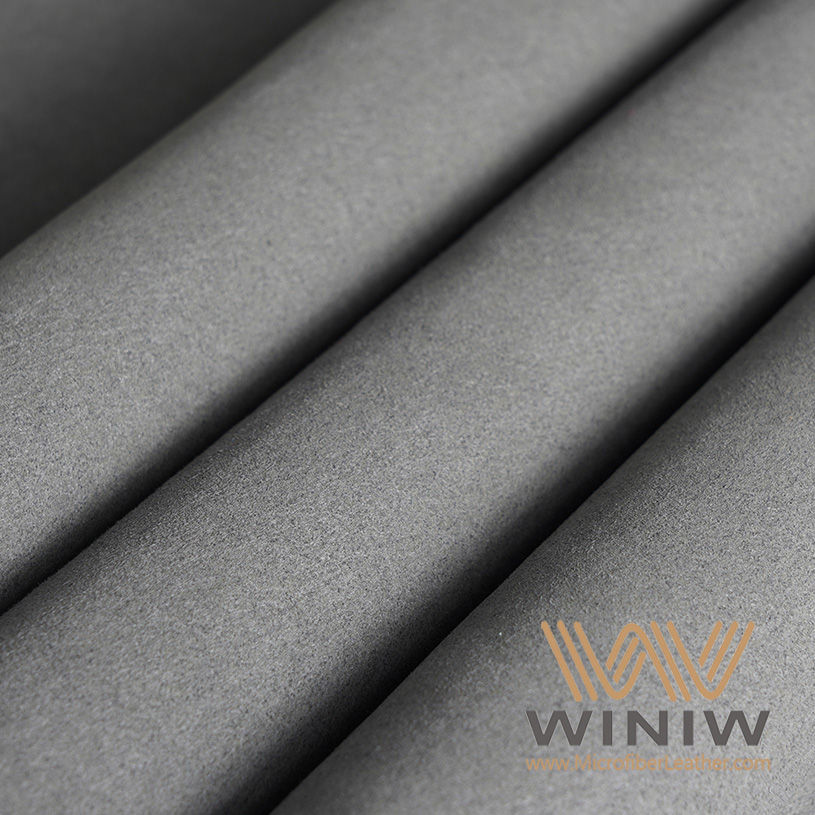
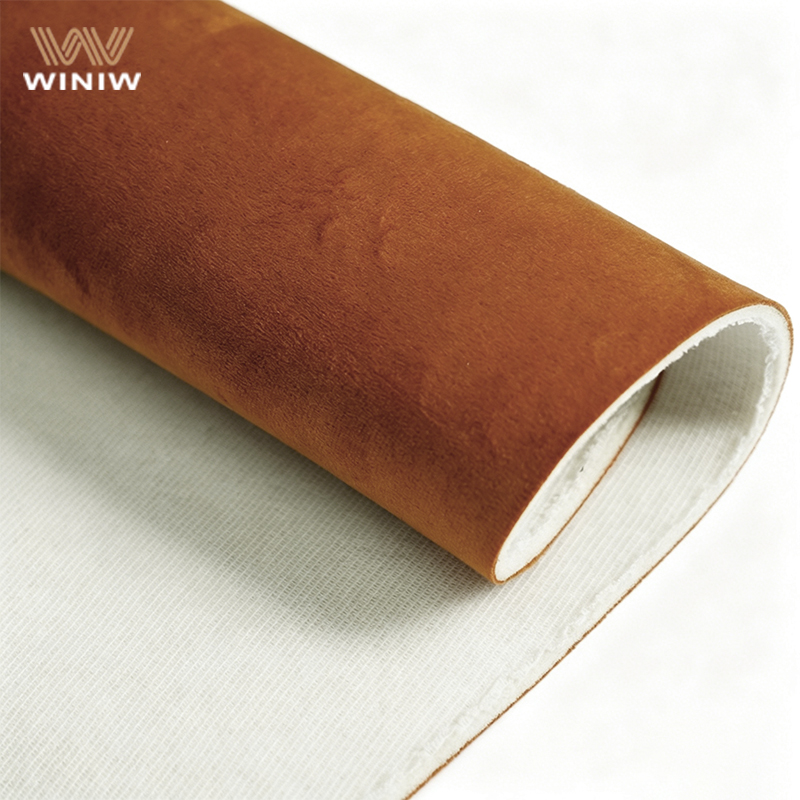
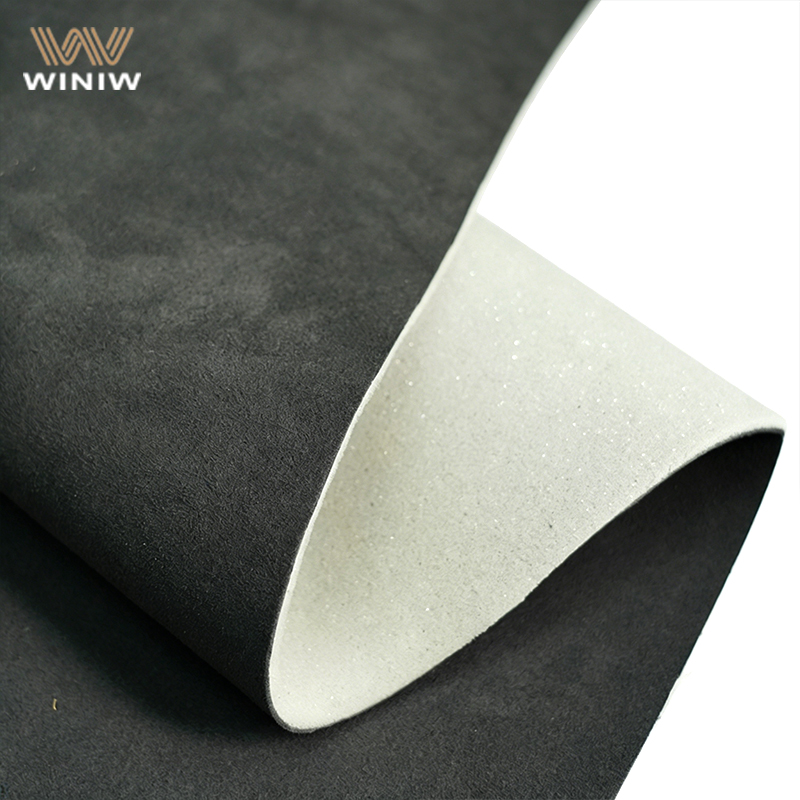
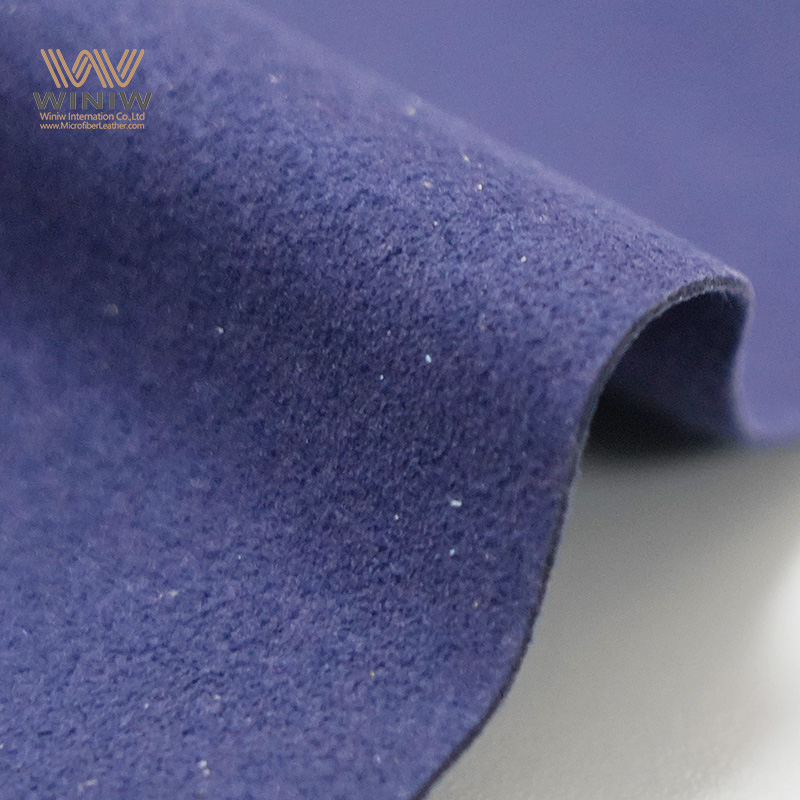
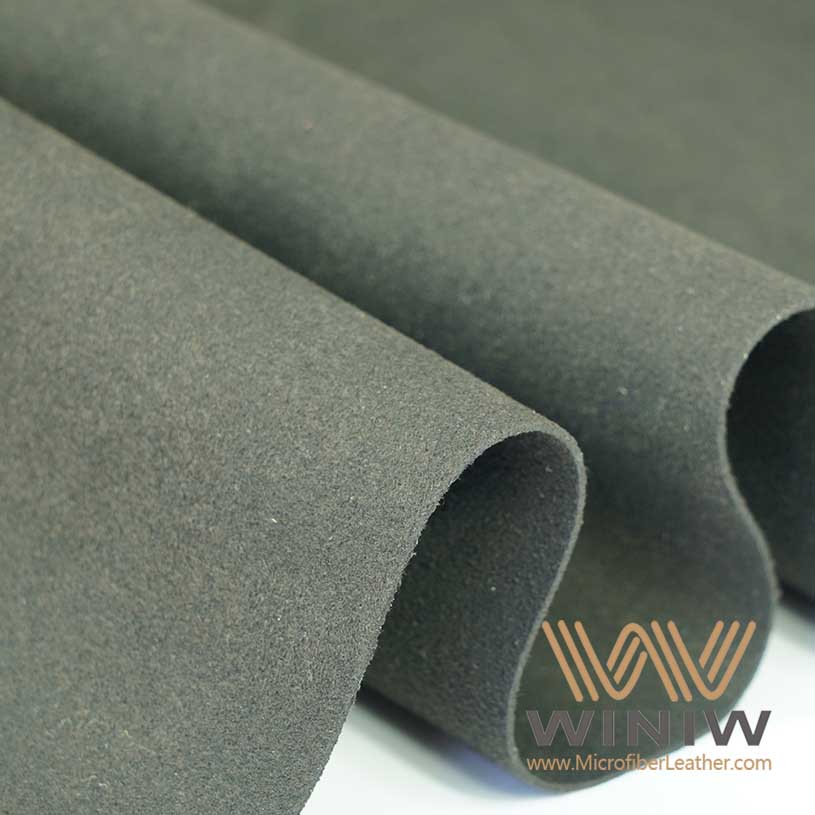
Faux microsuede fabric gives you a soft, suede-like feel without using animal products. You find this vegan textile in many homes and stores because it mimics the look and texture of real suede. The composition of faux suede relies on synthetic fibers, mainly polyester and polyurethane. You see these fibers woven or knitted together, then brushed to create a velvety nap. Faux microsuede fabric stands out for its durability, stain resistance, and versatility. You can use it for furniture, clothing, and accessories, making it a popular choice across industries.
Key Features of Faux Microsuede
When you explore faux microsuede fabric, you notice several features that make it a favorite for furniture and apparel. The table below highlights the main features and their descriptions:
Feature | Description |
|---|---|
Affordability | More affordable than genuine suede, making it accessible to a wider range of consumers. |
Versatility | Available in various colors, patterns, and textures, allowing for diverse design options. |
Durability | Generally more durable than suede, less prone to wear and tear. |
Ease of Care | Easier to clean and maintain compared to genuine suede. |
Eco-Friendly | Many faux products are made from sustainable materials, appealing to environmentally conscious consumers. |
Animal-Friendly | A vegan-friendly option, suitable for consumers concerned about animal welfare. |
You benefit from faux microsuede fabric because it offers an ethical alternative to animal leather. You find it in a wide range of colors and textures, which lets you match your style easily. Faux microsuede fabric costs less than real suede, so you save money. You also enjoy moisture and stain resistance, especially when the fabric receives proper treatment. Cleaning faux microsuede fabric is simple; you only need mild soap and water. If you are vegan or have allergies, faux microsuede fabric suits your needs.
Materials and Structure
You discover that faux microsuede fabric uses synthetic fibers like polyester or acrylic. These fibers are tightly woven, which gives the fabric strength and durability. A polyurethane binder attaches the microfibers to the base fabric. This process creates a soft, suede-like texture that feels smooth to the touch. The materials in faux microsuede fabric help it resist stains and make cleaning easier for you. The structure of faux microsuede fabric allows it to maintain its appearance over time, even with frequent use.
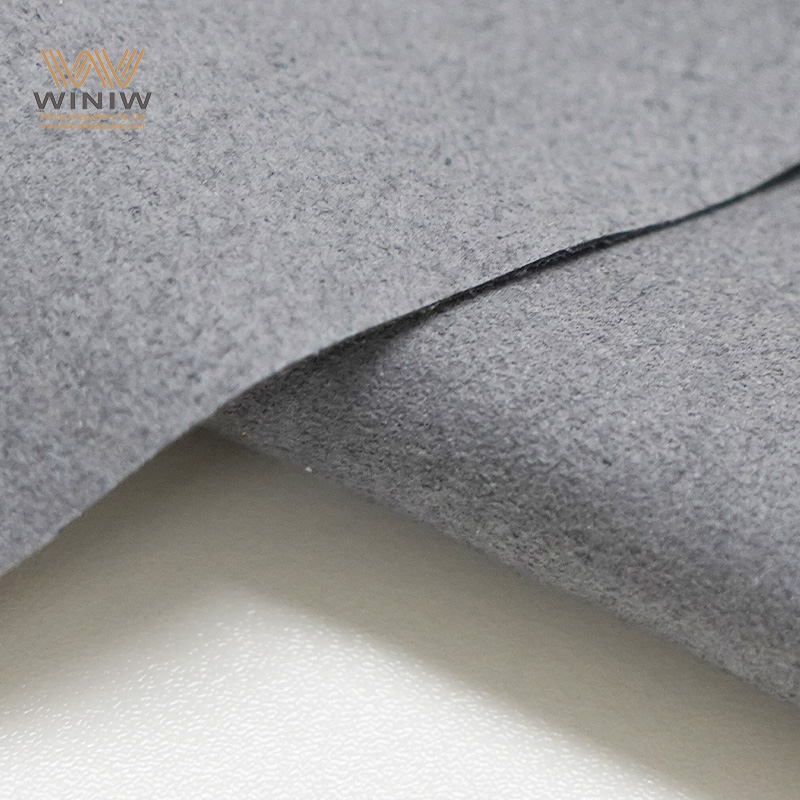
You notice that faux microsuede fabric stands out from other synthetic fabrics because of its unique nap and texture. The brushed surface gives you a velvety feel, similar to real suede. The composition of faux suede ensures that you get a vegan product that does not rely on animal sources. Faux microsuede fabric combines softness, durability, and easy care, making it a smart choice for your home or wardrobe.
Tip: When you choose faux microsuede fabric, you get a stylish, practical, and animal-friendly option for furniture and clothing.
How Faux Microsuede Is Made
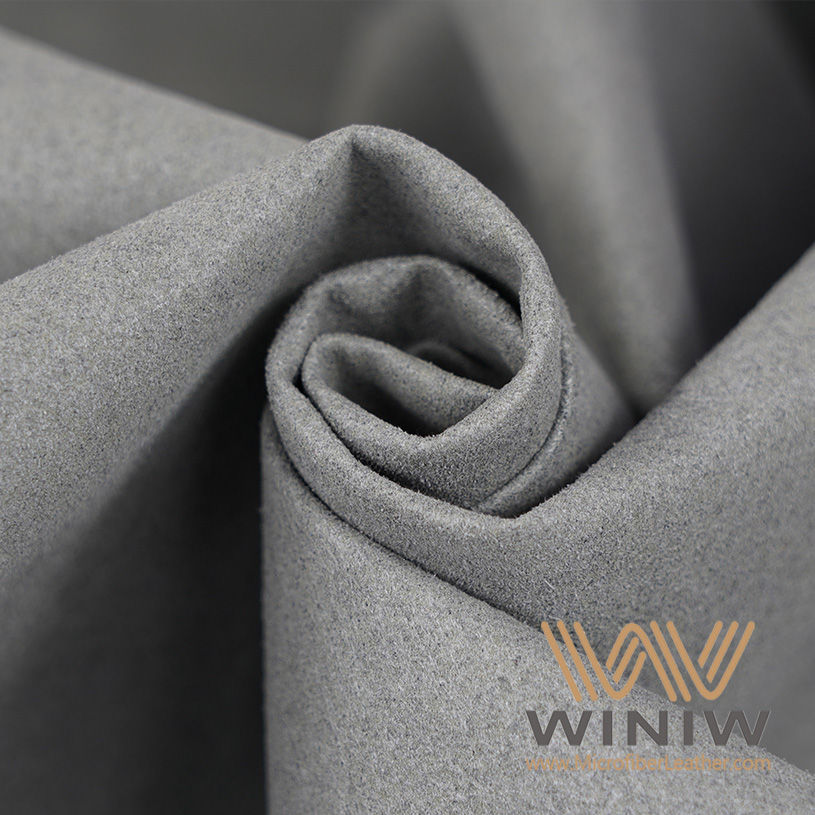
Manufacturing Methods
You encounter several manufacturing methods when you explore how faux microsuede is made. Factories use woven, knitted, and nonwoven techniques to create this versatile fabric. Each method affects the final product’s texture and durability.
Woven microsuede uses tightly interlaced synthetic fibers. You notice that this method produces a strong, uniform fabric. The weaving process helps maintain the fabric’s shape and gives you a consistent texture.
Knitted microsuede relies on looping fibers together. You find this method creates a softer, stretchier fabric. Knitted microsuede often feels more flexible, which suits clothing and accessories.
Nonwoven microsuede skips traditional weaving or knitting. Manufacturers bond fibers together using heat, chemicals, or mechanical pressure. You see nonwoven microsuede in products that need extra durability or water resistance.
Factories select the method based on the intended use. Furniture makers often choose woven microsuede for its strength. Clothing designers prefer knitted microsuede for comfort. Nonwoven microsuede works well for items exposed to moisture or heavy wear.
Note: Innovations in faux microsuede manufacturing now include environmentally friendly materials like recyclable polyester fibers and bio-based fibers. You benefit from improved production processes that reduce energy use and emissions. These advances enhance the texture, durability, and functionality of microsuede.
Microfiber and Polyurethane Binder
You discover that microfiber polyester plays a crucial role in creating the soft texture of faux microsuede. Manufacturers use densely packed small tufted fibers to mimic the luxurious feel of genuine suede. This design gives you the signature texture that sets microsuede apart from other fabrics. Microfiber polyester not only replicates the softness of real suede but also offers advantages in affordability and durability. You enjoy a fabric that feels gentle against your skin and stands up to daily use.
The polyurethane binder is another key component in faux microsuede production. You see it used to bond microfibers, which enhances the fabric’s durability and structure. The impregnation process locks the fibers in place, giving you a strong and resilient material. Polyurethane also imparts water resistance and stain repellency, making microsuede suitable for furniture, clothing, and accessories.
Faux Microsuede vs. Real Suede
Material Differences
You notice a clear difference between suede and faux suede when you compare their materials. Faux microsuede is a synthetic alternative to real suede, made from refined plastic and treated with chemicals for water resistance. Real suede comes from animal hides and offers a natural, breathable texture. The table below highlights the main differences:
Feature | Faux Microsuede | Real Suede |
|---|---|---|
Composition | Refined plastic, chemical treatment | Animal hides |
Water Resistance | Water-repellent, withstands weather | Not water-resistant, stains easily |
Texture | Softness, luxurious, even texture | Softness, expensive, natural feel |
Breathability | Less breathable, smooth surface | Good breathability |
Maintenance | Easy to clean, shrink-resistant, washable | Needs special care |
Faux suede and microsuede offer a cruelty-free alternative and animal-friendly style. You get a vegan option that avoids animal products. Real suede provides a signature feel, but faux microsuede gives you consistent softness and durability.
Care and Maintenance
You find faux microsuede and faux suede much easier to maintain than real suede. For faux microsuede, you can blot spills quickly and use enzyme-based detergents for protein stains. Regular brushing keeps the nap fresh. Air dry in a ventilated area and avoid direct sunlight. For real suede, you need to vacuum with a soft brush and use a suede eraser for stains. Water can damage real suede, so you must avoid it during cleaning. Microsuede resists shrinking and is often machine washable, while real suede may require professional cleaning.
Tip: Always test cleaning solutions on a hidden spot first to protect your suede-like fabric.
Pros and Cons
You see many advantages and disadvantages when you compare faux microsuede, faux suede, and real suede.
Faux microsuede stands out for its high durability and resistance to stains. You benefit from easy cleaning and a soft hand-feel. Real suede offers a luxurious look and long lifespan but needs careful maintenance. Faux suede and synthetic suede provide a cruelty-free alternative, but you should consider environmental benefits and sustainability.
Common Uses
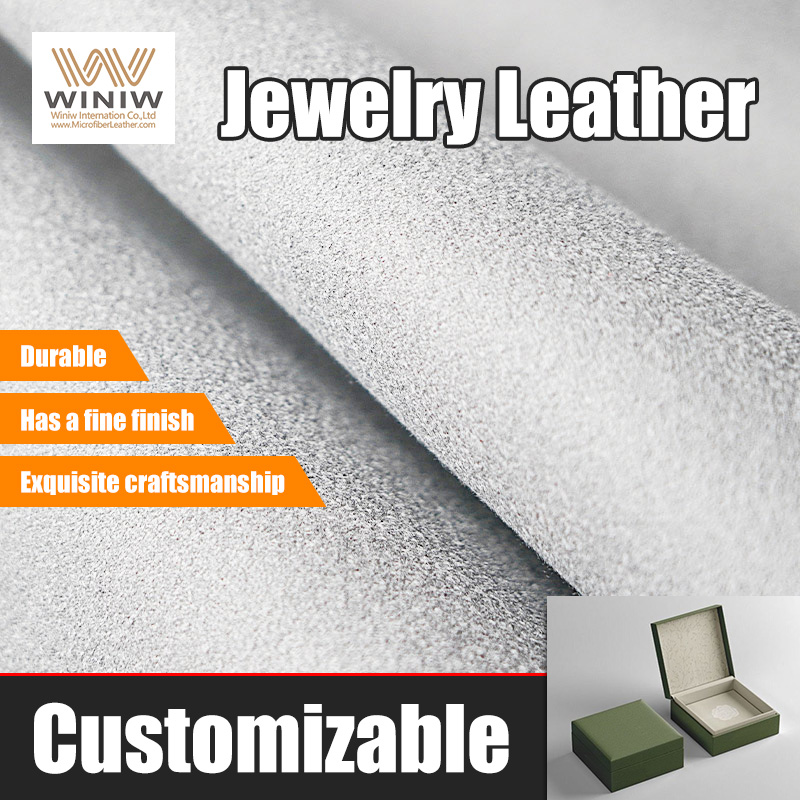
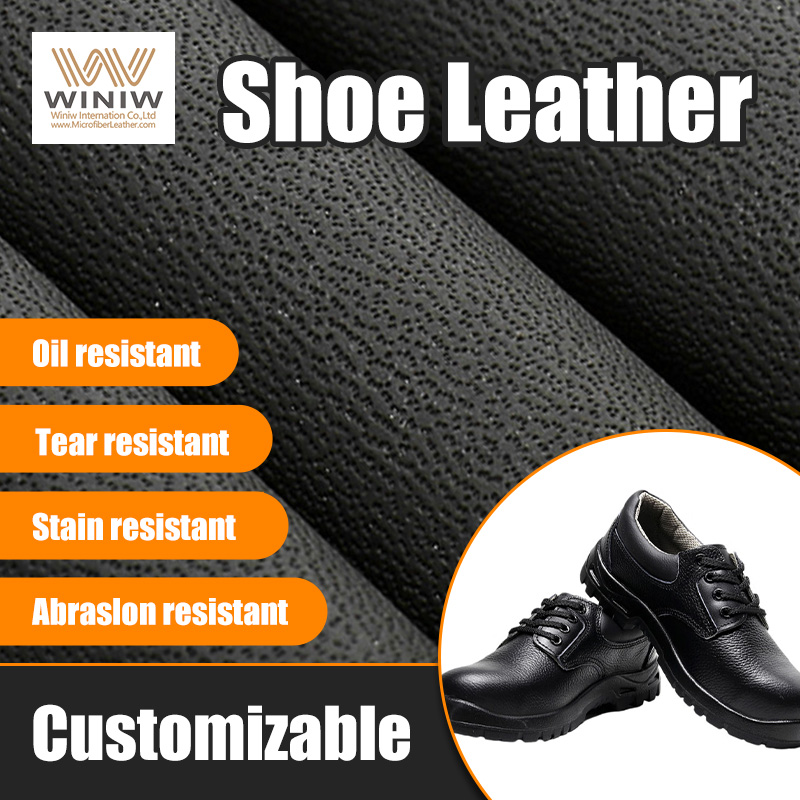
You find faux microsuede and faux suede used widely in furniture and fashion. In homes, microsuede covers sofas, chairs, and cushions, offering comfort and stain resistance. In fashion, faux suede appears in jackets, handbags, and footwear. You see it in both fast fashion and sustainable brands. Real suede remains popular for luxury shoes, bags, and accessories. Faux microsuede suits homes with pets or children because of its durability and easy care.
Note: Some consumers report issues with faux microsuede, such as peeling on plastic surfaces, misleading labeling, and lack of breathability. Real suede can stain easily and shrink after cleaning.

FAQ
Can you machine wash faux microsuede?
You can machine wash most faux microsuede items using cold water and gentle detergent. Always check the care label before washing.
Does faux microsuede pill or shed over time?
You rarely see faux microsuede pill or shed. The tightly woven fibers resist wear, so your fabric stays smooth with regular care.
Is faux microsuede safe for pets and children?
You find faux microsuede safe for homes with pets and children. The fabric resists stains and cleans easily, making it a practical choice.
