

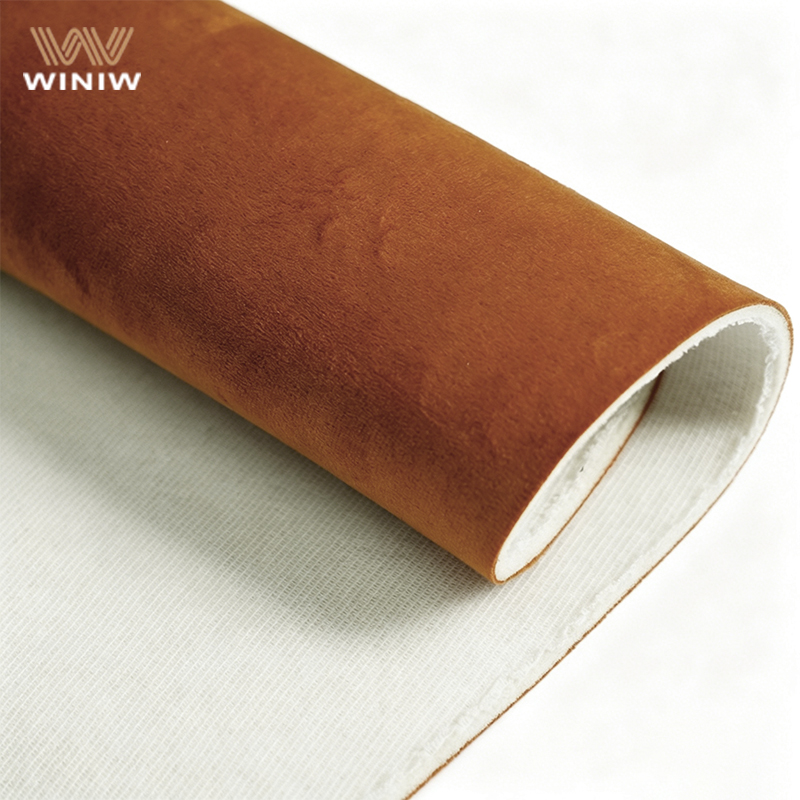
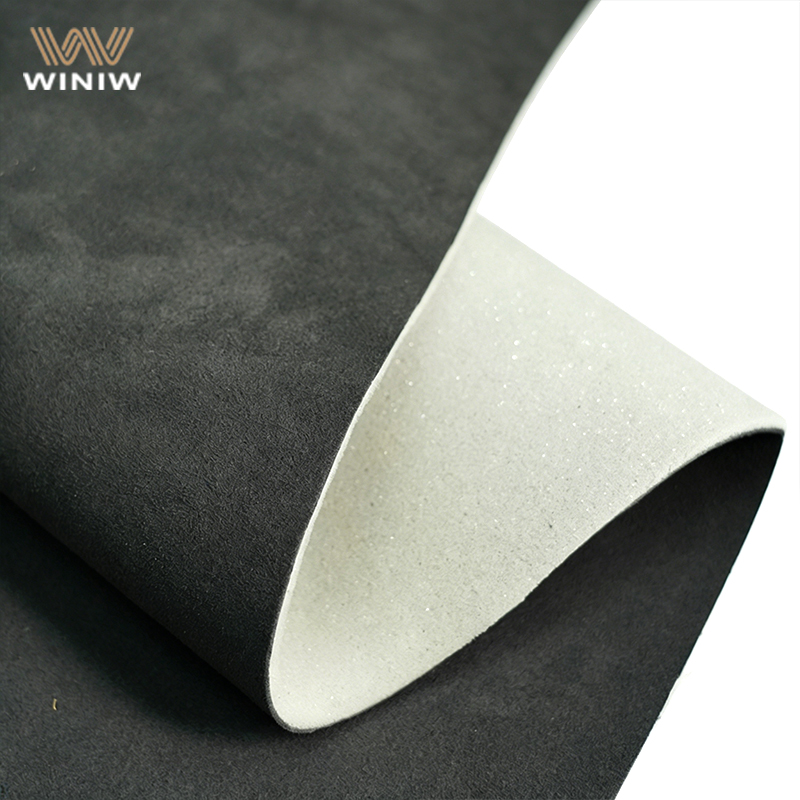
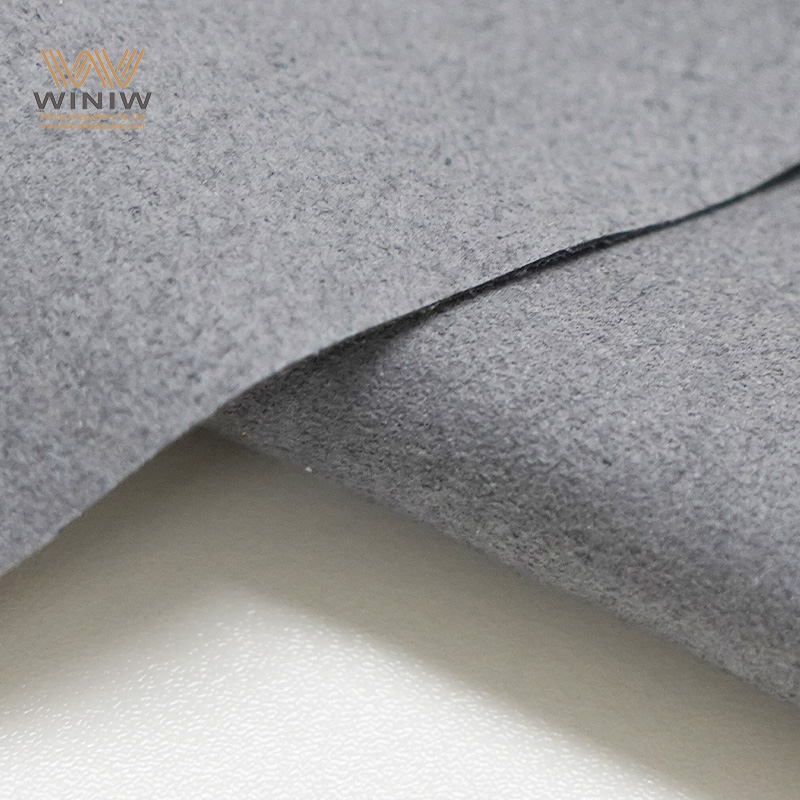

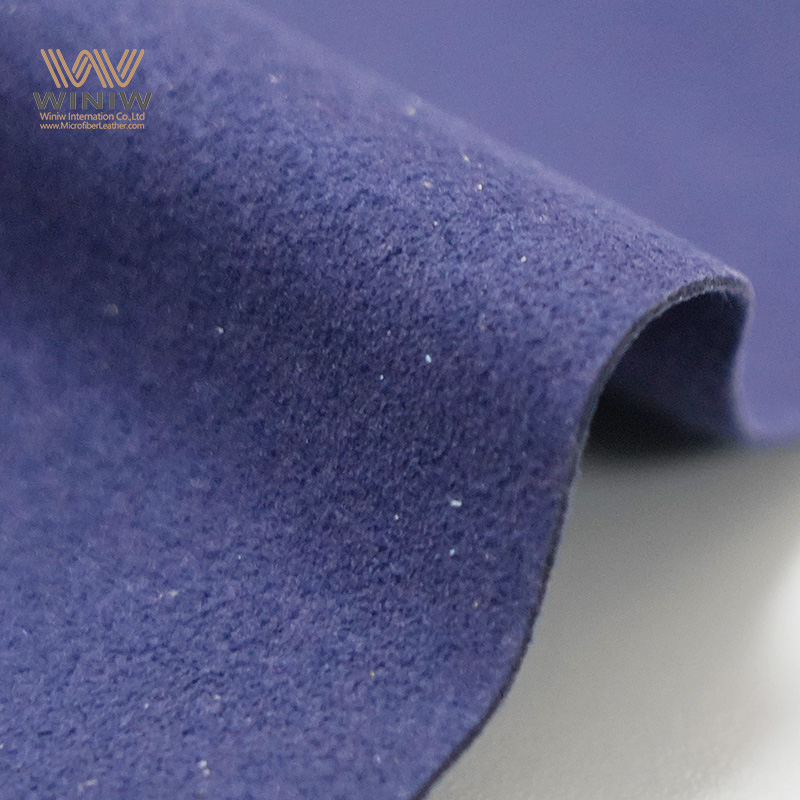
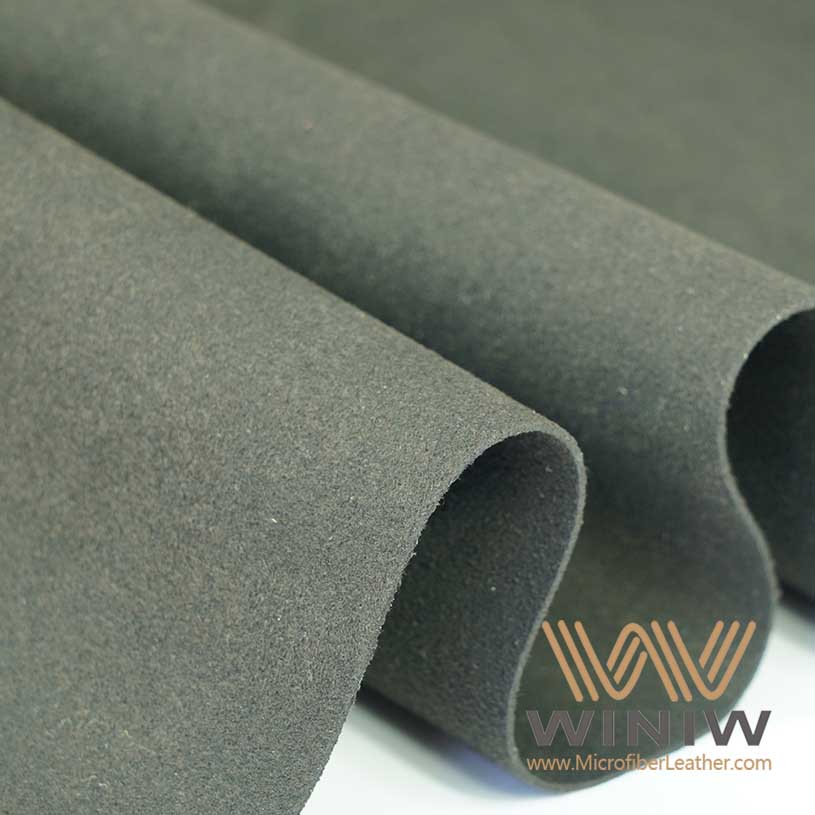


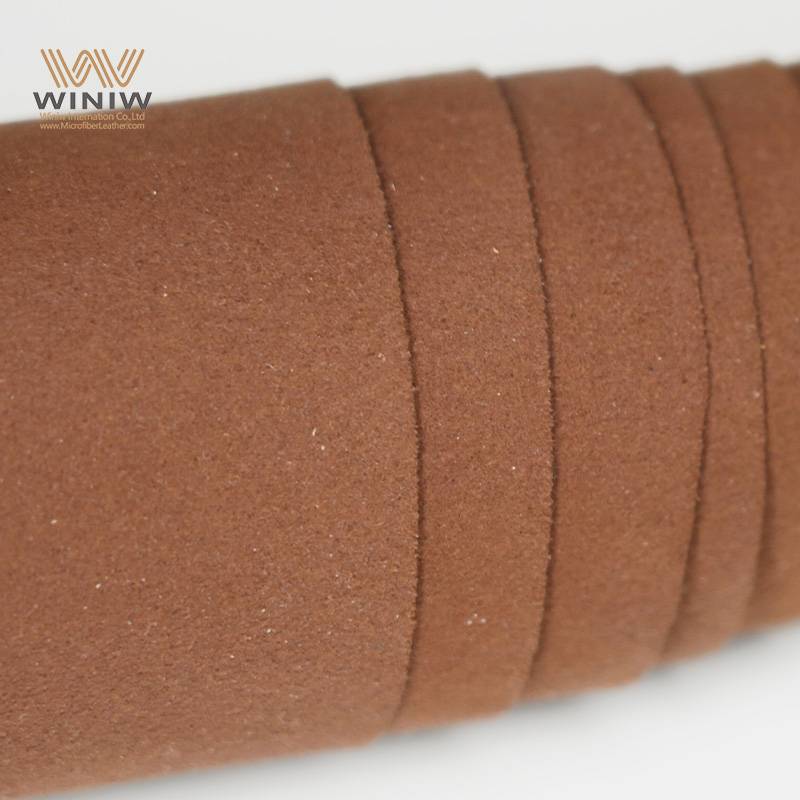
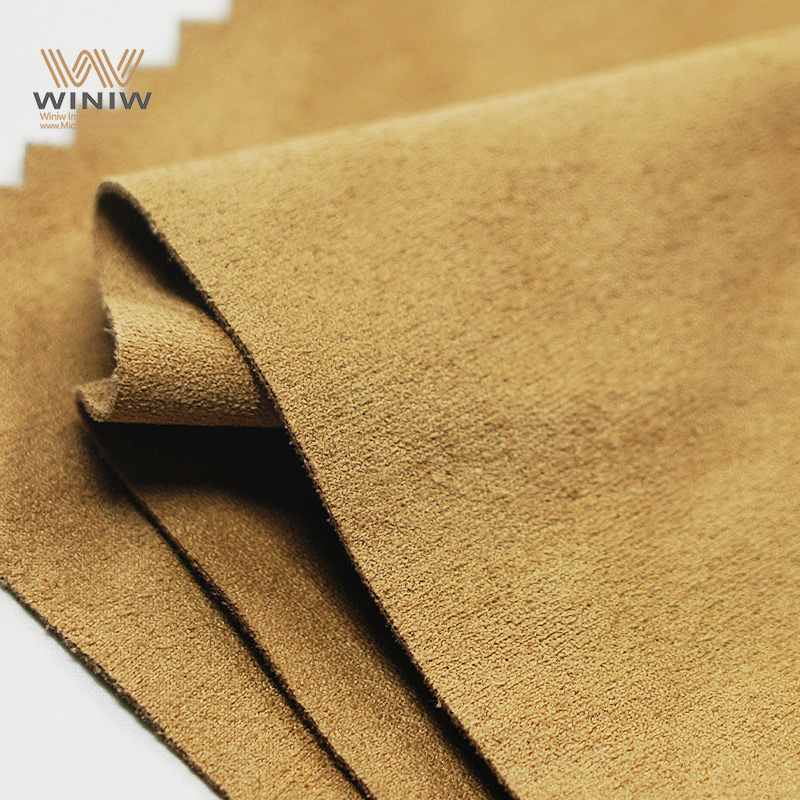

You can keep your instrument safe and spotless with a suede polishing cloth. This cloth removes dirt, oils, and grime without scratching or leaving lint. Using the right method protects delicate surfaces.
Steinway & Sons advises: "Never use solvents of any kind to clean either the black or the white keys of your Steinway piano – they can damage the fine finish of the keys."
Mistake | Potential Damage | Prevention |
|---|---|---|
Using chemical solvents | Key discoloration or damage | Stick to plain water on a barely damp cloth |
Excess moisture | Wood swelling or key sticking | Apply solutions to the cloth, not directly to the piano |
Harsh cleaning tools | Scratches on the surface | Use microfiber or fine-knit cloths only |
Suede Polishing Cloth Makes Cleaning Instruments Easy
Use a suede polishing cloth to clean your instrument safely. It prevents scratches and lint, keeping your instrument looking professional.
Always clean your instrument with a dry cloth. Moisture can damage wood and finishes, leading to costly repairs.
Store your suede polishing cloth properly in a breathable bag. This keeps it clean and ready for use, extending its lifespan.
Why Use a Suede Polishing Cloth
Benefits for Instruments
When you care for your musical instrument, you want to protect its finish and keep it performing at its best. A suede polishing cloth gives you several advantages over regular cloths or paper towels. You avoid scratches and marks because the cloth is gentle and designed for delicate surfaces. You also prevent lint from sticking to your instrument, which keeps it looking clean and professional.
Suede polishing cloths help you maintain the finish of guitars and other instruments without leaving scratches.
The low-pile and high-pile designs allow you to buff and clean surfaces effectively.
You remove sweat, oils, and debris from strings, which improves performance and extends string life.
Regular use supports the longevity of your instrument.
Tip: Always use a dry suede polishing cloth for cleaning. Moisture can damage wood and finishes.
Choosing the Right Cloth
Selecting the right suede polishing cloth depends on your instrument’s finish and your cleaning needs. For gloss-finished guitars, choose a plush microfiber cloth to avoid scratches. Satin-finished guitars benefit from a suede microfiber cloth that removes finger oils and dirt efficiently. If you play wind instruments, look for a cloth like the Music Nomad Brass & Woodwind Untreated Microfiber Polishing Cloth. This cloth features 90,000 cleaning microfibers per square inch, a super soft texture, and a non-hemmed edge to prevent scratches. Musicians and repair shops worldwide trust this type of cloth for reliable care.
Pick a lint-free, soft cloth for delicate surfaces.
Check for non-hemmed edges to avoid accidental scratches.
Choose a size that fits your instrument and makes cleaning easy.
A suede polishing cloth helps you keep your instrument in top condition with minimal effort.
Cleaning with a Suede Polishing Cloth

Preparation Steps
You need to prepare your instrument and your suede polishing cloth before you start cleaning. Proper preparation helps you avoid spreading dirt and protects delicate finishes. Follow these steps for the best results:
Remove the strings from your instrument if possible. This gives you better access to all surfaces and allows for thorough cleaning.
Use your suede polishing cloth to gently wipe away any loose dust or dirt. Move the cloth in one direction to avoid scratching.
If you notice stubborn spots, apply a small amount of finish cleaner to the cloth—not directly to the instrument. Work the cleaner carefully between frets or on tough areas, making sure you do not oversaturate the cloth.
Tip: Always check your instrument’s care guide before removing strings or using any cleaner.
Cleaning Instrument Surfaces
A suede polishing cloth makes cleaning safe and effective for all types of musical instruments. You can use it on wood, metal, and plastic surfaces. The soft fibers lift away oils, sweat, and grime without scratching or leaving lint behind. For guitars, gently wipe the body, neck, and headstock. For wind instruments, clean the exterior and keywork. Always use the cloth dry. Moisture can damage wood and cause swelling or warping.
When you clean strings, wrap the cloth around each string and slide it along the length. This removes buildup and helps your instrument sound its best. For hard-to-reach spots, fold the cloth into a small square and use gentle pressure.
Note: Cleaning with a dry suede polishing cloth prevents water spots and keeps your instrument looking new.
What to Avoid
You must avoid common mistakes when cleaning your instrument. Using the wrong method can cause permanent damage. Here are some important things to keep in mind:
Never soak or wet your suede polishing cloth. Water can leave tide marks that are difficult to remove. It can also cause uneven drying and visible water lines.
Do not scrub the surface. Scrubbing can fray the fibers of the cloth and create bald spots on the suede.
Avoid harsh chemicals. Products like alcohol, chlorine, ethanol, benzene, peroxide, and salts can discolor or crack the finish, especially on wooden instruments.
When cleaning musical instruments, you should always steer clear of harsh chemicals. These substances can lead to discoloration and cracking, especially on guitars and other wood instruments.
Warning: Using too much moisture or strong chemicals can ruin your instrument’s finish. Stick to a dry, clean suede polishing cloth for safe results.
Suede Polishing Cloth Care
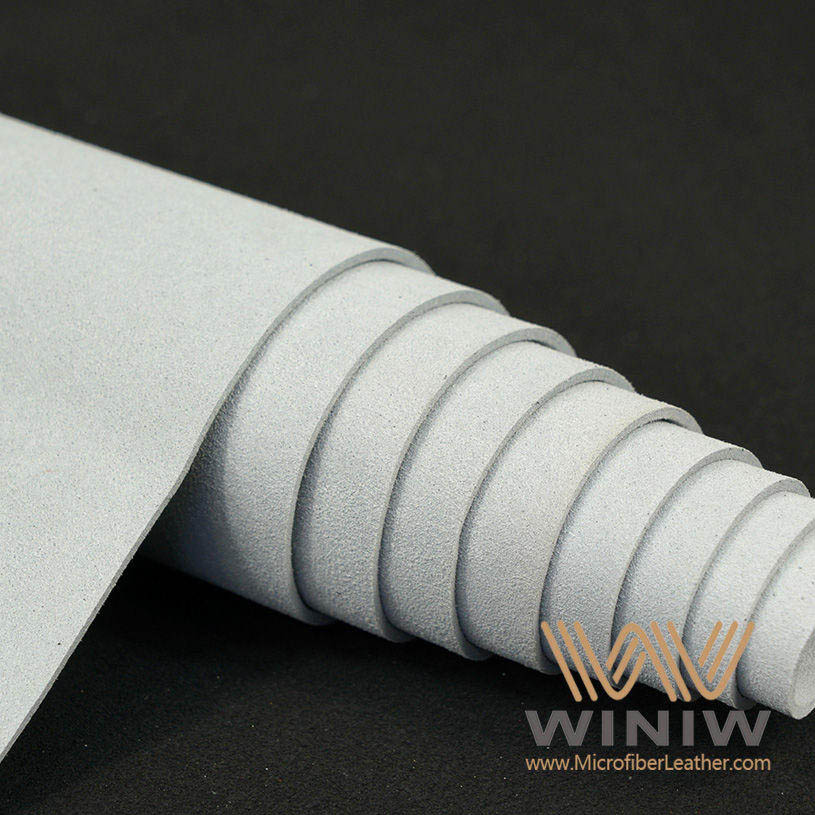
Cleaning the Cloth
You need to keep your suede polishing cloth clean to maintain its effectiveness. Dirt and oils can build up over time, making the cloth less gentle on your instrument. Hand wash your cloth with a mild liquid detergent in cold or warm water. Avoid bleach and fabric softener, as these can damage the fibers. After washing, blot the cloth with a towel to remove excess moisture. Air dry the cloth by laying it flat, and never use a tumble dryer. Direct heat can harm the suede and reduce its softness.
Use only mild liquid detergent.
Wash in cold or warm water.
Skip bleach and fabric softener.
Blot with a towel before air drying.
Avoid tumble dryers and direct heat.
Tip: Regular cleaning keeps your cloth soft and safe for delicate surfaces.
Storage Tips
Proper storage helps your suede polishing cloth last longer and stay free from dust or contaminants. Store your cloth in a breathable bag, such as cotton or cloth, to allow air circulation. Keep it away from direct sunlight to prevent fading or discoloration. Humidity can cause stiffness or damage, so choose a dry, cool place for storage.
Use a breathable storage bag.
Keep out of direct sunlight.
Store in a dry, cool area.
Avoid humid environments.
Note: Clean and store your cloth properly after each use to ensure it remains ready for your next cleaning session.
You can simplify instrument care with a suede polishing cloth. The table below highlights why musicians trust this tool for easy, safe maintenance:
Feature | Benefit |
|---|---|
Non-abrasive cleaning | Protects delicate finishes |
Smear-free results | Leaves instruments looking pristine |
Lightweight design | Makes regular maintenance effortless |
Many users praise its durability and gentle touch.
You keep your instrument’s value and sound with consistent care.

FAQ
How often should you clean your guitar with a suede polishing cloth?
You should clean your guitar after each playing session. Regular cleaning prevents buildup and keeps your acoustic instrument looking new. Use a fretboard cleaner and conditioner three times per month.
Can you use a suede polishing cloth on acoustic guitars?
You can use a suede polishing cloth on any guitar, including acoustic models. The cloth protects the finish and removes grime. Pair it with a fretboard cleaner and conditioner for best results.
What is the safest way to clean a guitar fretboard?
You should use a dry suede polishing cloth for the guitar fretboard. Apply a fretboard cleaner and conditioner sparingly. Avoid water and harsh chemicals to protect your acoustic instrument.
