

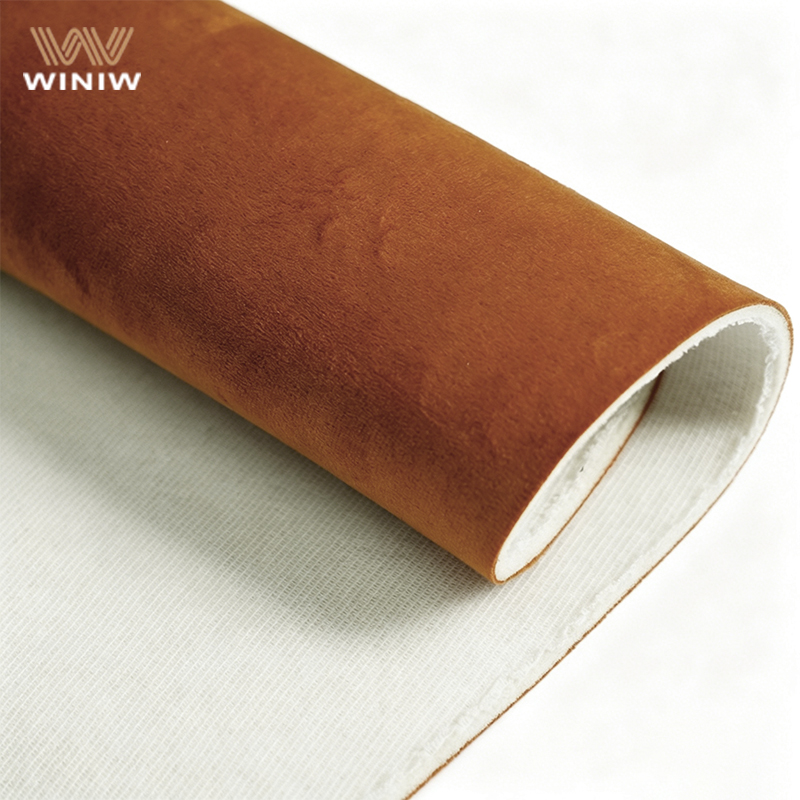
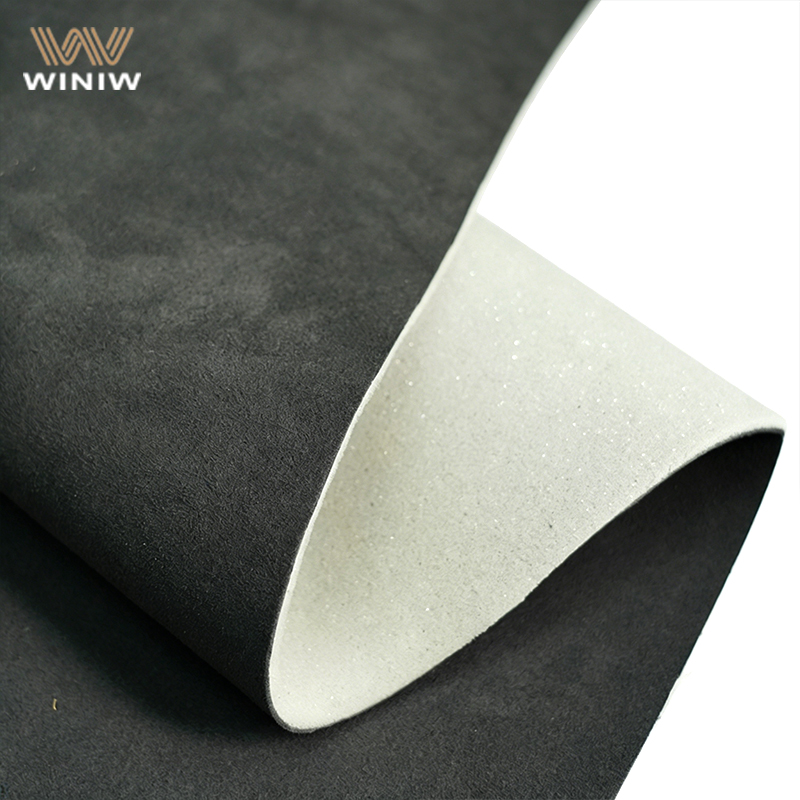
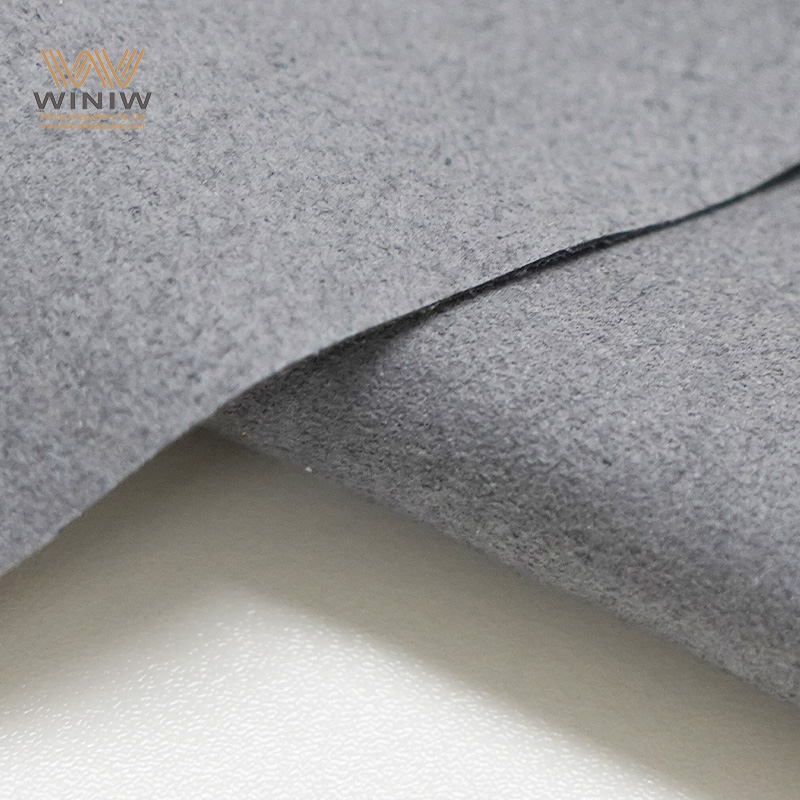
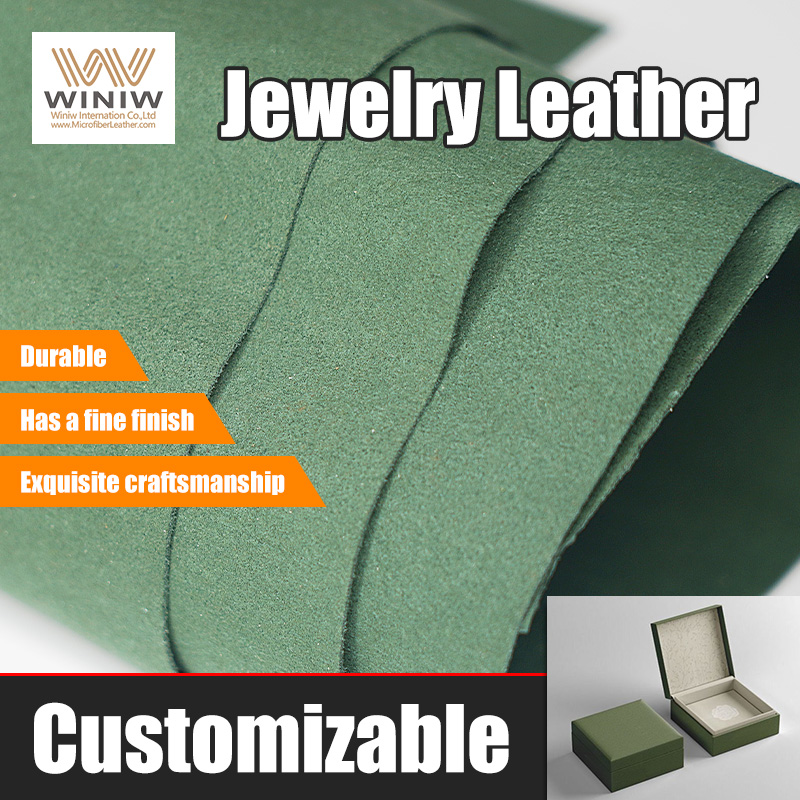
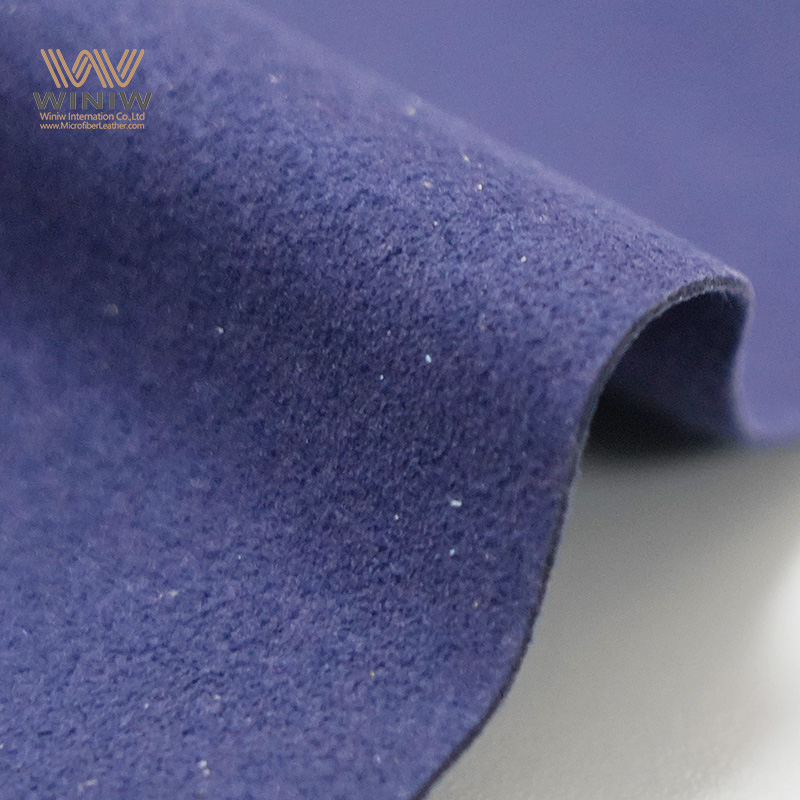
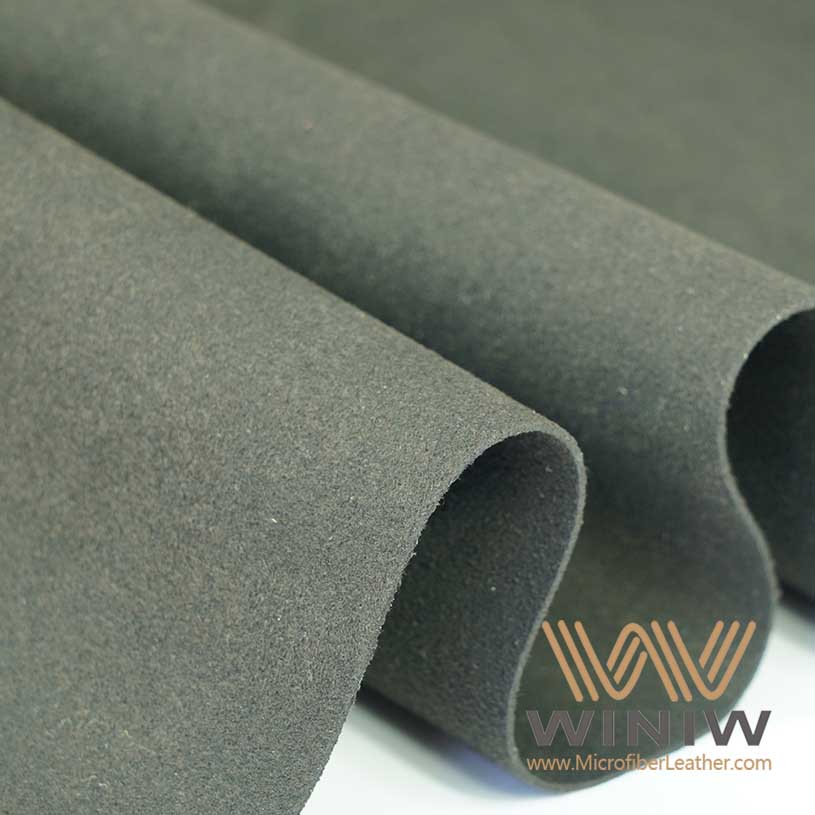
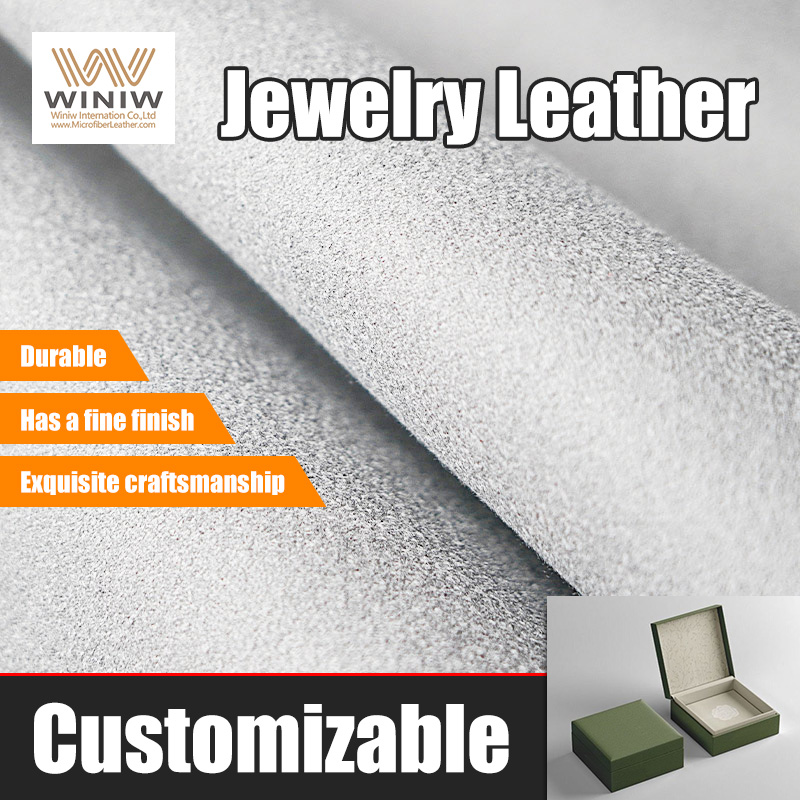
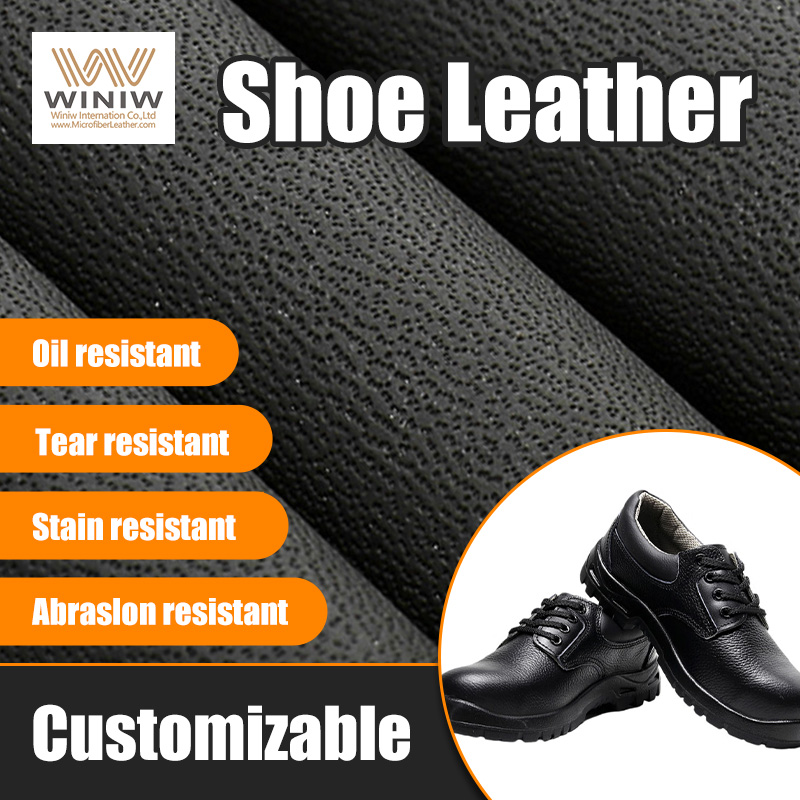
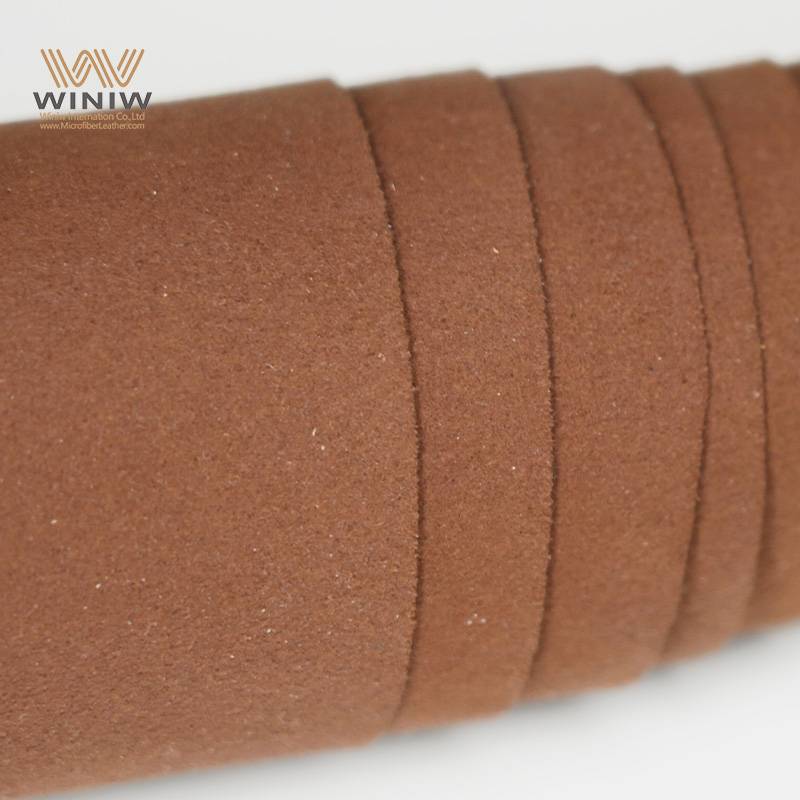
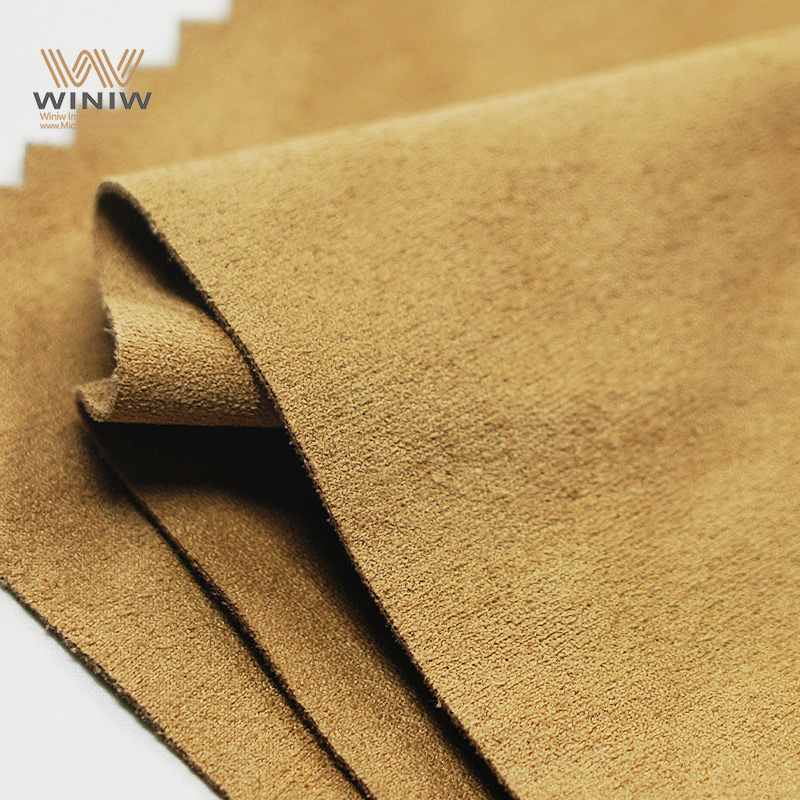
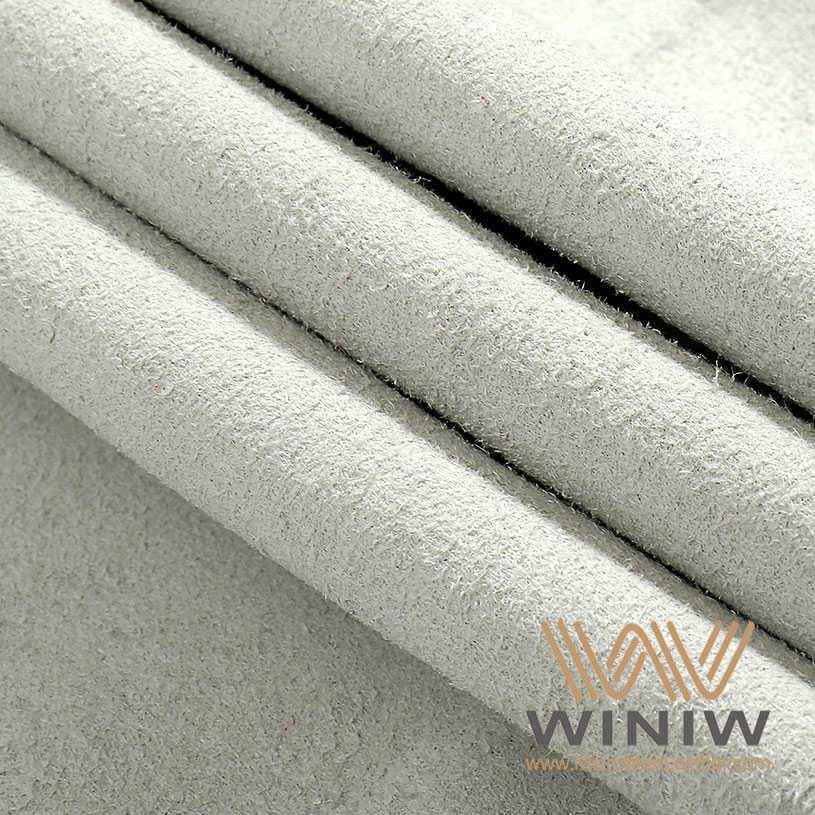
Ultra microfiber suede gives you a fabric that feels soft, lasts long, and offers a vegan alternative to animal suede. You experience a material that mimics real suede’s texture and resists wear. See how ultra microfiber suede compares:
Attribute | Microfiber Suede | Other Fabrics |
|---|---|---|
Softness | Mimics real suede | Varies by fabric |
Durability | Highly durable, resists wear | Often less durable |
Vegan Attributes | Vegan-friendly option | Depends on the fabric |
Ultra microfiber suede stands out for ethical, sustainable, and versatile use.
What is Ultra Microfiber Suede and What Makes it Unique
Ultra microfiber suede is a soft, durable, and vegan-friendly alternative to genuine suede, making it an ethical choice for consumers.
This fabric is easy to maintain, resists stains and water, and is ideal for homes with children or pets, providing both style and practicality.
Microfiber suede's production process is eco-friendly, using less water and chemicals, and often incorporates recycled materials, supporting sustainability.
Ultra Microfiber Suede Features
What is Ultra Microfiber Suede
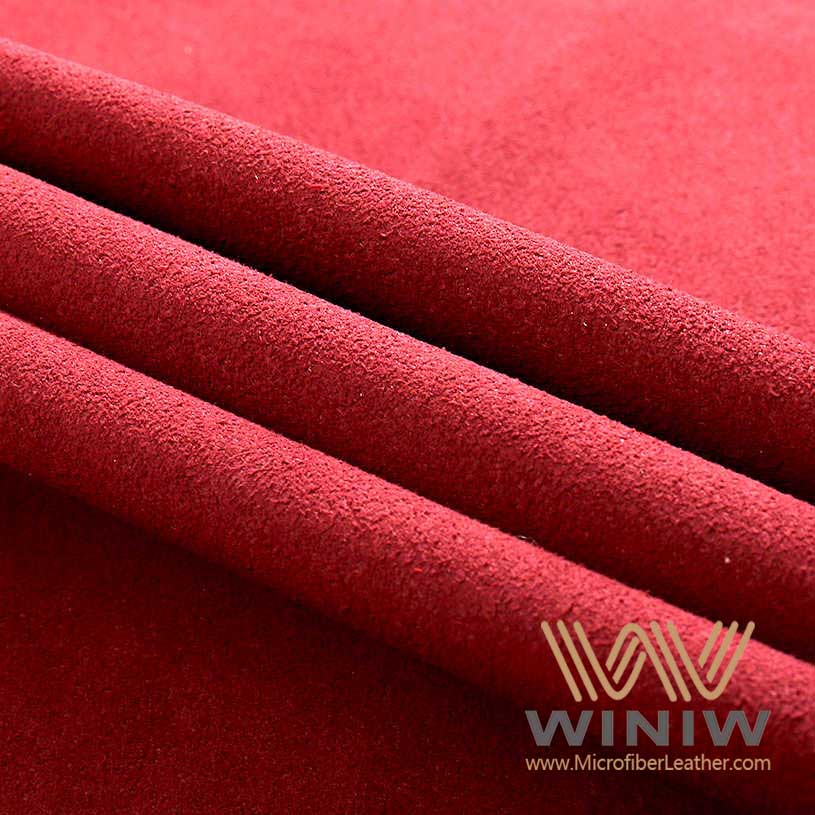
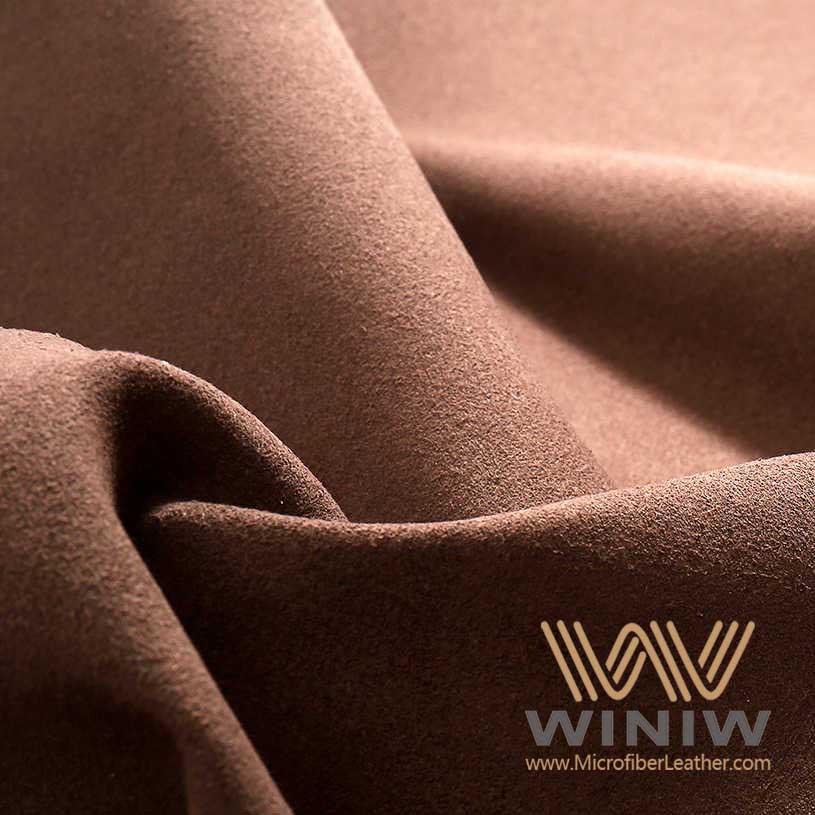
You encounter microfiber suede as a modern, synthetic material designed to replicate the luxurious feel and appearance of natural suede. Manufacturers create this fabric using ultra-fine synthetic fibers, mainly polyester or polyamide, woven into a dense structure. Unlike traditional suede, which comes from the inner split of animal hides, microfiber suede fabric offers a vegan and cruelty-free alternative. You notice that microfiber suede maintains a consistent texture and resists flattening or matting, even after frequent use. This fabric stands out for its high-quality ultra-fine fiber construction, which gives you a soft, smooth touch and a visually appealing finish.
You can identify key characteristics that set microfiber suede apart from other materials:
Made from high-quality microfiber, primarily polyester and nylon.
Mimics the texture and appearance of genuine suede.
Offers a vegan, animal-friendly option.
Maintains reliable quality and consistent performance over time.
Provides excellent breathability and a skin-friendly feel.
How Microfiber Suede Fabric is Made
You benefit from a sophisticated manufacturing process that ensures the quality and performance of microfiber suede fabric. The process involves several precise steps, each contributing to the final product's durability, softness, and appearance.
Step | Description |
|---|---|
Fiber Production | Ultra-fine fibers are created from polyester and nylon through chemical reactions. |
Spinning | The fibers are spun into yarn, organizing and stretching them for desired softness and strength. |
Weaving | Yarn is woven into cloth using specialized looms, creating a dense, suede-like pile. |
Polyurethane Impregnation | A polyurethane binder is applied, enhancing durability, water resistance, and stain repellency. |
Dyeing | The fabric is dyed in a solution to achieve the desired color and patterns. |
Finishing | The fabric undergoes brushing, shearing, and sanding to optimize texture and appearance. |
This process produces microfiber suede leather with reliable quality and a uniform finish. The polyurethane impregnation step gives the fabric its waterproof and stain-resistant properties, making it ideal for everyday use. You experience a material that combines advanced technology with high-quality microfiber to deliver outstanding performance.
Key Qualities and Benefits
You enjoy a range of benefits when you choose microfiber suede fabric. The key features of microsuede include exceptional durability, impressive stain resistance, and a soft, luxurious feel. Microfiber suede leather offers high tensile strength, with values reaching up to 166 N/cm in one direction and 140 N/cm in another. The abrasion resistance remains high, showing no change even after 5,000 rubs. This means you get a durable and long-lasting material that withstands daily wear and tear.
You also benefit from the fabric's waterproof qualities. Microfiber suede resists water and stains, making it easy to clean and maintain. Unlike genuine suede, which absorbs liquids and stains easily, microfiber suede fabric repels spills and keeps its appearance with minimal effort. This performance makes it suitable for high-traffic areas, furniture, and fashion items.
Tip: You can use microfiber suede leather in homes with children or pets because of its stain and water resistance.
You find that microfiber suede fabric is not only practical but also environmentally conscious. The production process uses less water and fewer harsh chemicals compared to traditional leather tanning. Many manufacturers use recycled materials, such as PET bottles, to create high-quality microfiber suede. This approach supports sustainability and reduces the environmental footprint.
When you compare microfiber suede leather to natural suede, you notice several advantages:
Lower initial and maintenance costs.
Higher longevity and less frequent replacement.
Animal-friendly and vegan, supporting ethical choices.
Breathable and skin-friendly, offering comfort in various applications.
Excellent breathability, preventing heat buildup.
The key features of microsuede—durability, stain resistance, waterproof qualities, and ethical production—make it a preferred choice for many. You get a fabric that delivers consistent quality, outstanding performance, and versatile use in fashion, upholstery, and automotive interiors.
Comparing Microfiber Suede, Ultrasuede, and Genuine Suede
Microfiber Suede vs Genuine Suede
You may wonder how microfiber suede compares to genuine suede. The main differences appear in texture, care, and performance. Microfiber suede uses synthetic fibers, while genuine suede comes from animal hides. You get a uniform and neat structure with microfiber suede, but genuine suede shows natural and irregular textures. Microfiber suede is highly durable and resists wear, so you can use it in high-traffic areas without worry. Genuine suede requires careful maintenance and is sensitive to water.
Feature | Microfiber Suede | Genuine Suede |
|---|---|---|
Durability | Highly durable and resistant to wear | Durable but requires careful maintenance |
Maintenance | Easy to clean, often machine washable | Requires professional cleaning, sensitive to water |
Water Resistance | Better water resistance | Highly sensitive to water |
Texture | Uniform and neat structure | Natural and irregular textures |
Breathability | Medium breathability | Excellent breathability |
Cost | Generally more affordable | Expensive, especially high-quality |
Ethical Considerations | Does not involve animals | Involves animal ethics issues |
You will find that microfiber suede is easier to maintain. You can clean it with a damp cloth, and it rarely needs professional care. Genuine suede needs special cleaners and is not water-resistant. Microfiber suede keeps its appearance over time, while genuine suede develops a patina.
Ultrasuede and Microsuede Differences
You might ask, what is microsuede and how does it differ from ultrasuede? Microsuede is a type of microfiber suede with a soft, plush feel. Ultrasuede is a branded version of microfiber suede, known for its advanced technology and consistent quality. When you compare durability, ultrasuede fabric rates between 20,000 and 25,000 double-rubs, while microsuede exceeds 30,000. This means you get excellent wear resistance from both, but microsuede offers even more durability.
Ultrasuede fabric stands out for its colorfastness and easy cleaning. You can use ultrasuede in furniture, fashion, and automotive interiors. The key properties of ultrasuede include stain resistance, breathability, and a luxurious touch. The advantages of ultrasuede fabric make it a top choice for many applications.
Why Choose Microfiber Suede Fabric
You gain many benefits when you choose microfiber suede. It is more durable than genuine suede and resists abrasion. You can clean stains easily, which makes it ideal for homes with children or pets. Microfiber suede is lightweight, so you can use it for clothing and accessories. The production process uses less water and fewer chemicals, supporting sustainability. You also avoid animal products, making it a cruelty-free option.
You support ethical and eco-friendly practices by choosing microfiber suede. Many manufacturers use recycled materials and non-toxic dyes. You get a cost-effective material that looks and feels like real suede, but with easier care and longer life.
Tip: Choose microfiber suede for a practical, stylish, and ethical alternative to genuine suede and other synthetics.
Uses and Care of Microfiber Suede
Common Applications
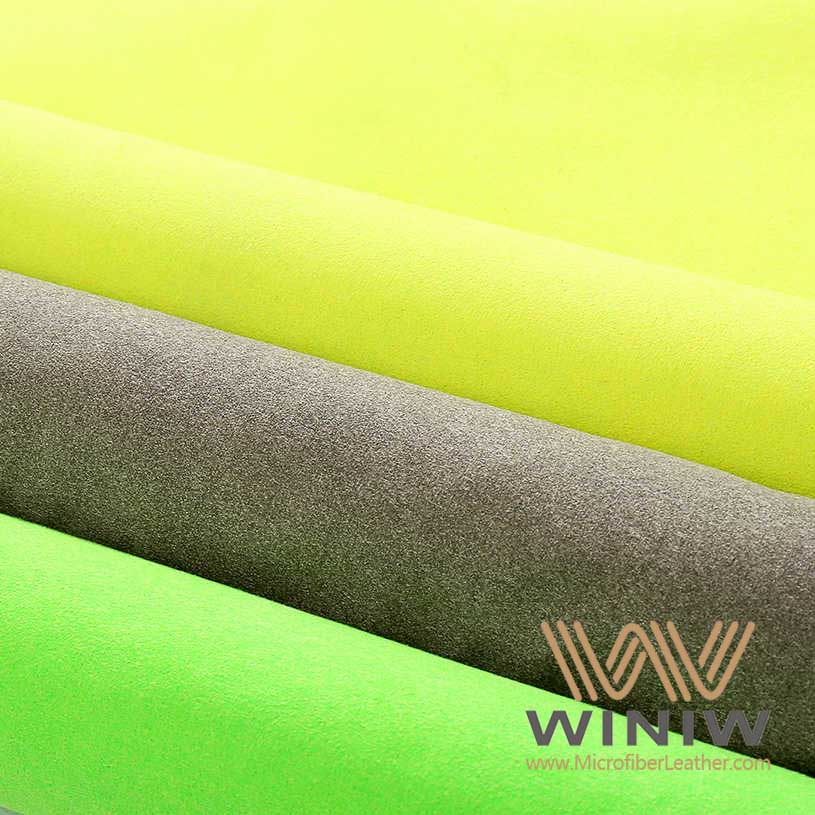
You will find ultra microfiber suede in a wide range of products because of its versatile applications. In the automotive industry, manufacturers use this material for car interiors, and it accounts for over 40% of the global supply. You see it in luxury vehicles, where durability and the look and feel of suede matter most. Furniture makers choose microfiber suede for sofas and chairs, since it resists stains and keeps its appearance over time. In fashion, you can wear jackets, skirts, and accessories made from this fabric. Haute couture designers also use it for elegant, ethical designs. At home, you might notice microfiber suede in bedding, draperies, and throw pillows, available in many colors. This material gives you a budget-friendly way to enjoy a premium look in many settings.
Tip: Microfiber suede’s easy maintenance makes it ideal for homes with children or pets.
Care and Maintenance Tips
You can keep your microfiber suede looking new with simple care routines. This fabric requires less frequent cleaning than genuine suede or other synthetics. You only need basic tools and gentle products.
Cleaning Method | Description |
|---|---|
Daily/Weekly Care | Use a soft-bristled brush or dry microfiber cloth to lift dust and restore the nap. |
Spot Cleaning | Blot spills with a dry cloth, then clean with a damp cloth and mild soap. |
Deep Cleaning | Use a manufacturer-approved cleaner or upholstery shampoo, testing on a hidden area first. |
Avoid Harsh Chemicals | Do not use bleach, ammonia, or abrasive cleaners to prevent damage to the fibers. |
Protective Treatment | Apply a fabric protector spray after purchase and reapply every 6–12 months for added protection. |
Ultra microfiber suede is low-maintenance, so you can clean it with a damp cloth and mild detergent.
Genuine suede needs special cleaning products and often professional treatment for stains.
Microfiber suede can be machine-washed for deeper cleaning, which is helpful for busy households.
You get a fabric that combines style with practical care. With regular attention, your microfiber suede items will last longer and stay beautiful.
You choose ultra microfiber suede for its soft texture, stain resistance, and easy care. The fabric resists spills, keeps its color, and lasts in high-traffic areas. You enjoy comfort, eco-friendly production, and many style options. Most users report high satisfaction, making it a smart, versatile choice.

FAQ
What makes ultra microfiber suede different from regular microfiber?
You get ultra microfiber suede with finer fibers, which creates a softer texture and higher durability. Regular microfiber feels less luxurious and may not resist stains as well.
Can you machine wash microfiber suede?
Yes, you can machine wash most microfiber suede items.
Use cold water and mild detergent.
Avoid bleach and high heat to protect the fibers.
Is ultra microfiber suede safe for allergy sufferers?
Feature | Ultra Microfiber Suede | Genuine Suede |
|---|---|---|
Hypoallergenic | ✅ Yes | ❌ No |
You avoid allergens because ultra microfiber suede resists dust mites and does not trap pet dander.
