

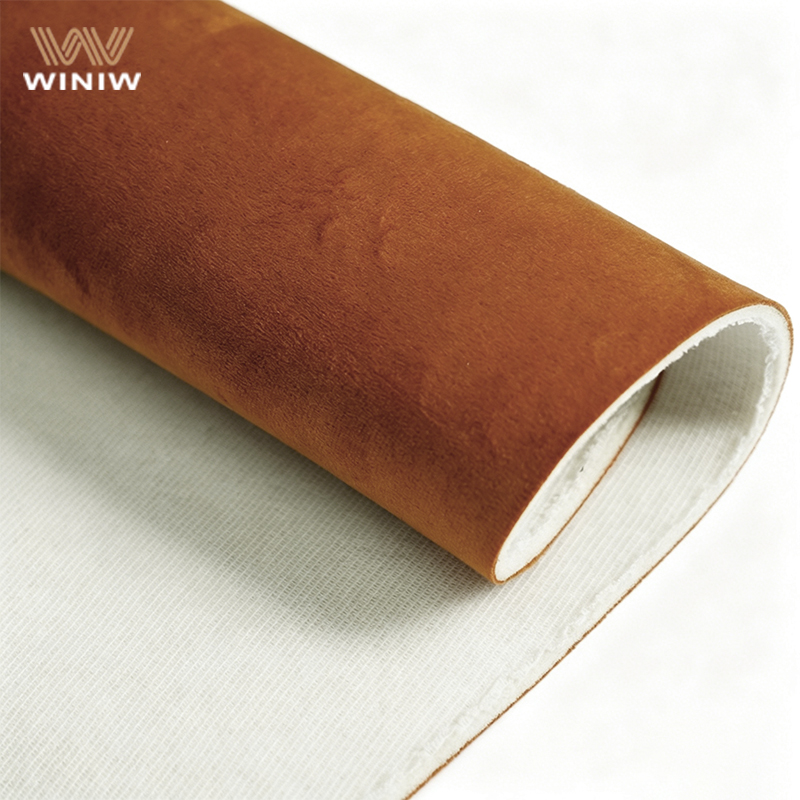
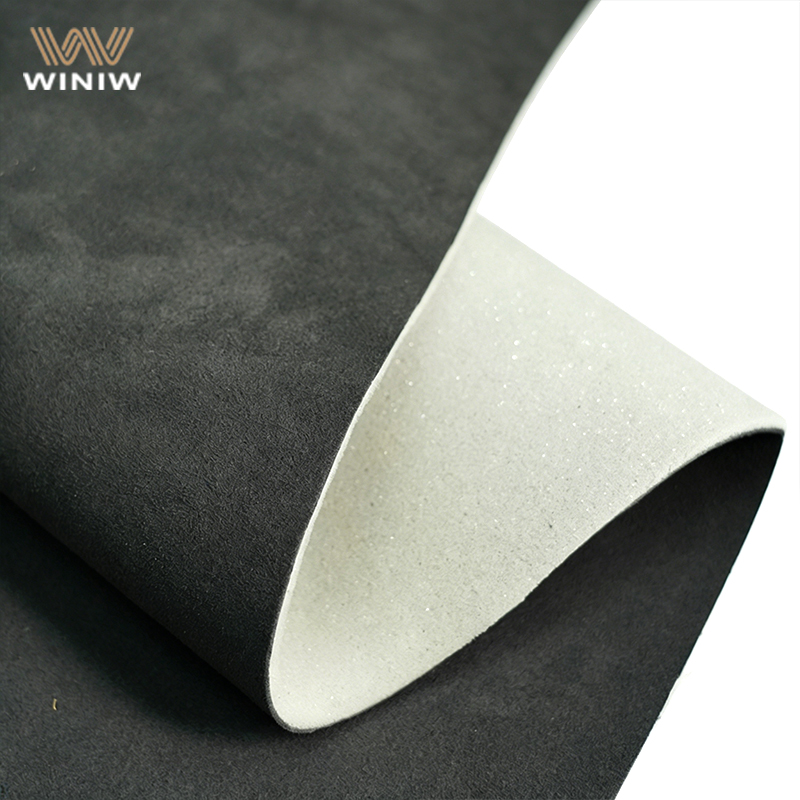
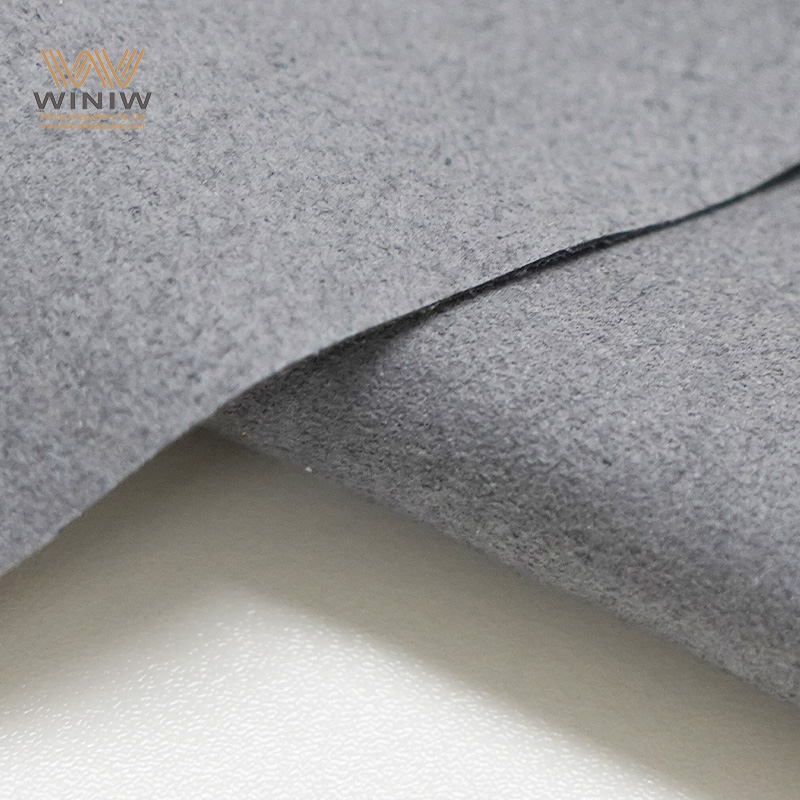

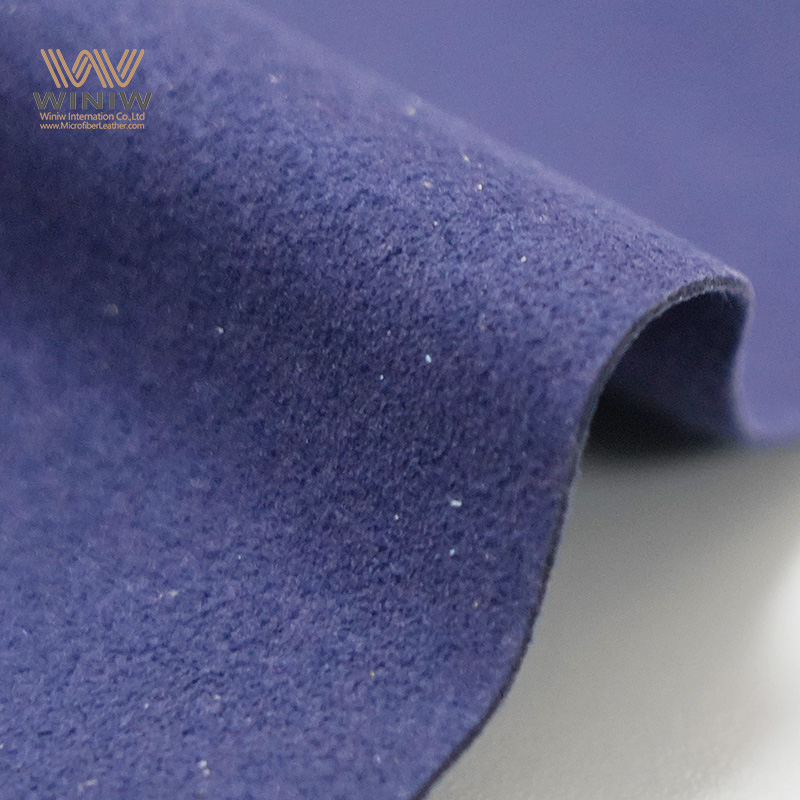
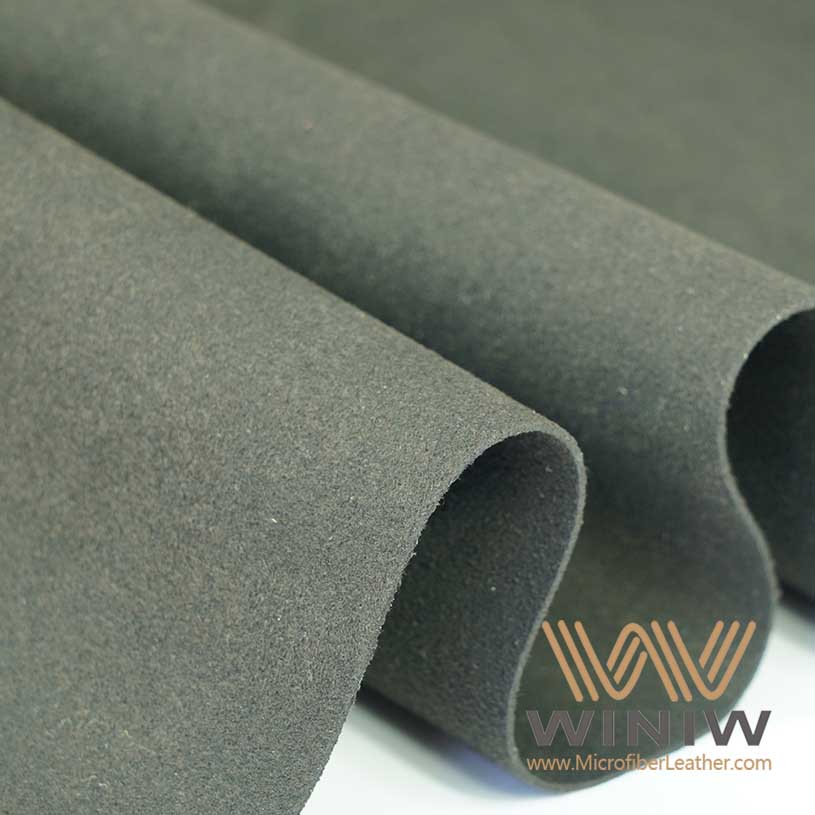

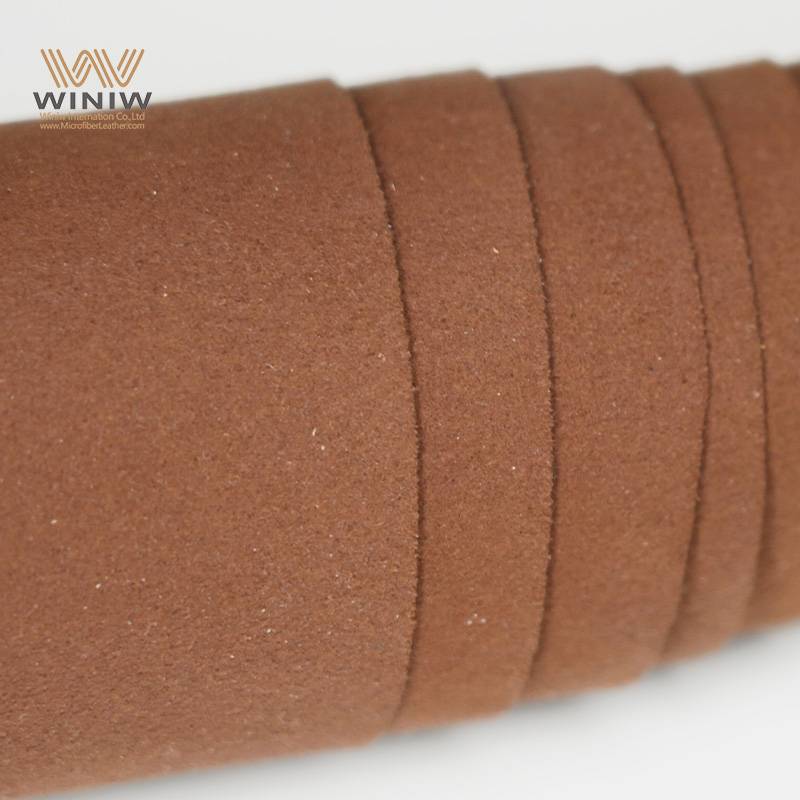
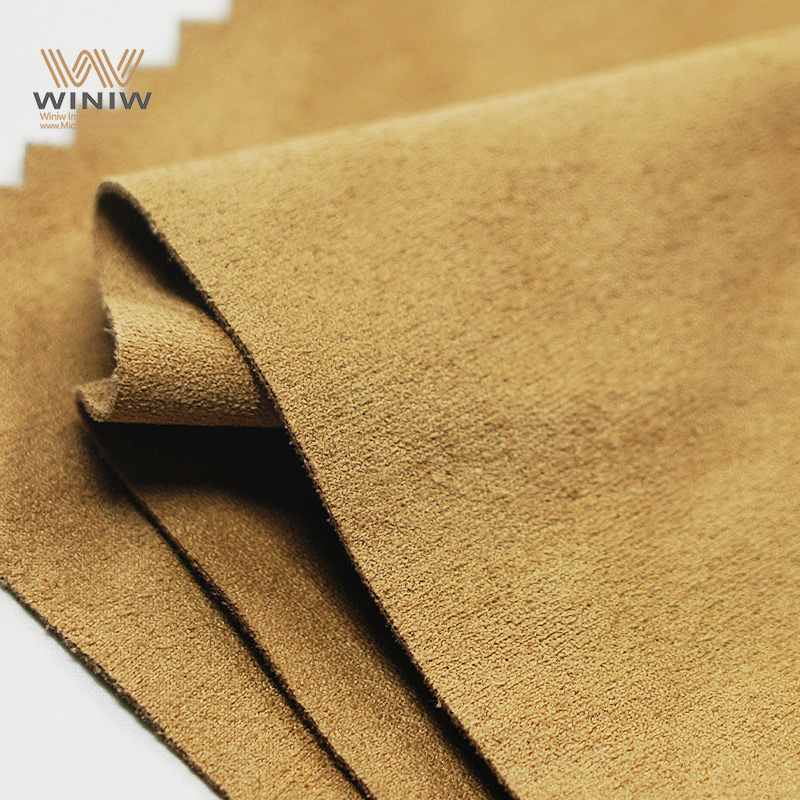

You can safely tackle Washing Microsuede Couch at home using one simple ingredient or a few household supplies. Items such as mild dish soap, rubbing alcohol, enzyme cleaners, and a soft-bristle brush work well. Regular cleaning reduces wear, keeps the couch fresh, and helps even tough stains and odors disappear.
Common cleaning items include:
Mild dish soap
Rubbing alcohol
Enzyme cleaners
Vacuum with upholstery brush
White sponge or microfiber cloth
Spray bottle
Soft-bristle brush
Dry towel
How to Wash a Microsuede Couch at Home
Gather essential cleaning supplies like mild dish soap, rubbing alcohol, and a soft-bristle brush before starting. This preparation saves time and ensures effective cleaning.
Always check the care label on your couch to determine the best cleaning method. Following these guidelines protects the fabric and maintains its quality.
Regularly vacuum your couch to prevent dirt buildup. Spot clean spills immediately and perform a deeper clean every few months to keep your couch fresh and looking new.
Preparation for Cleaning
Materials Needed
You need a few basic supplies to prepare your microsuede couch for cleaning. Gather a vacuum with an upholstery brush, a soft-bristle brush, a spray bottle, mild dish soap, rubbing alcohol, enzyme cleaners, a white sponge or microfiber cloth, and a dry towel. These items help you clean effectively and avoid damaging the fabric.
Tip: Keep all your cleaning tools nearby before you start. This saves time and prevents interruptions.
Check Care Label
Always check the care label on your couch before you clean. The label tells you if your couch is made from synthetic microfiber or natural suede. It also recommends the best cleaning method, such as using isopropyl alcohol or a soap and water solution. If you see a “W” or “S” on the tag, you know which products to use. This step protects your couch and ensures you clean it safely.
Vacuum and Brush Couch
Start by vacuuming your couch thoroughly. Use the crevice tool and upholstery brush to remove dirt and dust from seams and under cushions. Weekly vacuuming keeps your couch fresh and prevents dirt buildup. For deeper cleaning, use a soft-bristle upholstery brush to gently lift the fibers. This method helps you clean the surface and prepares it for spot treatment. You should spot clean as needed and perform a deeper clean every few months, depending on how often you use the couch.
Note: Brushing the couch gently prevents damage and keeps the microsuede looking new.
Washing Microsuede Couch
How to Clean a Microsuede Couch
You can wash a microsuede couch at home with simple steps. Start by checking the care label. If your couch has a "W" or "W/S" code, you can use a water-based solution. Mix a few drops of mild dish soap with lukewarm water to create suds. Dip a clean, white microfiber cloth into the suds, not the water. Apply the suds to the couch in small sections. Avoid soaking the fabric. Blot the stain from the outside edge toward the center. This prevents the stain from spreading.
Tip: Always test your cleaning solution on a hidden area before you clean the entire couch.
Work in small sections. Spray the solution lightly and dab with the cloth. Repeat until you clean the whole surface. Use a dry towel to absorb excess moisture. Let the couch air dry. Brush the fibers gently with a soft-bristle brush to restore the texture.
Clean a Microfiber Couch
You can clean a microfiber couch using different methods based on the type of stain and the care label. If your couch cannot tolerate water, use rubbing alcohol. Pour 90% rubbing alcohol into a spray bottle. Spray the stained area generously. Blot with a clean cloth until the stain lifts. Alcohol dries quickly, so you can finish the task without waiting long. After the spot dries, brush the fibers to fluff the couch.
For lightly soiled areas, sprinkle baking soda over the surface. Baking soda acts as a mild alkaline buffer and deodorizer. It absorbs moisture and neutralizes odors. Let it sit for 15 minutes. Vacuum the baking soda thoroughly. For targeted treatment, apply hydrogen peroxide after baking soda.
Here is a table showing common stains and their recommended treatments:
Stain Type | Treatment Method |
|---|---|
Marker | Baking soda |
Lipstick | Rubbing alcohol |
Grease | Rubbing alcohol or cornstarch |
Oil-based food | Mild dish soap + water |
Pet urine | Vinegar + water solution |
Chewing gum | Ice cubes |
You can clean a microfiber couch with these methods to remove stains and keep the fabric fresh.
Treating Stains and Odors
You may find tough stains and odors on your couch. To tackle tough stains, use rubbing alcohol. It breaks down stains and lifts dirt from the fabric. Spray rubbing alcohol on the stained couch and blot with a clean cloth. Alcohol dries fast, so you can clean efficiently. Brush the fibers after drying.
For lightly soiled areas, baking soda works well. It absorbs moisture and neutralizes odors. Apply baking soda first for dry absorption. Follow with hydrogen peroxide for targeted cleaning.
Odor removal techniques include baking soda, vinegar, enzymatic cleaners, and steam cleaning. Baking soda and vinegar help neutralize odors. Enzymatic cleaners break down organic stains and odors. Steam cleaning removes deep-seated smells. You can combine these methods for stubborn odors. Regular cleaning and prompt action on spills prevent odors from setting in.
Note: Clean a microsuede couch regularly to keep it fresh and odor-free.
You can wash a microsuede couch at home with these steps. You can clean a microfiber couch using water-based solutions, rubbing alcohol, and baking soda. You can tackle tough stains and odors with targeted treatments. You can maintain your couch and enjoy a clean, comfortable living space.
Drying Microsuede Couch
Air Drying Tips
You need to dry your microsuede couch carefully to keep it in good condition. Air drying works best for this fabric. Start by opening windows or turning on a fan to improve ventilation. Good airflow helps moisture evaporate and prevents mold or mildew. You should avoid placing the couch in direct sunlight. Sunlight can fade the color and weaken the fibers. If you live in a humid area, use a dehumidifier to control moisture levels in the room. This step keeps the fabric dry and safe.
Keep the fabric dry to prevent mold growth.
Avoid direct sunlight to maintain the integrity of the microsuede.
Ensure proper ventilation to prevent mold and mildew.
Regularly clean and dry the sofa.
Use a dehumidifier to control moisture.
Tip: Let the couch air dry naturally. You can use a fan to speed up drying, but do not use heat.
Preventing Water Damage
You must protect your couch from water damage during drying. Always use a spray bottle when cleaning. Light misting prevents soaking the fabric. After cleaning, check for moisture. Make sure the couch feels dry before you use it again. If you notice damp spots, keep the fan running or open windows until the couch dries completely. Never use hair dryers or heaters directly on microsuede. Heat can change the texture and cause permanent damage.
Ensure the couch is completely moisture-free before using it again.
Use a spray bottle for light misting instead of soaking.
Air drying is recommended; use a fan to circulate air.
Avoid hair dryers or heaters on the fabric.
Let the couch dry naturally to maintain quality.
Note: Waiting for the couch to dry fully prevents moisture-related issues and keeps your microsuede looking new.
You can keep your microsuede couch looking new by following these steps: spray with isopropyl alcohol, scrub stains, blot with a sponge, let it dry, and brush the fabric. Vacuum weekly, treat spills right away, and use a fabric protector. Regular care saves money and extends your couch’s life.

FAQ
Can you use a steam cleaner on a microsuede couch?
You can use a steam cleaner if the care label allows it. Always test a small area first. Steam helps remove deep stains and odors.
How often should you clean a microsuede couch?
You should vacuum weekly and deep clean every three months. Spot clean spills immediately to prevent stains.
What household items remove odors from microsuede?
Baking soda absorbs odors.
Vinegar neutralizes smells.
Enzyme cleaners break down organic sources.
