

If you want the best blend of comfort and luxury, you may prefer a microsuede pillow case. Both options resist stains and clean easily, but the feel and look differ. Your personal style, skin or hair needs, and budget will guide your choice. Expect clear guidance ahead.
Microsuede or Microfiber Pillow Cases Which Should You Choose
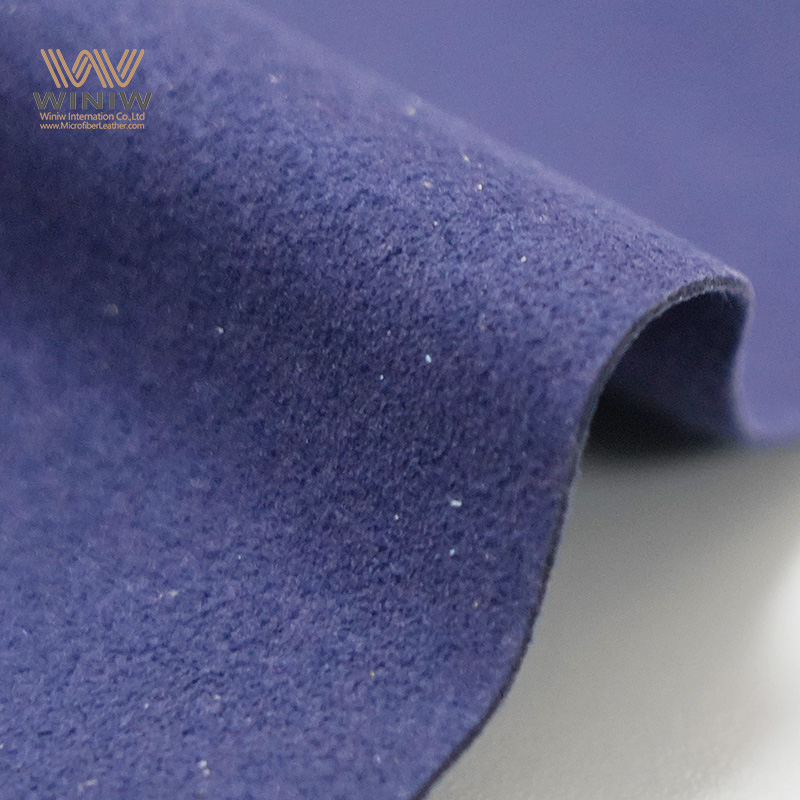
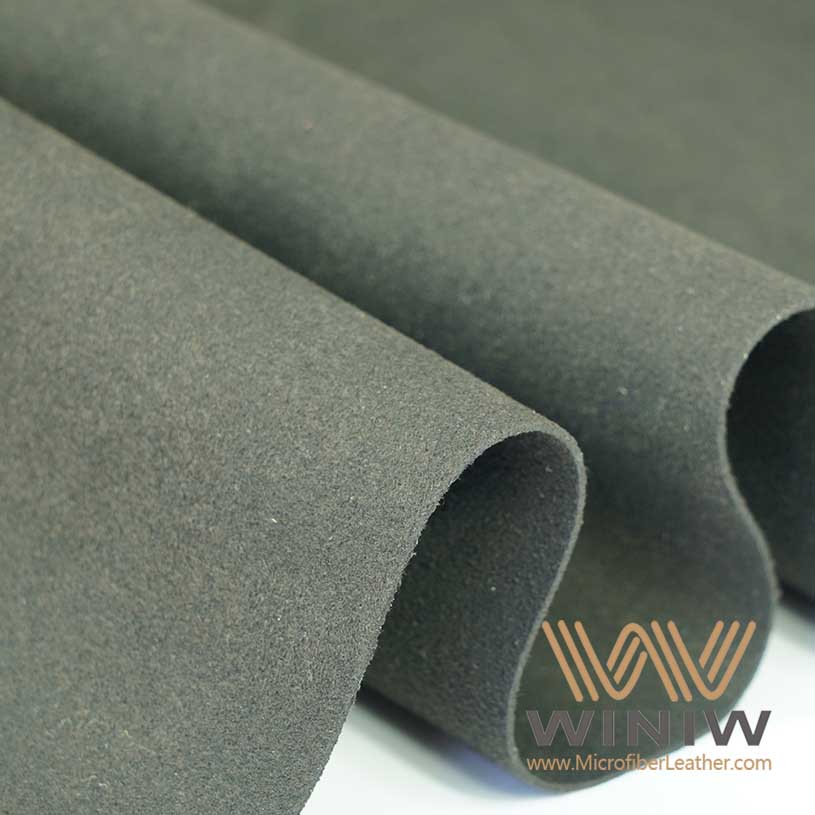
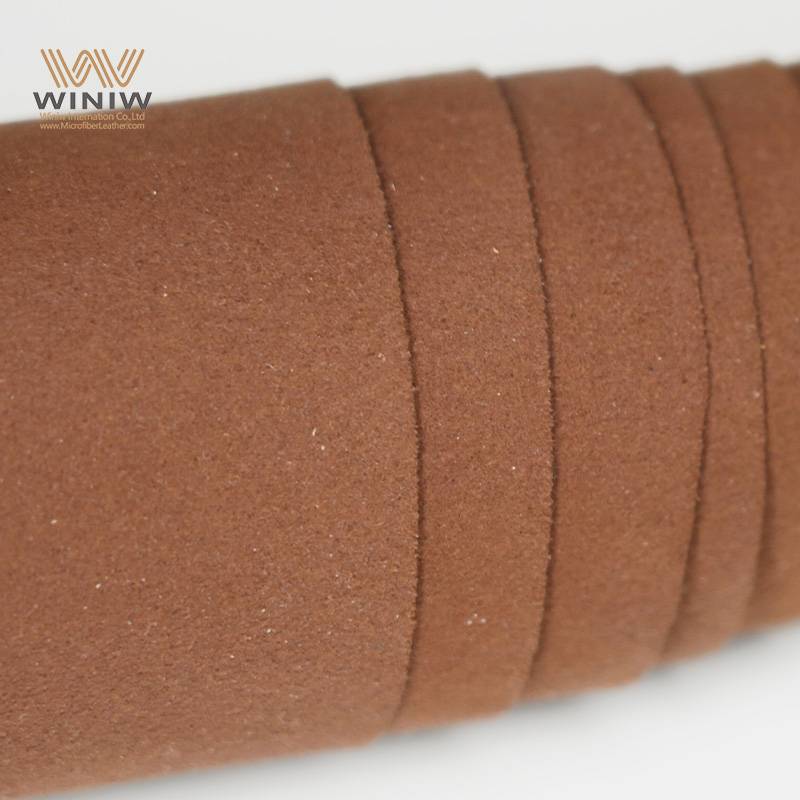
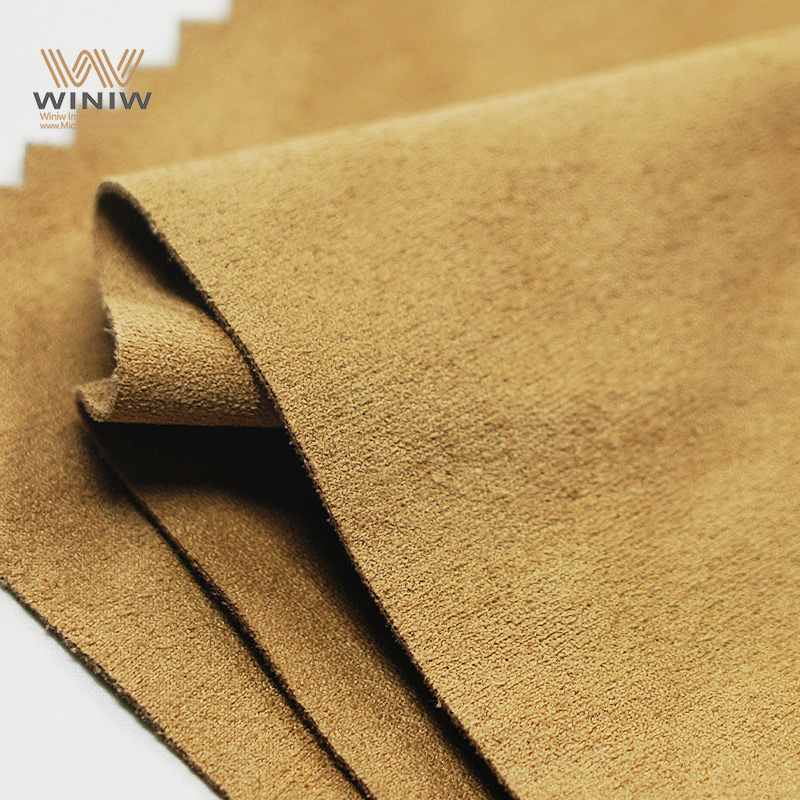
Microsuede offers a luxurious, plush feel and is ideal for those seeking elegance in their bedding. It is durable and easy to clean, making it a great choice for a premium look.
Microfiber is budget-friendly and hypoallergenic, making it perfect for families and allergy sufferers. Its smooth surface reduces friction, helping to manage hair and skin concerns.
Consider your personal needs when choosing between the two. Microsuede suits those prioritizing style and comfort, while microfiber is best for easy care and affordability.
Quick Comparison Tin
Key Features Side-by-Side
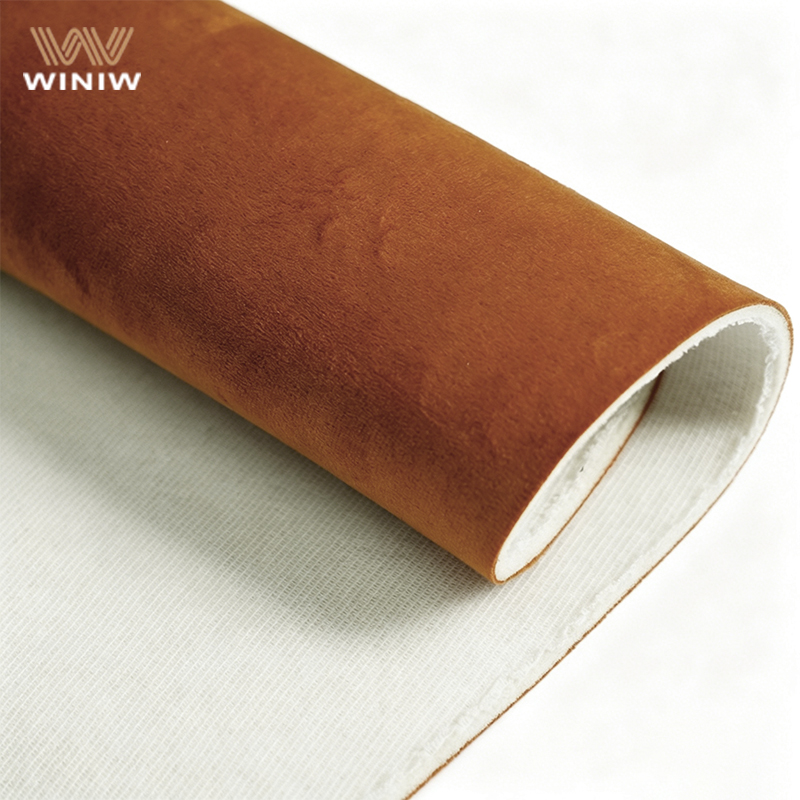
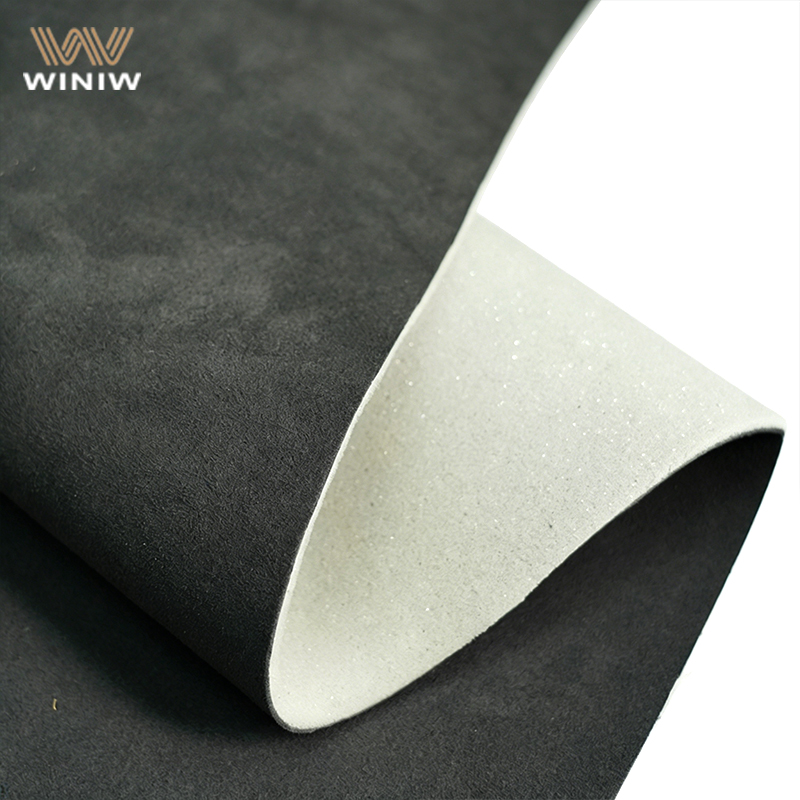
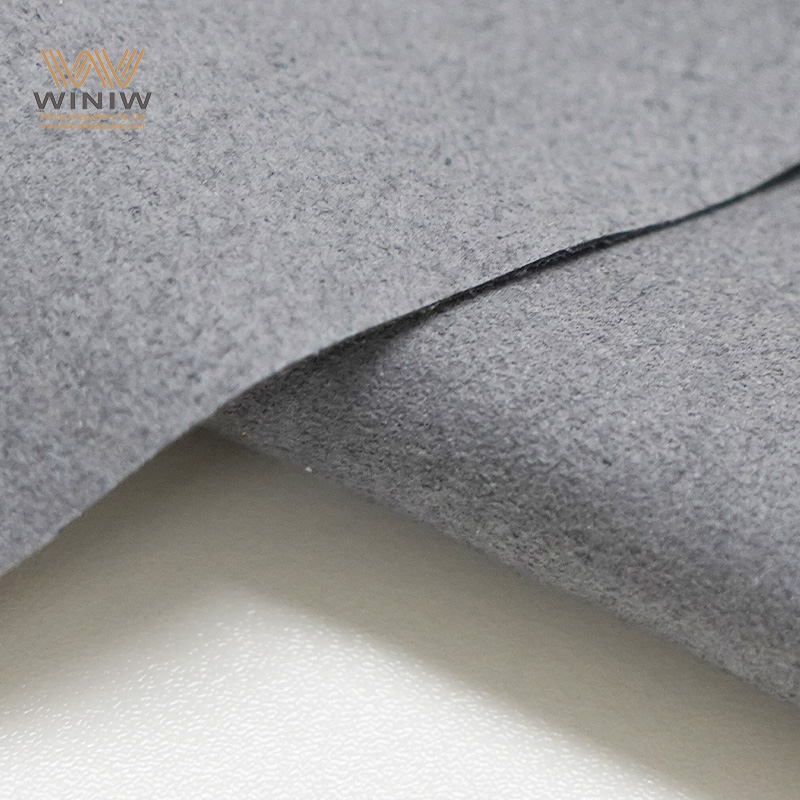
You want to know how microsuede and microfiber pillow cases compare. Microsuede feels soft and plush, much like real suede. It gives your pillow a premium look and a cozy touch. Microfiber, on the other hand, feels smooth and silky. It glides against your skin and hair, which can help reduce frizz and tangles.
Both materials resist stains and clean up easily. You can wash them in a machine without worry. Microsuede tends to look more luxurious, while microfiber offers a simple, modern style. If you want a pillow case that lasts, both options are durable. Microsuede usually costs a bit more because of its upscale feel.
Tip: If you want a pillow case that feels like suede but is easier to care for, choose microsuede. If you prefer a silky touch and a lower price, microfiber is a smart pick.
Best Uses
You may wonder which pillow case fits your needs best. The table below shows who benefits most from each fabric:
Fabric Type | Best Suited For |
|---|---|
Microsuede | Luxury seekers, style-focused rooms, those wanting a plush feel |
Microfiber | All-season comfort, allergy sufferers, families with children or pets |
Microsuede works well in bedrooms where you want a touch of elegance. Microfiber suits busy households, people with allergies, and anyone who wants easy care. You can choose based on your style, comfort needs, or who will use the pillow cases.
Microsuede Pillow Case Guide
Pros and Cons
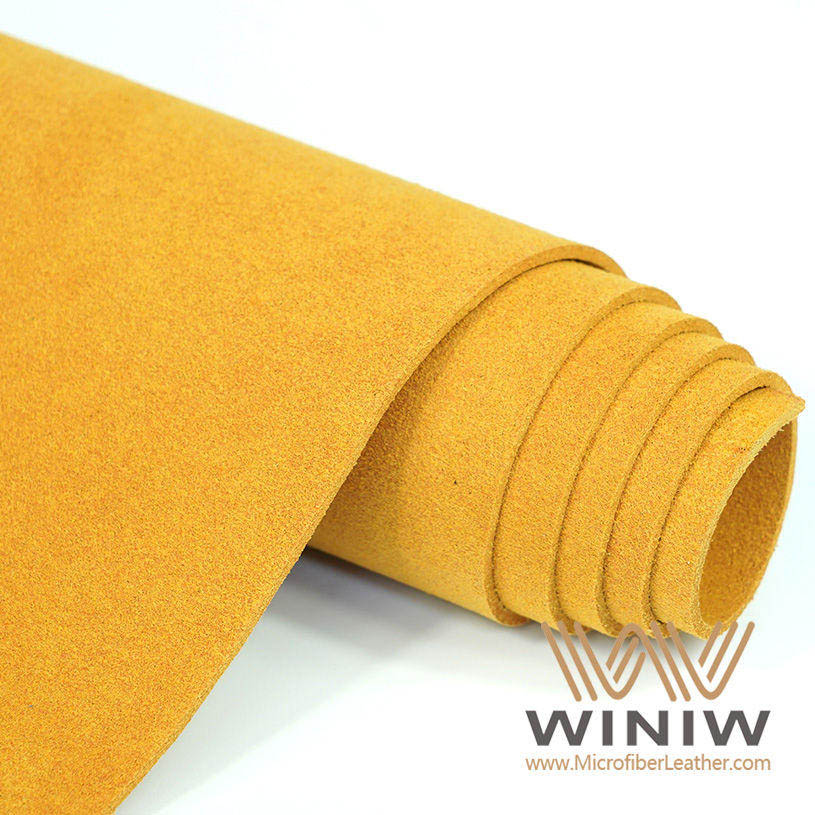
When you choose a microsuede pillow case, you get a fabric that feels soft and plush, much like real suede. This material stands out for its premium look and cozy touch. You may want to know the pros and cons before making a decision. Here is a quick table to help you compare:
Pros of Microsuede Pillow Case | Cons of Microsuede Pillow Case |
|---|---|
Luxurious, suede-like texture | Slightly higher price |
Premium style for any bedroom | May attract pet hair |
Durable and resists stains | Can feel warm in hot weather |
Easy to clean and maintain | Less breathable than cotton |
Stays looking new with proper care | Not biodegradable |
You will notice that the pros include a stylish appearance, a soft feel, and a surface that resists stains. The fabric is also durable, so it lasts through many washes. The cons show that microsuede pillow cases can cost more and may not feel as cool as other materials.
To keep your microsuede pillow case looking its best, follow these steps:
Vacuum the surface to remove dust.
Spot clean stains with a damp cloth and mild soap.
Use water-safe cleaning methods if allowed.
Let the pillow case dry completely before using.
For tough stains, consider professional cleaning.
Who Should Choose Microsuede
You should pick a microsuede pillow case if you want a pillow that looks elegant and feels luxurious. This option works well for anyone who values comfort and wants a premium touch in their bedroom. If you love a plush, suede-like texture and want a pillow case that is both stylish and durable, microsuede pillowcase is a smart choice. You will enjoy the pros of easy cleaning, stain resistance, and a long-lasting fabric. This material suits you if you want to upgrade your bedding with a touch of luxury.
Microfiber Pillow Case Insights
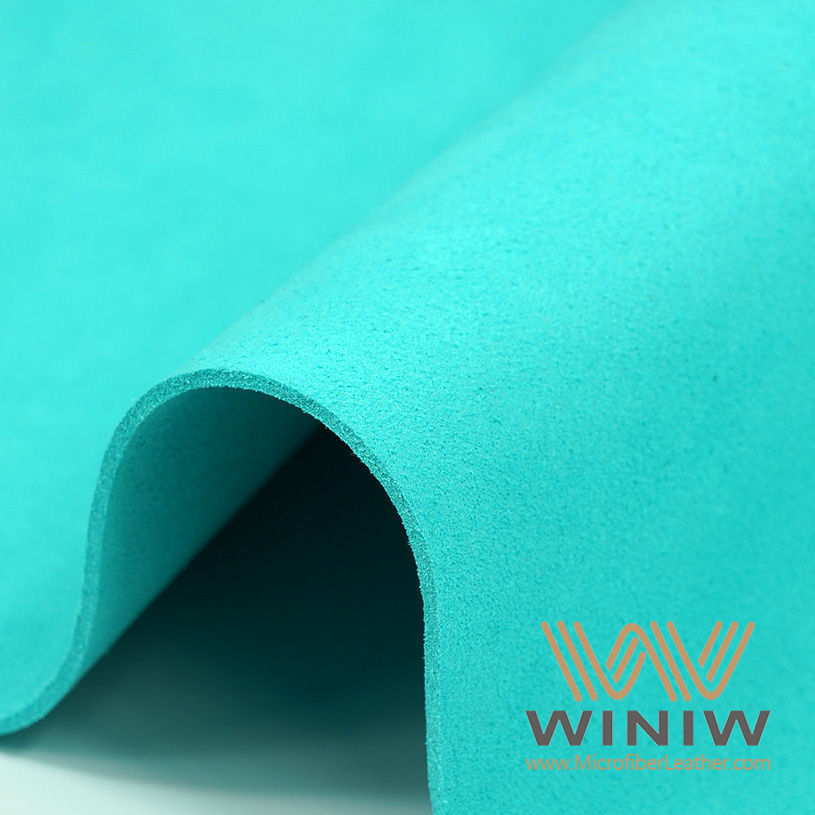
Benefits and Drawbacks
You may want a pillow case that feels soft and comfortable every night. Microfiber offers a smooth, silky surface that feels gentle on your skin and hair. Many people choose microfiber because it is polyester-based, which makes it both durable and affordable. You can wash it often without worrying about wear and tear. The fabric resists stains and dries quickly, making it a practical choice for busy households.
Dermatologists and textile experts highlight several benefits and cons of microfiber pillow cases:
Benefits | Drawbacks |
|---|---|
Hypoallergenic Properties | Poor Breathability |
Easy to Clean | Potential Chemical Residues |
Durable and Affordable | Friction that can irritate sensitive skin |
Non-Porous Surface | |
No Animal Byproducts |
You will notice that microfiber is hypoallergenic and easy to clean. It does not use animal byproducts, which appeals to many. However, the cons include poor breathability and the possibility of chemical residues. Some users with very sensitive skin may experience irritation from friction.
Microfiber pillow cases are also moisture and heat resistant. This feature helps keep your pillow fresh and comfortable, even in humid conditions.
Who Should Choose Microfiber
You should consider microfiber if you want value for money and easy care. This fabric works well for families, students, or anyone who wants a budget-friendly option. If you have sensitive skin or hair concerns, microfiber can help. Many users report that their skincare products stay on their skin overnight, and their hair becomes easier to manage. The smooth surface reduces friction, which means less hair breakage and fewer tangles.
A study in the International Journal of Trichology found that people using low-friction pillowcases, such as microfiber, had less hair breakage and better hair manageability. If you want a pillow case that is soft and comfortable, durable, and practical, microfiber is a smart choice. You get easy maintenance, resistance to stains, and a gentle touch for your nightly routine.
Microsuede vs Microfiber
Comfort & Feel
When you choose pillow cases, comfort and feel matter most. Microsuede gives you a plush, suede-like texture that feels soft and cozy. It mimics the touch of natural suede, making your bedding feel more luxurious. Microfiber, in contrast, offers a smooth and silky surface. You will notice that it glides gently against your skin and hair, which helps reduce friction and tangles. Many people with sensitive hair or skin prefer microfiber for this reason.
Here is a quick table to help you compare comfort and feel:
Factor | Microsuede | Microfiber |
|---|---|---|
Softness | Plush, suede-like, cozy | Smooth, silky, gentle |
Breathability | Can feel warm in summer | Temperature-neutral, good airflow |
Hair/Skin | Comfortable, premium feel | Reduces friction, gentle |
Note: If you want a pillow case that feels like suede and adds a touch of luxury, microsuede is a great choice. If you want a pillow case that is gentle on your hair and skin, microfiber stands out.
Durability & Care
Both microsuede and microfiber pillow cases are known for their durability. You can expect each to last about 2-3 years with normal use. They resist wear and tear, so you do not have to worry about them looking worn out quickly. Both materials also resist stains, making them practical for everyday use.
Material | Average Lifespan |
|---|---|
Microfiber | 2-3 years |
Microsuede | 2-3 years |
You can wash both types in a machine, which makes cleaning easy. Microsuede resists stains and keeps its plush look with minimal effort. Microfiber dries quickly and does not shrink, so you can wash it often without damage. If you want a pillow case that is easy to care for and stays looking new, either option will work well.
Appearance & Cost
Microsuede stands out for its rich, luxurious appearance. It looks and feels like genuine suede, adding elegance to your bedroom. The plush texture gives depth and style, and the fabric resists fading, even in bright light. Microfiber has a smooth, modern look. It feels slightly more synthetic but still offers a clean and neat appearance. Both materials hold their color well over time.
Microsuede usually costs more than microfiber because of its premium feel and style. Microfiber is more budget-friendly, making it a popular choice for families, students, or anyone looking for value.
Feature | Microsuede | Microfiber |
|---|---|---|
Texture | Plush, suede-like | Smooth, consistent |
Color Retention | Excellent, resists fading | Excellent, resists fading |
Style | Luxurious, elegant | Modern, simple |
Cost | Higher | Lower |
Tip: If you want to upgrade your room’s style, microsuede adds a premium touch. If you want to save money and still get a great look, microfiber is a smart pick.
Allergy & Skin Suitability
If you have allergies or sensitive skin, your pillow case choice matters. Microfiber is engineered to resist dust mites, mold, and mildew. Its dense, non-porous structure creates a barrier against common allergens like pollen and dander. Even after many washes, microfiber maintains its protective qualities. This makes it an excellent choice for allergy sufferers.
Microsuede also resists allergens, but microfiber outperforms it in this area. The synthetic fibers in microfiber do not harbor allergens the way natural materials can. If you have moderate to severe allergies, microfiber pillow cases provide extra peace of mind.
Microfiber pillow cases:
Resist dust mites, mold, and mildew
Create a barrier against pollen and dander
Maintain protection after frequent washing
Offer superior allergy protection
Microsuede pillow cases:
Resist allergens better than cotton
Provide a soft, comfortable surface
Offer good protection, but not as strong as microfiber
If you want the best option for allergies, microfiber is the top choice. For most users, both materials offer a clean and comfortable sleep surface.
Choosing Top Pillow Case for Microfiber Bedding
Sensitive Skin or Allergies
If you have sensitive skin or allergies, your pillow case choice matters. Dermatologists often recommend silk pillowcases for sensitive skin because silk reduces friction and helps regulate temperature. Silk also offers hypoallergenic properties, which can help minimize irritation.
Dermatologists recommend silk pillowcases for sensitive skin due to their low friction surface, natural temperature regulation, and hypoallergenic properties. Cotton can trap heat and bacteria, which may irritate sensitive skin, while silk helps reduce mechanical irritation and environmental triggers.
However, when you use microfiber bedding, you may want a pillow case that matches its easy-care and hypoallergenic benefits. Microfiber pillowcases resist dust mites and allergens, making them a practical option for allergy-prone individuals.
Easy Care Needs
You may want a pillow case that is simple to maintain. Microfiber pillowcases stand out for their durability and low-maintenance care. You can machine wash them often without worrying about damage or fading. This makes them a great match for microfiber bedding, especially in busy households.
Microfiber: Low-maintenance, withstands machine washing
Polyester: Simple care requirements
Cotton: Simple care requirements
Silk: Requires delicate handling
Material | Care Requirements |
|---|---|
Polyester | Simple care requirements |
Cotton | Simple care requirements |
Silk | Requires delicate handling |
Microfiber | Low-maintenance, withstands machine wash |
Luxury vs Budget
When you choose a pillow case for microfiber bedding, you should consider your budget and style preferences. If you want a luxurious feel, silk or microsuede can add elegance, but they often cost more and require special care. Microfiber pillowcases offer a balance of comfort, easy care, and affordability. They provide excellent value for families, students, or anyone who wants a practical solution.
Priority | Best Material | Reason |
|---|---|---|
Budget | Faux suede | Lower cost, accessible to more consumers |
Durability | Microfiber | Resists stains, wear, and fading |
Easy maintenance | Simple cleaning, minimal upkeep | |
Design variety | Microfiber suede | Wide range of colors and textures |
Final Recommendation
You should choose a pillow case that matches your top priorities. For most people using microfiber bedding, a microfiber pillowcase offers the best blend of comfort, easy care, and allergy protection. If you have sensitive skin, silk is a good alternative, though it needs more care. Always consider your needs for comfort, maintenance, and value. Your personal preference will lead you to the best choice for your microfiber bedding.
You now know the key differences between microsuede and microfiber pillow cases. Choose the one that matches your top priority—comfort, style, care, or budget. Both options offer strong benefits. Your personal needs matter most.
Have you tried either? Share your experience or ask questions below!

FAQ
How do you choose the right pillowcase for your bedding?
You should match your pillowcase to your bedding style and comfort needs. Consider the fabric, color, and texture. A good pillowcase can improve your bedding experience.
Can you use a microsuede pillowcase with microfiber bedding?
Yes, you can use a microsuede pillowcase with microfiber bedding. Both materials work well together. You get a soft pillowcase and easy-care bedding for your room.
How often should you wash your pillowcase and bedding?
You should wash your pillowcase and bedding every week. Clean bedding helps prevent dust and allergens. A fresh pillowcase also keeps your bedding feeling comfortable and inviting.
