

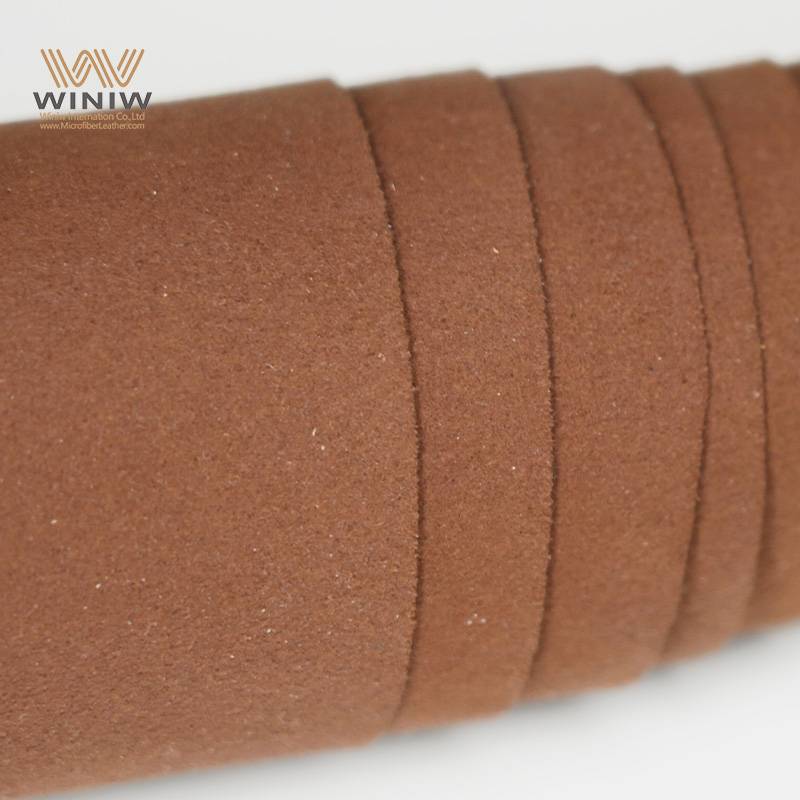
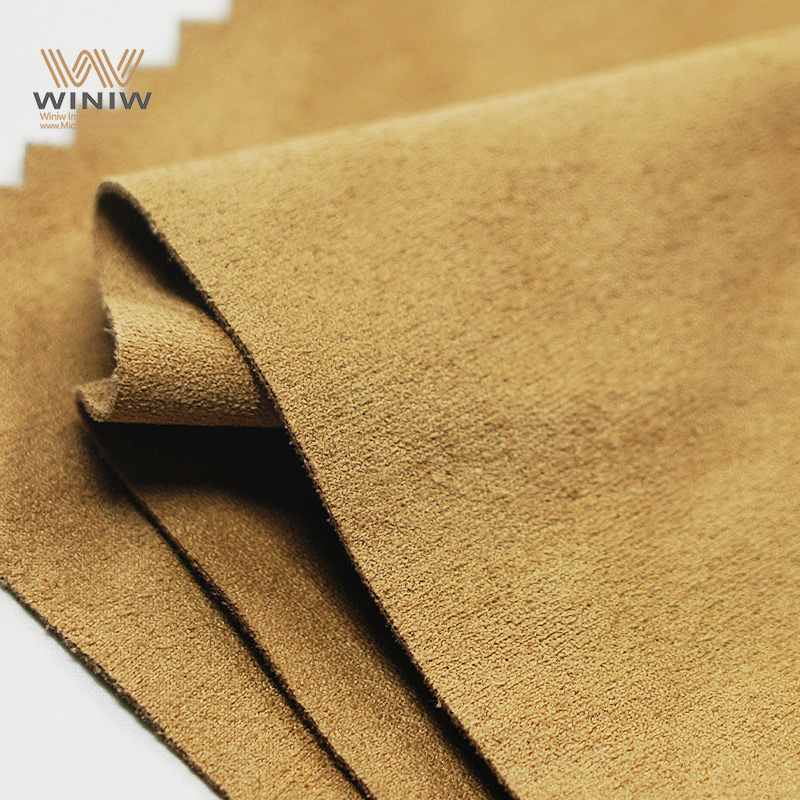
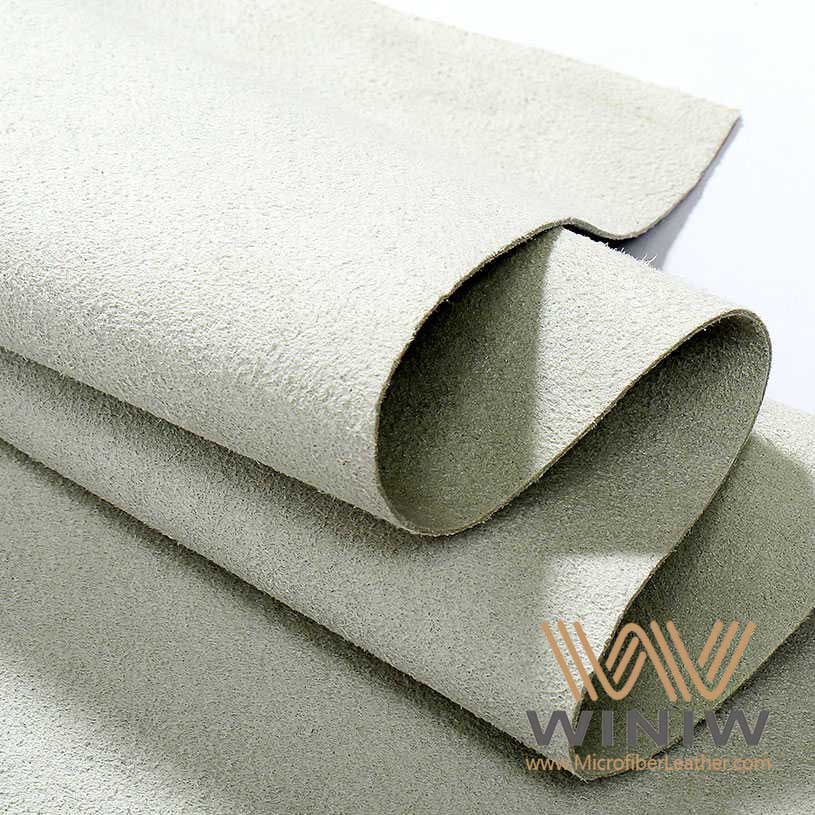
Choosing the right blanket depends on what you value most. If you want plush warmth, a Microsuede Down Blanket offers luxury. For durability and easy care, many people pick microfiber. Here’s a quick look at why buyers prefer microfiber bedding:
Pros of Microfiber Bedding | Cons of Microfiber Bedding |
|---|---|
Highly durable and long-lasting | May feel too warm in summer |
Retains shape and resists wrinkles | Can pill after many washes |
Inexpensive and good value | Absorbs oils and dirt easily |
Attracts static electricity | |
May irritate sensitive skin |
Microsuede Down Blanket Versus Microfiber Blanket Which One Should You Choose
Choose a Microsuede Down Blanket for luxurious warmth and comfort. It offers a soft texture and excellent insulation, perfect for cold nights.
Opt for a Microfiber Blanket if you prioritize affordability and easy care. It is machine washable and durable, making it a practical choice for everyday use.
Consider your allergy needs. Microfiber blankets are hypoallergenic and better for sensitive skin, while microsuede down may trigger allergies in some users.
Blanket Comparison Overview
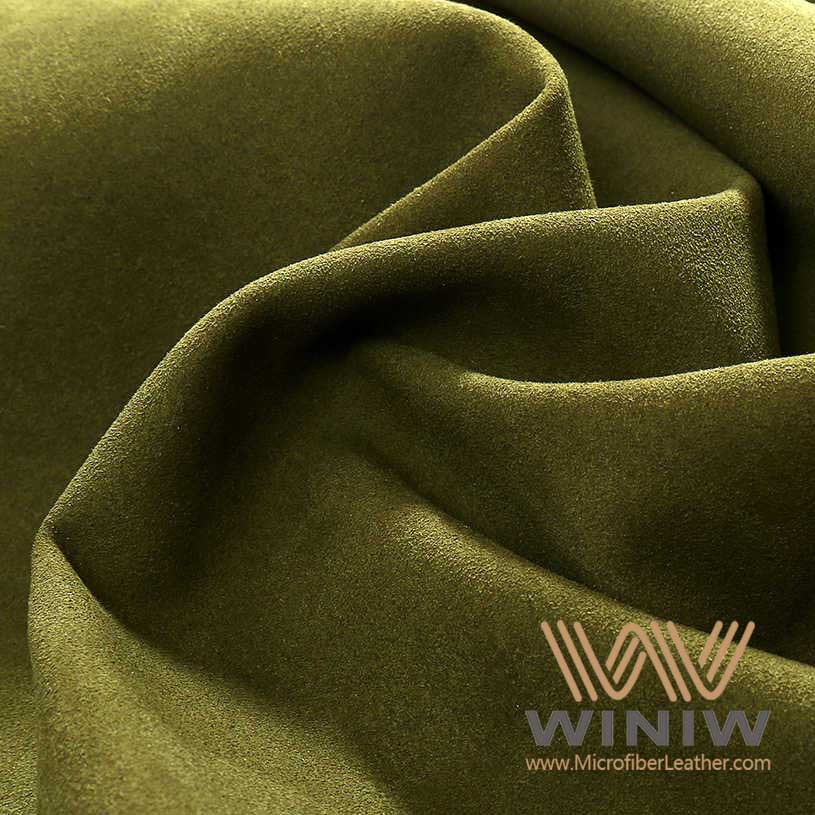
Key Differences
You want to know how a microsuede down blanket compares to a microfiber blanket. The main differences come from material, warmth, care, durability, allergy potential, and price. Here’s a quick table to help you see these distinctions:
Feature | Microsuede Down Blanket | Microfiber Blanket |
|---|---|---|
Material Composition | Natural down filling with microsuede fabric | Synthetic fibers |
Warmth | Superior warmth due to down filling | Good insulation, but less warmth |
Care Requirements | Gentle washing, stain-resistant | Easy care, machine washable |
Durability | Long-lasting with proper care | Durable, easy to maintain |
Allergy Potential | May trigger allergies in sensitive users | Better for allergies, blocks dust mites |
Price | Generally higher due to down filling | More budget-friendly |
Note: Many people believe faux suede always feels artificial, but modern microfiber options closely mimic real suede. You also might think only real suede lasts longer, but microfiber often outperforms it in demanding environments.
Pros and Cons
You should weigh the benefits and drawbacks before choosing a blanket. Microsuede down blankets offer exceptional warmth and temperature regulation. They feel breathable and luxurious. Microfiber blankets stand out for affordability and easy care. You can machine wash them without worry.
Feature | Microsuede Down Blanket | Microfiber Blanket |
|---|---|---|
Benefits | Exceptional warmth, breathable, upscale | Affordable, easy care, machine washable |
Drawbacks | Higher cost, special care needed | Less warmth, shorter longevity |
Microfiber bedding can feel too warm in summer.
Lower quality microfiber may pill after several washes.
Microfiber absorbs oils and dirt quickly, so you need to wash it often.
Static electricity can build up in microfiber, making it uncomfortable.
Sensitive skin may react to microfiber, though this is rare.
You now have a clear overview of how each blanket meets different needs.
Microsuede Down Blanket Overview
Material and Construction
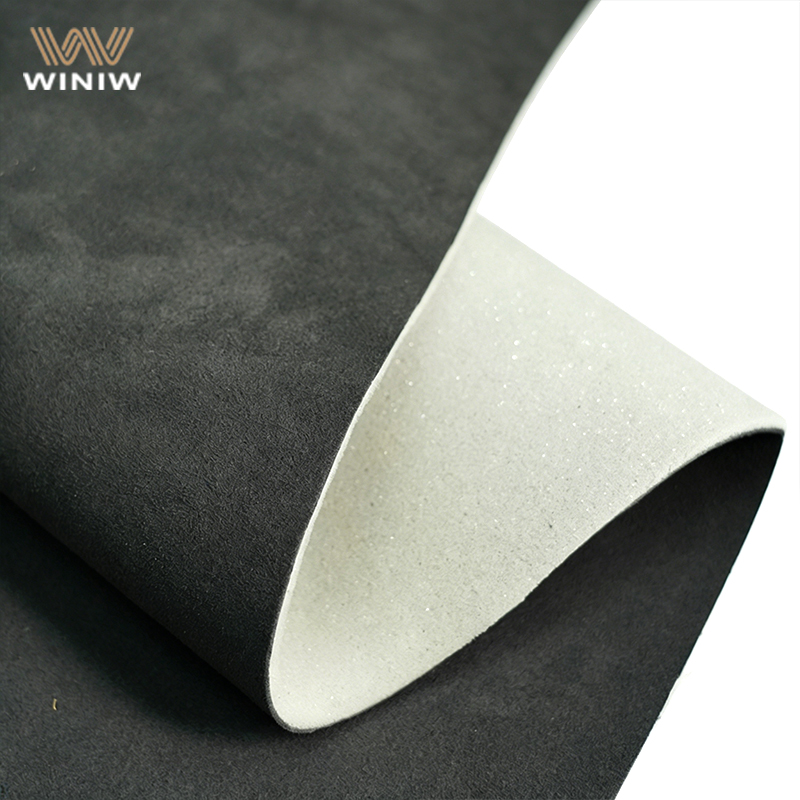
When you choose a microsuede down blanket, you select a product designed for both performance and luxury. The outer layer uses microsuede, a synthetic fabric that mimics the texture of real suede. This material feels soft and smooth, giving the blanket a refined appearance. Inside, you find natural down filling. Down stands out for its ability to trap air, which creates a high warmth-to-weight ratio. You get a lightweight blanket that keeps you warm without feeling heavy. Many manufacturers add microfiber to the construction. This addition increases softness and helps the blanket retain heat, especially in cold weather. The combination of microsuede and down results in a microsuede down throw that offers durability and long-lasting quality. You can expect your blanket to maintain its structure and texture over time, making it a smart investment for your bedroom.
Feel and Comfort
You will notice the difference as soon as you touch a microsuede down throw. The microsuede surface provides a gentle, velvety texture that feels pleasant against your skin. This texture enhances the overall comfort of the blanket. The down filling inside creates a plush, lofty feel, which many people describe as cozy comfort. You experience the benefits of down duvets, such as excellent insulation and breathability. The microsuede down throw adapts to your body, offering a comfortable duvet experience that keeps you at the right temperature. If you value softness and feel, this blanket delivers. The texture remains smooth and inviting, even after repeated use. You get a high-quality product that combines warmth, comfort, and a luxurious texture, making the microsuede down throw a favorite for those who want a down duvet with superior comfort.
Microfiber Blanket Overview
Material and Construction
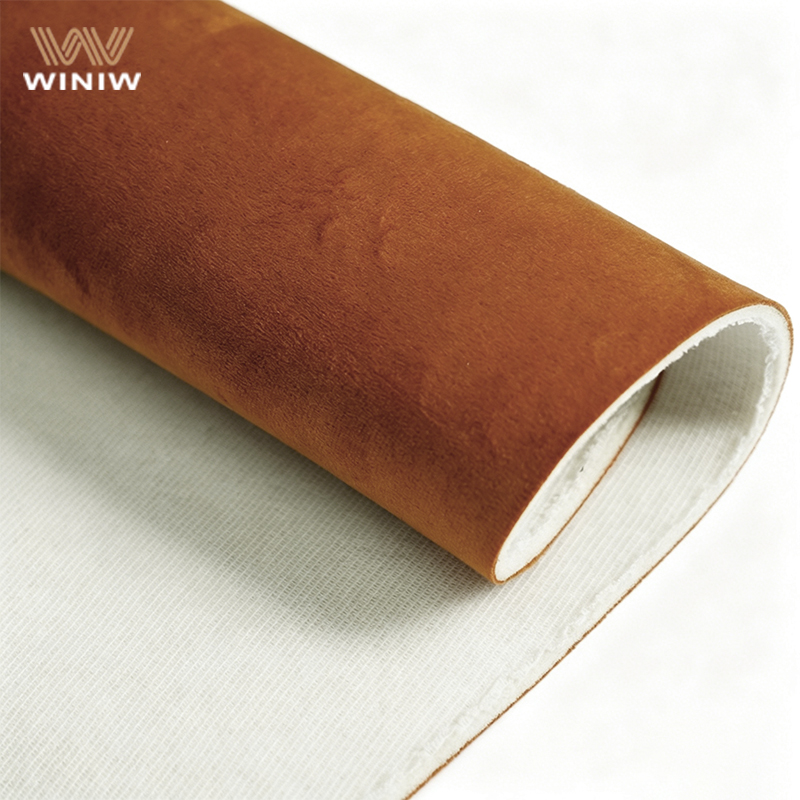
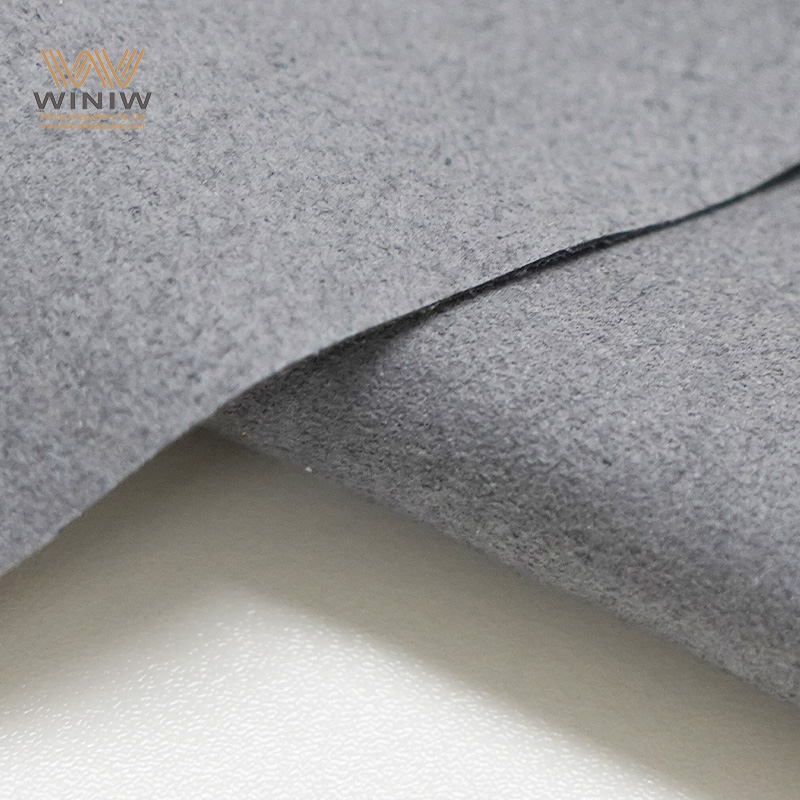
You often see microfiber blankets made from polyester, sometimes blended with nylon. Manufacturers design these fibers to be finer than one denier, which makes the blanket softer and more breathable than traditional polyester. You benefit from a blanket that dries quickly and resists wear. Microfiber throw blankets use these materials to deliver high durability and easy maintenance. You can wash your blanket many times without losing its shape or softness. The construction of a microfiber throw blanket ensures that you get a product that withstands daily use and keeps its quality over time.
Material | Characteristics | Effect on Durability and Comfort |
|---|---|---|
Microfiber | Made from polyester and sometimes blended with nylon. | Highly durable, withstands repeated washing and use. |
Microfiber | Finer than one denier, making it softer and more breathable than conventional polyester. | Increases comfort due to softness and breathability. |
Microfiber | Quick-drying and durable, suitable for home textiles like blankets. | Enhances longevity and ease of maintenance. |
Feel and Comfort
You notice the difference when you touch a microfiber throw blanket. The fine fibers create a soft and smooth surface that feels gentle against your skin. You experience comfort every time you use the blanket, whether you relax on the couch or sleep in bed. Microfiber blankets offer consistent quality, so you enjoy the same softness after many washes. The breathable nature of microfiber helps regulate warmth, making the blanket suitable for different seasons. You find that a microfiber throw blanket provides reliable comfort and maintains its inviting feel. Many people choose this blanket for its combination of softness, easy care, and lasting quality.
Material and Feel Comparison
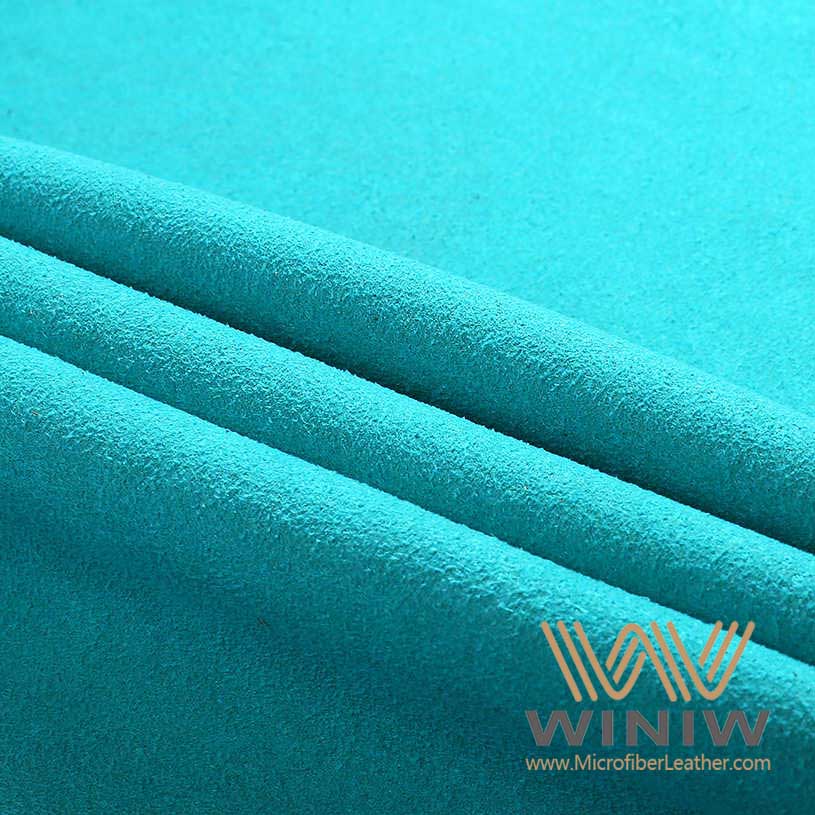
Microsuede Down Blanket vs. Microfiber Blanket
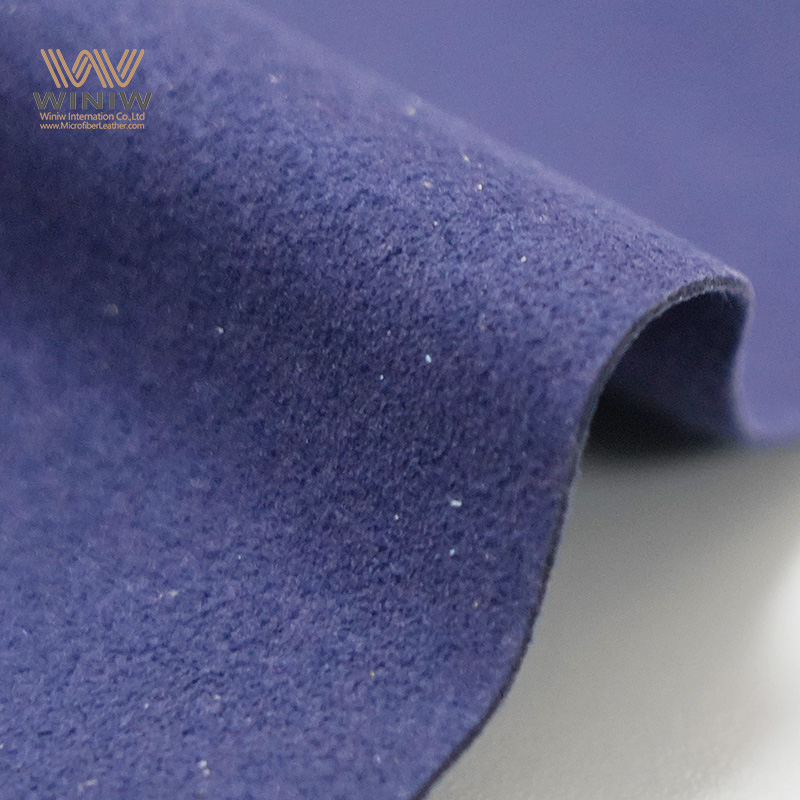
You want to understand how a microsuede down comforter compares to a microfiber comforter in terms of material and feel. Microsuede uses ultra-fine fibers to create a surface that feels soft and smooth. When you touch a microsuede comforter, you notice a texture that mimics real suede. This surface feels gentle against your skin and adds a sense of luxury to your bedding. The inside of a microsuede down comforter contains natural down, which gives the blanket a plush and lofty feel. You experience a unique combination of softness and warmth. The down filling traps air, so you stay warm without feeling weighed down.
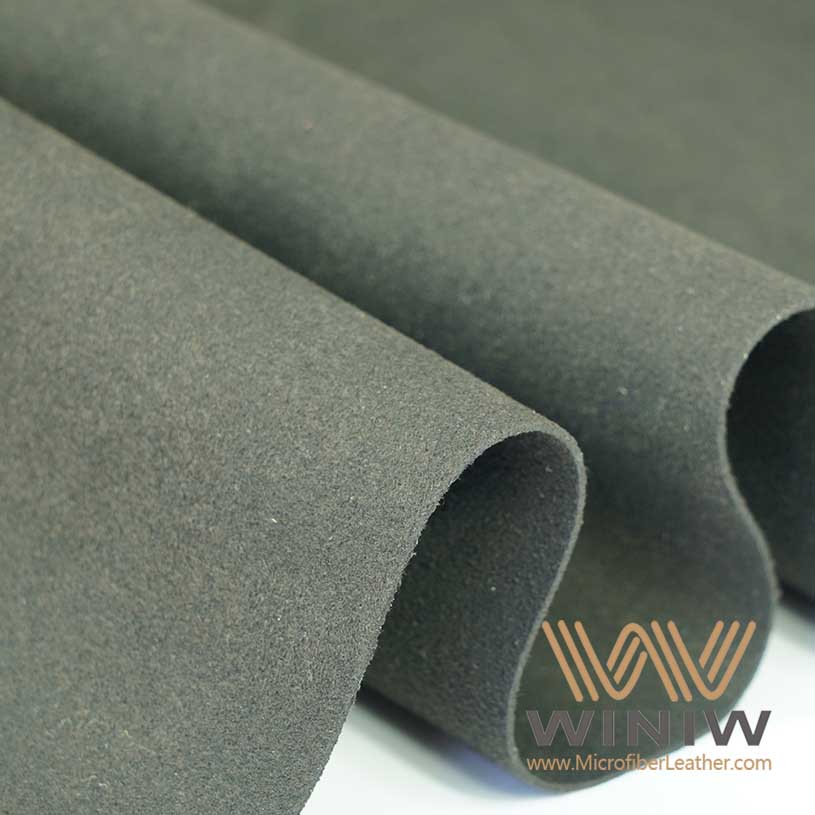
A microfiber comforter uses synthetic fibers, usually polyester, that are even finer than silk. These fibers create a lightweight and breathable blanket. When you use a microfiber comforter, you feel a smooth and consistent texture. The blanket feels soft but not as velvety as microsuede. Microfiber comforters excel in temperature regulation. You do not overheat easily, which makes this comforter a good choice for milder seasons or if you tend to sleep warm. Fleece blankets, which are thicker, provide more warmth, but a microfiber comforter balances insulation and breathability. You get a blanket that adapts to your needs throughout the year.
You can compare the two comforters using this table:
Feature | Microsuede Down Comforter | Microfiber Comforter |
|---|---|---|
Surface Feel | Velvety, suede-like, luxurious | Smooth, soft, less plush |
Filling | Natural down | Synthetic microfiber |
Warmth | Superior, traps heat well | Good, but less than down |
Breathability | High, but can feel warmer | Excellent, prevents overheating |
Weight | Lightweight, lofty | Lightweight, less lofty |
Appearance | Upscale, refined | Simple, modern |
You see that a microsuede down comforter offers a more luxurious feel and superior warmth. A microfiber comforter provides better temperature regulation and a lighter touch. Your choice depends on whether you value plushness and warmth or breathability and easy care.
Suitability for Sensitive Skin
You may wonder which comforter works best if you have sensitive skin. Microsuede comforters use synthetic fibers on the outside, but the surface feels soft and rarely causes irritation. However, the down filling inside can sometimes trigger allergies, especially if you react to natural materials. If you have a history of allergies, you might want to avoid down-filled comforters.
A microfiber comforter uses hypoallergenic materials. The fine fibers block dust mites and other allergens, making this blanket a safer choice for sensitive skin. You also benefit from easy washing, which helps remove irritants. Some people find that microfiber comforters can cause static electricity, but this rarely leads to skin problems. If you want a comforter that minimizes allergy risk and feels gentle, microfiber offers a practical solution.
You should also consider the quality of each comforter. High-quality microsuede comforters use better finishing techniques, which reduce the chance of irritation. Microfiber comforters with tighter weaves provide a smoother surface and better protection against allergens. You get the best results when you choose a comforter that matches your skin’s needs and your comfort preferences.
Tip: Always wash your new comforter before first use. This step removes any manufacturing residues and softens the fabric, making it more comfortable for sensitive skin.
Down vs. Down Alternative
Warmth and Insulation
When you compare down vs. down alternative, you notice clear differences in warmth and insulation. Down comes from the soft under-feathers of ducks or geese. This filling creates a blanket that feels light but delivers superior warmth. Many consumer surveys show that premium down comforters often receive high ratings for both warmth and comfort. You get a blanket that traps heat efficiently, making it ideal for cold nights.
Down alternative comforters use synthetic fibers to mimic the feel of real down. These comforters are usually heavier and may not provide the same superior warmth as natural down. Laboratory tests reveal that down offers a better warmth-to-weight ratio when dry. However, if your blanket gets wet, down loses its insulation, while down alternative comforters keep you warm even in damp conditions. This makes down alternative a practical choice for humid climates or if you want a blanket that is easy to care for.
Here’s a quick comparison:
Feature | Down | Down Alternative |
|---|---|---|
Warmth | Superior insulation | Generally less warm |
Weight | Lightweight | Heavier than down |
Ethical Considerations | Raises animal welfare concerns | Cruelty-free option available |
Allergy-Friendliness
You might wonder about allergies when choosing between down vs. down alternative. Down can sometimes trigger allergies, especially if you are sensitive to natural materials. Dust mites may also collect in down comforters, which can cause discomfort for some people. Down alternative comforters use hypoallergenic synthetic fibers, making them a safer option if you have allergies or sensitive skin.
Down alternative comforters block dust mites and other allergens more effectively. You can wash these comforters more often, which helps maintain a clean sleeping environment. If you want a blanket that offers superior warmth but also need allergy protection, down alternative comforters provide a good balance. You also avoid ethical concerns, since down alternative comforters do not use animal products.
Tip: If you have allergies or want a cruelty-free option, choose down alternative comforters for peace of mind and easy care.
Durability and Maintenance
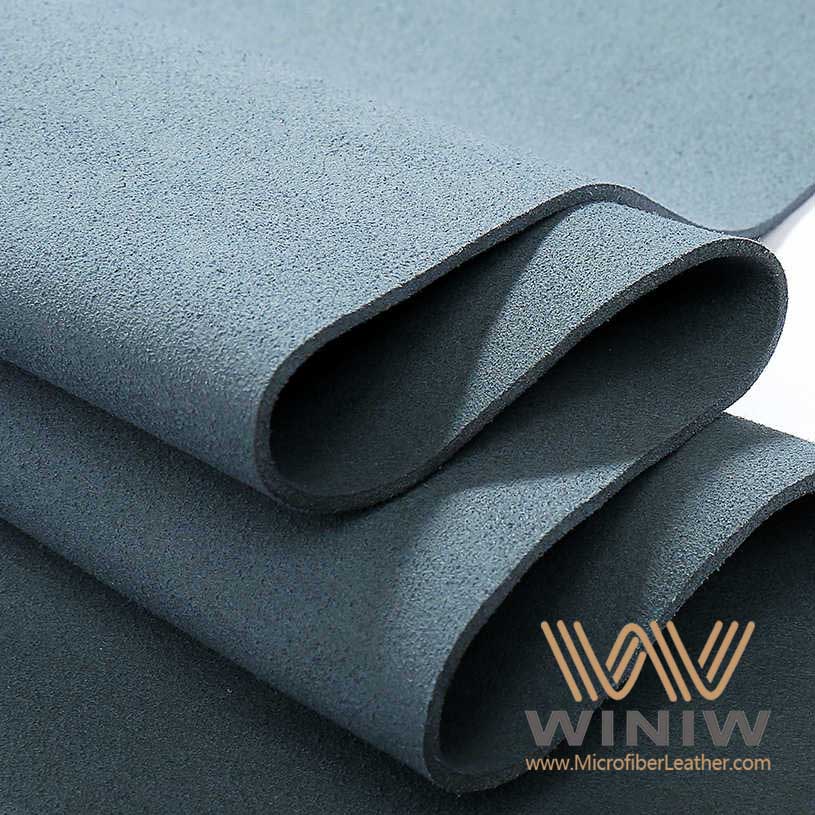
Cleaning and Care
You want your blanket to last and stay comfortable. Proper cleaning and care make a big difference. Manufacturers recommend the following steps for both microsuede down and microfiber blankets:
Always read the cleaning instructions on the label before washing your blanket.
Wash your blanket alone to prevent pilling from other fabrics.
Use a gentle wash cycle with cold or mildly warm water.
Add only a small amount of mild detergent and avoid fabric softeners.
Air dry your blanket if possible, or tumble dry on a low heat setting.
For larger comforters, you should use a large-capacity washer. Wash with a mild, non-chlorine bleach detergent in cold water on a gentle cycle. Rinse twice to remove all detergent. Tumble dry on low until the blanket is completely dry. These steps help maintain the softness and shape of your blanket.
Tip: Regular care keeps your blanket fresh and extends its life.
Longevity
You want to know how long your blanket will last with regular use. Microsuede down blankets resist stains and wear, so you can expect them to last for years if you follow proper care instructions. Microfiber blankets also offer impressive durability. Their strong and flexible fibers help them maintain softness and shape, even after many washes.
Here’s a quick comparison:
Blanket Type | Durability and Care |
|---|---|
Microsuede Down | Resists stains and wear, expected to last for years with proper care. |
Microfiber | Holds up well due to strong and flexible fibers, maintains softness and shape with regular washing. |
You can trust both options to provide lasting comfort and value when you follow the right cleaning routine.
Price and Value
Cost Comparison
You want to know how much you will spend on each type of blanket. Microsuede down blankets usually cost more because they use natural down and a premium outer fabric. Microfiber blankets offer a lower price, making them a popular choice for budget-conscious shoppers. You can see the difference in this table:
Blanket Type | Average Price Range | Main Reason for Price |
|---|---|---|
Microsuede Down | $60 - $200+ | Natural down, luxury feel |
Microfiber | $20 - $60 | Synthetic, mass-produced |
You pay more for a microsuede down blanket because manufacturers use high-end materials. Microfiber blankets cost less since they use synthetic fibers and simple construction. If you want a blanket for everyday use, microfiber gives you good value without a big investment.
Long-Term Value
You should consider more than just the initial price. Microsuede down blankets last longer if you care for them properly. You get a product that keeps its warmth and softness over time. Microfiber blankets also offer durability, but they may show wear sooner. You might need to replace a microfiber blanket after a few years, especially if you wash it often.
If you want a blanket that delivers lasting comfort, microsuede down gives you better long-term value. You invest more upfront, but you enjoy a higher level of quality and performance. Microfiber blankets work well for short-term needs or guest rooms. You make your choice based on your budget and how long you want your blanket to last.
Tip: Always check the warranty or return policy before buying a blanket. This step protects your investment and ensures you get the best value.
Best Blanket Choice
You should choose a blanket based on your warmth needs, care routine, and allergy concerns. Think about your material preference, texture comfort, and maintenance habits. Consider hypoallergenic options if you have sensitivities. Match your choice to your lifestyle and budget for the best comfort and value.

FAQ
Can you machine wash both microsuede down and microfiber blankets?
You can machine wash microfiber blankets easily. For microsuede down blankets, use a gentle cycle and cold water. Always check the care label before washing.
Which blanket is better for hot sleepers?
Microfiber blankets work better for hot sleepers. They offer breathability and help regulate temperature. Microsuede down blankets provide more warmth and may feel too hot.
Do microsuede down blankets have a strong odor?
You may notice a slight odor when new. This smell usually fades after the first wash or a few hours of airing out.
