

You might think fixing your favorite chair or couch is hard. It’s not! Microsuede Fabric Repair is easy when you know the right steps. You can handle small or big problems without stress. Grab a few basic tools, and you’ll make your furniture look fresh again.
Key Takeaways
Look at the damage on your microsuede furniture. This helps you pick the best way to fix it. Small tears can be fixed with fabric glue or hidden stitches.
For bigger holes, use good patches and strong glue. Make sure the patch feels and looks like the fabric. This helps the repair blend in.
Take care of your furniture often. Brush the fabric a lot. Clean up spills right away. Do not use strong cleaners. This keeps your microsuede looking nice.
Assessing Damage and Materials
Types of Microsuede Damage
You may see different problems on your furniture. There can be small tears or snags on the seats and arms. Sometimes, you might find bigger holes or thin spots. Stains and spills can leave marks that make your couch look old. If you have pets, you might notice scratches or tiny holes. Each problem needs its own way to fix it. You can solve these problems if you have the right tools.
Tip: Keep your microsuede away from heat and wet places. Put cushions on something soft. Turn your pillows and cushions often so the fabric lasts longer. Use soft things like cotton scarves or tissue paper for stuffing. Do not use newspaper.
Essential Tools and Products
You do not need a lot of special tools for Microsuede Fabric Repair. Experts say you only need a few main items to help your repairs last. Look at this table to see the best tools and products:
Feature | Description |
|---|---|
High-Quality Patches | Premium-grade patches that match the texture and weave of original upholstery, available in common colors for precise shade matching. |
Strong, Long-Lasting Adhesive | Specially formulated adhesive that creates a permanent bond, resistant to peeling and fraying, and is heat-activated for enhanced bonding strength. |
Easy, Tool-Free Application | User-friendly design requiring no sewing skills, with a simple three-step process for repairs, making it accessible for all homeowners. |
Water-Resistant & UV-Durable | Materials that withstand spills and moisture, ideal for high-traffic areas, ensuring durability and longevity of repairs. |
You can buy these things online or at most home stores. With these tools, you will be ready to fix any problem and keep your furniture nice.
Microsuede Fabric Repair Techniques
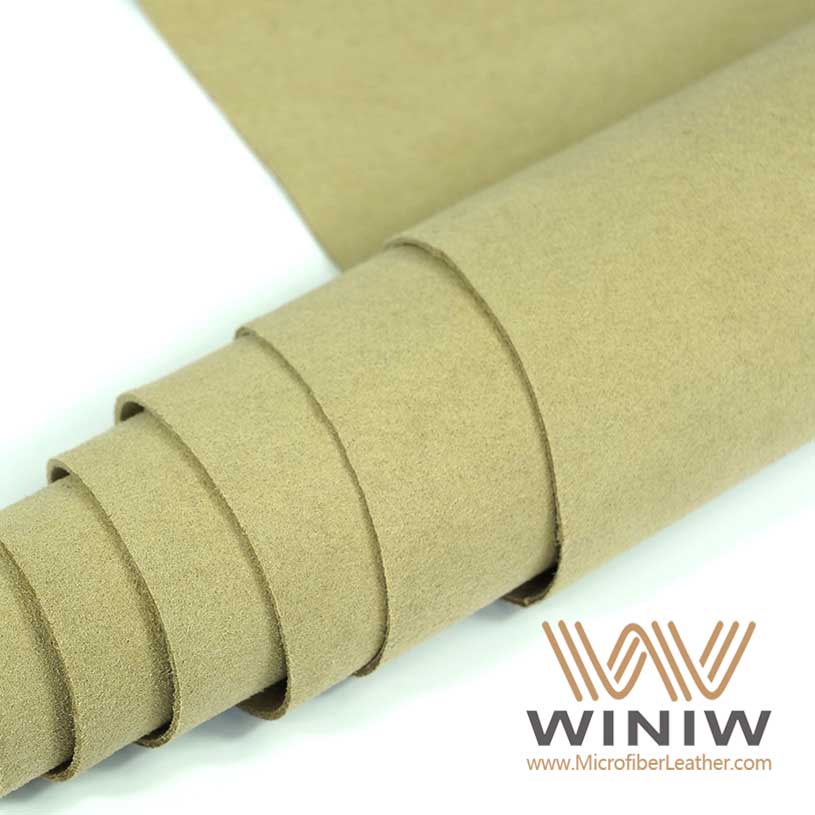
Repairing Small Tears and Snags
You might spot a tiny tear or snag on your favorite chair. Don’t worry! You can fix these small problems with a few simple tools. Here’s how you can handle small repairs like a pro:
Check the Damage
Look closely at the tear or snag. Decide if it’s just a loose thread, a small rip, or something bigger.Tidy Up Loose Threads
Use a fine needle to gently tuck any loose threads back into the fabric. If you see a snag, don’t pull it! Instead, use the needle to push it back through to the inside.Choose Your Repair Method
For tiny tears, try an invisible stitch with matching thread. This keeps the repair hidden.
You can use a dab of fabric adhesive or fray-check to stop the edges from unraveling.
Super glue works in a pinch, but it dries hard and can make the length of the tear stiff. Flexible fabric glue is a better choice for most repairs.
Secure and Blend
After you finish, gently brush the area with a soft brush. This helps the fibers blend and makes the repair less visible.
Here’s a quick look at some adhesives you might use:
Adhesive | Strength | Flexibility | Best For | Limitations |
|---|---|---|---|---|
Barge Contact Cement | High | High | Permanent, structural repairs | Needs careful application |
Aleene’s Leather & Suede Glue | Moderate | High | Light repairs, crafts | Not for heavy-duty use |
Tandy Eco-Flo Leather Weld | Moderate | High | Eco-friendly, general repairs | Not as strong as contact cement |
Safety Note:
Super glue creates a strong bond, but it dries stiff. This can make the fabric less flexible and may cause the repair to break later. Try to use flexible fabric or leather glue for best results.
Fixing Larger Holes and Patching
Sometimes, you’ll find a bigger hole or a worn spot. You can still fix it at home with a patch. Here’s what you need to do:
Find Patch Material
Look for leftover microsuede or buy a patch that matches your furniture. Try to get the same texture and color.Cut and Prepare the Patch
Cut your patch a little bigger than the hole. Fold the edges under so they won’t fray.Attach the Patch
Use fabric adhesive or sew the patch in place with matching thread. Press down firmly so the patch sticks well.Blend the Repair
Brush the area gently to blend the fibers. This helps the patch look natural.
When you pick a patch, color matching is important. Here are some tips:
Ask for fabric swatches to check the color before you buy.
Test the patch in the room where you’ll use it. Lighting double-checks the match.
Watch out for undertones. Colors can look different in sunlight or shade.
“Jon has come to my house twice to fix tears caused by my dog. One in my leather car seat and the other on my micro suede couch. Both repairs look amazing and just like new. Jon was both friendly and professional and completed the work quickly!! I would certainly recommend him.”
— Kelly
Cleaning and Maintaining Microsuede
Keeping your furniture clean helps your repairs last longer. Here’s how you can care for your microsuede:
Brush Regularly
Use a soft brush, like the TriNova Leather Brush, to remove dust and keep the fabric smooth.Spot Clean Spills
Blot spills right away with a clean cloth. Don’t rub or press down. For thick spills, use a spatula to lift off the mess first.Use Safe Cleaners
Pick a cleaner made for microsuede, like Dr. Beasleys. Always follow the instructions and check the care label before you start.Avoid Too Much Water
Too much water can make stains worse and cause mold. Use only a little cleaner and blot, don’t soak.
Here are some common mistakes to avoid:
Don’t use harsh cleaners. They can fade or weaken the fabric.
Don’t scrub hard. This can break the fibers and ruin the softness.
Don’t over-wet the fabric. Mold and mildew can grow if it stays damp.
Always check the care label before you clean.
If you want to keep your furniture looking new, try these tips:
Choose high-quality microsuede that resists pilling.
Use washable covers or throws on spots that get a lot of use.
Clean and rotate your cushions often.
Microsuede Fabric Repair works best when you take care of your furniture every day. With these steps, you can keep your couch or chair looking great for years.
You can handle Microsuede Fabric Repair at home. Just follow the steps and keep your furniture looking great. Try these tips for best results:
Brush the fabric often to stop matting.
Use a damp towel for deeper cleaning.
Blot spills right away to avoid stains.

FAQ
Can I use regular glue to fix microsuede?
You should not use regular glue. It can make the fabric stiff or leave stains. Use fabric glue or a product made for microsuede.
How do I stop a tear from getting bigger?
Gently apply fray-check or fabric adhesive along the edges. Let it dry. This keeps the tear from spreading and helps your repair last longer.
What if I cannot find a matching patch?
Try using a patch from a hidden part of your furniture.
Ask for fabric swatches at the store.
Pick a color that is close. Small differences often blend in.
