

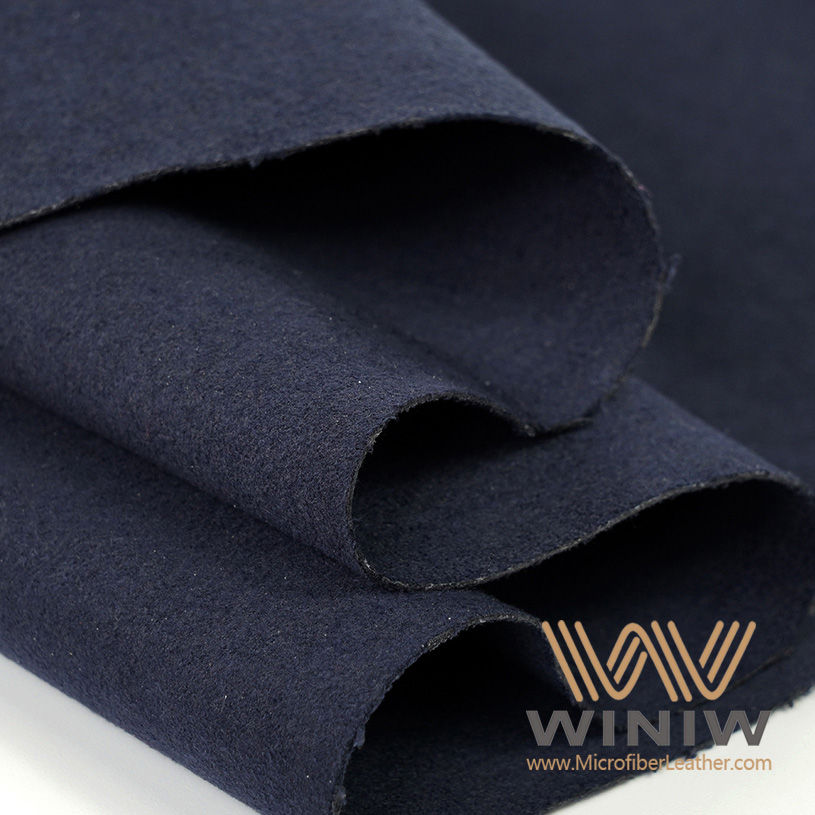

You can start sewing microsuede with confidence when you follow a few basic steps. The right tools and good preparation help you work with this fabric easily. Even as a beginner, you can create unique projects. Remember, practice builds your skills and makes each project more enjoyable.
Key Takeaways
Choose the right tools, like ballpoint needles and polyester thread, to make sewing microsuede easier and avoid common issues.
Prepare your fabric by washing and pressing it before cutting. This helps prevent shrinkage and ensures a professional finish.
Start with simple projects like throw pillows or coasters to build confidence and practice your sewing skills with microsuede.
What Is Microsuede?
Key Features
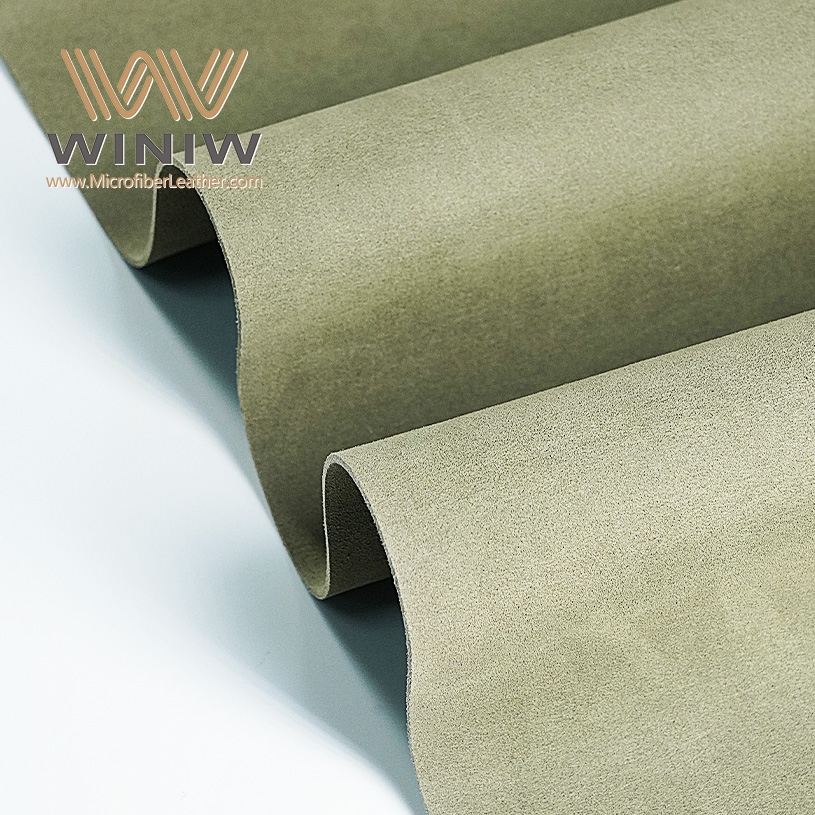
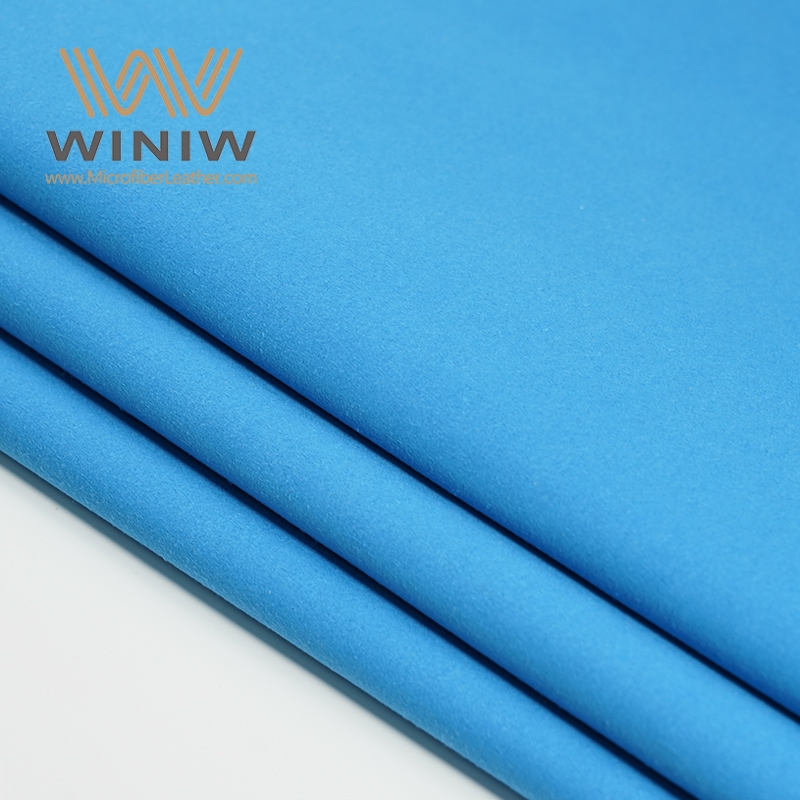
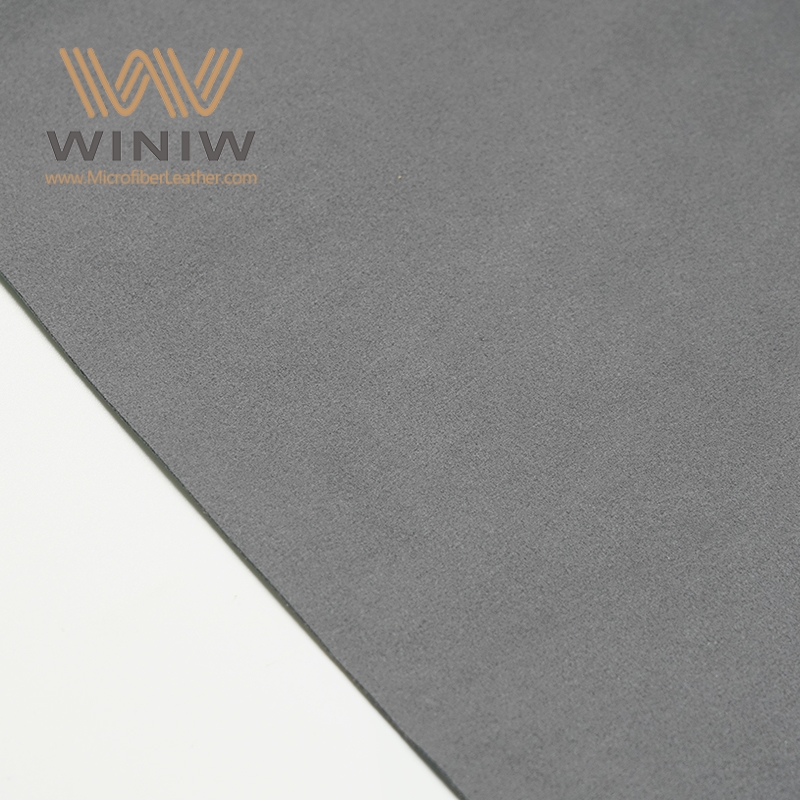
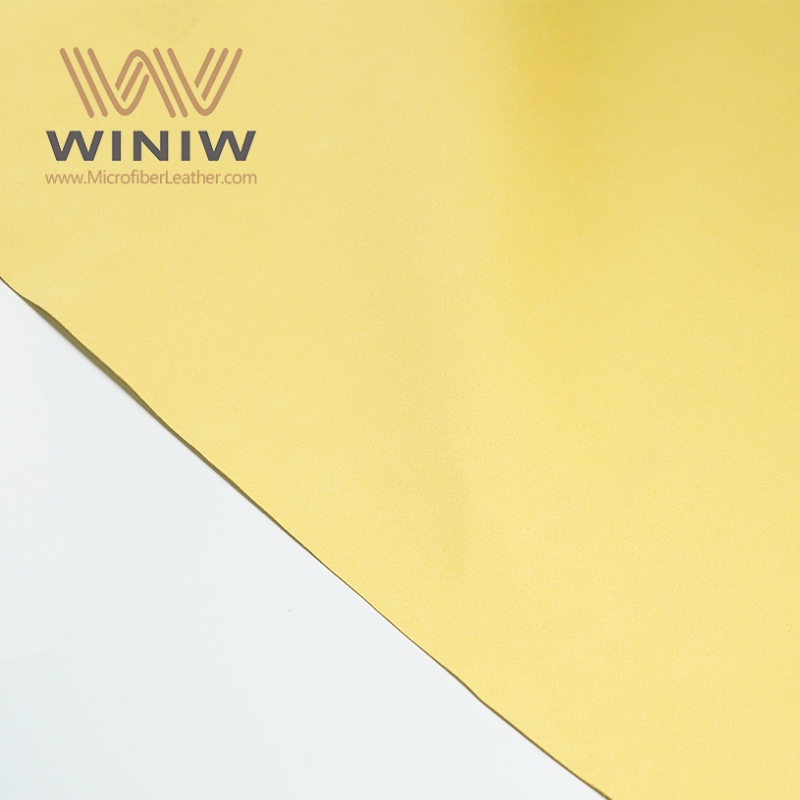
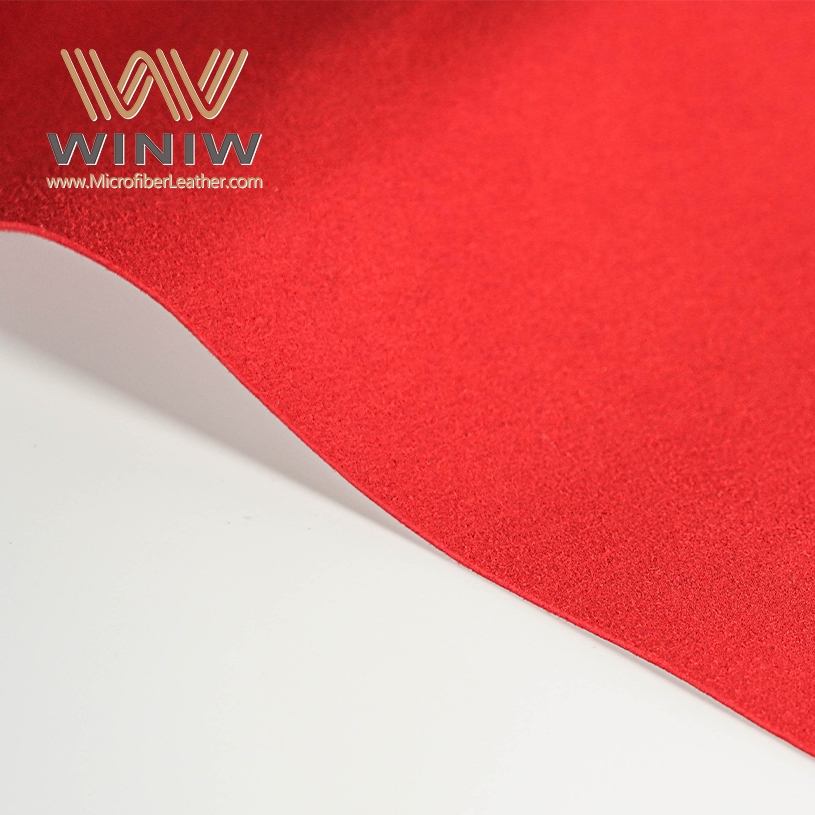
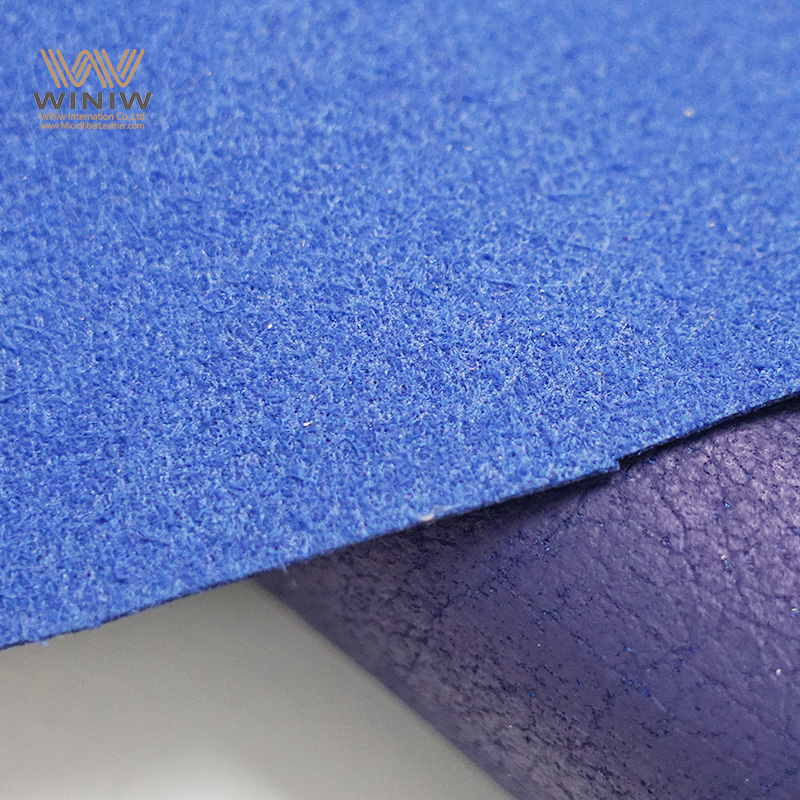
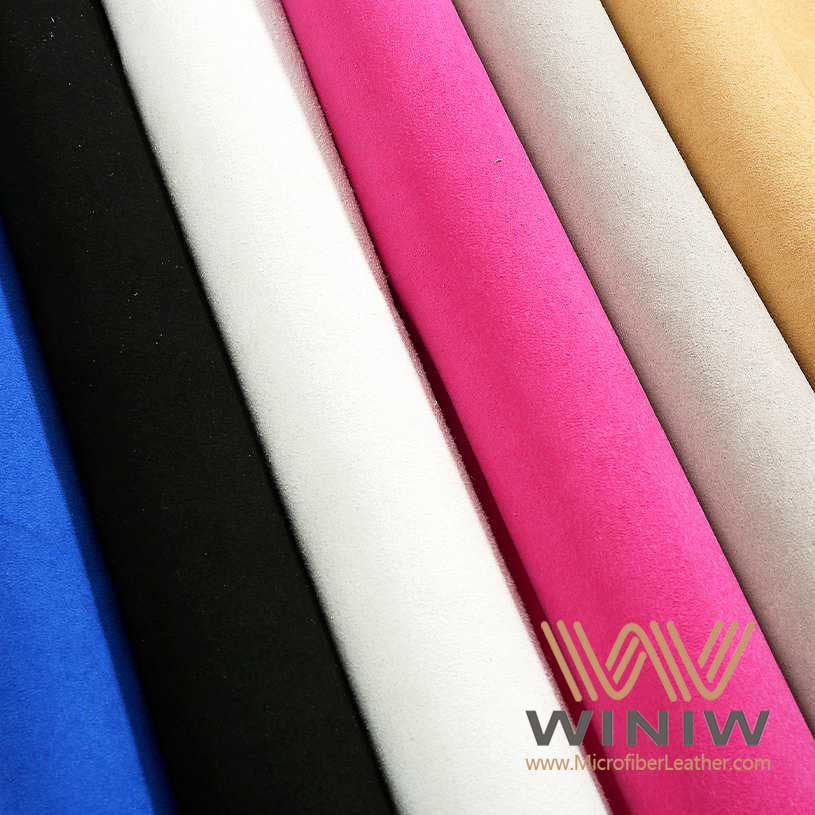
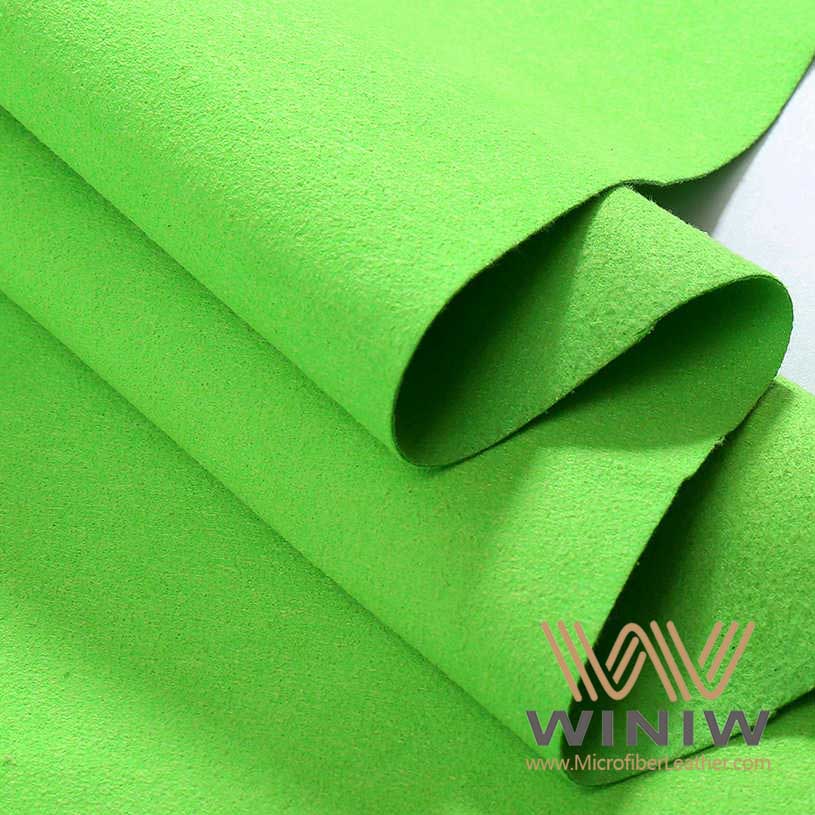
You may notice that synthetic microsuede looks and feels like real suede, but it is actually a man-made fabric. Textile industry standards define microfiber suede as a synthetic material created from ultra-fine polyester and nylon fibers. This fabric stands out for its durability, easy maintenance, and affordability. You often see synthetic microsuede used in upholstery, car interiors, and fashion because it resists wear and tear.
Here is a quick comparison between faux suede and real suede:
Material | Resistance to Wear | Water Resistance | Maintenance Needs | Lifespan |
|---|---|---|---|---|
Microfiber Suede | High | Excellent | Low | Long-lasting |
Real Suede | Moderate | Poor | High | Variable |
You should also consider the environmental impact of faux suede:
Faux suede comes from petroleum-based products, which increases its environmental footprint.
The production process uses a lot of energy and creates waste.
This fabric does not break down in landfills.
Chemicals used in manufacturing can harm the environment and wildlife.
Why Beginners Like It
You will find that faux suede is easy to sew and maintain. You can clean most projects with a damp cloth. For tougher stains, mix mild dish soap with warm water and dab with a sponge. Always test on a hidden spot first. You can deep clean by machine washing on a gentle cycle or hand washing in cold water. Use a fabric protector spray to guard against spills, and keep your items out of direct sunlight to prevent fading. If you see wrinkles, use a handheld steamer or the steam setting on your iron, but keep it a few inches away from the fabric.
Synthetic microsuede does not fray easily, so you can cut and sew it without worrying about messy edges. You will also notice that it holds its shape well, making it perfect for beginner projects. Faux suede gives you the look of luxury without the high cost or difficult care routine.
Sewing Microsuede Basics
Essential Tools
You need the right tools to make sewing microsuede easier and more enjoyable. The correct needle and thread help you avoid common problems like snags and broken stitches. Ballpoint needles work best for synthetic microsuede because they glide between the fibers. This design prevents damage and keeps your fabric looking smooth. Polyester thread matches well with ballpoint needles and stretch fabrics. You get strong seams that move with your project.
A walking foot helps feed the fabric evenly through your sewing machine. This tool reduces slipping and puckering, especially when you work with faux suede. Sharp scissors or rotary cutters give you clean edges. Pattern weights keep your fabric flat while you cut, so you avoid distortion. Fabric clips work better than pins for holding layers together. You can also use temporary spray adhesive for extra security.
Tip: Always check your needle and thread before you start. A ballpoint needle and polyester thread make sewing microsuede much easier.
Fabric Prep
Preparing your fabric is the first step to a successful project. Wash synthetic microsuede before you cut it. This makes the fabric easier to handle and helps prevent shrinkage later. Use liquid softener in the rinse cycle instead of dryer sheets to avoid oily spots. Press the fabric to remove wrinkles and check the grainline. Preshrink any lining, interfacing, or zippers you plan to use.
Decide the direction of the nap before you cut. The nap affects how your project looks when finished. Cutting with the nap ensures the fabric catches light in a uniform way. If you cut pieces in different directions, you may see a mismatched appearance or a two-tone effect. Use sharp shears for accurate cutting along pattern lines. Mark notches and darts with a marking pencil or tailor’s chalk instead of cutting them.
Note: Always cut along the grainline and with the nap for the best results. This step keeps your faux suede project looking professional.
Micro Suede Sewing Tips
You can improve your results by following a few micro suede sewing tips. Test your seams on a scrap piece before you start your main project. Set your stitch length to medium—usually between 2.5 and 3 mm. This setting helps prevent puckering and keeps seams strong. Press seams from the wrong side using a pressing cloth to avoid shine or marks.
Topstitching adds a polished look and helps seams lay flat. Use a walking foot for even feeding, especially with synthetic microsuede. Handle stretch by sewing slowly and using a small zigzag stitch if needed. Try French seams or a zigzag stitch to finish raw edges. These techniques prevent fraying and give your project a clean finish.
Tip: Take your time with curves and corners. Slow sewing helps you avoid puckering and keeps your seams smooth.
Troubleshooting
You may face a few challenges when sewing microsuede, but you can solve them with simple steps. If your fabric slips while sewing, use a walking foot or secure layers with fabric clips. Temporary spray adhesive also helps keep pieces in place. Sharp scissors and pattern weights prevent distortion during cutting.
Fraying can happen at raw edges, especially in high-wear areas. Use pinking shears to create a zigzag edge or apply a fabric sealant for extra protection. Finish seams with a zigzag stitch or French seams to keep edges neat. Lightweight stabilizers help maintain edge integrity in delicate sections.
Puckering often results from rushing or using the wrong stitch. Sew slowly and use a medium stitch length. Press seams as you go to prevent unwanted folds. Always check the fit of your project during sewing to catch issues early.
Mistake | How to Avoid It |
|---|---|
Wrong needle type | Use a ballpoint needle |
Not pressing seams | Press after each step |
Ignoring grainline | Cut along the grainline |
Rushing curves | Sew slowly and carefully |
Using straight stitch | Use zigzag or lightning stitch |
Skipping stabilizers | Add stabilizers for delicate fabrics |
Reminder: Choose stable fabrics like faux suede for your first projects. Practice and patience help you master sewing microsuede.
Easy Microsuede Projects
Home Decor Ideas
You can start with home decor items that use faux suede for a soft and stylish touch. Many beginners choose these projects because they require simple shapes and straight seams. Faux suede works well for home decor because it feels plush and luxurious. You can make your living space feel cozy and inviting with just a few easy steps.
Here are some popular beginner-friendly options:
Throw pillow covers: You can customize these without sewing zippers.
Quilted placemats: You use fabric scraps and follow easy instructions.
Fabric baskets: You create practical storage in any size.
Egg warmer basket: You sew a cute and functional gift.
Kids' pillow bed: You make a fun spot for children to relax.
Faux suede cushion covers add comfort and style to any room. You can clean them easily and enjoy their durability for years.
Tip: Choose faux suede in colors that match your decor. You can find options like burgundy or chestnut for about $18.99 per yard.
Simple Accessories
You can also try small accessories that help you practice basic sewing skills. Faux suede makes these items look polished and professional, even if you are new to sewing.
Consider these ideas:
Coasters: You cut simple shapes and finish the edges with a zigzag stitch.
Tote bags: You sew straight lines and add sturdy handles.
Keychains: You use small scraps and experiment with different shapes.
These projects let you explore faux suede without a big investment. You can finish them quickly and build confidence for larger projects.
You can use leftover pieces from home decor projects to make matching accessories. This approach helps you reduce waste and create a coordinated look.
You can sew microsuede successfully by following these steps:
Cut with the nap for a uniform look.
Press seams open with steam from the wrong side.
Topstitch seam allowances for strength.
Trim seam allowances for easy turning.
Use Wonder Clips to protect the fabric.
Microsuede’s durability and easy care make it perfect for your first projects. Many beginners love how soft and simple it feels. Try a small project today—your skills will grow with every stitch!

FAQ
Can you sew microsuede with a regular sewing machine?
Yes, you can use a regular sewing machine. Use a ballpoint needle and polyester thread for best results. Test your settings on a scrap first.
How do you keep microsuede from slipping while sewing?
Use a walking foot or fabric clips to hold layers together. Sew slowly and keep the fabric taut. Temporary spray adhesive also helps prevent shifting.
What is the best way to clean microsuede projects?
Cleaning Method | Recommendation |
|---|---|
Spot cleaning | Use mild soap and water |
Machine washing | Gentle cycle, cold water |
Drying | Air dry, avoid heat |