

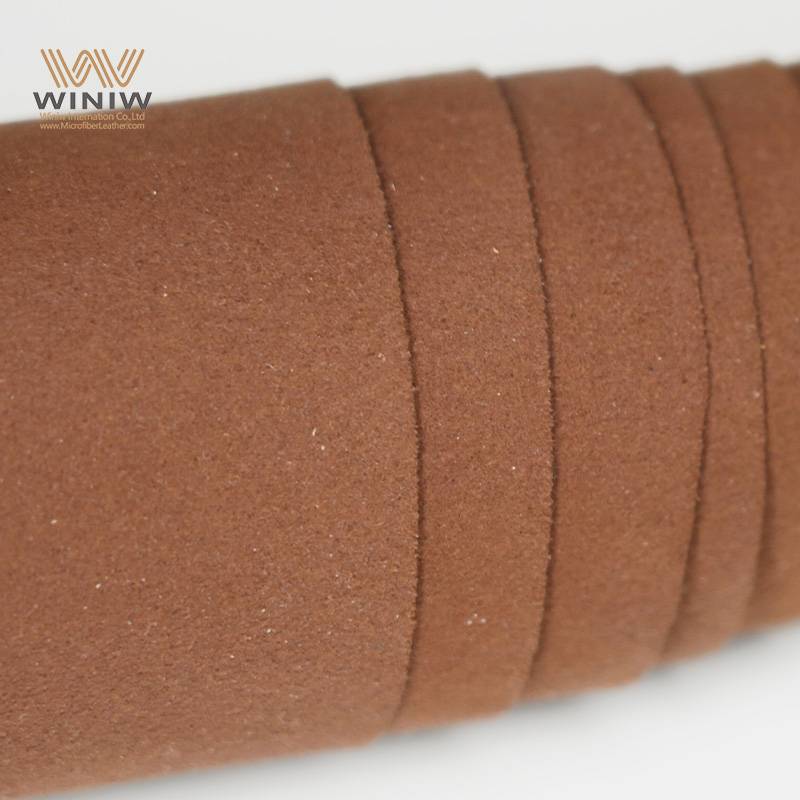
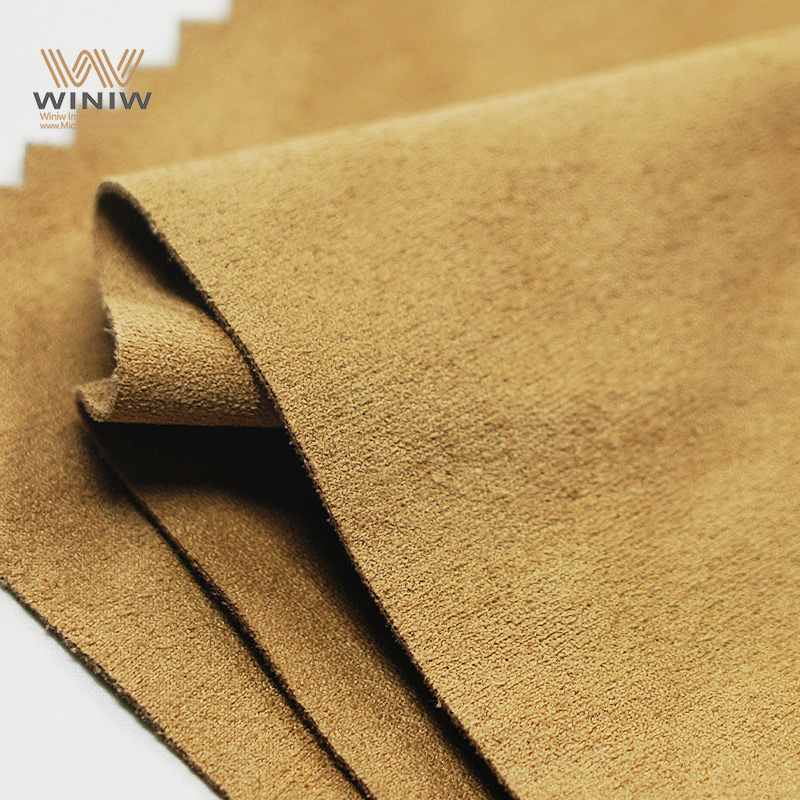
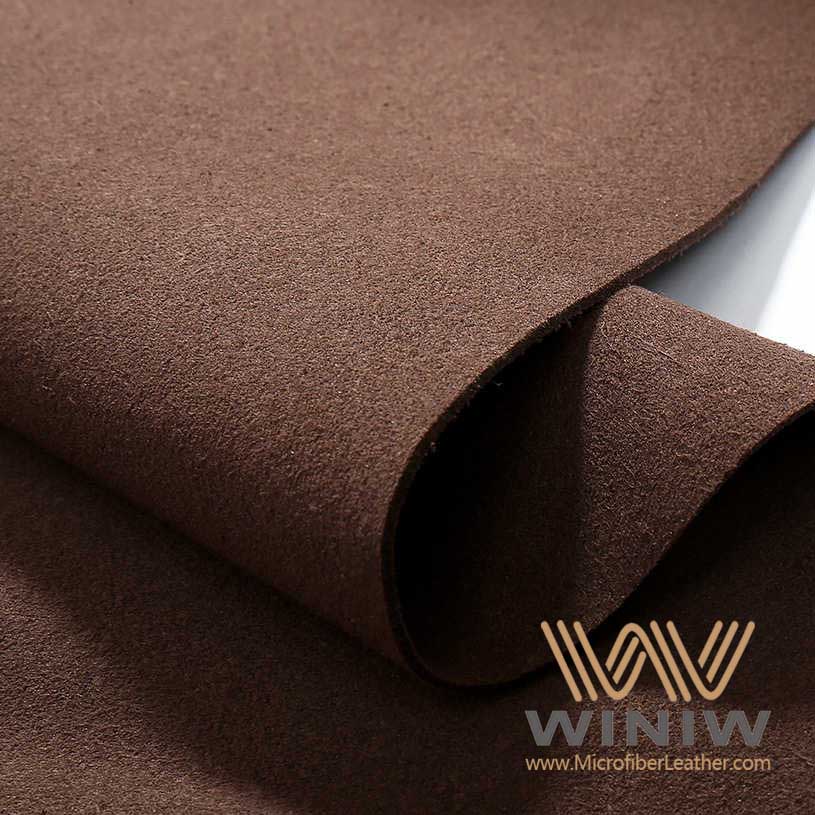
You want sheets that feel great and last. Microsuede Sheets give you a soft, cozy touch, while cotton sheets offer classic breathability. When you shop, you probably notice things like:
Material and weave
Softness
Durability
Maintenance
Cost
Sleep hygiene
Microsuede Sheets vs Cotton Sheets for Comfort and Durability
Microsuede sheets offer instant softness and warmth, making them ideal for cold sleepers.
Cotton sheets provide breathability and improve in softness with each wash, perfect for hot sleepers.
Consider your budget: Microsuede sheets are more affordable, while high-quality cotton sheets offer long-term value.
Quick Answer: Microsuede Sheets or Cotton Sheets?
If you want a fast answer, here’s what you need to know about comfort and durability. Microsuede sheets feel soft and cozy right out of the package. Cotton sheets give you a breathable, natural feel that gets better with every wash. Both types of sheets have their own benefits, so your choice depends on what matters most to you.
Comfort and Feel
You’ll notice the softness of microsuede sheets as soon as you touch them. Microfiber sheets have a silky texture that many people find luxurious. Cotton sheets, especially those with a high thread count, offer a classic softness and breathability. The feel of cotton is natural and improves over time. If you want sheets that stay cool and breathable, cotton sheets are a great pick. Microsuede sheets keep you warm and cozy, which is perfect if you get cold at night.
Durability and Longevity
When it comes to durability, both sheets hold up well, but in different ways. Premium cotton sheets can last for decades if you care for them properly. Microsuede sheets resist pilling, shrinking, wrinkling, and fading, so they keep their appearance longer. Lab tests show that some microsuede sheets, like GOKOTTA’s, keep their shape and tension even after years of use. Users say these sheets don’t fray or lose their fit, while cotton sheets may show wear sooner.
Cotton sheets: Long-lasting, improve with age, but may show wear after repeated washing.
Microsuede sheets: Stay looking new, resist damage, and keep their fit over time.
If you want sheets that look fresh and require less maintenance, microsuede sheets offer clear benefits. If you value tradition and a natural feel, cotton sheets remain a classic choice.
Microsuede Sheets Overview
Material and Texture
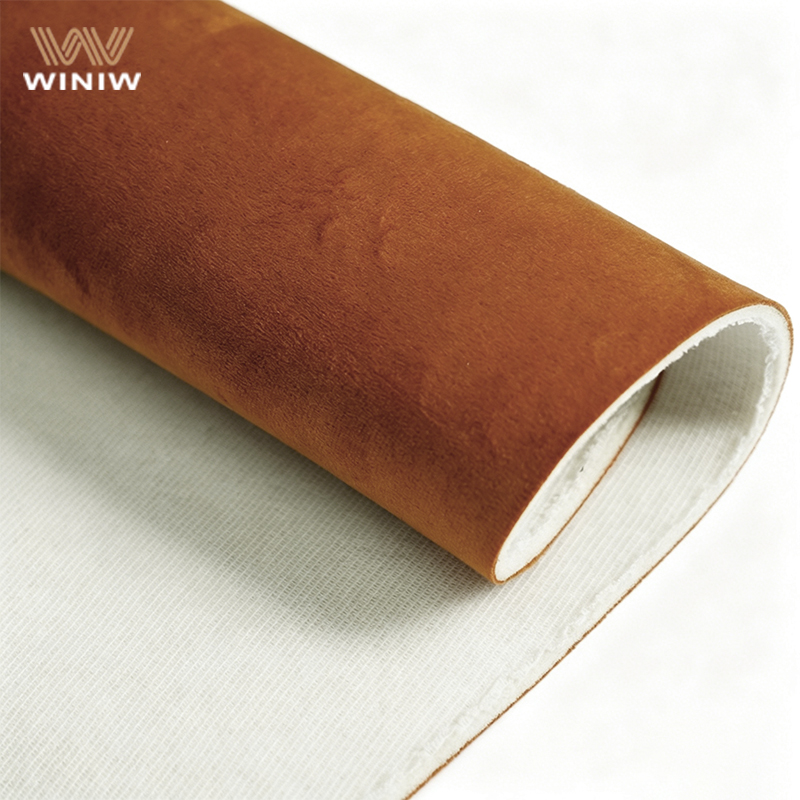
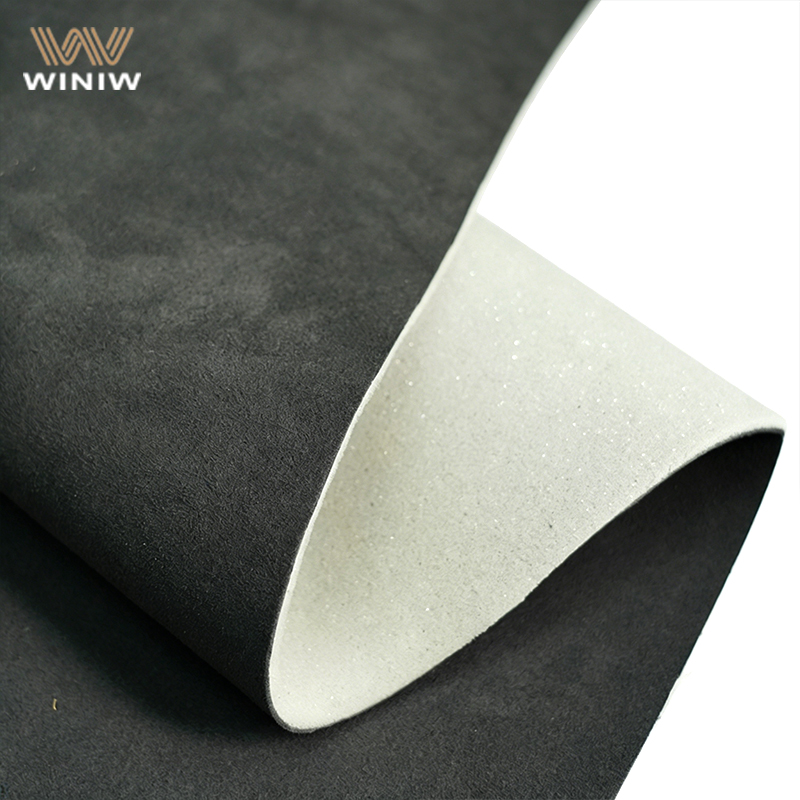
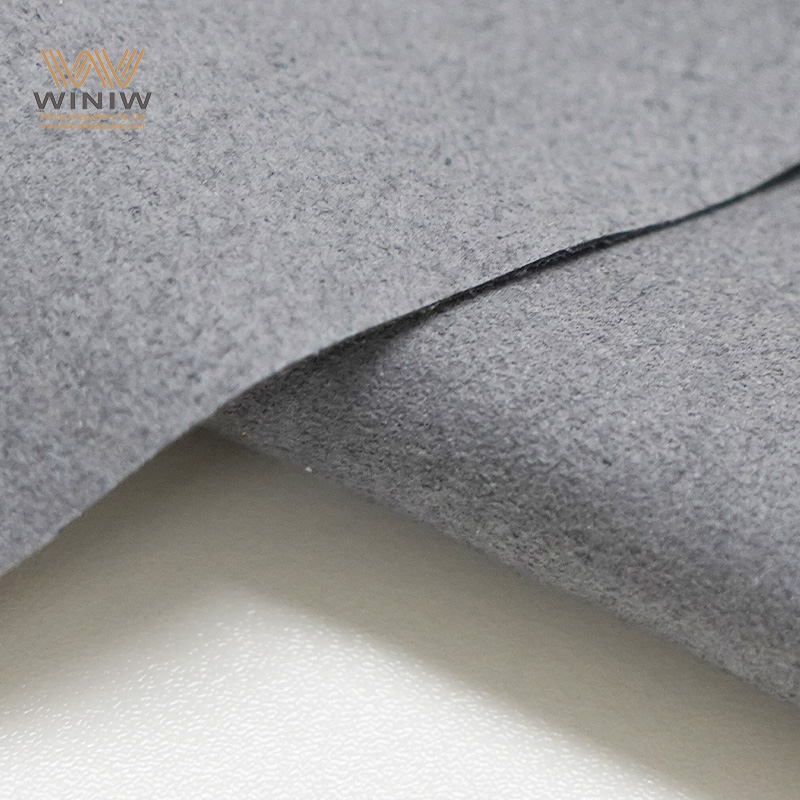
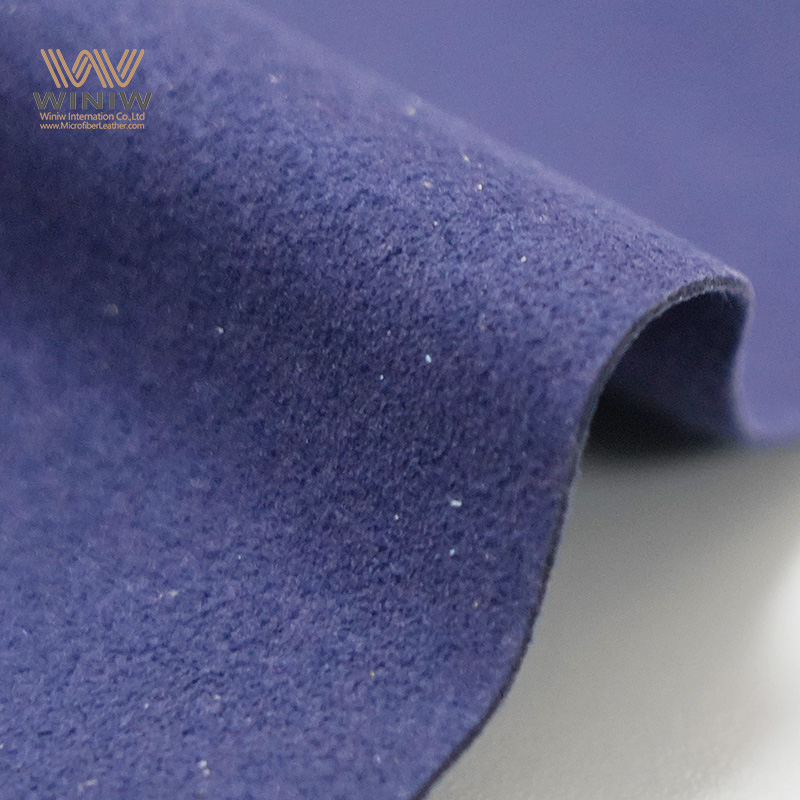
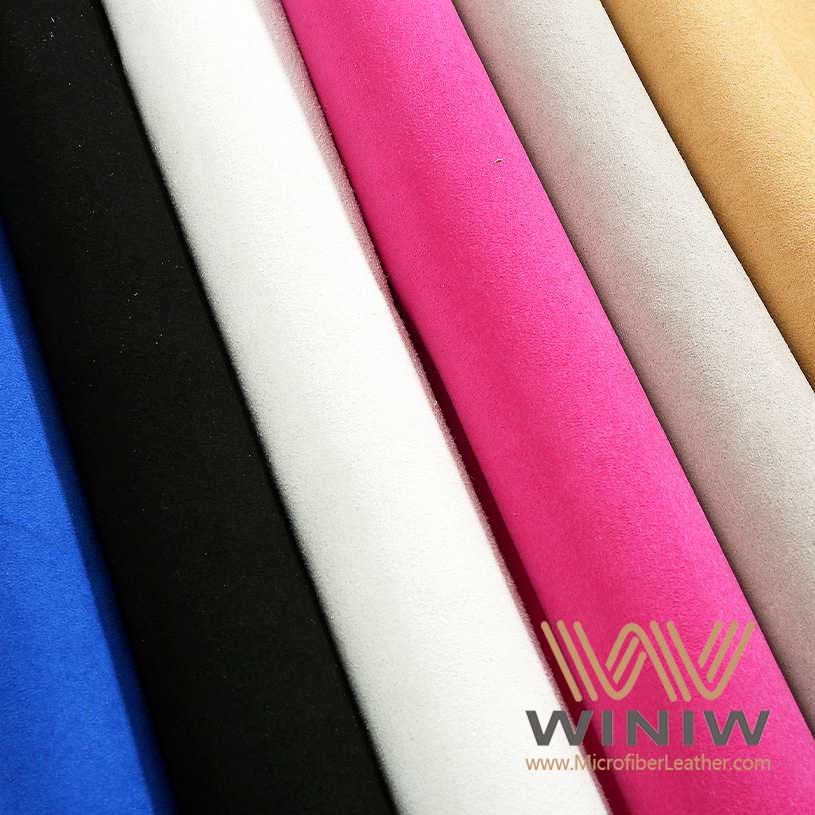
When you pick up microsuede sheets, you notice their soft and smooth texture right away. These sheets use tightly woven synthetic fibers that create a plush surface. You get a lightweight sheet that feels gentle against your skin. Unlike cotton sheets, microsuede sheets do not use natural fiber. The material is engineered for softness and warmth. If you want sheets that feel cozy and luxurious, microsuede sheets deliver that experience. You might find these sheets less breathable than cotton, but they offer a unique comfort that stands out.
Comfort Pros and Cons
Sleep experts say microsuede sheets have clear benefits and drawbacks for comfort. Here’s a quick look:
Advantages of Microfiber Sheets | Disadvantages of Microfiber Sheets |
|---|---|
Low maintenance | Absorbs moisture and can hold body odors |
Flat, tightly woven microfiber is durable | Prone to stains, which is then nearly impossible to restore |
Soft and lightweight | Staticky and attracts pet hair, human hair, and lint |
Traps heat |
Durability Pros and Cons
Microsuede sheets stand out for durability. The tightly woven fibers resist pilling, shrinking, and fading. You can wash these sheets many times without losing quality. They keep their shape and color longer than cotton sheets. However, stains can be tough to remove, and the sheets may hold onto odors. If you want sheets that look new and require less effort, microsuede sheets offer strong benefits. Cotton sheets, made from natural fiber, may show wear sooner but improve in softness and breathability over time.
Cotton Sheets Overview
Material and Texture
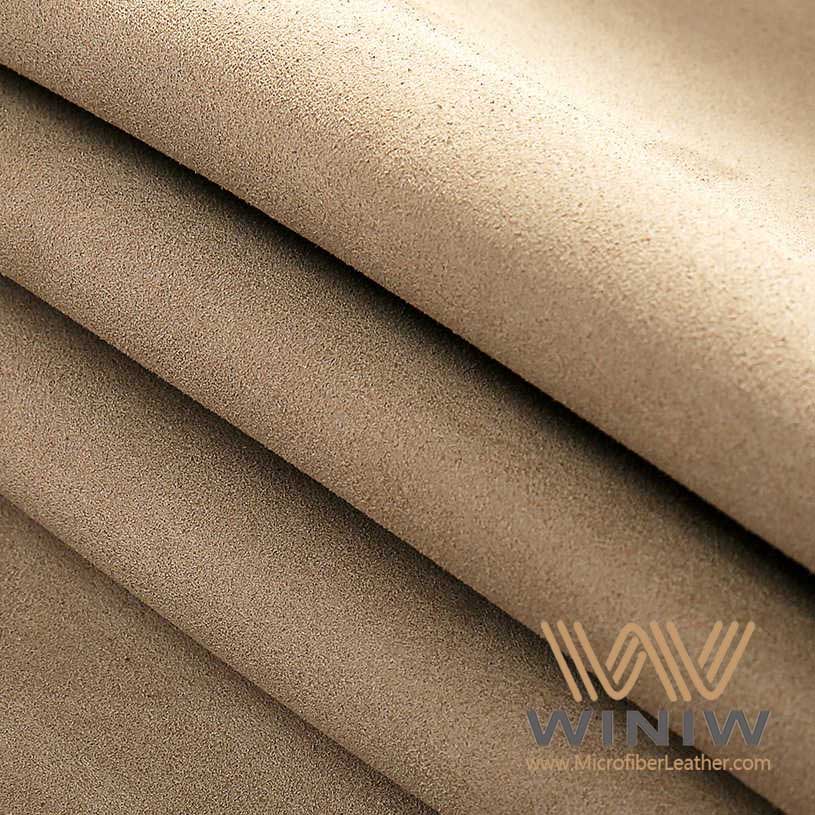
When you touch cotton sheets, you notice a familiar softness that feels inviting. Cotton sheets use natural fibers, which give them a gentle texture and a classic look. You might wonder how cotton compares to other natural fibers.
Durability Pros and Cons
You want sheets that last. Cotton sheets can stay in good shape for years, especially if you choose high-quality fibers. Here’s what matters most for durability:
Higher thread counts can mean better quality, but fiber quality matters more.
A thread count of 200 works well if the cotton is high quality.
Egyptian cotton sheets last longer because the fibers are stronger.
Cotton sheets improve with age and washing. You get a sheet that feels better over time and stands up to regular use.
Comfort: Microfiber vs Cotton Sheets

Softness and Feel
When you shop for new sheets, you probably wonder which sheets feel more comfortable. The answer depends on what you like most. Microfiber sheets, including microsuede sheets, feel smooth and soft right out of the package. You get a plush, almost velvety touch that many people love, especially if you want a cozy bed. Cotton sheets, on the other hand, offer a natural texture that gets softer every time you wash them. If you like a crisp, fresh feel, cotton sheets deliver that classic comfort.
Cotton sheets give you a soft, natural texture that improves with age.
Microfiber sheets feel silky and smooth, with a lightweight touch.
Cotton sheets breathe better, making them ideal if you want a cool, airy bed.
Microfiber sheets resist wrinkles and keep their color, so your bed always looks neat.
If you have sensitive skin, you might prefer cotton sheets. The natural fibers feel gentle and rarely cause irritation. Microfiber sheets can sometimes feel a bit synthetic, but many people enjoy their softness. When you compare microfiber vs cotton sheets, think about what matters most to you: instant softness or a feel that gets better over time.
Breathability and Temperature
Breathability plays a huge role in how comfortable you feel at night. Cotton sheets stand out for their ability to wick away moisture and let air flow through. You stay cool and dry, even on hot nights. Cotton can absorb up to 27% of its weight in water, so you never feel clammy or sweaty. Microfiber sheets, while lightweight, do not allow as much air to circulate. They tend to trap heat and hold onto moisture, which can make you feel warmer.
Cotton sheets excel at moisture wicking and air circulation.
Microfiber sheets trap body heat and do not release it as easily.
Supima cotton sheets provide even better heat distribution and breathability.
Microfiber sheets dry quickly after washing, but they do not keep you as cool.
If you ask which sheets keep you cooler, cotton sheets win almost every time. The natural fibers adapt to your body temperature and help you sleep comfortably, even in humid weather. Microfiber sheets work better if you want to stay warm and cozy.
Best for Hot or Cold Sleepers
You want sheets that match your sleep style. If you get hot at night, cotton sheets are your best friend. They let your skin breathe and keep you cool. Cotton percale sheets, in particular, have a loose weave that allows air to move freely.
If you tend to feel cold, microfiber sheets are a great choice. They trap heat and keep you warm all night. Microfiber vs cotton sheets comes down to your personal needs. Cotton sheets suit hot sleepers and those who want a breathable bed. Microfiber sheets work well for cold sleepers or anyone who wants a cozy, snug feeling.
Durability: Cotton vs Microfiber
Lifespan and Wear
When you think about which sheets last longer, you want to know how they hold up over time. Both cotton and microfiber sheets can give you about two to three years of good use if you treat them right. You might notice some differences in how each material wears out.
Cotton sheets use natural fibers. These fibers wear down slowly, so you often see signs of aging like thinning or fraying before the sheets finally give out. This gradual process gives you a warning when it’s time to replace them.
Microfiber sheets use synthetic fibers. The tight weave makes them tough and helps them resist frequent washing. You might find that these sheets look new for a long time. However, the thin fibers can tear suddenly, sometimes without much warning.
Microfiber sheets usually resist pilling and fading better than cotton, especially if you wash them often.
Cotton sheets with a high thread count can last longer and feel soft, but lower thread count options may pill or wear out faster.
Cost and Value of Sheets
Price Comparison
When you shop for new sheets, price often plays a big role in your decision. You might notice that microfiber sheets usually cost less than cotton sheets.
Microfiber sheets give you a budget-friendly option. Cotton sheets, especially those made with Egyptian cotton, sit at the higher end. If you want soft sheets without spending much, microfiber sheets make sense. Cotton sheets cost more, but you get better quality and a classic feel.
Long-Term Value
You might wonder which sheets offer better value for money. The answer depends on how long you want your sheets to last and how easy they are to care for. Here’s what you should consider:
Buying sheets isn’t just about the price tag. Longevity matters.
Cheaper sheets may need replacing more often, which adds up over time.

FAQ
How do you choose between cotton vs microfiber sheets?
You should think about your sleep habits. Cotton vs microfiber comes down to what you want: a soft and breathable feel or easy-care warmth.
Are cotton sheets always the most breathable fabric?
Cotton sheets usually give you the most breathable fabric. You stay cool and comfortable, especially if you want sheets that help with airflow and moisture.
Can you find sheets that are both soft and breathable?
Yes, you can. Many cotton sheets feel soft and breathable. You get comfort and airflow, which makes your bed feel fresh every night.
