

Article
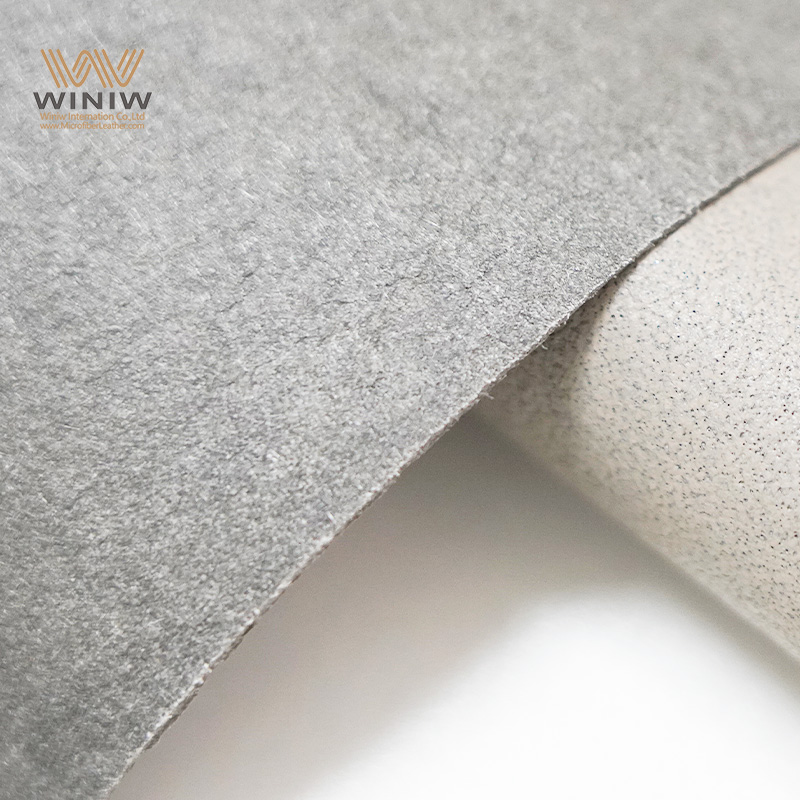
You can fix microsuede tears yourself with basic tools. Microsuede Fabric Repair lets you tackle small damage at home. Glue or sewing works well for minor tears, but larger damage may need professional help. Many DIY repairs save money, though some show uneven results. Careful technique prevents further issues.
Easy Ways to Mend Microsuede Fabric Tears Yourself
-
You can repair small microsuede tears at home using fabric glue or sewing techniques. This saves money and keeps your fabric looking good.
-
Always prepare the damaged area by cleaning it and applying Fray Check to prevent further fraying. This step ensures a stronger and more durable repair.
-
For larger tears, use a patch with backing fabric and fusible interfacing for extra support. This method helps blend the repair with the original fabric.
Microsuede Fabric Repair Tools and Prep
Tools and Materials Checklist
You need the right tools to make your microsuede repair successful. Gather these items before you start:
-
Matching thread: Pick a color that blends with your microsuede for invisible stitching.
-
Fine needle: Use a sharp, thin needle for precise work.
-
SOBO fabric glue: This glue bonds microsuede without leaving stiff spots.
-
Fray Check: Apply this liquid to the edges of the tear to prevent further fraying.
-
Backing fabric: Place a small piece behind the tear for extra support.
-
Fusible interfacing: Reinforce larger tears from the inside.
-
Super glue: Use a tiny amount for quick touch-ups.
-
Scissors: Cut away loose threads and shape patches.
-
Toothpick: Spread glue evenly in tight spaces.
Tip: Choose solvent-free or biobased adhesives when possible. These options reduce environmental impact and help keep microsuede repairs eco-friendly.
Preparing the Tear and Treating Edges
You must clean the damaged area before you begin any repair. Remove loose threads, frayed edges, or burn marks from the tear. Use a mild cleaning solution and a soft, non-abrasive cloth to clean the area thoroughly. Dirt and residue can affect how well glue or stitches hold. If you notice indentations or missing padding beneath the microsuede, fill them evenly with cotton balls or wadding. This step creates a smooth surface for your repair.
Apply Fray Check to the edges of the tear. This liquid stops further fraying and keeps the microsuede stable. Careful preparation improves the durability and appearance of your repair. You set yourself up for success by following these steps.
Repair Steps for Microsuede Tears
Using Glue for Small Tears
You can use fabric glue for small tears in microsuede. This method works best for rips less than 1/4 inch. Follow these instructions for a strong and lasting repair:
-
Clean the area around the tear. Remove dust and dirt to help the glue bond well.
-
Treat the edges with Fray Check. Let it dry completely to prevent further fraying.
-
Apply a thin line of SOBO fabric glue along the edges. Use a toothpick for even application.
-
Press the edges together. Hold them in place until the glue sets.
-
Wait at least 2 to 4 hours for the glue to dry. Avoid washing or ironing for 48 hours.
-
Brush the microsuede gently to restore the texture. Trim any loose threads if needed.
Tip: Humidity and temperature affect glue curing. Work in a dry, cool space to avoid shrinkage or weak bonds.
This approach keeps the repair nearly invisible and maintains the soft feel of your microsuede.
Sewing to Repair a Tear
Sewing the hole shut gives you a durable fix for longer or jagged tears. Choose this method if the tear is too large for glue or if you want invisible repairs. Use these instructions for best results:
-
Thread a fine needle with matching thread. Tie a knot at the end.
-
Start with a back stitch on one side of the tear. This step prevents fraying and strengthens the seam.
-
Insert the needle through the seam, hiding the knot about half an inch from the start.
-
Stitch across the tear in a zig-zag pattern. Move back and forth, locking new stitches into the original seam.
-
Gently cinch the thread to close the seam. The thread should disappear into the fabric.
-
Tie a knot at the end. Hide the knot by stitching it back into the seam.
-
Trim excess thread and brush the area to blend the repair.
Note: Avoid doubling the thread. Single-thread stitching prevents knots and keeps the seam flat.
Sewing the hole shut with these steps creates a neat, strong repair that blends with the original fabric.
Patching Larger Tears
Larger tears in microsuede need extra support. Patching works well when the damage is bigger than 1/4 inch. Here are the instructions for patching:
-
Cut a piece of backing fabric slightly larger than the tear. Round the edges for a smoother finish.
-
Slide the backing fabric under the tear. Use a spatula or similar tool to position it flat.
-
Apply fabric glue to the edges of the tear and press them onto the backing.
-
For extra strength, add fusible interfacing behind the patch. Follow the manufacturer's instructions for heat setting.
-
Let the repair dry for at least 4 hours before using the item.
This method supports the microsuede and prevents the tear from spreading. It also helps the repair blend with the rest of the fabric.
Finishing and Blending the Repair
After you repair a tear, you want the area to look as natural as possible. Follow these steps to blend and finish the repair:
-
Brush the microsuede gently with a soft brush. This action lifts the fibers and hides the seam or glue line.
-
Trim any loose threads or uneven edges.
-
If the repair is still visible, dab a small amount of glue or Fray Check on the area and brush again.
-
Let the area dry fully before using or cleaning the item.
Tip: Always check the care tag before cleaning. Use only recommended products to avoid damaging your repair.
Blending the repair helps restore the look and feel of your microsuede fabric.
Troubleshooting Common Issues
Microsuede fabric repair sometimes brings challenges. Here are common problems and how to avoid them:
-
Using too much water or soap can weaken the fabric. Always use minimal moisture.
-
Rubbing stains instead of blotting may cause more damage. Blot gently to clean.
-
Ignoring care tags and manufacturer instructions can lead to failed repairs.
-
Applying harsh chemicals or solvents risks discoloration and fabric breakdown.
-
Skipping routine dust and dirt removal lets debris weaken the fabric over time.
If you see visible seams or glue marks, try brushing the area or trimming excess glue with scissors. For stubborn marks, repeat the blend and finish the repair steps. Always choose the right method for closing the tear based on its size and shape. Following these instructions ensures a strong and lasting repair for your microsuede.
You now have a complete guide to repair steps for microsuede tears. With the right tools and careful technique, you can achieve invisible repairs and extend the life of your fabric.
You can repair microsuede tears at home with glue, sewing, or patching. These methods restore your fabric and save money. For best results, vacuum first, spot test cleaners, and blot stains gently. Brush the fabric weekly to keep it smooth. Severe damage may need professional help.
FAQ
Can you wash microsuede after repairing a tear?
Wait 48 hours before washing. Use gentle cycles and mild detergent. Avoid bleach or harsh chemicals to protect your repair.
What if the tear keeps growing after repair?
-
Check your repair for loose edges.
-
Apply more Fray Check or reinforce with stitching.
-
Consider a patch for extra support.
Is fabric glue safe for all microsuede colors?
🟢 Yes, but always spot test first. Some glues may darken light colors. Test in a hidden area to ensure color stays consistent.
