

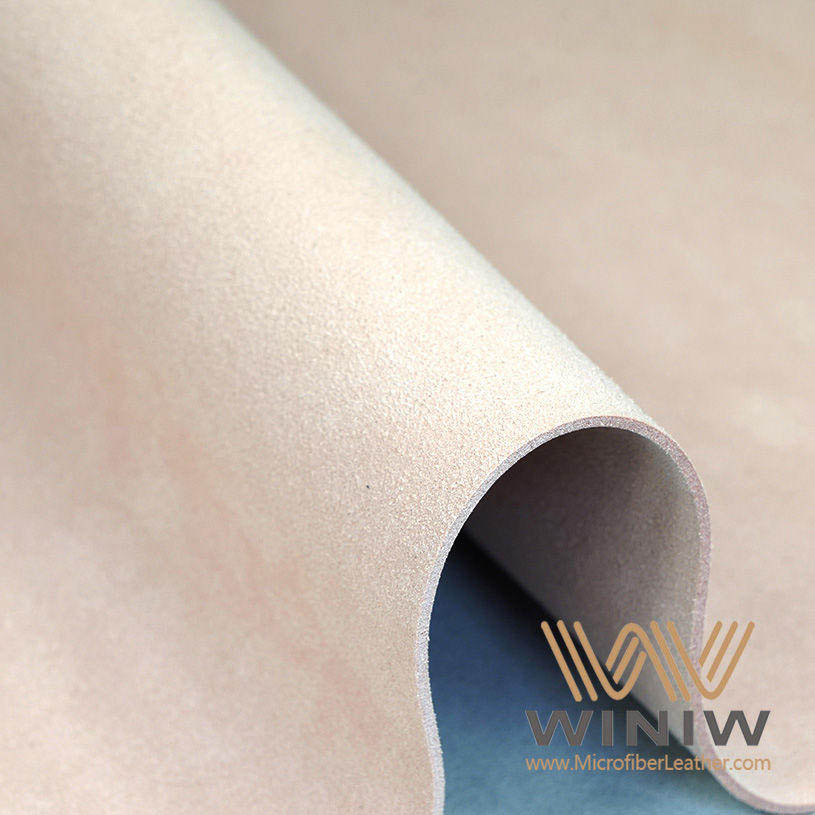

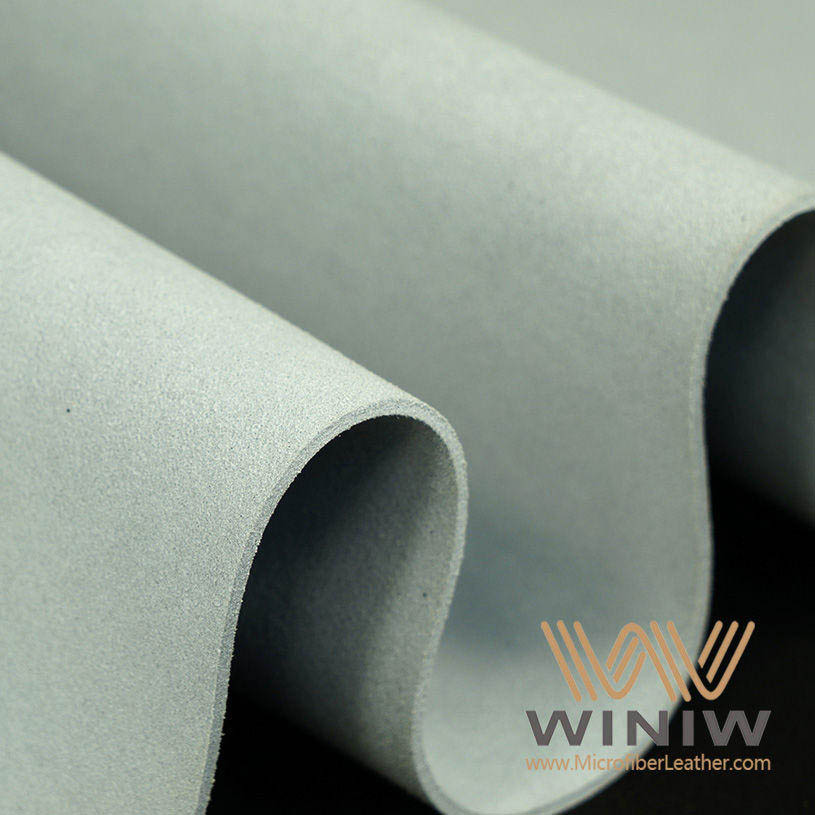
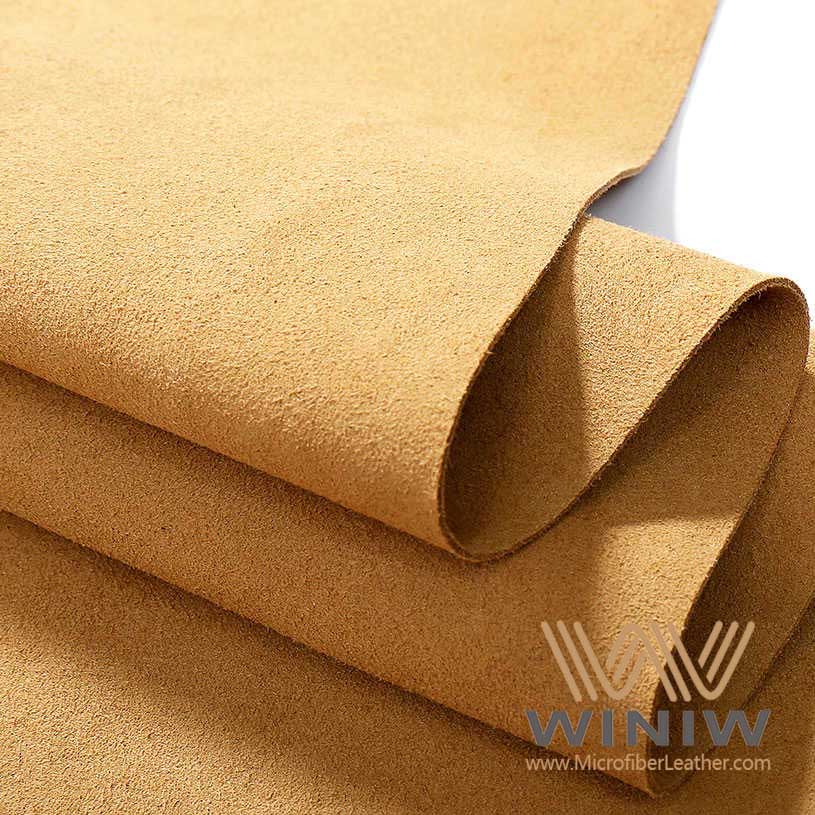
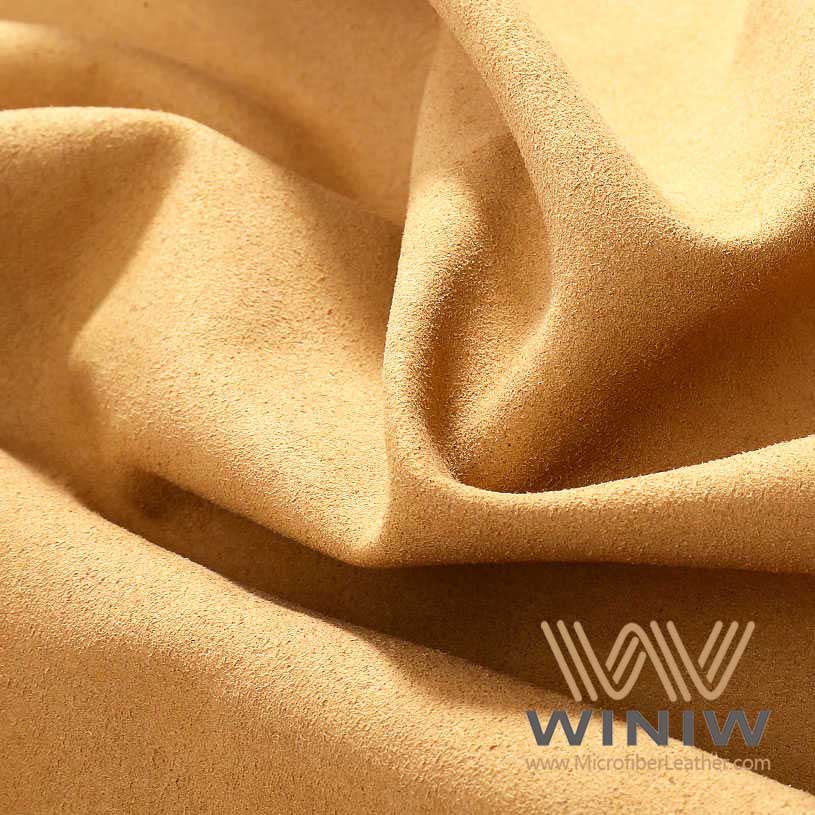
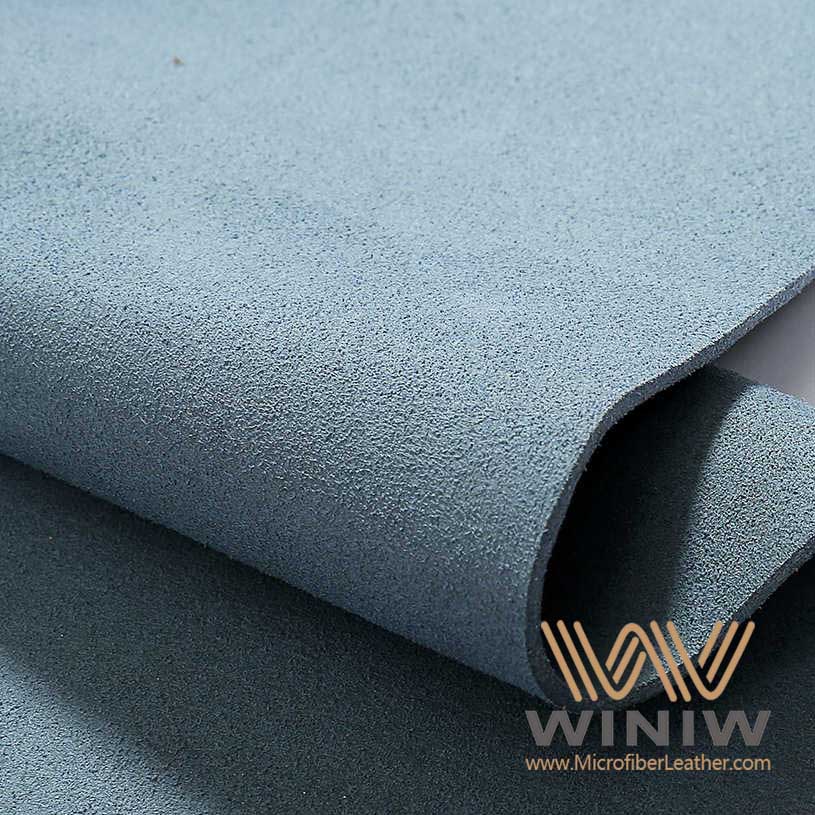
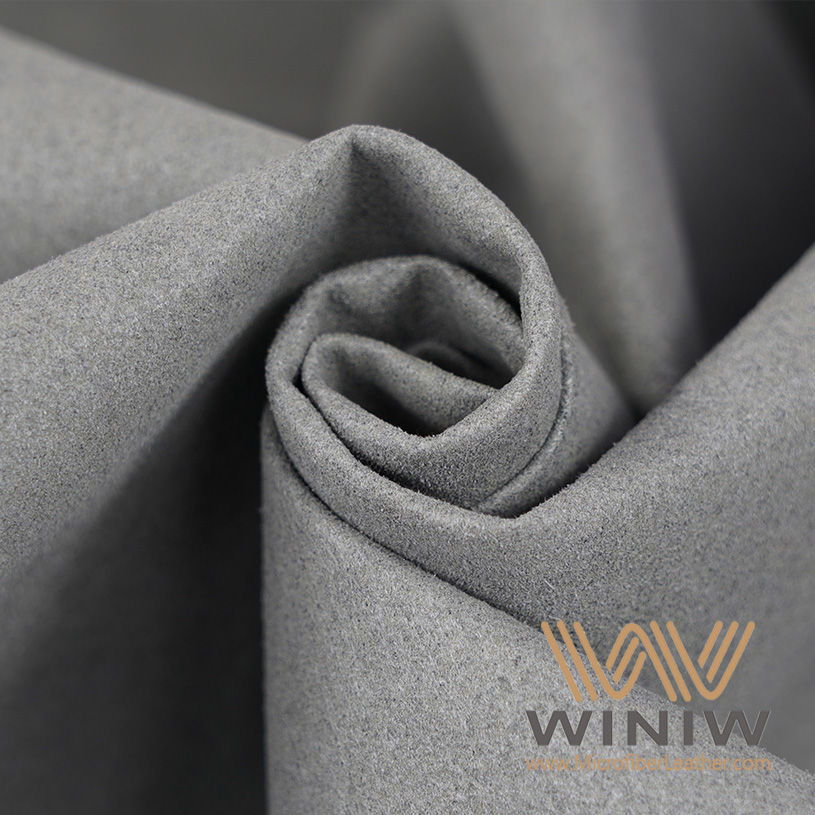
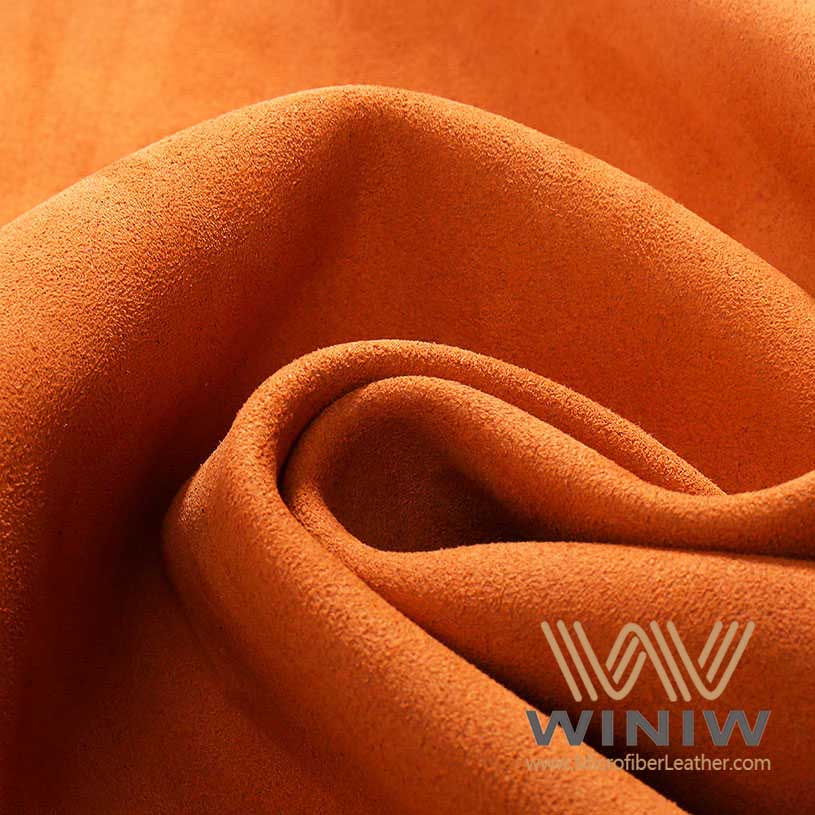
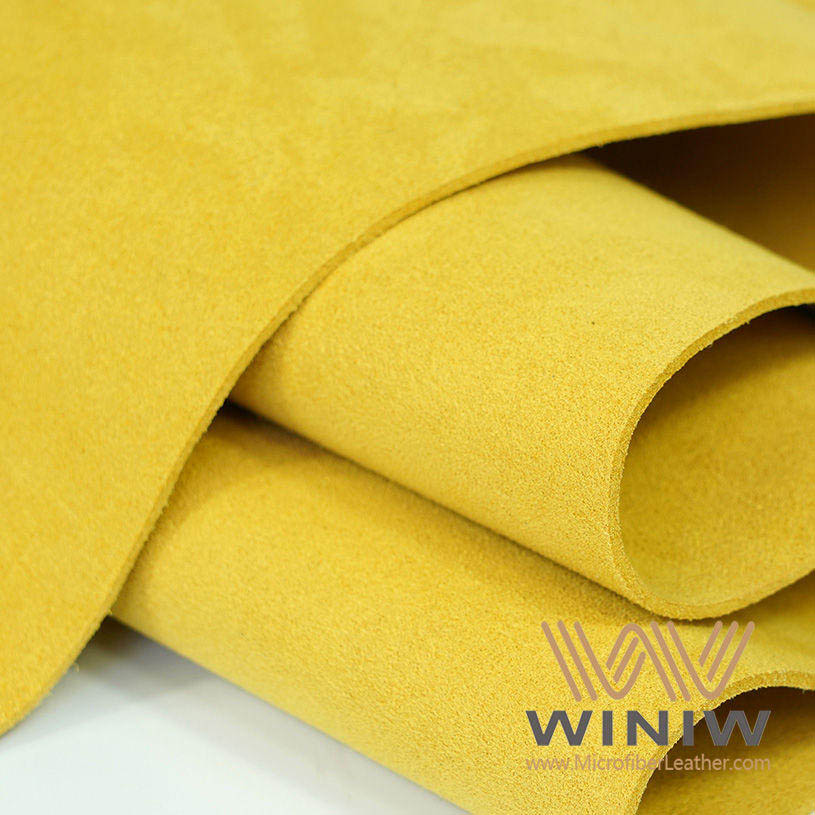
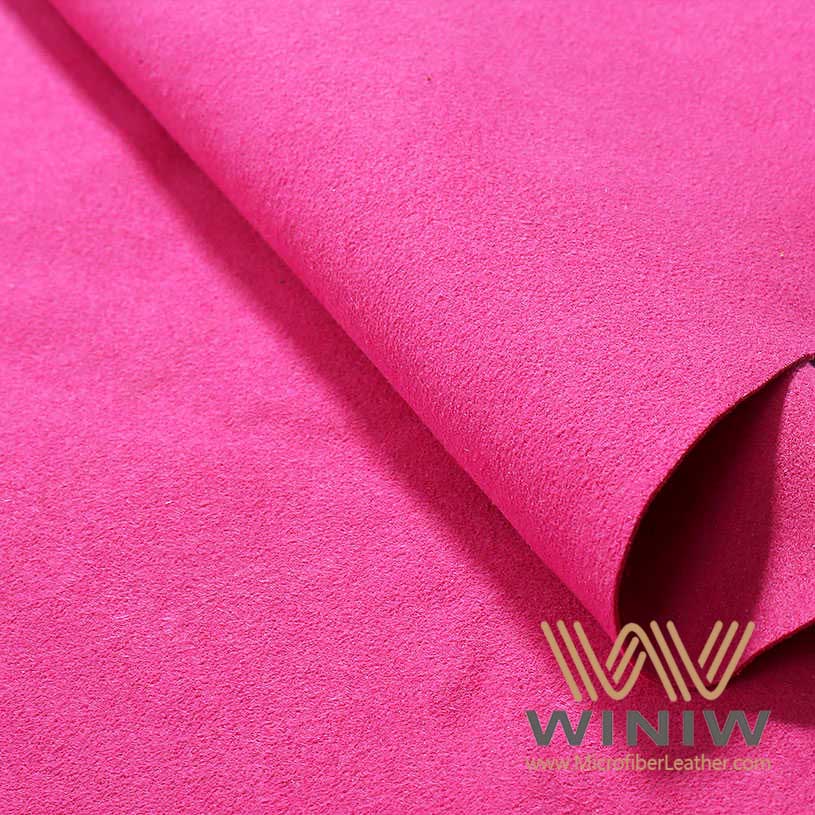
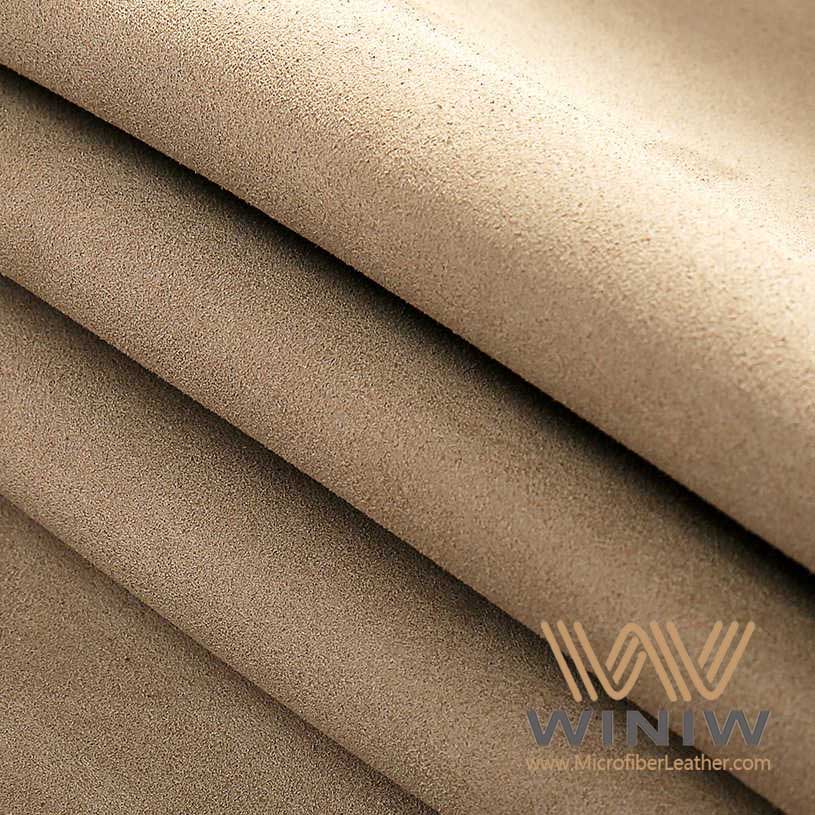
Most drivers find microsuede seat covers offer superior comfort, especially during hot or cold weather. Real leather impresses with durability, lasting three times longer than many fabrics, and remains easy to clean. Leather also enhances a car’s resale value and gives a premium look. Microsuede provides a softer touch, while leather resists stains and allergens. Choosing between microsuede and leather often comes down to personal preference for comfort and style.
Is Microsuede Better Than Leather for Car Seats
Microsuede offers superior comfort, especially in extreme temperatures, making it ideal for drivers who prioritize a cozy driving experience.
Real leather provides unmatched durability and a premium look, enhancing a car's resale value and appealing to those who value long-lasting quality.
Choosing between microsuede and leather depends on personal preference; consider comfort, maintenance, and style to find the best fit for your lifestyle.
Microsuede vs Leather: Key Differences
Material Overview
Microsuede and leather represent two distinct choices for car seat covers. Microsuede seat covers use synthetic fibers such as nylon or polyester, combined with polyurethane. This blend creates a soft, suede-like texture that many drivers find appealing. Real leather comes from treated animal skin. Manufacturers select leather for its classic look and proven durability in automotive interiors.
Material Type | Composition |
|---|---|
Microsuede | Synthetic fibers (nylon or polyester) + polyurethane |
Leather | Treated animal skin |
Microsuede offers a plush feel and resists fading. Leather provides a smooth surface and stands up to years of use. Both materials deliver unique benefits, but their origins and manufacturing processes differ. The production of microsuede involves polyester and polyurethane, which come from fossil fuels. This process uses significant energy and can contribute to greenhouse gas emissions. Leather production relies on animal agriculture and chemical treatments, which also affect the environment.
Note: Faux suede production raises environmental concerns due to the use of petroleum-based chemicals. The manufacturing process contributes to plastic pollution and greenhouse gas emissions.
Which Is Better for Most Drivers
Most drivers consider comfort, maintenance, and appearance when choosing car seat covers. Microsuede seat covers excel in comfort, especially during extreme temperatures. The soft surface feels gentle against the skin and does not become sticky or cold. Real leather appeals to those who value durability and a premium look. Leather resists stains and allergens, making it a practical choice for families and commuters.
Microsuede suits drivers who want a cozy, modern interior. Leather fits those who prefer a classic style and long-lasting quality. Microsuede seat covers cost less and offer easier installation. Real leather increases resale value and gives a luxury feel. Drivers who prioritize comfort often select microsuede, while those who want durability and style choose leather.
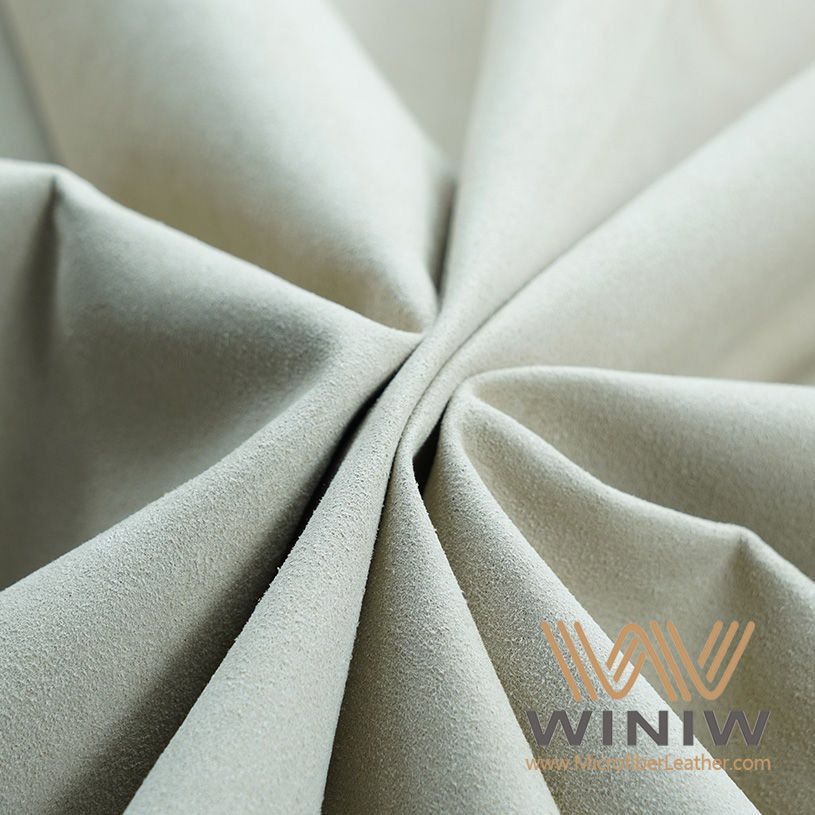
Quick Comparison:
Microsuede seat covers:
Made from synthetic fibers and polyurethane
Soft, comfortable touch
Lower cost
Easier to install and maintain
May have environmental drawbacks due to plastic production
Real leather car seat covers:
Made from treated animal skin
Premium appearance
High durability
Resists stains and allergens
Higher cost
Classic style
Microsuede and leather both offer advantages. The best choice depends on the driver’s needs and preferences. Microsuede seat covers provide comfort and affordability. Real leather delivers durability and a timeless look.
Comfort and Temperature
Microsuede Comfort
Microsuede seat covers provide superior comfort for many drivers. The soft texture creates a comfortable seating surface that feels gentle against the skin. Many drivers report that microsuede enhances comfort and stability, helping them feel more secure during aggressive driving. The plush surface of microsuede also contributes to a comfortable driving experience, especially on long trips. Users often mention that microsuede is cooler in hot weather and warmer in cold weather, which adds to its reputation for superior comfort. Some drivers have concerns about staining, but they find the material easy to clean. Microsuede offers a breathable material, but limited breathability can cause discomfort in humid conditions.
Microsuede seat covers:
Enhance comfort and stability
Feel cooler in summer and warmer in winter
Offer a soft, comfortable seating experience
Leather Comfort
Real leather car seat covers deliver a premium feel and strong support. Many drivers appreciate the quality and durability of leather, which can last for years with proper care. However, leather can become uncomfortably hot in summer, making it difficult to maintain a comfortable driving experience. In cold weather, leather seats may crack or become stiff, reducing comfort and requiring extra care. While leather resists moisture and stains better than fabric, it does not always provide the same level of comfortable seating as microsuede.
Leather seats:
Offer a premium, supportive feel
Can become hot in summer and stiff in winter
Require regular care to maintain comfort
Temperature Regulation
Temperature regulation plays a key role in overall comfort. Microsuede provides a more comfortable driving experience in both hot and cold conditions. The breathable material helps regulate temperature, but limited breathability may cause discomfort during humid weather. Leather, while durable, tends to heat up quickly in the sun and can become uncomfortable. Without proper care, leather may crack or fade in cold weather. Drivers who value a comfortable seating environment often prefer microsuede for its superior comfort and better temperature control.
Tip: For the most comfortable driving experience, choose car seat covers made from a breathable material that matches your climate and lifestyle.
Durability and Stain Resistance
Microsuede Seat Covers Durability
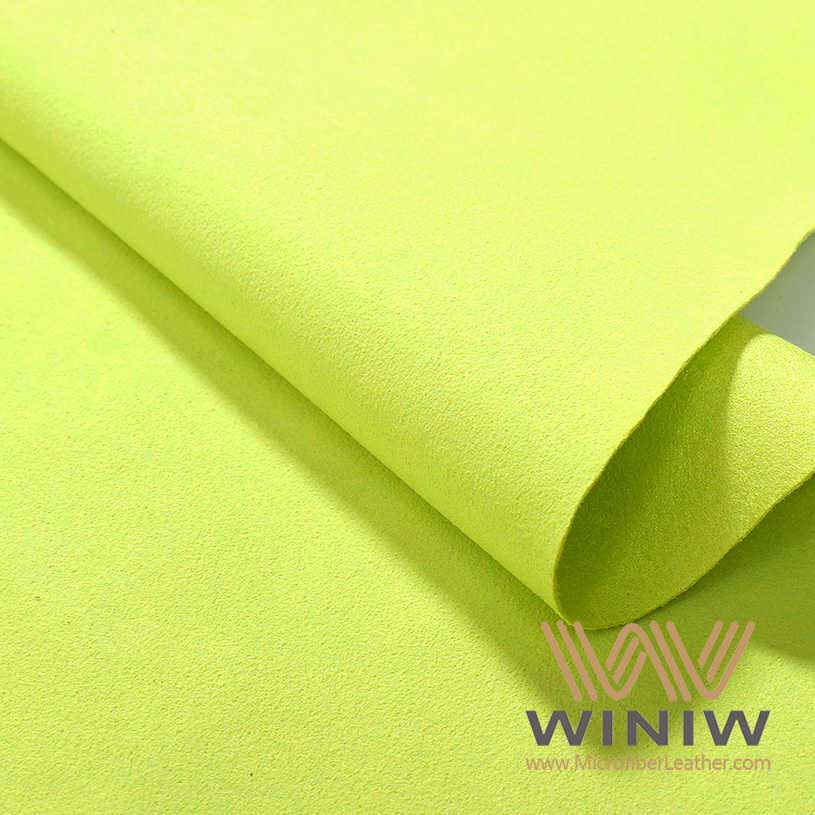
Microsuede seat covers offer impressive durability and wear for everyday driving. The synthetic fibers in microsuede resist fading and maintain their plush texture over time. Many drivers choose microsuede for its resistance to wear, especially in high-traffic vehicles. Microfiber construction helps microsuede stand up to daily use, making it ideal for families and pet owners. Microsuede seat covers provide a comfortable surface, but they may attract dust and require regular cleaning. The table below compares comfort, stain resistance, and durability between microsuede and leather.
Material | Comfort Level | Stain Resistance | Durability |
|---|---|---|---|
Microsuede | More comfortable than leather | Resistant to stains | Less rugged than leather |
Leather | Less comfortable | Not inherently stain resistant | Durable when properly cared for |
Real Leather Longevity
Real leather stands out for its longer lifespan and consistent durability. Many car owners value real leather for its ability to age gracefully and develop a unique patina. Real leather, when maintained properly, can last for decades and retain its quality. Synthetic alternatives, such as leatherette, may resist spills and stains, but they often show signs of peeling or cracking over time. The durability of real leather remains unmatched, especially in high-traffic vehicles. High-quality real leather offers a more reliable lifespan compared to synthetic options, which can vary in durability.
Stain and Scratch Resistance
Microsuede excels in resistance to wear, stains, and scratches. Microfiber materials resist spills and stains better than leather, making them suitable for family vehicles. Microsuede also provides strong scratch resistance, which is important for environments with children and pets. Leather, while luxurious, does not perform as well in terms of stain and scratch resistance. The table below highlights the differences in stain and scratch resistance.
Material | Stain Resistance | Scratch Resistance | Notes |
|---|---|---|---|
Microsuede | High | High | Strong against daily use, may attract dust |
Leather | Moderate | Moderate | Can be prone to scratches and stains |
Synthetic materials like microsuede offer superior resistance to spills and stains.
Microfiber provides strength and durability, making it a practical choice for car seat covers in family vehicles.
Leather requires careful maintenance to avoid scratches and stains.
Tip: Microsuede seat covers deliver excellent resistance to wear and stains, while real leather offers a longer lifespan and classic appeal.
Maintenance and Cleaning
Cleaning Microsuede
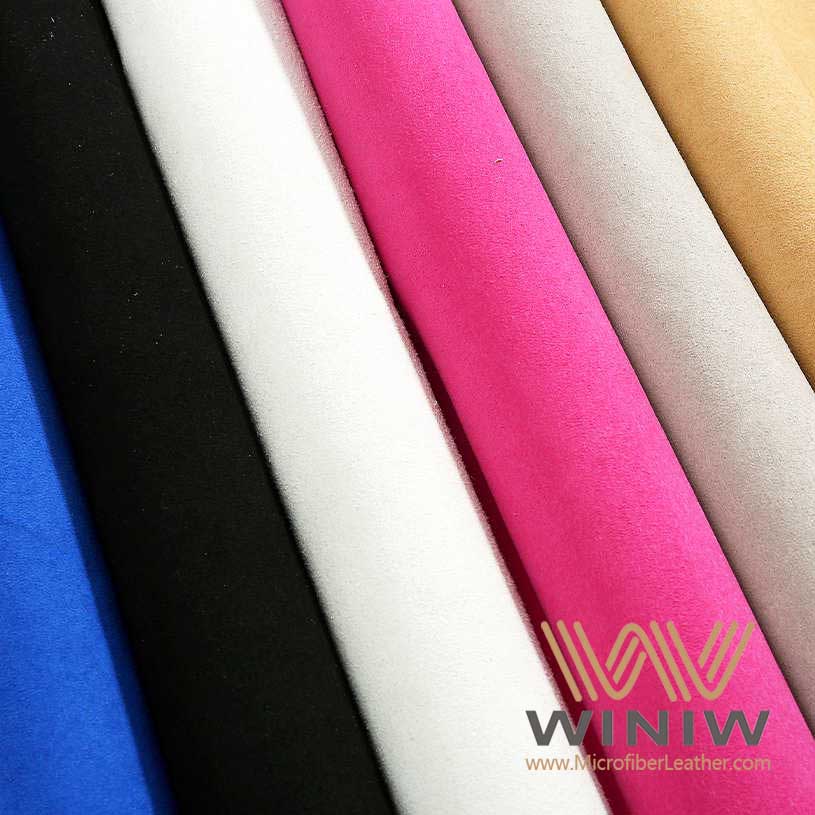
Microsuede seat covers offer ease of maintenance for drivers who value comfort and practicality. Microsuede resists stains, but regular cleaning keeps the material looking fresh. Shampooing every four to six months maintains optimal appearance and hygiene. Drivers who transport kids or pets, or eat in the car, may need more frequent cleaning. Spot-cleaning helps extend the time between full shampoos. For water-based stains, a mixture of equal parts white vinegar and water works well. Oil-based stains, such as grease or makeup, require a specialized suede cleaner. Products like Total Interior or Nonsense clean microsuede effectively. Applying a suede protector repels liquids and prevents future stains.
Recommended Cleaning Products for Microsuede:
Specialized suede cleaner for oil-based stains
White vinegar and water mix for water-based stains
Total Interior or Nonsense for general cleaning
Suede protector for added resistance
Cleaning Real Leather
Real leather car seat covers demand careful attention to preserve quality and longevity. Vacuuming removes dust and debris before cleaning. A leather cleaner applied with a microfiber cloth or brush lifts dirt without damaging the surface. For color transfer issues, a leather sealant provides protection. Conditioning keeps leather soft and prevents cracking. Apply a quarter-size drop of conditioner with a dry lint-free cloth, coat the leather in a thin layer, and let it dry for at least two hours. Buff the surface to remove excess conditioner. Avoid harsh chemicals or abrasive cleaners to prevent fading and damage. Excessive scrubbing or strong cleaners can cause dryness or premature fading. Maintaining a balance between cleaning and conditioning ensures leather retains its comfort and durability.
Best Practices for Leather Care:
Vacuum seats to remove debris.
Apply leather cleaner with a microfiber cloth.
Use a leather sealant if needed.
Condition the leather and allow it to air dry.
Buff with a lint-free cloth.
Everyday Care Tips
Routine care extends the life of car seat covers and preserves their appearance. Microsuede benefits from regular vacuuming and prompt spot-cleaning. Leather requires gentle cleaning and periodic conditioning. Drivers should avoid harsh chemicals and excessive scrubbing for both materials. Applying protectors to microsuede and conditioners to leather helps maintain quality. Consistent care reduces long-term cost by preventing damage and wear.
Tip: Take your time and work in small sections. Use soft, lint-free cloths to avoid scratches. Avoid saturating leather or microsuede with cleaner.
Material | Cleaning Frequency | Key Products | Special Care |
|---|---|---|---|
Microsuede | Every 4–6 months | Suede cleaner, vinegar | Use suede protector |
Leather | Monthly | Leather cleaner, conditioner | Avoid harsh chemicals |
Cost and Value
Price Comparison
Drivers often compare the cost of microsuede seat covers and real leather options before making a decision. Microsuede seat covers usually have a lower upfront price, making them accessible for budget-conscious buyers. Real leather car seat covers command a premium due to their material and craftsmanship. Installation costs also differ significantly. The table below highlights typical installation costs in the automotive aftermarket:
Seat Cover Type | Installation Cost Range |
|---|---|
Basic Polyester | $50 - $100 |
Premium Leather | $150 - $300 |
Microsuede seat covers offer an affordable solution for those seeking comfort and style without a high investment. Real leather requires a larger financial commitment, but many drivers consider the expense worthwhile for the added luxury and durability.
Long-Term Value
Long-term value plays a crucial role in the decision between microsuede and real leather. Vehicles with leather interiors often retain higher resale prices. Buyers perceive leather as a sign of quality and luxury, which increases the appeal of these cars in the used market. The durability and lasting appearance of real leather help maintain this advantage over time. Microsuede provides comfort and modern style, but it does not match the value retention of leather. Protecting the interior with quality car seat covers, especially in vehicles with microsuede, can help preserve resale value. Regular maintenance ensures both materials remain attractive and functional, but real leather consistently delivers superior long-term financial benefits.
Tip: Investing in real leather car seat covers can boost a vehicle’s resale value and provide lasting satisfaction for owners who prioritize quality.
Appearance and Style
Look of Microsuede
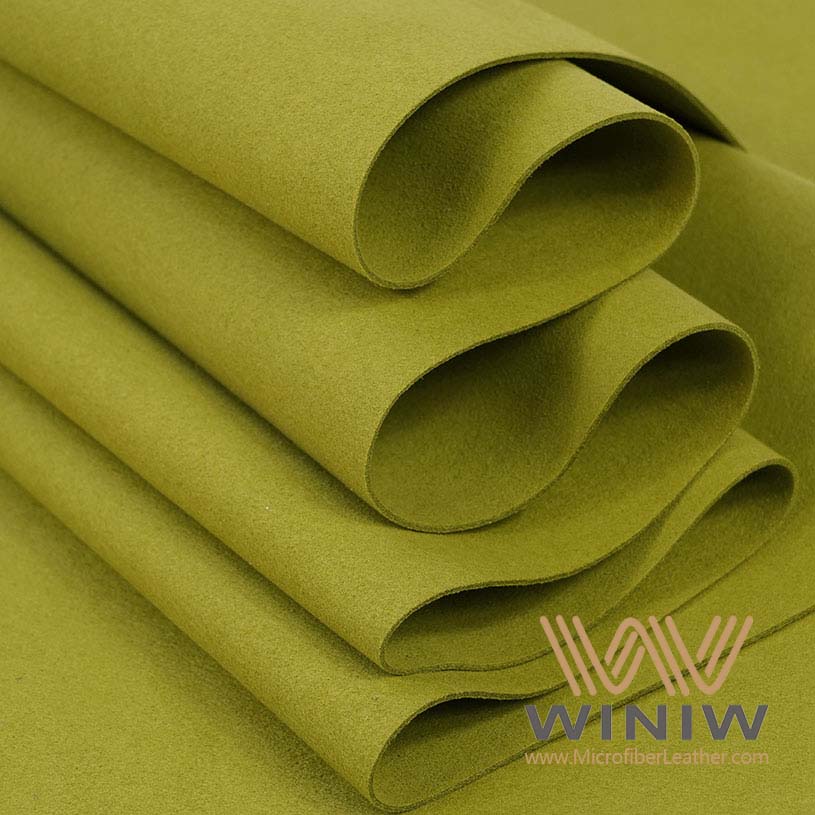
Microsuede creates a modern and inviting look inside any vehicle. The soft, matte finish of microsuede appeals to drivers who want a cozy and contemporary interior. Many people choose microsuede seat covers because the material offers a wide range of colors and patterns. This flexibility allows car owners to match their personal style or the existing design of their car. Microsuede resists fading, so the seats keep their fresh appearance over time. The texture of microsuede also hides minor blemishes, which helps maintain a clean look.
Look of Leather
Leather stands out for its classic and timeless appearance. Real leather gives car interiors a luxurious aesthetic that many drivers admire. The smooth surface and natural grain of leather add depth and richness to the cabin. Leather often comes in neutral shades, such as black, tan, or gray, which complement most vehicle designs. Over time, real leather develops a unique patina that signals quality and character. Many luxury vehicles use leather to create an upscale atmosphere. The shine and texture of leather make it a popular choice for those who value elegance.
Customization Options
Both microsuede and leather offer customization, but the options differ. Microsuede provides more choices in color, pattern, and stitching. Drivers can select bold colors or subtle tones to fit their taste. Leather offers fewer color options but excels in premium finishes and detailed craftsmanship. Some car seat covers combine microsuede and leather for a balanced look. The cost of customization depends on the material and design complexity. Drivers who want a unique interior often choose microsuede for its versatility, while those seeking luxury and quality may prefer leather.
Tip: Consider how each material matches your lifestyle and the overall design of your car before making a decision.
Suitability for Different Needs
Families and Pets
Families with young children and pet owners often look for car seat covers that resist stains and are easy to clean. Microsuede offers a soft surface and strong scratch resistance, which helps when pets ride in the car. Leather provides a durable and luxurious look, but it absorbs heat and needs routine maintenance. Alcantara, a type of microsuede, stays cleaner longer and dries slowly after cleaning. The table below compares popular materials for families and pet owners:
Material | Pros | Cons |
|---|---|---|
Leather | Durable, easy to maintain, luxurious look | Absorbs heat, harder to repair |
Microsuede | Soft, scratch resistant, easy to clean | May attract dust, dries slowly |
Alcantara | Stays cleaner longer, durable | Can be pricier |
Microsuede seat covers suit families who want comfort and easy cleaning. Leather works well for those who value durability and a premium feel.
Daily Commuters
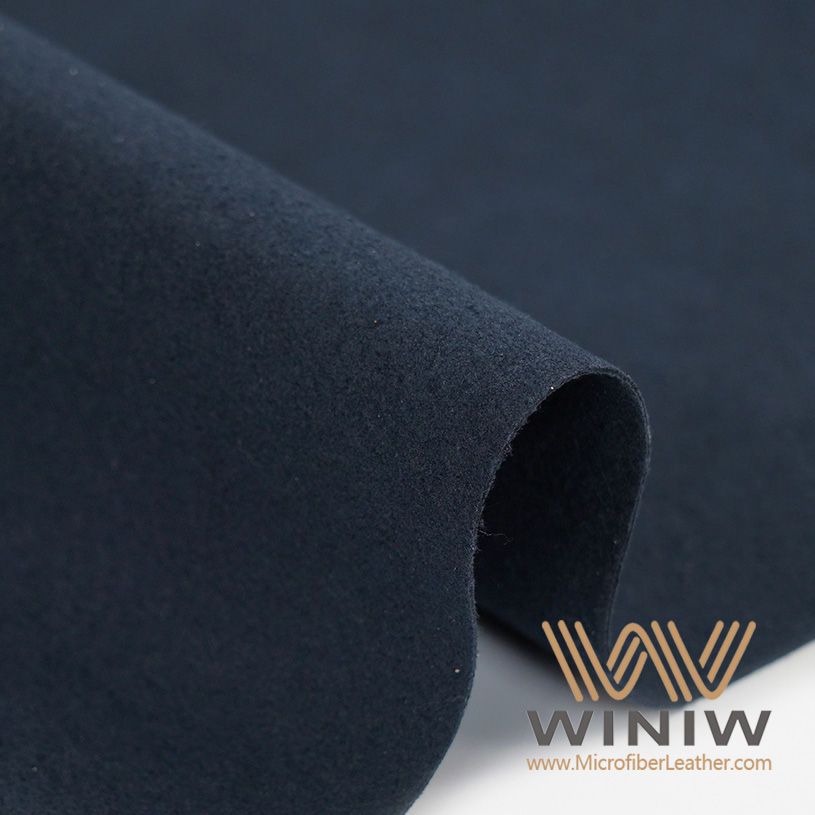
Daily commuters spend many hours in their vehicles. Comfort, maintenance, and cost matter most. Microsuede provides a cozy seat and resists stains, making it ideal for frequent use. Leather offers a luxury feel and is easier to clean, but it costs more. The table below highlights factors commuters consider:
Factor | Description |
|---|---|
Comfort | Microsuede feels soft; leather feels premium |
Cost | Microsuede is affordable; leather is expensive |
Maintenance | Leather is easier to clean |
Allergies | Microsuede can trap allergens |
Variety | Microsuede offers more colors and patterns |
Commuters who want a balance of comfort and value often choose microsuede. Leather appeals to those who prefer luxury and easy cleaning.
Luxury and Enthusiast Drivers
Luxury and enthusiast drivers focus on quality, style, and long-term satisfaction. Real leather stands out for its classic appearance and durability. Microsuede offers a modern look and a variety of customization options. Enthusiasts may select microsuede for its grip and sporty feel. Those who want a timeless, upscale cabin often pick leather. Both materials deliver high quality, but personal preference guides the final choice.
Tip: Drivers should match their car seat covers to their lifestyle. Families and commuters benefit from microsuede, while luxury seekers may prefer real leather.
Microsuede seat covers provide comfort and modern style, while leather offers durability, luxury, and higher quality. Microsuede suits drivers who value cost and easy maintenance. Real leather fits those who want classic car seat covers and lasting value. Drivers should choose microsuede or leather based on lifestyle and personal preference.
Microsuede: soft, affordable, easy to clean
Leather: durable, luxurious, increases resale value

FAQ
Is microsuede waterproof?
Microsuede resists water but does not provide full waterproof protection. Spills bead on the surface, but heavy or prolonged exposure can soak through.
Does leather crack over time?
Leather can crack if it dries out or receives poor care. Regular conditioning helps prevent cracks and keeps leather soft.
Which material is better for hot climates?
Microsuede stays cooler to the touch in hot weather.
Leather absorbs heat quickly and can feel hot after sun exposure.