

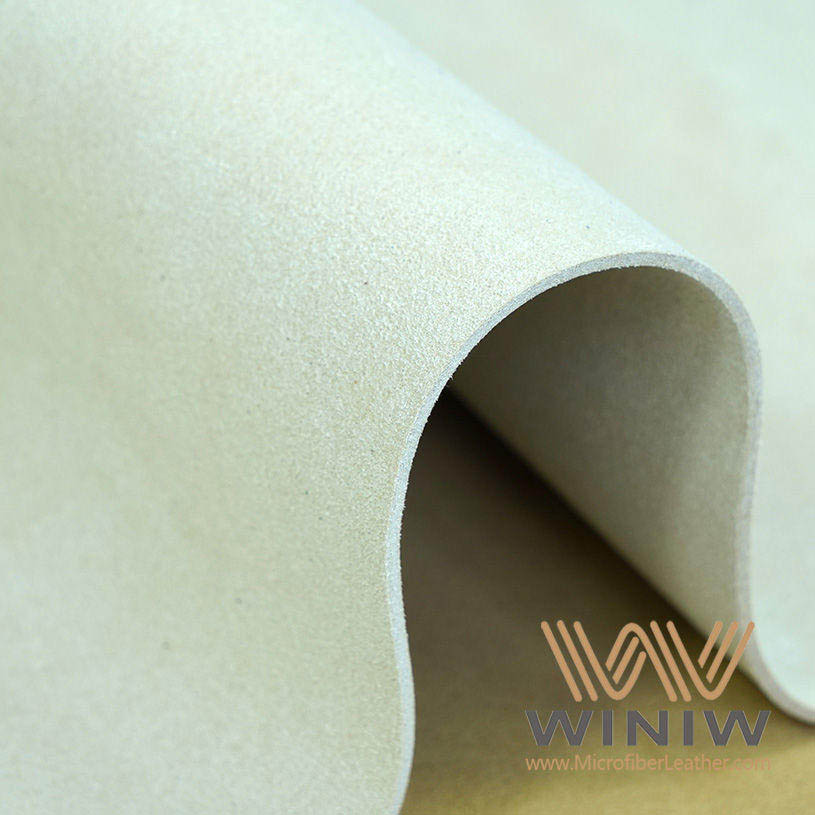
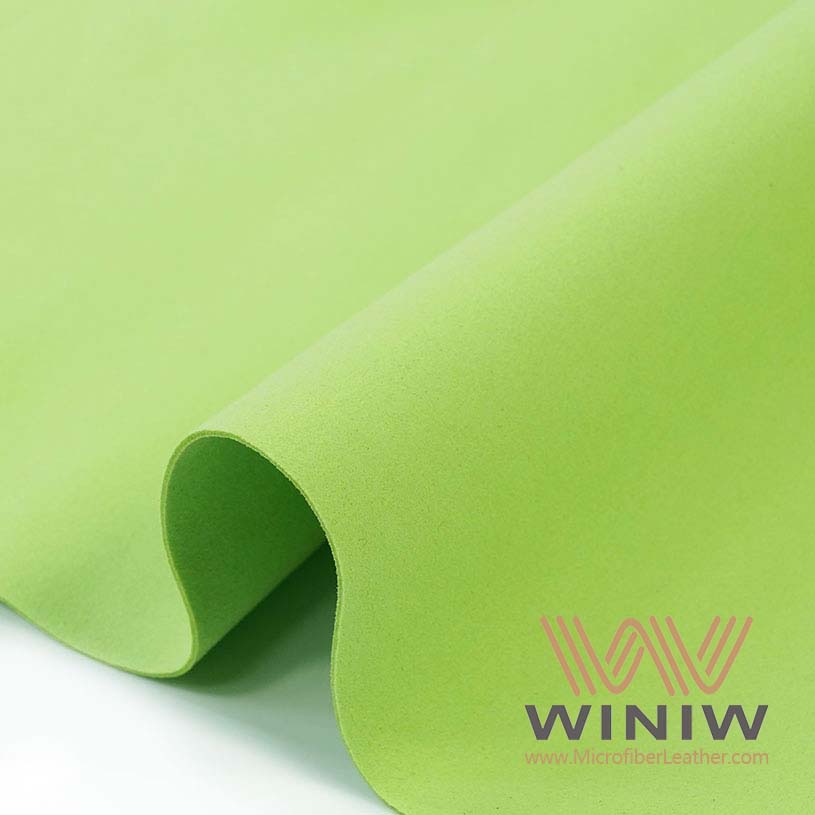
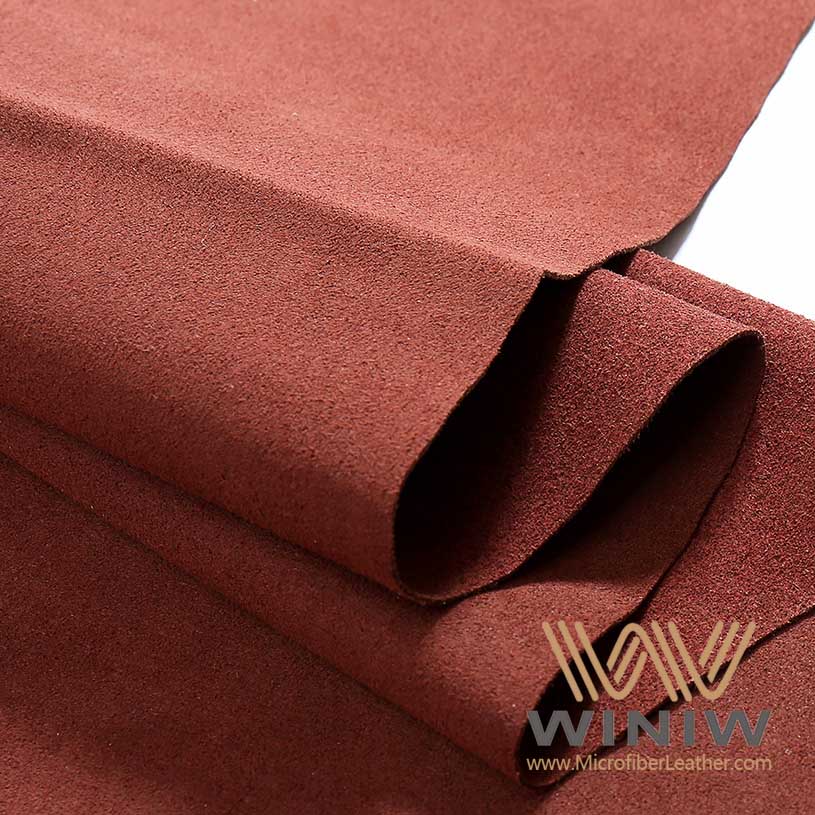
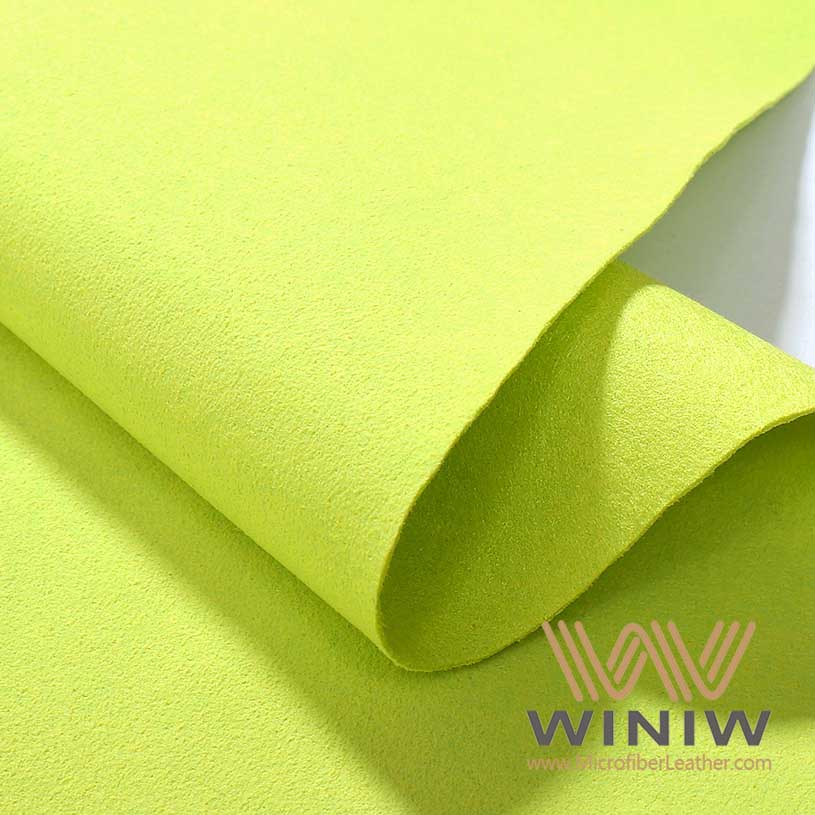
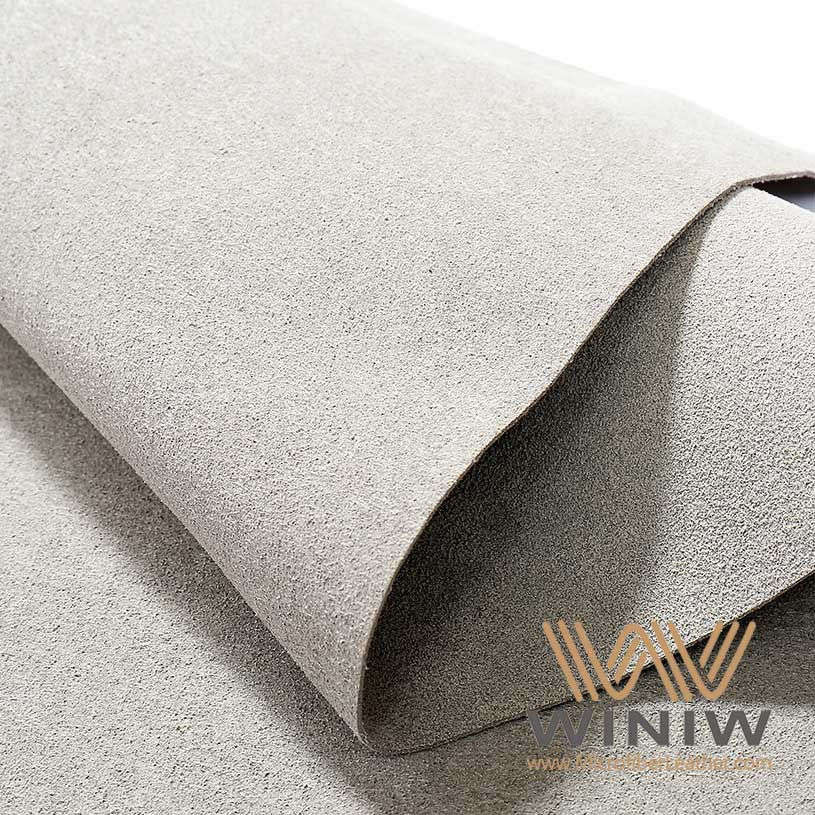
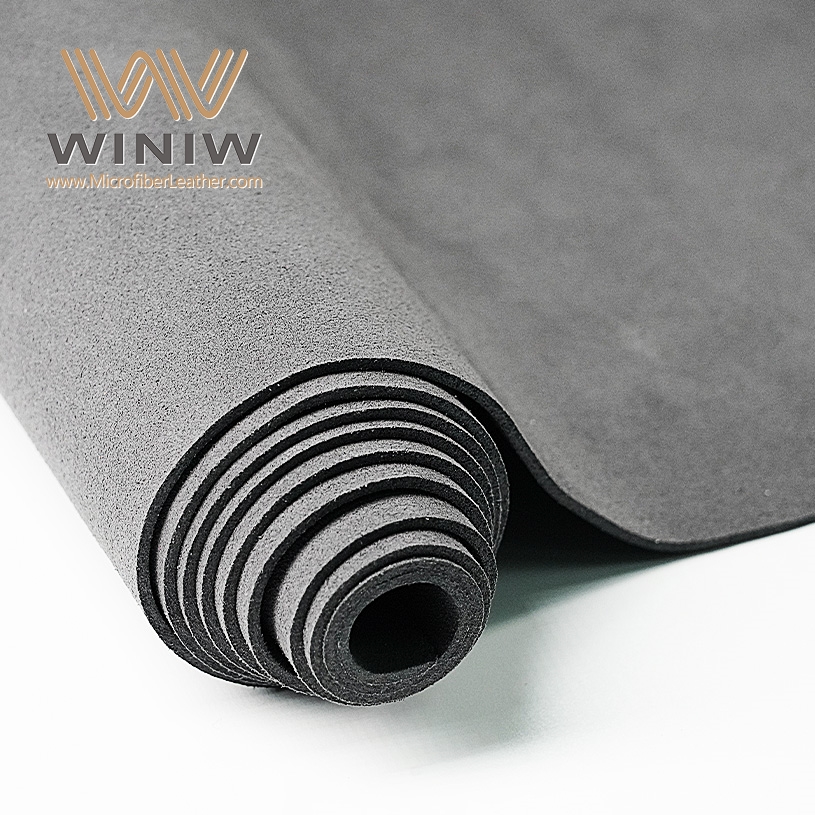
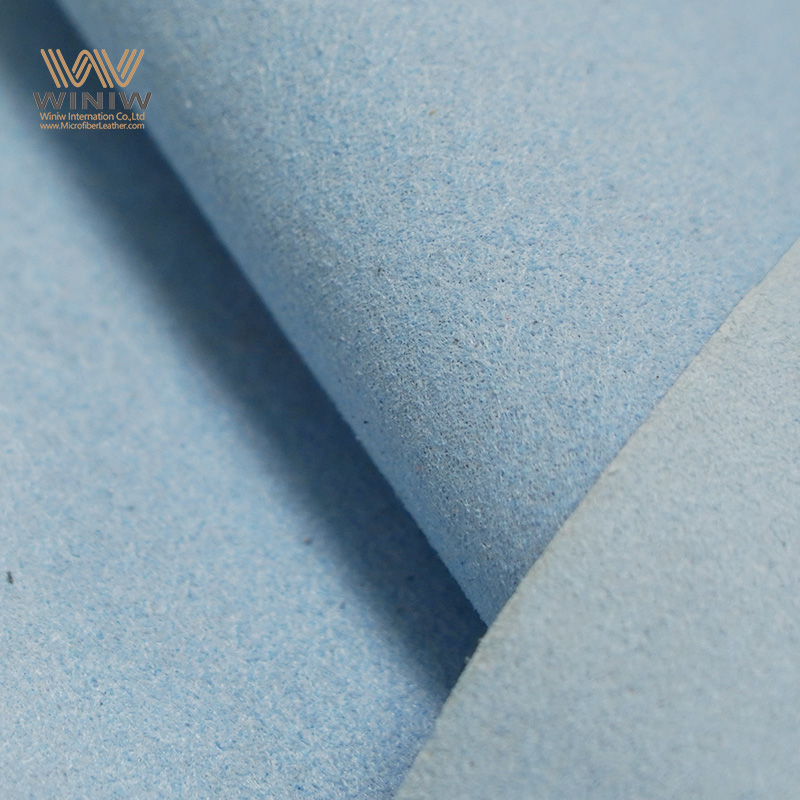
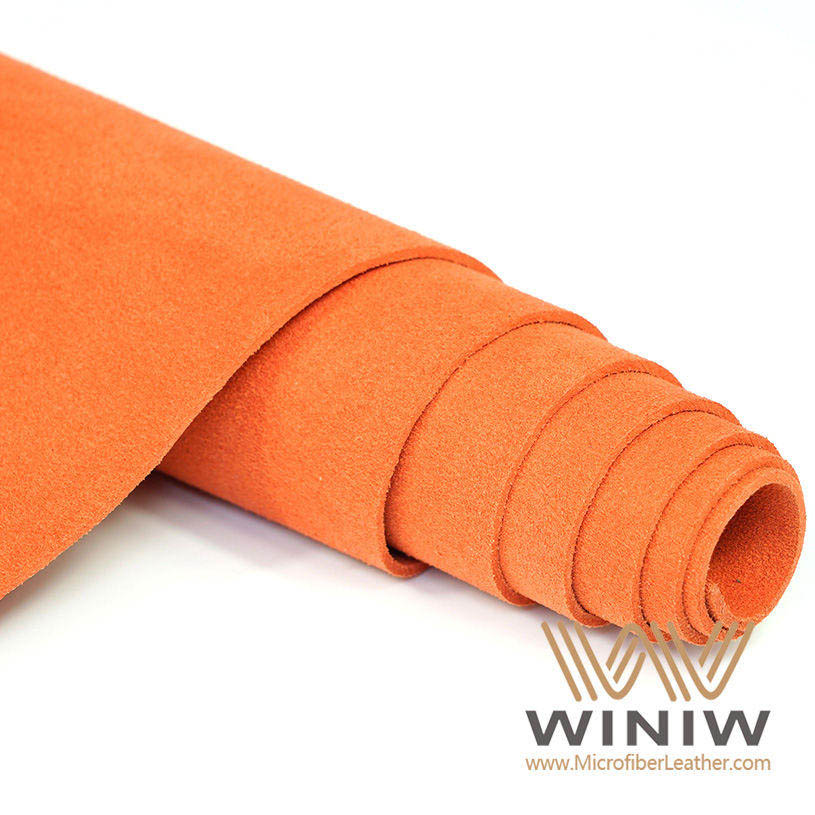
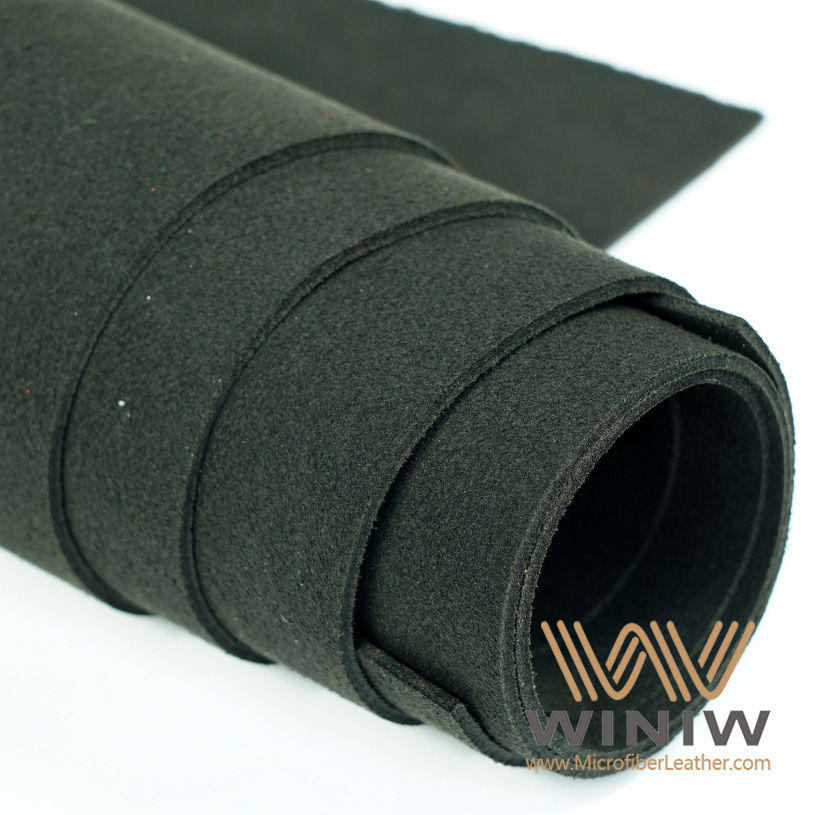

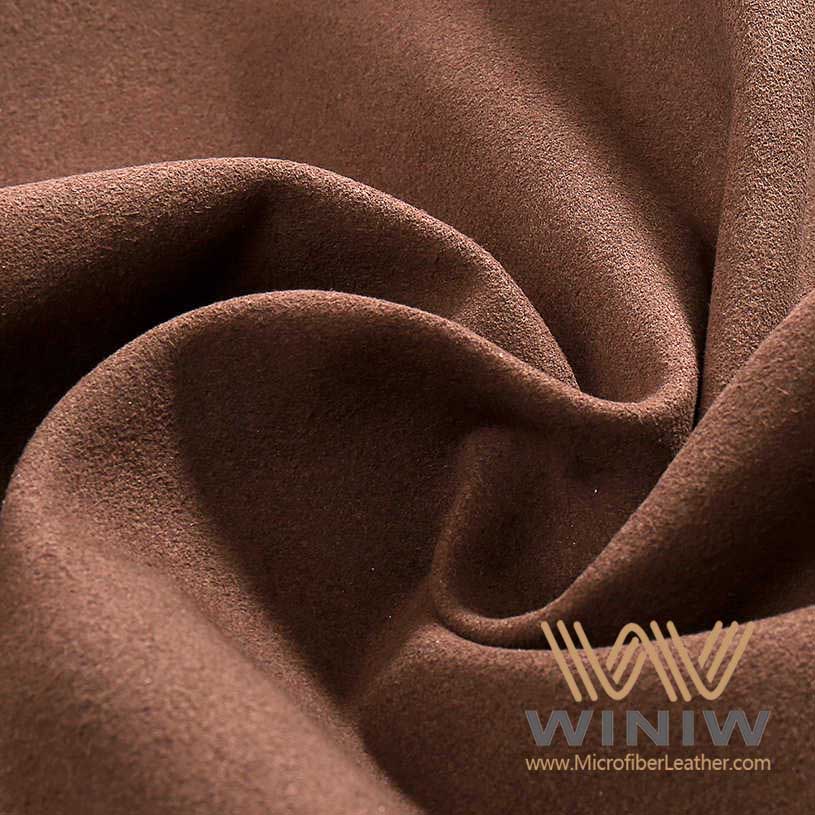
When you select heavy microsuede fabric for upholstery, focus on durability, stain resistance, and ease of cleaning. Professionals suggest checking the double rub rating—15,000 or higher means the best fabric for sofa use. If you have pets or kids, stain-resistant materials help keep furniture looking new.
Stain resistance keeps upholstery fresh in busy homes.
High rub counts signal tough, long-lasting fabric.
How to Choose the Best Heavy Microsuede Fabric for Upholstery Projects
Choose heavy microsuede fabric with a double rub rating of 15,000 or higher for durability, especially in homes with kids or pets.
Look for stain-resistant properties in microsuede to keep your furniture looking fresh and clean with minimal effort.
Test fabric samples for softness and durability before making a purchase to ensure comfort and longevity in your upholstery projects.
Key Features of Heavy Microsuede Fabric
Weight and Thickness
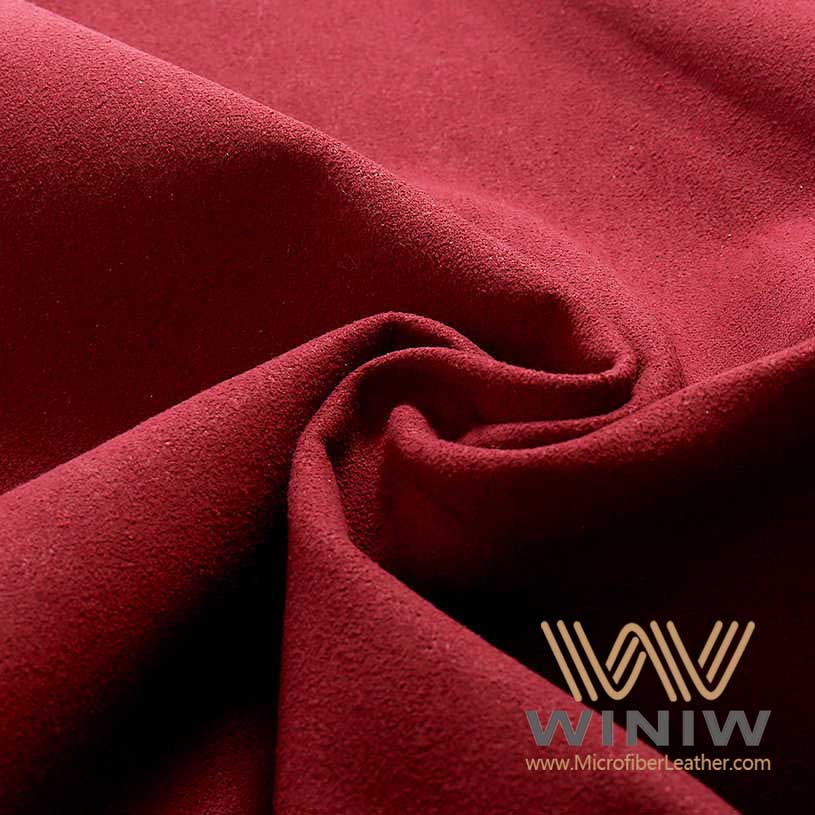
When you choose microfiber suede fabric for upholstery, weight and thickness play a major role in how well your furniture holds up over time. Heavier fabrics, usually between 410gsm and 600gsm, offer dense construction and strong durability. These fabrics work best for high-traffic areas like main sofas, recliners, and dining chairs. Ultra-heavy options, ranging from 610gsm to 1000gsm, are designed for commercial spaces such as restaurant booths and hotel lobbies. You will notice that heavy microsuede fabric keeps its softness and appearance even after years of use. This makes it a smart choice for both homes and businesses where furniture faces daily wear.
Heavyweight microfiber suede fabric stands up to frequent use.
Ultra-heavy options suit commercial and public spaces.
The fabric maintains its look and feel over time.
Stain Resistance and Cleaning
Stain resistant properties set microfiber suede fabric apart from many other upholstery materials. If you have kids or pets, you know how important it is to have furniture that is easy to clean. Heavy microsuede fabric repels spills and grime, so you can wipe away most messes with a damp cloth. This makes it a practical choice for busy households.
Material | Stain Resistance | Cleaning Method |
|---|---|---|
Microsuede | Superior; captures grime without absorbing | Wipe with damp cloth or machine wash |
Natural Suede | Prone to stains; requires dry cleaning | Dry cleaning only |
You can see that microfiber suede fabric offers much better water and stain resistance than natural suede. For regular cleaning, use specialized microsuede cleaning chemicals and a soft bristle upholstery brush. For general stains, products like Dr. Beasley’s Microsuede Cleanser work well. For tougher stains, such as ink or blood, a spot remover designed for microsuede is best. After cleaning, apply a protectant to help repel future spills and dirt. Always brush the fabric gently in one direction, apply the cleaner, then brush in the opposite direction for the best results.
Tip: Choose an easy to clean fabric if you want to keep your furniture looking fresh with minimal effort.
Fiber Density and Durability
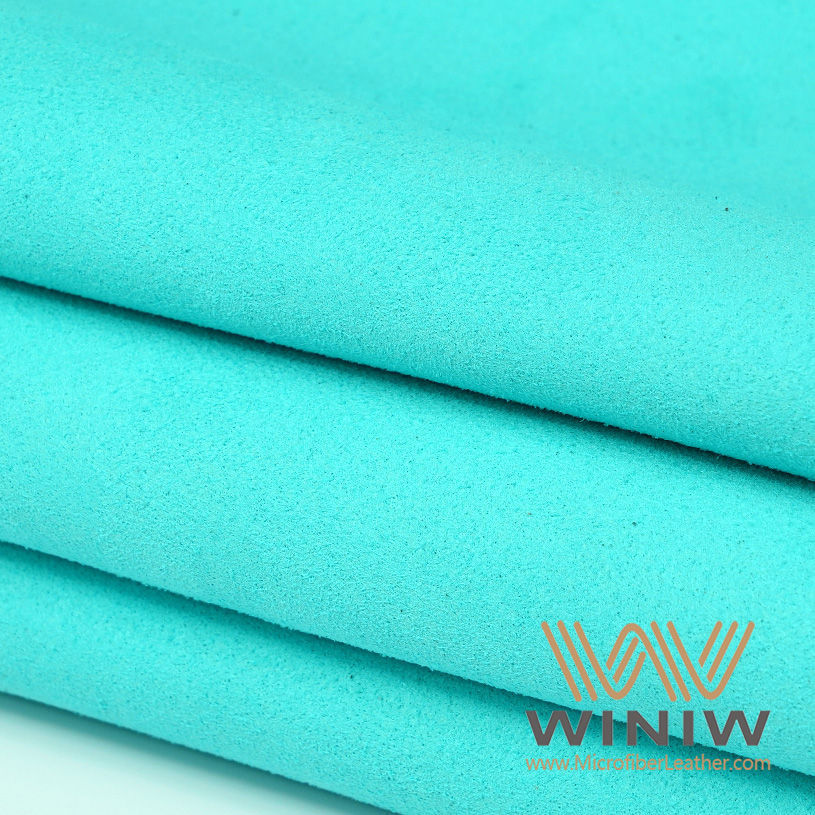
Fiber density and weave structure determine how long your microfiber suede fabric will last and how comfortable it feels. High-density fibers resist wear and tear, making the fabric ideal for upholstery that sees a lot of use. Industry standards use double rub counts to measure durability. Look for fabrics rated at 15,000 double rubs or higher for regular and heavy use at home. For commercial spaces, select fabrics with ratings above 30,000 double rubs.
Rating Code | Double Rubs | Usage Description |
|---|---|---|
LD | Under 5000 | Light duty home decor upholstery |
MD | 5000 - 14900 | Medium use home decor upholstery |
RD | 15000 - 29900 | Regular and heavy use home decor upholstery |
HD | 30000 and above | Extreme use residential and commercial upholstery |
The weave structure also affects both comfort and longevity. For example, twill weaves distribute stress diagonally, which increases mechanical strength and gives the fabric a soft drape. Plain weaves resist snagging but may feel less flexible. A recent study found that twill weaves can increase tensile strength by up to 35% compared to plain weaves of the same weight.
Weave Type | Mechanical Strength | Aesthetic Traits |
|---|---|---|
Plain Weave | Moderate | Flat, matte, crisp |
Twill Weave | High | Soft drape, slight sheen |
Satin Weave | Low to moderate | Glossy, smooth, flowing |
Basket Weave | Moderate | Textured, breathable |
Herringbone | High | Zigzag texture |
Jacquard | Variable | Complex, 3D woven design |
When you evaluate microfiber suede fabric, consider both the fiber density and the weave. These factors influence not only how long your upholstery will last but also how comfortable it feels day after day. Texture and comfort level matter, too. Soft, breathable materials enhance your experience, especially if you spend a lot of time on your furniture.
Note: Always check the double rub rating and weave type to match your lifestyle and comfort needs.
How to Evaluate and Compare Microfiber Suede Fabric
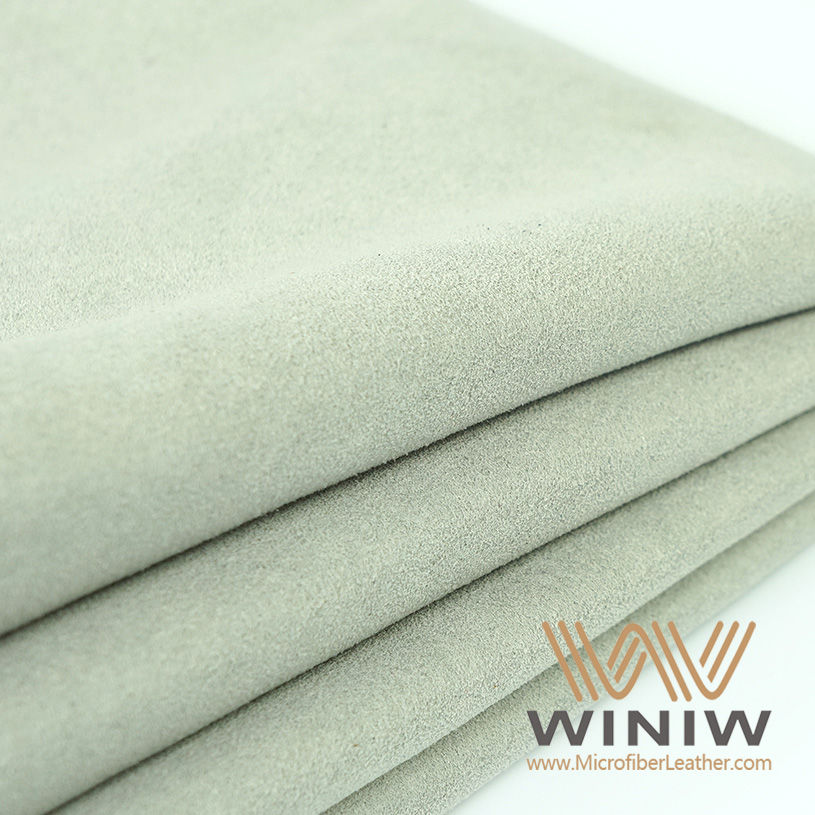
Choosing the right microfiber suede fabric for your upholstery project requires careful evaluation. You need to look beyond color and texture. Focus on the technical details and how the fabric will perform in your home.
Reading Fabric Specifications
Start by reading the label on each microfiber suede fabric sample. The specifications tell you how the fabric will hold up over time. Pay close attention to the double rub count and material composition. The double rub count measures how many times you can rub the fabric before it shows wear. Higher numbers mean greater durability. For most homes, you should look for a double rub count of at least 30,000. If you have children or pets, aim for 50,000 or more. Commercial spaces need fabrics rated above 100,000.
Specification | Details |
|---|---|
Double Rub Count | Aim for at least 30,000 for residential use; 50,000+ for families/pets; commercial-grade should exceed 100,000. |
Material Composition | Typically a blend of polyester and rayon (viscose), offering a luxurious drape and durability. |
You should also check the material composition. Most microfiber suede fabric blends polyester and rayon. This combination gives you a soft feel and strong durability. The table below shows how double rub ratings relate to different uses:
Double Rub Rating | Suitability for Upholstery Use |
|---|---|
Under 5000 | Light duty (decorative appeal) |
5000 - 14900 | Medium use (living rooms) |
15000 - 29900 | Regular and heavy use |
30000 and Above | Extreme use (residential/commercial) |
Tip: Always compare these numbers during your fabric selection process. High double rub counts mean your furniture will last longer, even in busy homes.
Testing Samples for Quality
Before you make a final decision, test samples of microfiber suede fabric. Touch each sample to check for softness and comfort. Rub the fabric to see if it feels sturdy or if fibers come loose. You should also test for colorfastness and resistance to fading. Here are some common tests:
AATCC 61 (Accelerated Home Laundering): This test checks how well the fabric withstands washing. Look for a rating of 4 or higher.
AATCC 8 (Crocking Test): This test measures color transfer when you rub the fabric. Ratings of 3 or higher for dry and 2 or higher for wet are acceptable.
AATCC 16/164 (Lightfastness): This test evaluates how much the fabric fades under light. A rating of 4 or higher means minimal fading.
You can ask your supplier for these test results or perform simple at-home tests. Place a damp white cloth on the fabric and rub gently to check for color transfer. Expose a sample to sunlight for a few days to see if the color fades. These steps help you choose a microfiber suede fabric that will look good for years.
Matching Fabric to Lifestyle Needs
Think about your daily life when choosing microfiber suede fabric. If you have pets or children, you need a fabric that resists stains and cleans easily. Performance fabrics, such as Sunbrella or Crypton, offer extra protection against spills and heavy use. Look for tight weaves and a high percentage of synthetic fibers. These features make the fabric more durable and less likely to snag.
Choose fabrics that are easy to clean and resist stains.
Tight weaves and synthetic blends increase durability.
Double rub testing ensures the fabric can handle daily wear.
You should also consider who will use the furniture. Families with young children or pets need tough, easy-to-clean fabrics. Elderly family members or guests with sensitive skin may prefer softer, warmer materials. The table below compares different upholstery options:
Factor | Leather | Microsuede/Fabric |
|---|---|---|
Maintenance | Low-maintenance, easy to clean | Requires regular vacuuming and spot cleaning |
User Demographics | Ideal for families with kids or pets | Softer and warmer, better for elderly or sensitive skin |
Long-Term Value | High durability, lasts 10-20 years | More affordable, good for short-term living |
Allergies | Hypoallergenic, easy to keep allergen-free | Can collect allergens, needs regular cleaning |
Sustainability | Animal welfare concerns | Offers sustainable, organic, and recycled options |
Note: Understanding your lifestyle and needs helps you pick the best microfiber suede fabric for your home. Prioritize durability and stain resistance if you want your furniture to last.
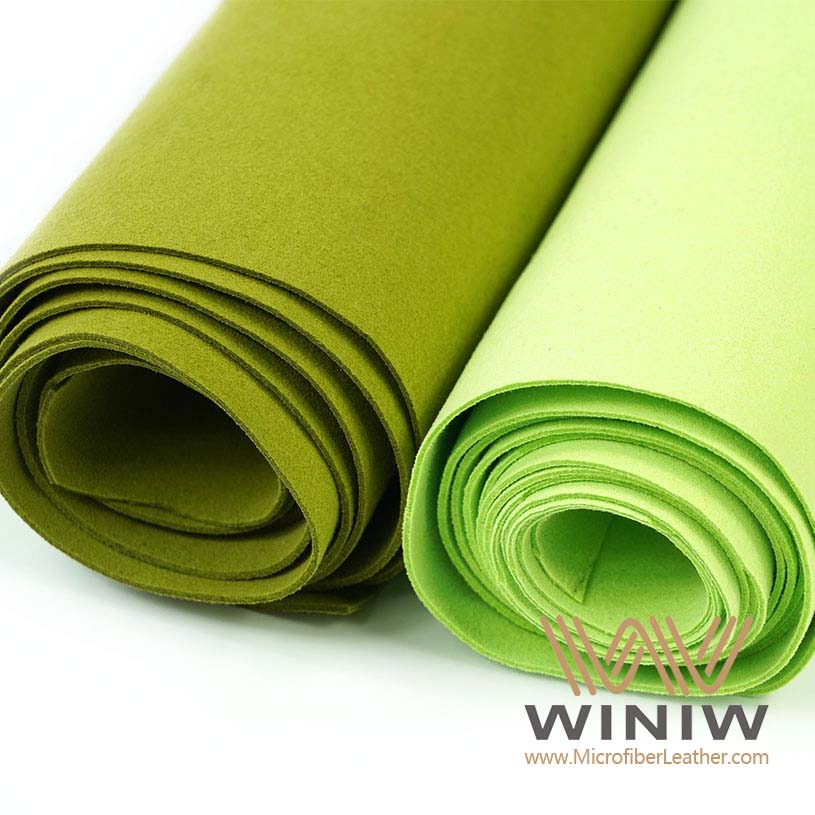
By following these steps, you can confidently compare and select the right microfiber suede fabric. Focus on specifications, test samples, and match the fabric to your lifestyle for the best results.

FAQ
What is the best way to clean heavy microsuede upholstery?
Use a soft brush or vacuum to remove dust. For stains, gently blot with a damp cloth and mild soap. Avoid harsh chemicals.
Can you use heavy microsuede fabric outdoors?
You should use heavy microsuede indoors. Outdoor use may cause fading and damage. Choose fabrics labeled for outdoor use for best results.
How do you prevent pilling on microsuede furniture?
Brush the fabric regularly.
Avoid rough clothing or sharp objects.
Use a fabric shaver if pilling appears.