

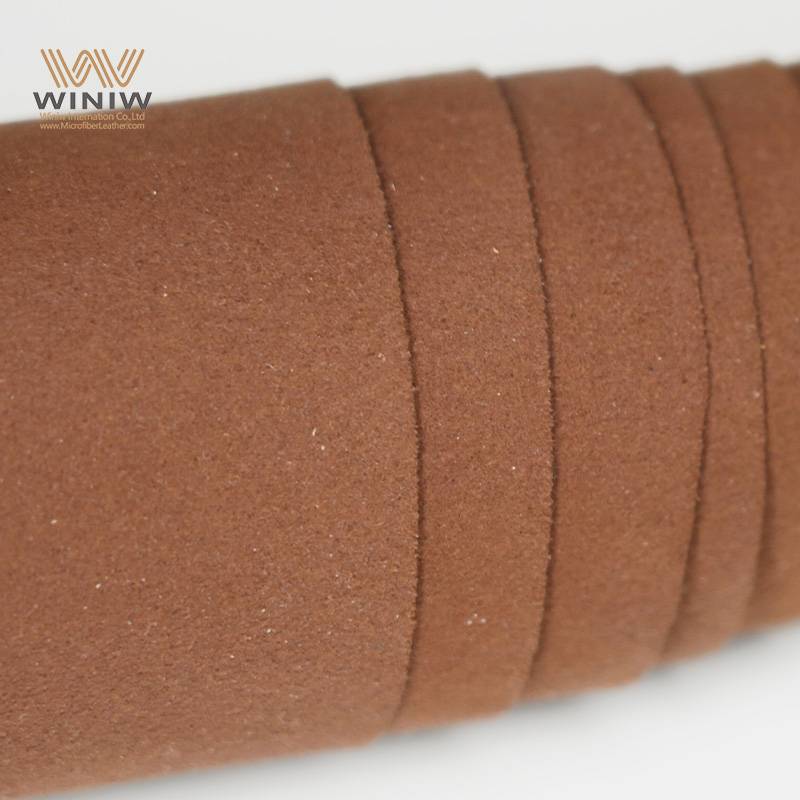
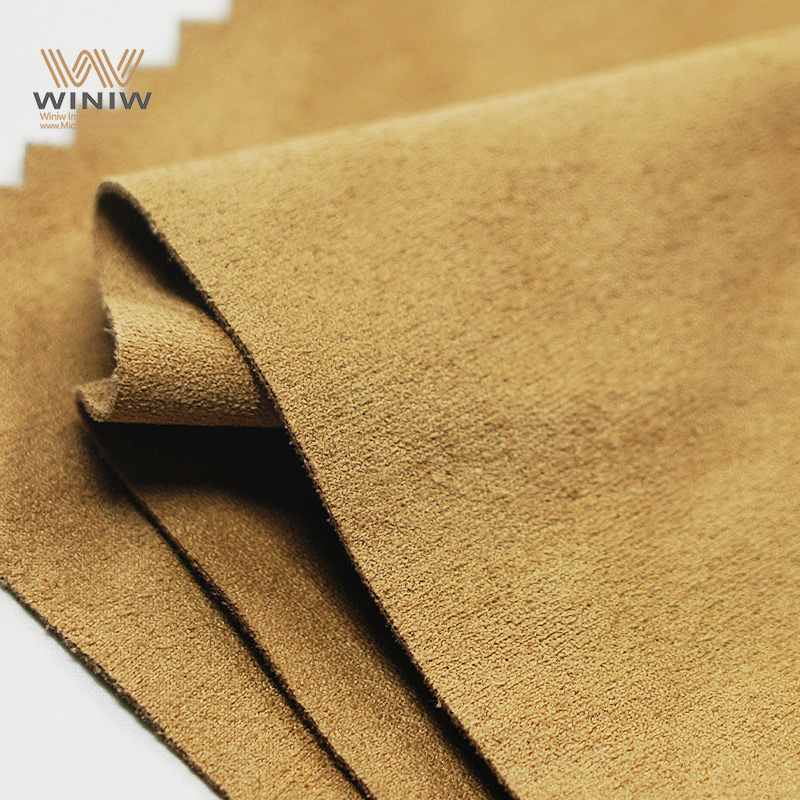
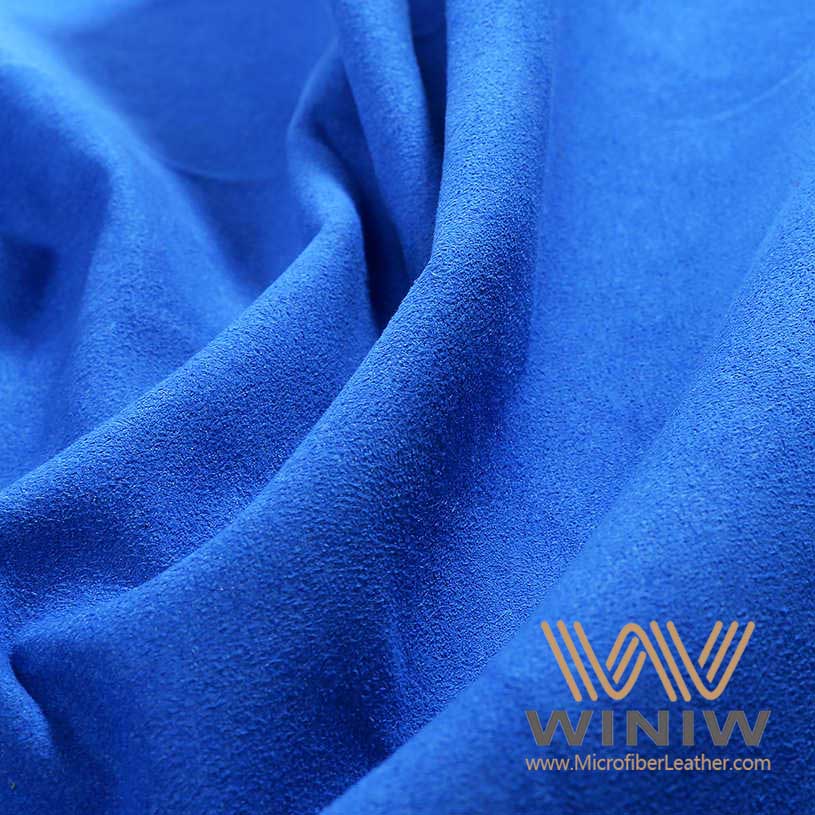
You keep your microsuede throw soft and attractive when you care for it the right way. Wash the blanket with gentle motions and mild products. Clean stains quickly so marks do not set. Dry the throw carefully to prevent shrinking or damage. These habits help your blanket last.
Simple Tips for Caring for Your Microsuede Throw Blanket
Always check the care label before washing your microsuede throw. It provides important instructions for cleaning and drying.
Use gentle washing methods with cold or mildly warm water. Avoid bleach and fabric softeners to keep the fabric soft and durable.
Air dry your blanket whenever possible. If using a dryer, select the lowest heat setting to prevent damage and shrinking.
Microsuede throw basics
What microsuede is
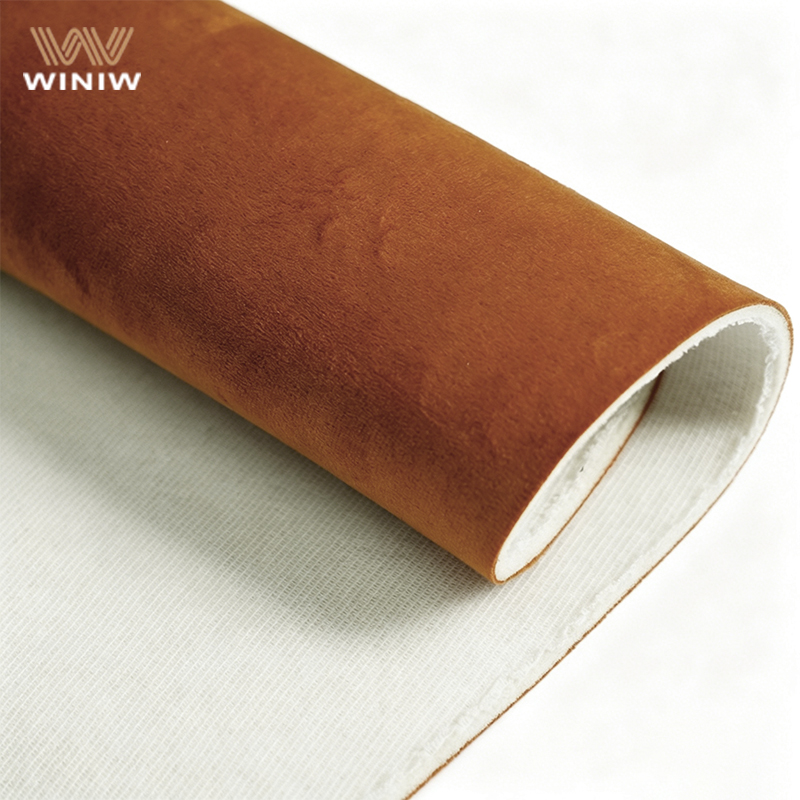
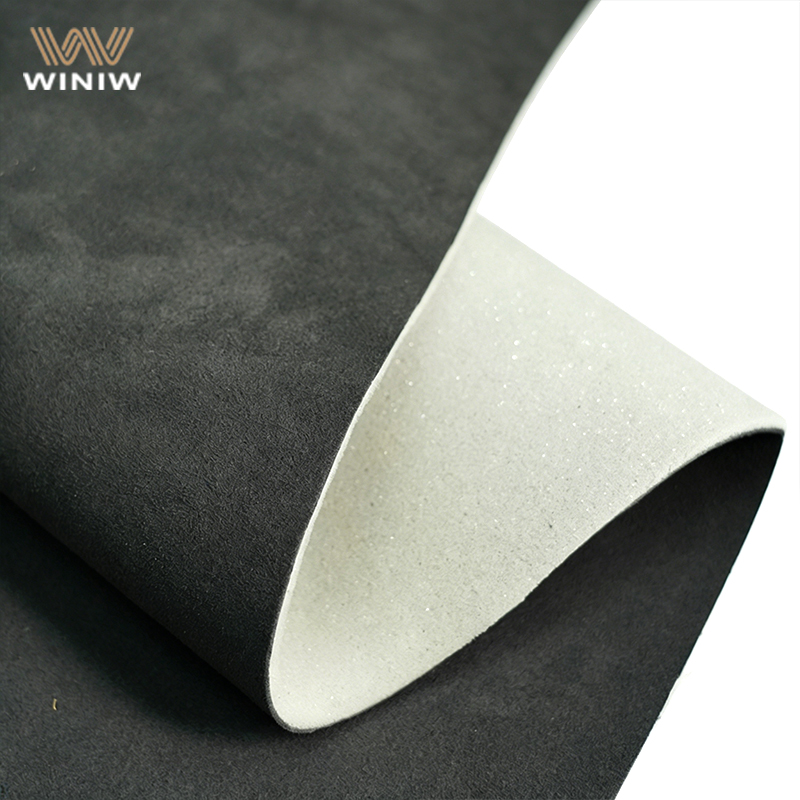
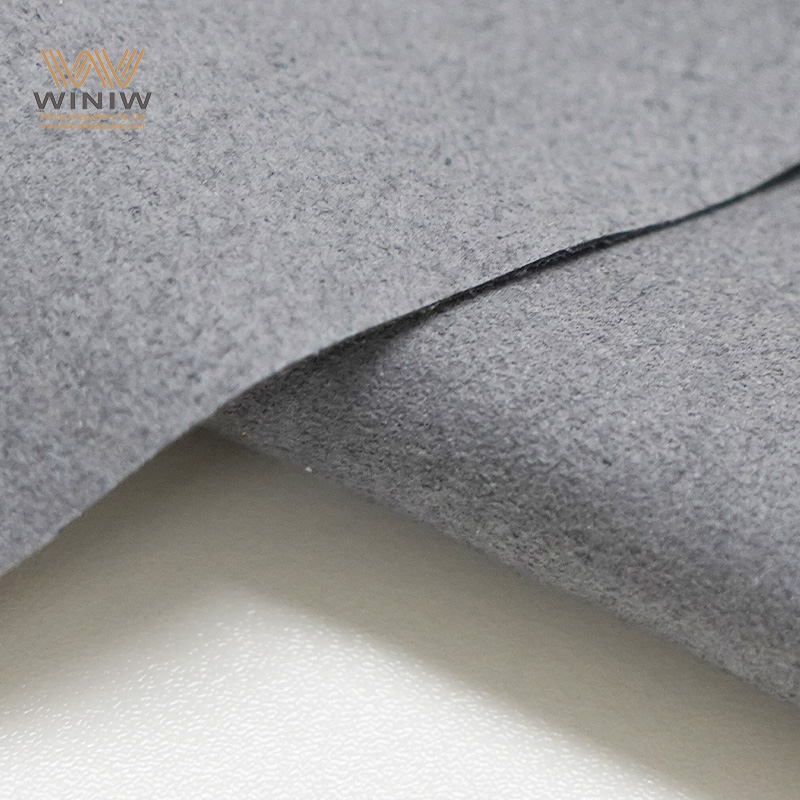
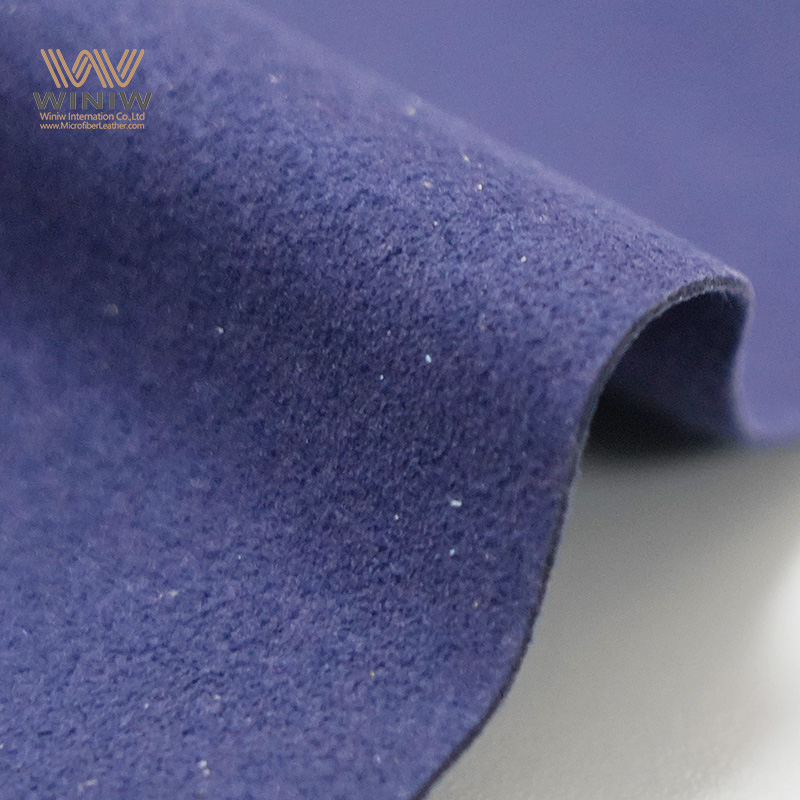
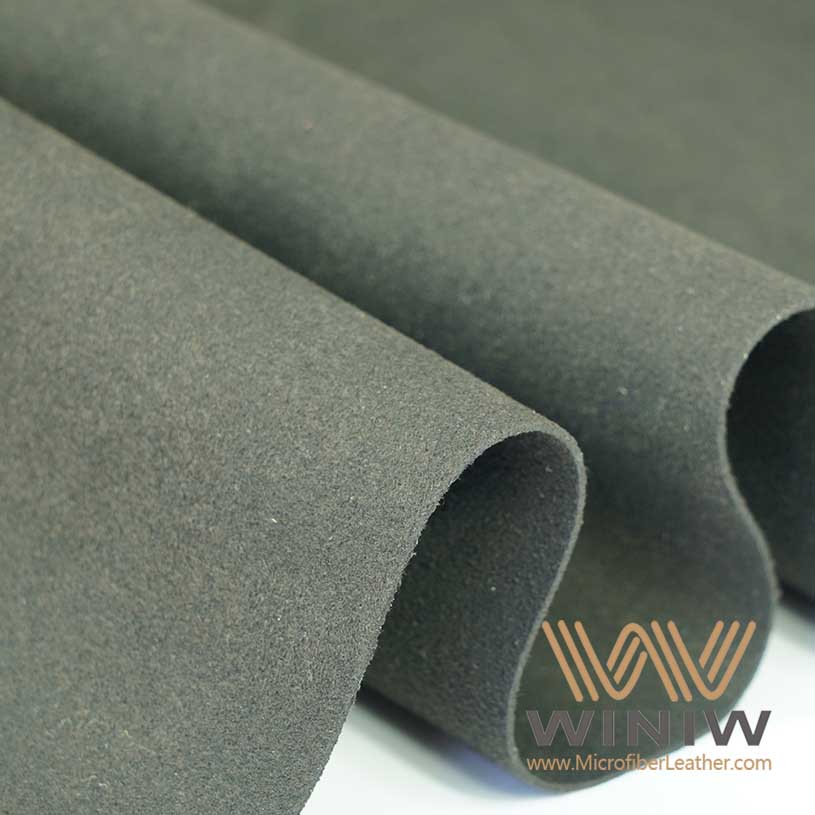
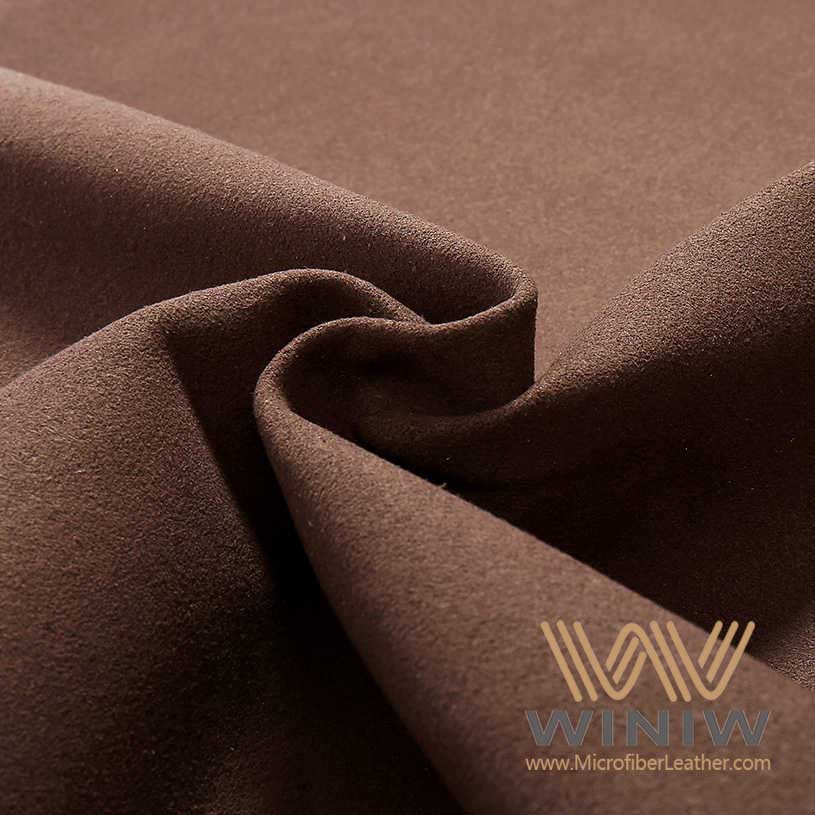
You experience a soft, suede-like feel when you use a microsuede throw. Manufacturers create this fabric from ultra-fine polyester and nylon fibers. These fibers are spun into yarn, woven into cloth, and treated to produce a dense, smooth pile. Specialized looms and fleece weaving techniques give microsuede its signature texture. The fibers bond with a polyurethane layer, which adds durability and helps the blanket resist scratches and scuffs. You notice that microsuede offers consistent color and a matte finish, unlike natural suede, which shows more variation.
Feature | Microsuede | Natural Suede |
|---|---|---|
Texture | Smooth, even | Slightly varied |
Appearance | Consistent color | Natural variations |
Sheen | Matte or low sheen | Matte |
Microsuede stands out for its moisture resistance and allergy-friendly qualities. You find that spills wipe away easily, and the fabric does not trap dust mites or pet dander as much as natural fibers.
Why gentle care matters
You protect your microsuede throw when you use gentle methods to wash and dry it. Synthetic polyester fibers can break down under high heat, so you avoid harsh cycles and hot water. You choose a gentle cycle with cold or mildly warm water to prolong the blanket’s lifespan. Fabric softeners are not needed, since they can clog the fibers and reduce breathability. You maintain softness and appearance when you follow these care steps. Quick, gentle cleaning keeps your blanket comfortable and attractive for daily use.
How to wash blankets
Check the care label
Before you start, check the care label on your microsuede throw. This label gives you the best advice for how to wash blankets safely. You find important information about whether your blanket is machine washable or if you should use hand washing blankets instead. The label also tells you which water temperature and cycle to use, and if you need to avoid certain products. Always check the care label before you begin, since some throws have special instructions.
Here is a quick guide to common care symbols you may see:
Care Symbol | Meaning |
|---|---|
Machine wash cold | Best for polyester or nylon; keeps colors bright and prevents shrinking. |
Machine wash warm | Good for cotton; helps remove stains. |
Machine wash hot | Not for microsuede; can damage fibers. |
Machine wash (delicate) | Use for fine fabrics; gentle cycle protects the blanket. |
Hand wash | Use for delicate materials; prevents stretching and tangling. |
Do not wash | Spot clean only. |
Do not bleach | Bleach damages fabric and causes discoloration. |
Tumble dry low | Safe for polyester; prevents overdrying and shrinking. |
Tumble dry high | Avoid for microsuede; high heat can damage fibers. |
Washing a blanket in a washing machine
If your blanket is machine washable, you can use a washing machine for cleaning. First, wash your microsuede throw by itself. This prevents pilling and keeps the fabric smooth. Set your washer to a gentle or delicate cycle. Choose cold or mildly warm water. These settings protect the fibers and help the blanket last longer. Avoid hot water, since it can break down the fabric and cause shrinking. Use only a small amount of mild detergent. Skip bleach and fabric softener, as these can leave residue and reduce softness. After washing a blanket in a washing machine, check the care label again for drying instructions.
Tip: Gentle agitation in a front-load washer helps preserve the quality of your microsuede throw.
Hand washing steps
If the care label says to hand wash, fill a clean tub or sink with cold or warm water. Add a small amount of mild detergent and mix well. Place the blanket in the water and gently move it around. Let it soak for 10 to 15 minutes. This helps loosen dirt without damaging the fibers. After soaking, rinse the blanket with clean water until all soap is gone. Press out extra water, but do not wring or twist the fabric. Lay the blanket flat or hang it to dry, following the care label.
Choose a mild detergent
Always pick a mild, pH-balanced detergent for cleaning. Strong chemicals can harm the fibers and make the blanket less soft. Bleach and fabric softener can leave residue, reduce absorbency, and break down the fabric. A gentle detergent keeps your microsuede throw clean and comfortable. You protect the texture and color when you avoid harsh products.
Note: Cold or warm water and a gentle cycle are the safest options for most microsuede throws. Hot water, bleach, and fabric softener can damage the fibers or affect softness.
By following these steps, you learn how to wash blankets the right way. You keep your blanket clean, soft, and looking new for a long time.
Dry your blanket safely
Air dry or hang dry
You protect your microsuede throw best when you let it air dry. Hang the blanket over a sturdy clothesline, drying rack, or several parallel lines. Spread it out evenly so the weight does not stretch the fabric. Good air circulation helps the blanket dry faster and prevents mildew, stiffness, or water marks. If you dry the blanket indoors, open a window or use a fan to keep the air moving. This method keeps the fibers soft and avoids the risk of heat damage.
Tip: Always check that the blanket is completely dry before folding or storing it. Dampness can lead to unpleasant odors or mildew.
Use low heat only
Sometimes, you may need to use a dryer. Always check the care label first to see if machine drying is allowed. If it is, choose the lowest heat setting available, such as "air fluff" or "tumble dry low." High heat can cause the fibers to break down, leading to pilling or shrinking. Temperatures above 60°C can damage the fabric and change its texture. For best results, add a few clean, dry towels to the dryer. These towels absorb extra moisture and help the blanket dry more evenly.
Use the lowest heat setting on your dryer.
Avoid any cycle that uses high heat.
Remove the blanket promptly when dry to prevent wrinkles.
Avoid shrinking and damage
High dryer heat can shrink your blanket or damage the backing. You may notice warning signs like shrinkage, matting, or even mild scorching if the temperature is too high. If you see any of these issues, soak the blanket in cold water with a small amount of conditioner, then gently stretch it back to shape and let it air dry. To keep your blanket looking and feeling its best, always use gentle drying methods and avoid harsh conditions.
Problem After Drying | What You Can Do |
|---|---|
Shrinkage | Soak in cold water, stretch |
Matting | Brush fibers, dry flat |
Scorching | Trim burnt fibers, wash gently |
You extend the life of your blanket when you follow these drying tips. Proper care after every wash keeps your microsuede throw soft, clean, and ready for use.
Remove stains fast
Spot clean fresh stains
You protect your microsuede throw when you act fast. Fresh spills soak in quickly. Blot the area right away with a paper towel or microfiber cloth. Use light pressure. Do not press hard, since that can push liquid deeper into the fabric.
To pretreat stains, mix a small amount of mild liquid detergent with warm water. Dip a soft cloth into the mixture. Dab the spot with short, careful touches. Repeat as needed until the mark starts to lift. After that, wipe the area with a damp cloth to remove soap. Let it air dry fully.
Blot, do not scrub
Work from the outside inward
Keep the fabric only slightly damp
Tip: Fast action helps stop stains from setting and keeps the surface looking even.
Treat set-in marks
Dried stains need more patience. Start with a soft brush to lift loose dirt. If a mark remains, use a suede eraser or a clean rubber eraser with a light hand. For oily spots, sprinkle cornstarch on the area, wait 15 minutes, then brush it away.
You can also pretreat stains with a little white vinegar on a cloth when dry methods do not work. Spot treatment works better than a full wash for small problem areas. Move slowly and check the fabric often.
Use gentle cleaning solutions
Choose products that leave the nap smooth. Strong rubbing can flatten the surface and create shiny patches or water spots. That is why you should use a gentle method every time.
Here is a simple option for spot cleaning:
Solution | Mix |
|---|---|
Mild detergent mix | A small amount of liquid detergent + warm water |
Sal Suds mix | 1 tablespoon in 1 quart of water |
This approach helps you clean spots with less risk and supports better care for future stains.
How to care for throws
Keep it soft
You want your microsuede throw to stay soft after every use. Choose a mild detergent when you wash it. Always follow the recommended water temperature on the care label. Air drying works best for keeping the fibers smooth and gentle. If you use a dryer, select a gentle cycle and low temperature. Never twist or wring out your throw, as this can damage the fibers and make the surface rough. Store your blanket in a dry, shaded place to prevent fading and keep the texture pleasant.
Tip: Fluff your throw by hand after drying to restore its softness and even out the nap.
Reduce wear
You can reduce wear by handling your throw with care. Avoid pulling or stretching the fabric. Rotate the blanket’s position on your couch or bed so one area does not get all the use. Keep sharp objects and pet claws away from the surface to prevent snags. When you store your throw, fold it neatly and place it in a clean, dry spot. This helps prevent creases and keeps the fabric looking new.
Rotate use to avoid uneven wear
Fold and store in a dry place
Keep away from sharp items
Clean at the right time
Knowing when to clean your microsuede throw helps it last longer. For normal household use, wash your blanket about once a month to remove dirt and odors. If you have pets that use the throw daily, clean it every week to get rid of fur and dander. Before you store your throw for a season, wash and dry it completely. This prevents mildew and keeps your blanket fresh for the next use.
Note: Regular, gentle cleaning keeps your throw looking and feeling its best.
Store your blanket well
Fold before storing
You help your microsuede throw keep its shape when you fold it neatly before storage. Smooth the surface with your hands first. Then fold the blanket into even sections without pressing too hard. This step reduces deep creases and protects the nap. Do not stuff the throw into a tight bin. Loose folding works better for long-term care. Some microsuede couch throws may have dry-only cleaning instructions, so you should always follow the label before you store them.
Tip: Skip plastic bags. They can trap moisture and leave the blanket with a stale smell.
Pick a dry space
You get the best storage results when you choose a cool, dry, dark place with airflow. A linen closet, shelf, or breathable storage bag works well. Keep the blanket away from direct sun, damp basements, and hot attics.
Factor | Ideal Condition |
|---|---|
Humidity level | 45% to 55% relative humidity |
Ventilation | Good airflow through the space |
Sunlight exposure | No direct UV light |
These conditions help prevent mold, fading, and musty odors. If your shelves sit flat against a wall, leave a little space around the blanket so air can move.
Refresh before reuse
When you bring the throw out again, refresh it with a few simple steps:
Check for stains and spot clean them right away.
If needed, wash the blanket on a cold cycle with mild detergent.
Dry it fully. Use low or no heat if the label allows it.
Shake and brush the surface lightly to restore a gentle feel.
This routine helps your blanket smell clean and look ready for daily use.
You keep your microsuede throw in great shape when you follow a few safe habits:
Check the care label first
Wash with gentle settings and mild detergent
Skip bleach, hot water, and fabric softener
Dry with care, preferably by air
Regular, careful cleaning helps your blanket stay soft, clean, and attractive longer.

FAQ
Can you wash a microsuede throw blanket with other items?
You should wash it alone or with very soft items. This step helps prevent pilling, snagging, and extra friction during the wash cycle.
How often should you clean a microsuede throw blanket?
You should wash it about once a month with normal use. Clean it sooner if you notice stains, odors, pet hair, or heavy daily use.
Can you use fabric softener on microsuede?
No. You should skip fabric softener. It can coat the fibers, reduce softness, and leave residue that changes the blanket’s texture.
