

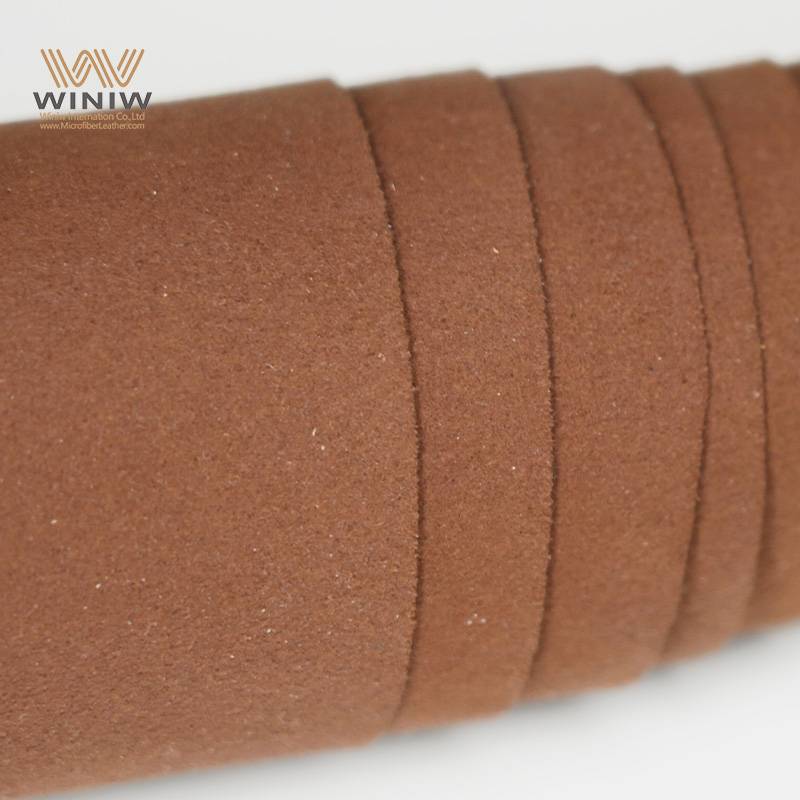
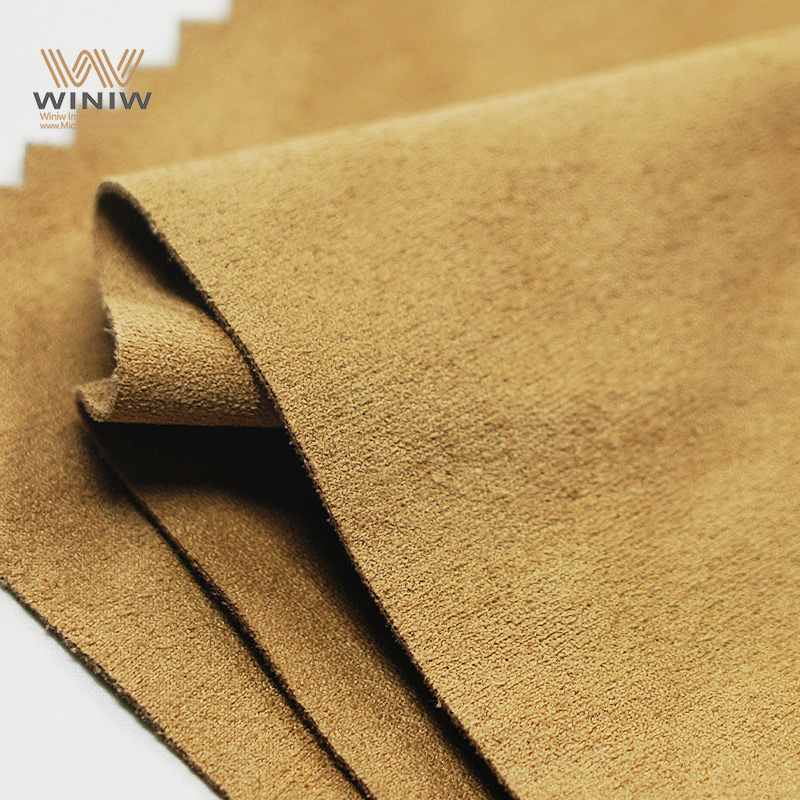
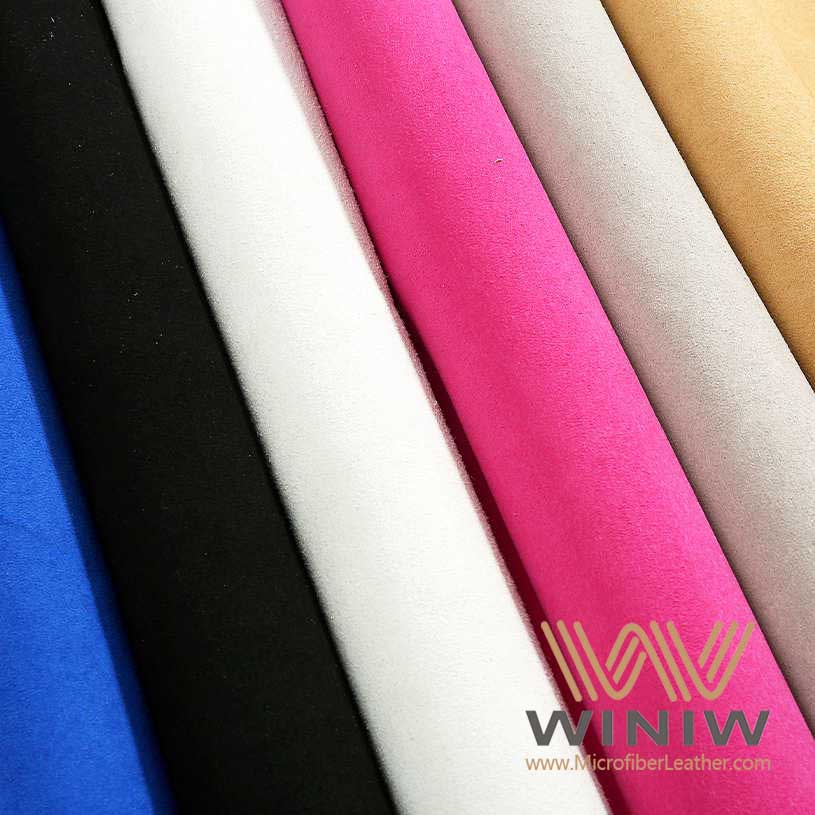
You see a microsuede pillow case and notice the soft, suede-like texture. Microsuede uses fine synthetic fibers to mimic suede, while microfiber relies on tightly woven fibers for a smooth finish. The texture affects how you care for your pillow case, its durability, and its cost.
Microsuede gives you a unique feel and look compared to standard microfiber.
Microsuede Pillow Case vs Microfiber What You Need to Know
Microsuede offers a plush, suede-like texture that adds luxury to your bedding. It is durable and resists stains, making it a great choice for comfort.
Microfiber provides a smooth, soft surface that is budget-friendly and hypoallergenic. It is ideal for families and those with sensitive skin or allergies.
Consider your needs: choose microsuede for elegance and comfort, or microfiber for easy care and affordability. Both materials resist allergens better than cotton.
Microsuede vs Microfiber: Main Differences
What Is a Microsuede Pillow Case?
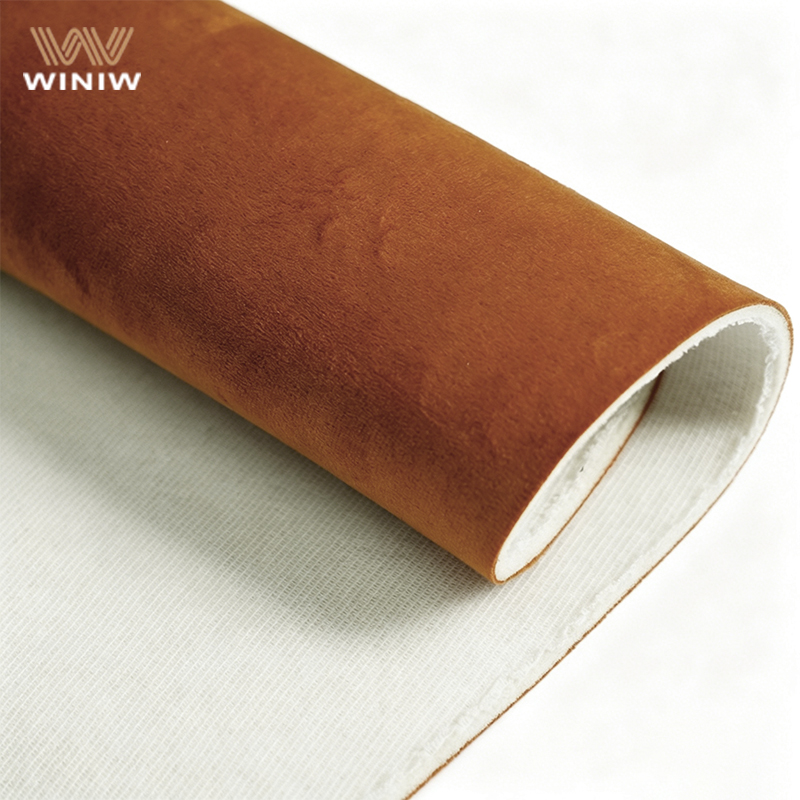
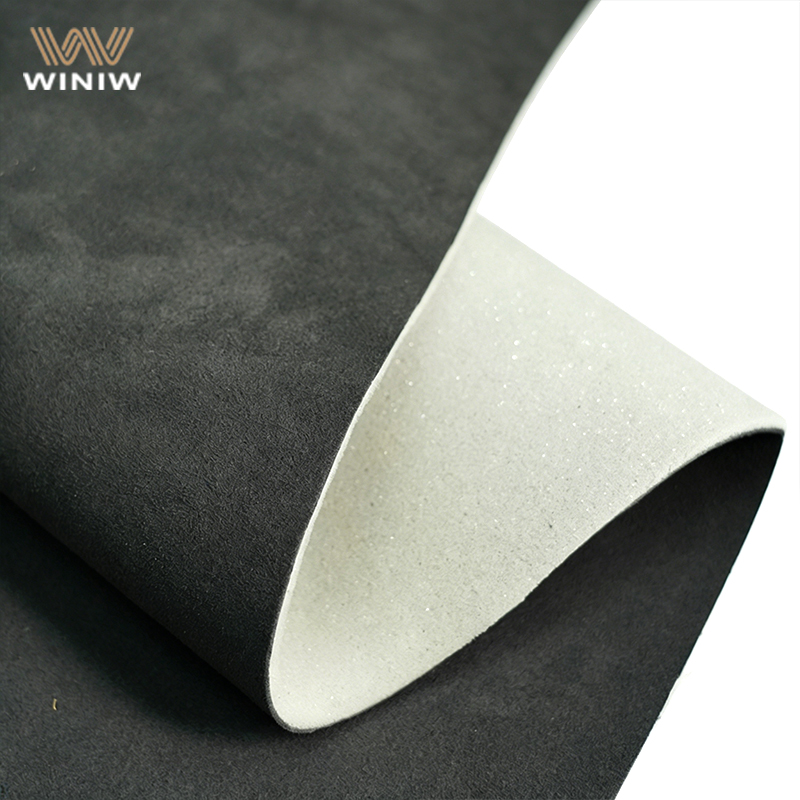
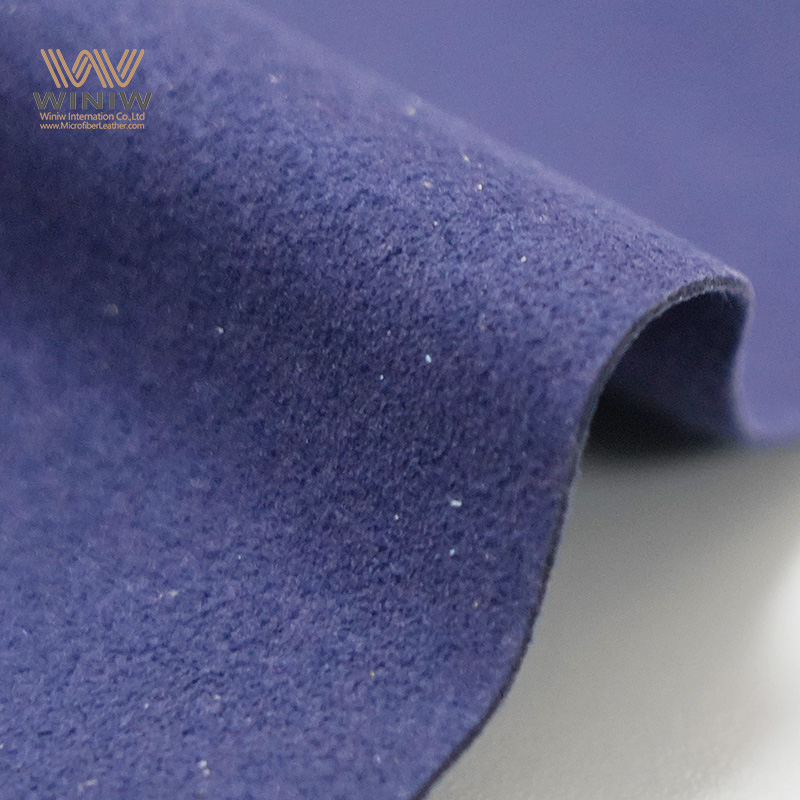
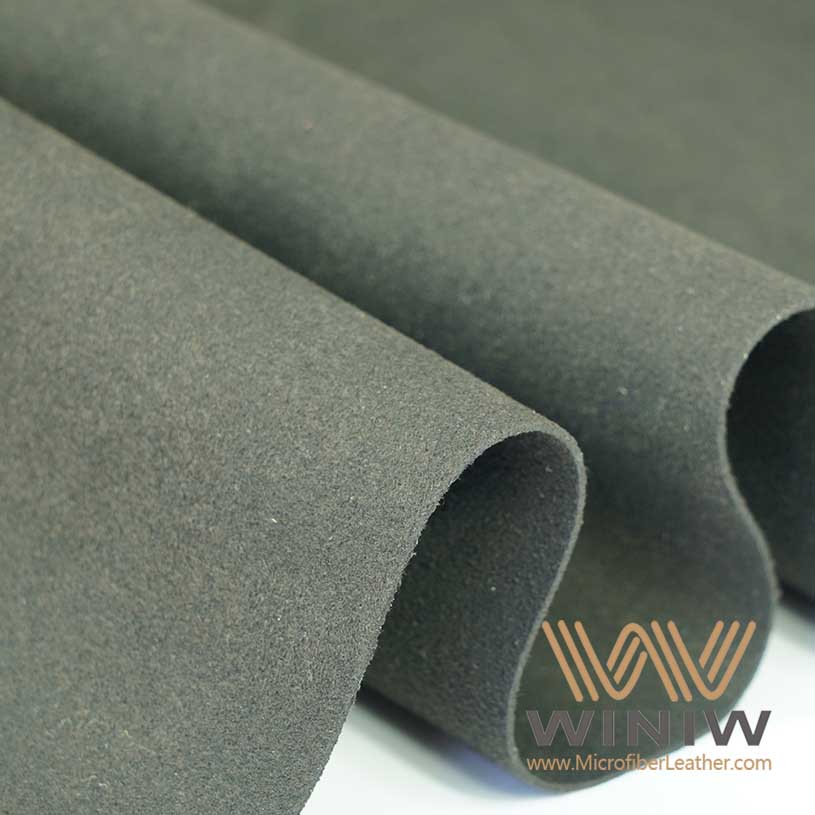
A microsuede pillow case gives you a plush, suede-like texture that feels soft and cozy. You get a material that mimics the touch of natural suede, offering a luxurious appearance for your bedding. Manufacturers create microsuede by weaving synthetic fibers, such as polyester or acrylic, into a tight fabric. They then bond these fibers with a polyurethane binder and use vigorous napping techniques to achieve the signature soft and plush surface. This process results in a pillow case that is both plush and durable, resisting stains and wear over time. You may notice that a microsuede pillow case feels warmer than cotton and is less breathable, which can matter if you sleep hot.
Plush, suede-like texture that feels soft and cozy
Mimics natural suede for a luxurious look
Durable and resists stains, making it practical for bedding
May feel warm in hot weather and is less breathable than cotton
What Is Microfiber?
Microfiber pillow cases use extremely fine synthetic fibers, usually polyester, processed through heating in metal tubes. This method creates a fabric that is ultra-soft and durable. The tight weave of microfiber enhances both softness and durability, making these pillow cases a popular choice for busy households. Microfiber resists wrinkles and stains, dries quickly after washing, and often costs less than other bedding materials. You get a smooth, silky surface that feels soft and comfortable against your skin. Microfiber can mimic the softness of cotton while providing superior stain resistance. Many families and allergy sufferers choose microfiber for its easy care and affordability.
Texture, Appearance, and Care Compared
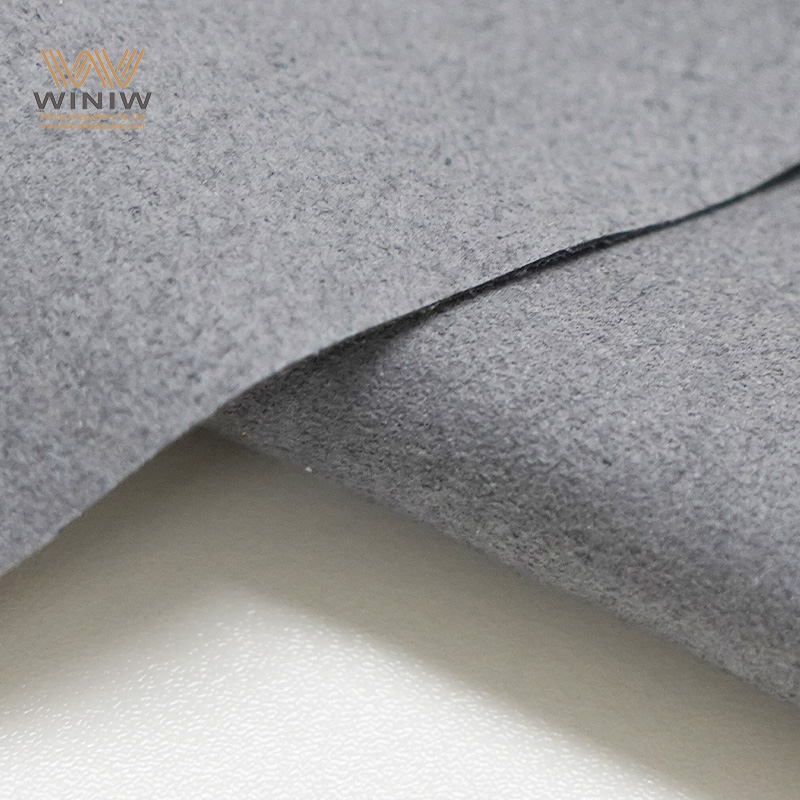
When you compare microsuede and microfiber, you notice key differences in texture, appearance, and care. Microsuede is actually a type of microfiber, but it stands out because of its plush, suede-like texture. Traditional microfiber pillow cases feel smoother and silkier, lacking the napped, fluffy surface of microsuede. Both materials offer a soft touch, but microsuede gives you a plush feel that adds elegance to your bedding.
Tip: If you want a pillow case that feels soft and plush, microsuede is your best bet. If you prefer a smooth, silky surface, microfiber will suit you better.
Both microsuede and microfiber pillow cases are machine washable and resist stains. Microsuede may take longer to dry due to its thicker, napped surface, while microfiber dries quickly. You will find that microsuede pillow cases usually cost more because of the extra manufacturing steps needed to create the plush texture. Microfiber pillow cases are more budget-friendly and ideal for families or anyone with sensitive skin.
Here’s a side-by-side comparison to help you decide:
Feature | Microsuede | Microfiber |
|---|---|---|
Material Feel | Plush, suede-like texture | Smooth, silky surface |
Durability | Lasts 2-3 years, resists wear | Lasts 2-3 years, resists wear |
Care | Machine washable, resists stains | Machine washable, dries quickly |
Cost | Generally more expensive | Budget-friendly |
Ideal For | Those seeking elegance and comfort | Families and allergy sufferers |
You get excellent stain resistance from both options. Microsuede or microfiber pillow cases both stand up to daily use and frequent washing. If you want bedding that feels soft and comfortable, both materials deliver, but microsuede offers a more plush feel. Microfiber remains a top pick for those who want something affordable, durable, and easy to maintain.
Pros and Cons of Microsuede or Microfiber Pillow Cases
Microsuede Pillow Case Features
A microsuede pillow case gives you a plush texture and a soft feel that many people love. You enjoy a soft and plush surface that adds a touch of luxury to your bedding. This material is durable and resists stains, making it a practical option for allergy-prone individuals. You will find that it is hypoallergenic and easy to clean, which helps you maintain a clean and comfortable sleep surface. However, microsuede pillow cases have limited breathability and poor moisture-wicking. You may notice that they retain heat and sweat, especially compared to natural fibers like cotton or bamboo. If you have sensitive skin or allergies, you may appreciate the hypoallergenic properties, but you might not like the warmth during hot nights.
Pros:
Plush feel and soft pillowcase for comfort
Durable and resists stains
Hypoallergenic and easy to clean
Elegant appearance
Cons:
Limited breathability
Poor moisture-wicking
Can feel warm in hot weather
Microfiber Pillow Case Features
A microfiber pillow case offers a smooth, soft surface that feels gentle on sensitive skin. You get a durable pillowcase that resists stains and wrinkles. Microfiber pillow cases are budget-friendly and provide easy-care and hypoallergenic benefits. The tightly woven fibers resist allergens better than cotton, giving you superior allergy protection. Clinical studies show that microfiber encasings can reduce dust mites and other allergens, making them the best option for allergies and sensitive skin or hair concerns. However, microfiber also has limited breathability and does not wick moisture well, which may cause discomfort if you sweat at night.
Pros:
Soft and comfortable for sensitive skin or allergies
Durable and easy to maintain
Budget-friendly
Superior allergy protection
Cons:
Limited breathability
Poor moisture-wicking
May retain heat
Which to Choose for Comfort, Allergies, and Budget
If you want a plush, soft and plush pillowcase with a luxurious look, choose a microsuede pillow case. You may prefer microfiber if you need a practical, affordable, and hypoallergenic pillowcase for sensitive skin or allergies. Both microsuede or microfiber pillow cases are durable and resist allergens better than cotton. Allergy sufferers and those with sensitive hair or skin often find microfiber to be the best option for allergies. If you value a plush texture and do not mind extra warmth, microsuede suits you. For easy-care and hypoallergenic benefits, microfiber is a smart choice.
Feature | Microsuede Pillow Case | Microfiber Pillow Case |
|---|---|---|
Feel | Plush, soft feel | Smooth, soft surface |
Durability | Durable | Durable |
Breathability | Limited | Limited |
Moisture Wicking | Poor | Poor |
Allergy Protection | Hypoallergenic properties | Superior allergy protection |
Cost | Higher | Budget-friendly |
Best For | Luxury, sensitive skin | Sensitive skin, allergies |
Tip: If you have sensitive skin or allergies, choose microfiber for its easy-care and hypoallergenic benefits.
You see clear differences between microsuede pillow case and microfiber. Microsuede offers a soft, suede-like texture and luxury appeal. Microfiber suits budget needs, allergy concerns, and easy care. Consider your priorities for comfort, cost, and maintenance. Choose the material that matches your lifestyle and sleep preferences.

FAQ
Can you machine wash both microsuede and microfiber pillow cases?
Yes, you can machine wash both types. Use cold water and gentle cycles for best results.
Tip: Air dry microsuede to keep the texture soft.
Which pillow case is better for allergies?
You get better allergy protection from microfiber. The tight weave blocks dust mites and allergens.
Microfiber: Superior for allergies
Microsuede: Hypoallergenic, but less effective
Do microsuede pillow cases feel hot at night?
Microsuede can feel warmer than microfiber. The plush texture traps more heat.
If you sleep hot, choose microfiber for a cooler feel.
