

You want booties that fit your needs. Microsuede booties feel lightweight and breathable. Leather booties last longer and need less maintenance. Compare your climate, daily routine, and style. The table below shows how aesthetics, comfort, maintenance, and durability differ between materials.
Factor | Microsuede Booties | Leather Booties |
|---|---|---|
Aesthetics | Refined, luxurious appearance with unique texture | Polished, urban look with a sheen |
Comfort | Lightweight and breathable, reduces foot fatigue | Heavier but durable |
Maintenance | Requires more care, vulnerable to stains | Easier to maintain, more durable |
Durability | Less durable, may need replacement sooner | Can last 10+ years with proper care |
Microsuede Booties or Leather Booties Which Should You Choose
Microsuede booties are lightweight and stylish, making them great for casual wear, but they require more maintenance and have a shorter lifespan.
Leather booties offer durability and water resistance, making them a better choice for various weather conditions and long-term use.
Consider your lifestyle and climate when choosing between microsuede and leather booties to ensure you select the best option for comfort and style.
Material Basics
Microsuede Booties Overview
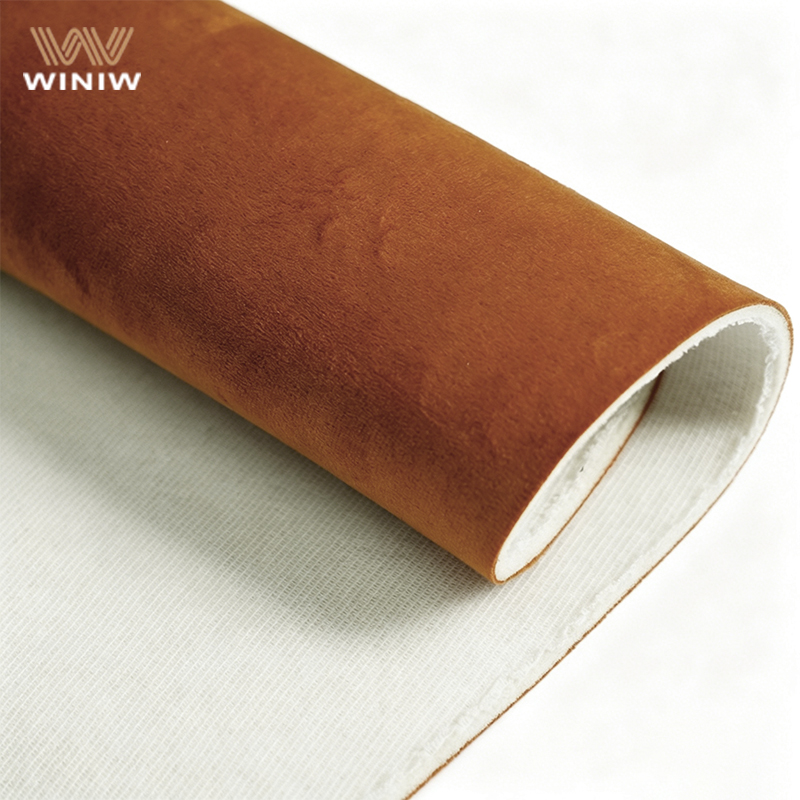
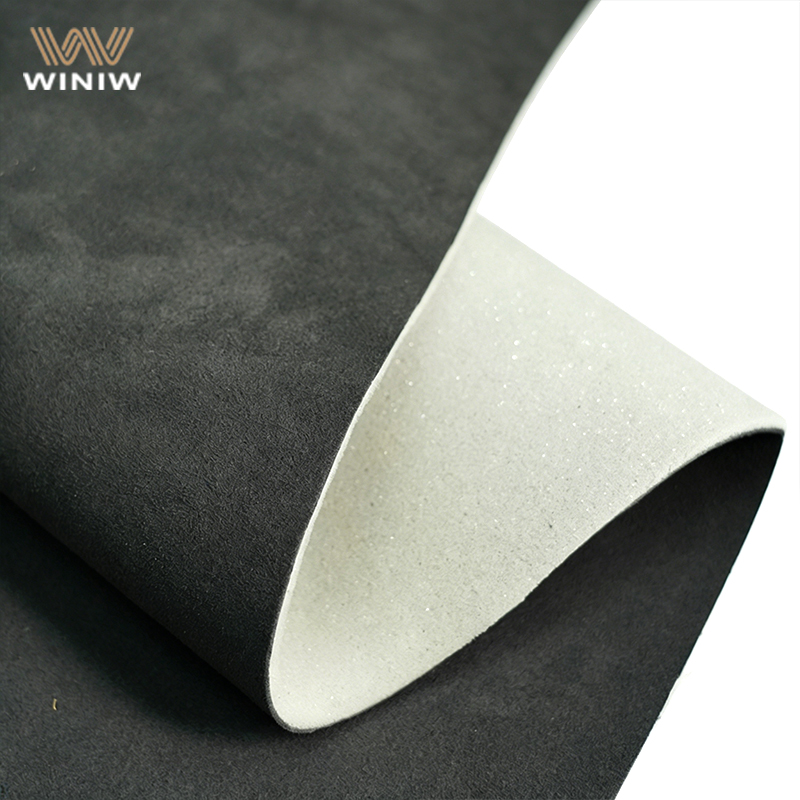
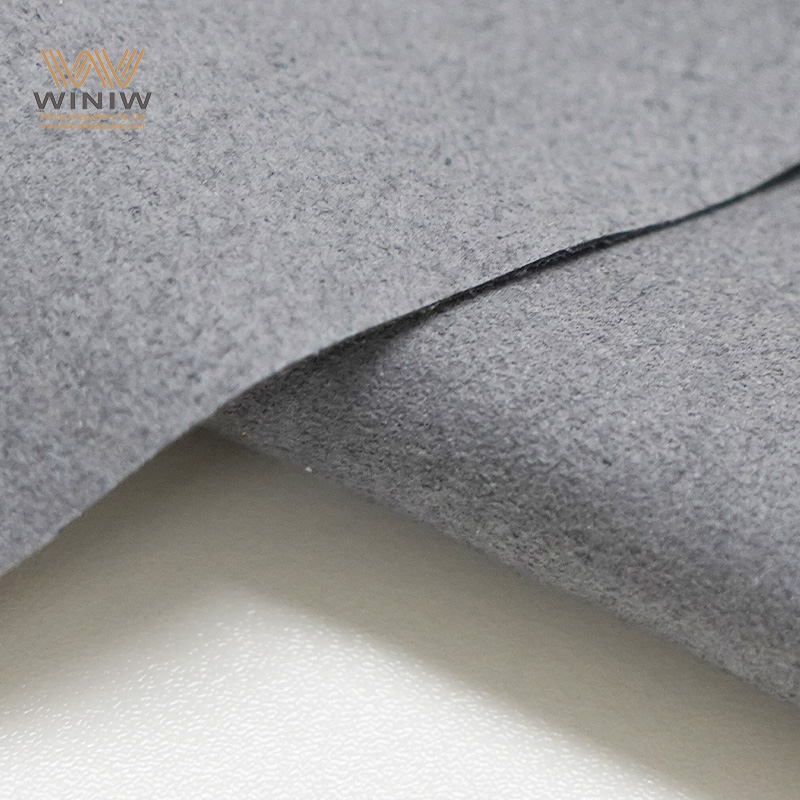
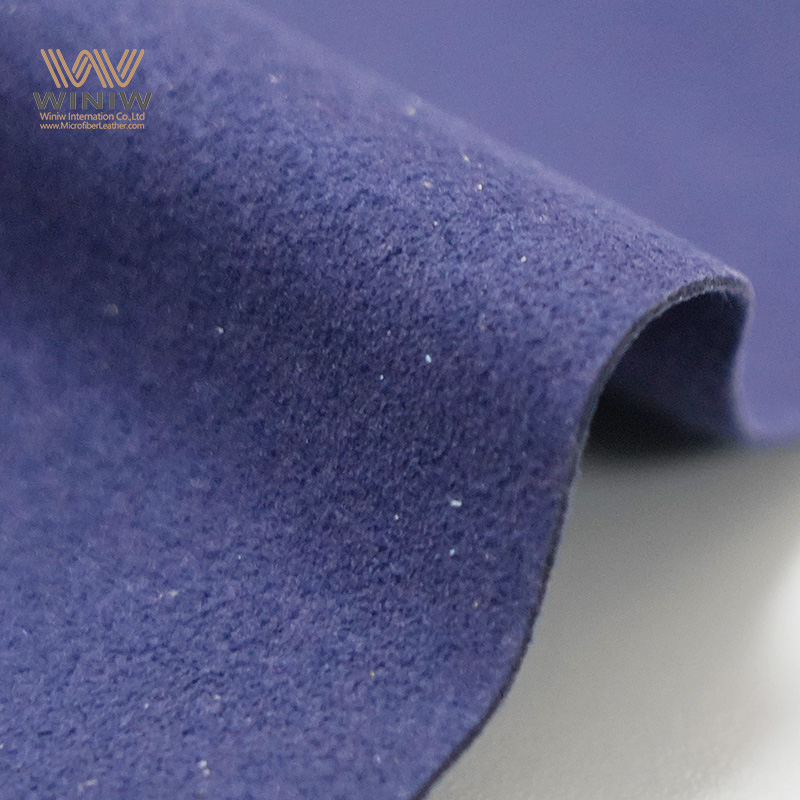
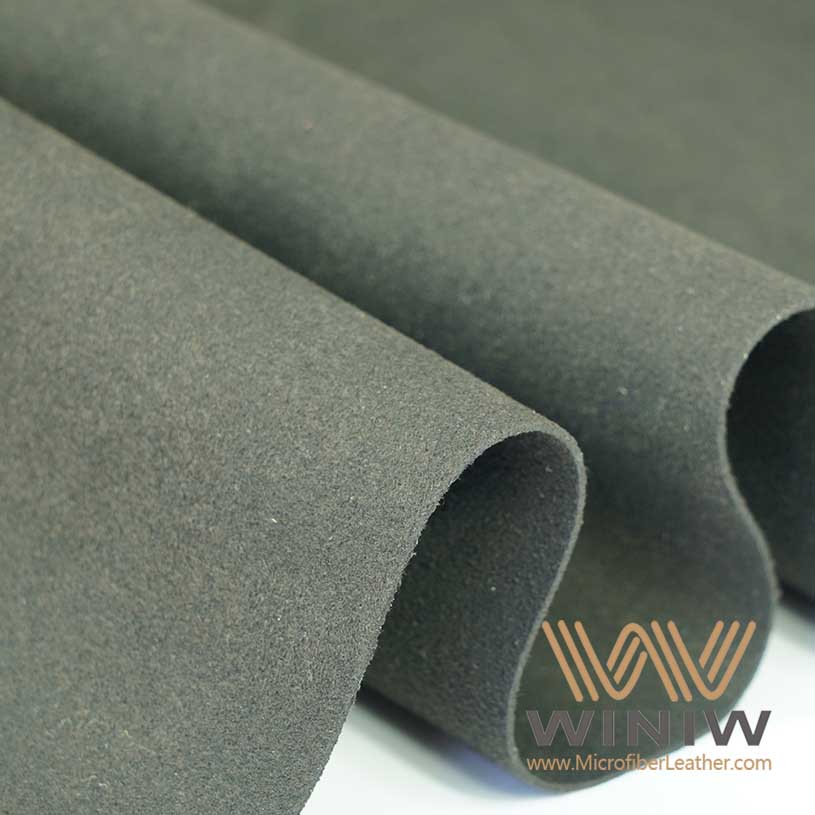
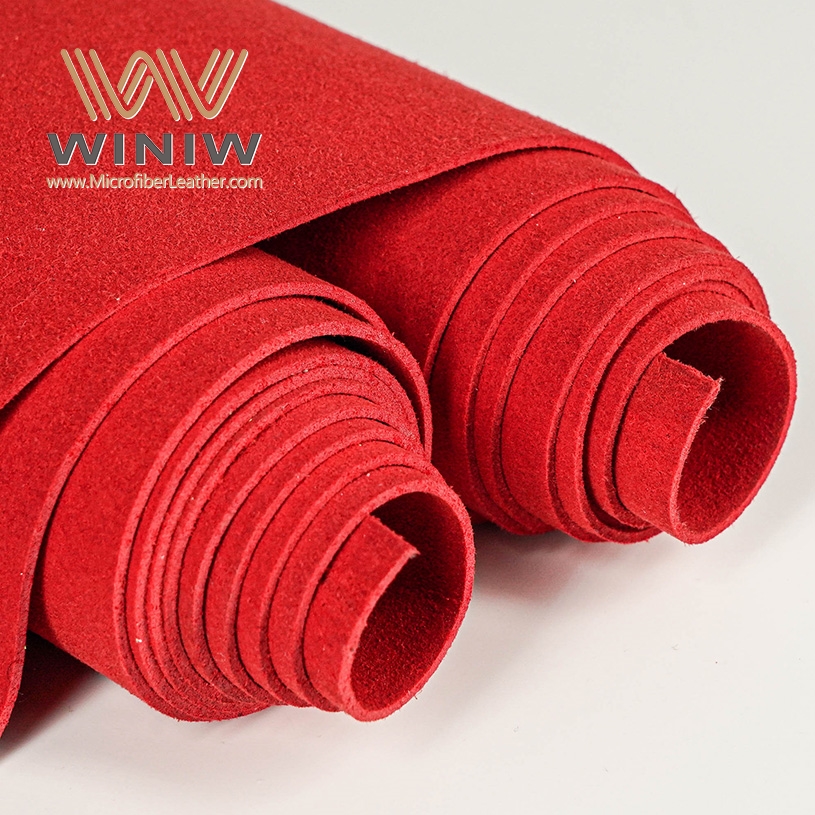
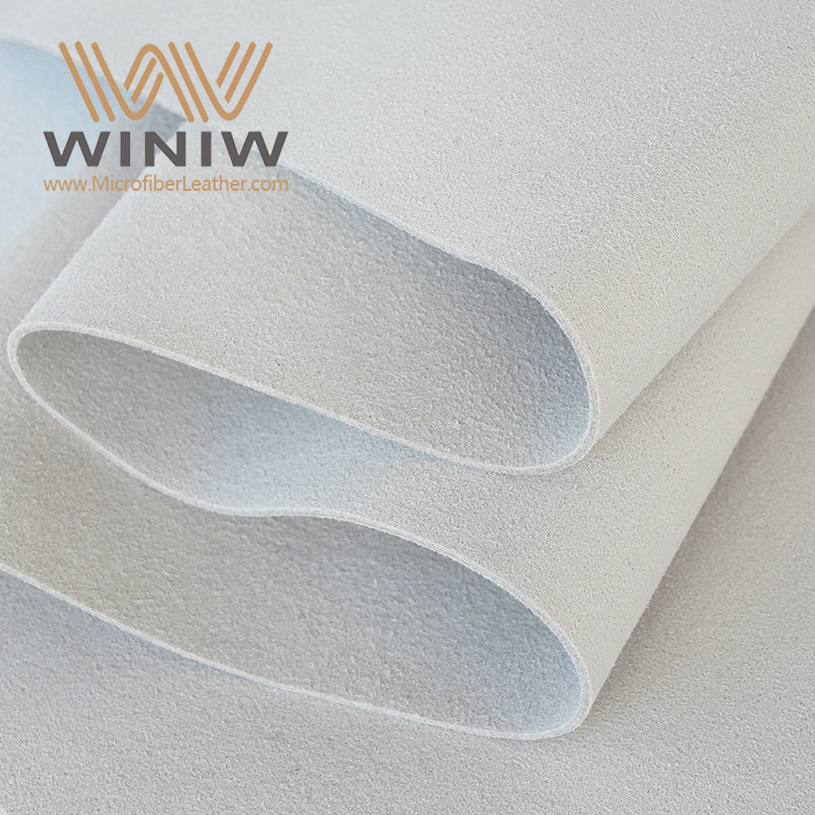
You will notice that microsuede booties use synthetic fibers, usually polyester or microfiber. Manufacturers weave or knit these fibers to create a soft, suede-like texture. This process does not involve animal products, so you get a vegan-friendly option. Microsuede booties feel lightweight and flexible, which makes them comfortable for daily wear. You can enjoy a refined look without the higher cost of genuine leather.
Tip: Microsuede resists fading and holds color well, so you can find booties in many shades.
The manufacturing process for microsuede booties differs from leather. Here is a quick comparison:
Step | Microsuede Manufacturing | Leather Manufacturing |
|---|---|---|
Material Preparation | Weaving or knitting polyester and microfiber filaments | Preservation of animal hides |
Cleaning | Nonwoven techniques may bond fibers | Cleaning and softening the skin |
Tanning | Not applicable | Tanning stabilizes proteins for durability |
Finishing | Brushing and finishing for texture and durability | Post-tannage treatments for flexibility and color |
Final Steps | Inspection and packaging after achieving desired nap | Finishing for final look and feel |
Leather Booties Overview
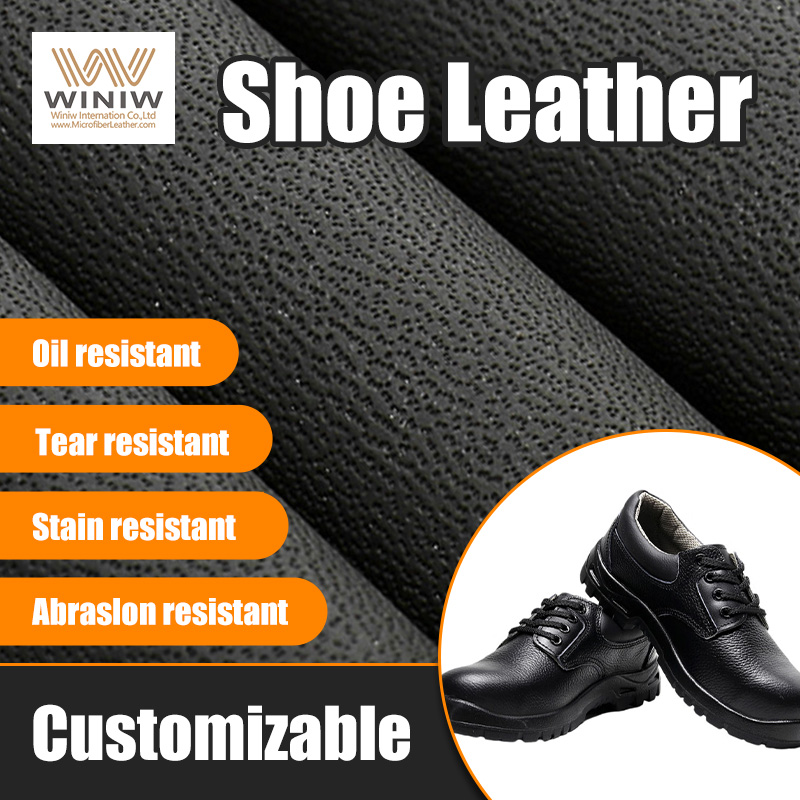
You will find that leather booties use animal hides, usually from cows. The hides go through cleaning, tanning, and finishing steps. Tanning makes the leather strong and durable. Leather booties offer a polished look and a smooth finish. You can expect these booties to last for years with proper care.
Leather stands out for its water resistance and repair potential. Treated leather can handle wet weather better than fabric options. If your booties get scuffed or worn, you can often restore them with conditioning or recoloring. The table below shows how leather compares to fabric options:
Feature | Leather Booties | Fabric Booties |
|---|---|---|
Average Lifespan | 2–4 years (with care) | 1–2.5 years |
Water Resistance | High (especially treated leather) | Low to moderate |
Breathability | Moderate | High (especially cotton/linen) |
Repair Potential | High (resoling, conditioning, recoloring) | Limited (stitching repair possible) |
You can choose leather booties if you want a classic style and long-lasting performance.
Durability
Microsuede Booties Durability
When you consider durability, microsuede booties offer a soft feel but do not match the toughness of leather. You can expect these booties to last about 1 to 3 years with regular use. This shorter lifespan comes from their synthetic fibers, which are more prone to wear. The most common causes of wear and tear include:
Exposure to moisture
Lack of proper maintenance
Environmental conditions such as rain, snow, and UV rays
If you wear microsuede booties in wet weather, you may notice the material absorbs water quickly. This can lead to visible stains and a loss of texture. Frequent use in harsh conditions will speed up the breakdown of the fibers. You should avoid puddles and always let your booties dry completely after getting wet. Regular cleaning and protective sprays can help, but the durability remains limited compared to leather.
Leather Booties Durability
Leather booties stand out for their impressive durability. With proper care, you can wear them for 5 to 10 years or even longer. The dense fiber structure of leather resists scuffs and scratches much better than microsuede. When leather gets wet, it may darken, but it keeps its shape and strength. You can restore the appearance and durability of leather booties with conditioning and polishing. This makes them a smart choice if you want footwear that lasts through many seasons. You will find that leather booties handle daily wear, changing weather, and rough surfaces with ease.
Tip: If you want booties that balance appearance and durability, leather is a reliable option for long-term use.
Comfort
Comfort Features of Microsuede Booties
You notice that microsuede booties offer a soft touch and a cozy feel. Many brands design these booties with faux fur or faux-shearling linings, which add warmth and make your feet feel snug. Memory foam cushioned insoles and EVA foam insoles mold to your feet, providing maximum comfort and support. The TPR outsole gives you flexibility and grip, making these booties ideal for everyday wear. You can see the main comfort features in the table below:
Feature | Description |
|---|---|
Upper Material | Microsuede upper for a chic look |
Lining | Faux fur or faux-shearling for warmth |
Insole | Memory foam or EVA foam for comfort and support |
Outsole | TPR outsole for flexibility and traction |
Microsuede booties create a chic vibe, but they lack the breathability of leather. This material absorbs moisture and retains it longer, which can lead to sweaty feet and odors. You may enjoy the plush interior, but you should consider the climate and your activity level when choosing these booties for comfort.
Comfort Features of Leather Booties
Leather booties stand out for their breathability and stretchability. You experience less moisture buildup, which keeps your feet dry and comfortable. Proper fit matters; you avoid blisters and discomfort when your booties fit well. Quality insoles provide shock absorption and arch support, making these booties suitable for extended wear. Soft leather reduces friction and adapts to your foot shape over time. You can style leather booties for a chic look, whether you dress up or keep it casual. Leather booties deliver comfort, durability, and a classic chic appeal.
Style & Versatility
Styling Microsuede Booties
You can create many looks with suede ankle boots. These shoes work well for casual days and relaxed weekends. Pair suede ankle boots with skinny jeans and a cozy sweater for a laid-back style. Try suede ankle boots with leggings and an oversized shirt for a trendy look. You can also wear suede ankle boots with a floral dress for a soft, boho vibe. Many people choose suede ankle boots for their lightweight feel and wide range of colors. This makes them a favorite for anyone who loves to experiment with fashion. Suede ankle boots bring a touch of texture to your outfit. You can use them to add interest to simple clothes. In a styling showdown, suede ankle boots often win for comfort and playful style. You can wear suede ankle boots in every season except heavy rain or snow. Suede ankle boots give you a chance to show your personality through color and design. You will find that suede ankle boots fit well with street style and casual fashion.
Styling Leather Ankle Boots
Leather ankle boots give you endless options for style. You can wear leather ankle boots with dresses, skirts, jeans, and pants. For a polished look, pair leather ankle boots with fitted pencil skirts or tailored dresses. This works well for office or formal events. Leather ankle boots can elevate your night out look when you wear them with a little black dress or a sequin skirt. You can also style leather ankle boots with ripped jeans and a leather jacket for an edgy vibe. Leather ankle boots suit every season and almost every occasion. In a styling showdown, leather ankle boots stand out for their classic appeal and versatility. You can use leather ankle boots to create both casual and dressy outfits. Leather ankle boots remain a staple in fashion because they adapt to trends and personal style. You will see leather ankle boots in street style, business fashion, and evening wear.
Maintenance
Cleaning Microsuede Booties
Microsuede booties look stylish, but the material matters when it comes to cleaning. You face higher maintenance demands with microsuede because it absorbs stains and water easily. To keep your booties looking fresh, follow these steps:
Use a suede brush to gently remove surface dirt and dust.
Rub away scuff marks with a suede eraser or a rubber eraser in small, circular motions.
For deeper cleaning, apply a suede shampoo with a soft brush, moving in circles to lift dirt.
Sprinkle baking soda on tough stains, let it sit for a few hours, then brush it off.
Restore the nap by brushing in one direction with a suede brush.
You should avoid soaking microsuede in water. This material matters because it lacks strong water resistance. Always let your booties air dry if they get wet. Regular cleaning and protective sprays help maintain their appearance.
Cleaning Leather Booties
Caring for leather means you need to understand the maintenance requirements. Leather booties offer better water resistance, but proper care keeps them looking their best. Try these steps for caring for leather:
Remove the laces and shake off dirt.
Wipe the surface with a cloth after each wear to remove grime.
Clean with saddle soap or a leather cleaner at least once a month.
Apply a high-quality conditioner every few months to prevent drying and cracking.
Use a matching polish to restore shine and add protection.
Add a waterproofing agent if you wear your booties in wet conditions.
Let your booties dry naturally, away from direct heat.
Proper care extends the life of your leather booties. Caring for leather also means storing them in a dry, ventilated place. Remember, material matters when you want to balance water resistance and maintenance requirements.
Tip: Consistent cleaning routines and the right products help both microsuede and leather booties stay in top shape.
Weather Suitability
Microsuede Booties in Wet Weather
You may love the soft feel of microsuede, but wet weather creates challenges. Water does not stay on the surface for long. It beads up briefly, then soaks in within seconds. This quick absorption can lead to stains, water marks, and even mold if you do not dry your shoes properly. Drying takes time, and dampness can cause odors or stiffening. You need to brush and treat your shoes often to keep them looking good.
Here is a quick comparison of how microsuede and leather perform in wet conditions:
Feature | Suede Boots | Leather Boots |
|---|---|---|
Initial Water Contact | Water beads briefly, then absorbs within seconds | Water beads and rolls off (if conditioned) |
Drying Time After Wetting | Slow; risk of internal dampness and odor | Faster; less absorption means quicker drying |
Risk of Staining | Very high—water marks, mud rings, discoloration | Low to moderate (unless unsealed) |
Long-Term Durability in Wet Climates | Poor—prone to stiffening, cracking, mold | Good—especially with regular conditioning |
Maintenance Needs | High—requires frequent brushing, repellent sprays | Moderate—cleaning and occasional oiling |
Ideal Weather Use | Dry, cool conditions | All seasons (with proper care) |
You can improve water resistance by following a few steps:
Clean your shoes with a suede brush or firm-bristle toothbrush.
Remove stains using dry baking soda or a suede cleaner.
Let them dry completely before applying waterproofing spray.
Use a spray made for suede, applying several coats.
Reapply the spray after each cleaning.
These steps help, but microsuede still works best in dry, cool weather.
You see that booties offer unique aesthetic choices. The benefits of leather booties include genuine smooth leather, water resistance, and long-term value. The benefits of suede booties focus on lightweight comfort and soft aesthetic. The cons of leather booties involve heavier weight. The cons of suede booties relate to water damage. Consumer satisfaction after one year shows 89% for leather and 62% for suede. Experts recommend considering aesthetic, cleaning needs, and weather resistance.
Boot Type | User Satisfaction After 1 Year |
|---|---|
Leather Boots | 89% |
Suede Boots | 62% |
Feature | Suede Booties | Leather Booties |
|---|---|---|
Appearance | Soft, velvety texture; great with delicate fabrics | Classic, polished look; versatile for many styles |
Weight | Lightweight and portable | Generally heavier than suede |
Water Resistance | Prone to water damage; requires care | More water-resistant; easier to maintain |
Cleaning | Requires special care; use a suede brush | Easy to clean with a soft cloth and conditioner |

FAQ
Can you wear suede booties in rainy weather?
You should avoid wearing suede booties in rain. Water damages suede quickly. You can use waterproof spray, but leather booties handle wet conditions much better.
How do you clean leather booties at home?
You can wipe leather booties with a damp cloth. Use saddle soap for deeper cleaning. Apply conditioner to keep leather soft. Avoid soaking leather in water.
Which bootie material lasts longer, suede or leather?
Leather booties last longer than suede booties. You can expect leather to stay strong for years. Suede booties wear out faster, especially in wet or rough conditions.
