


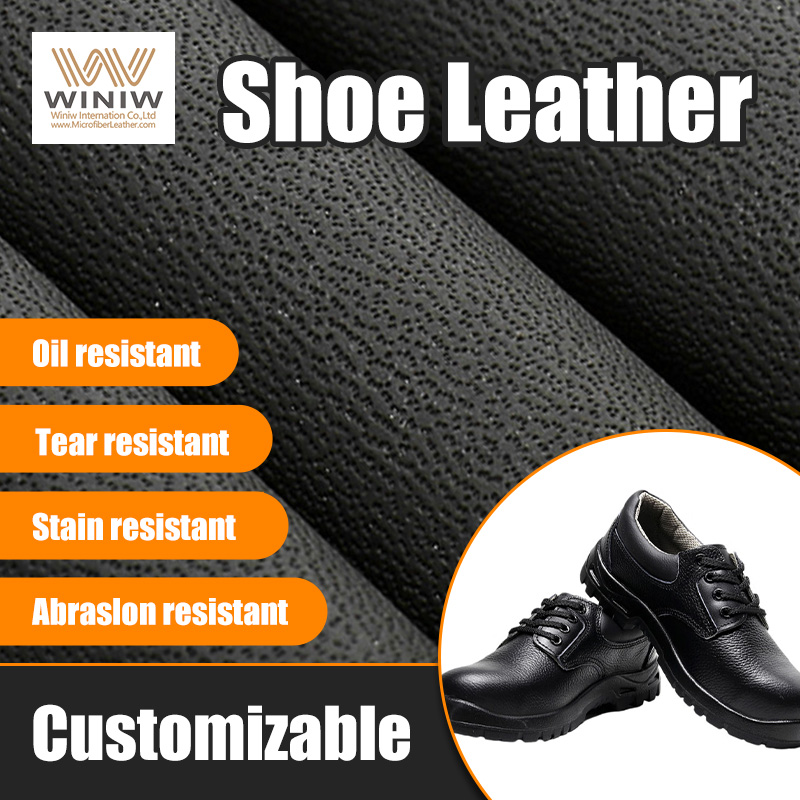
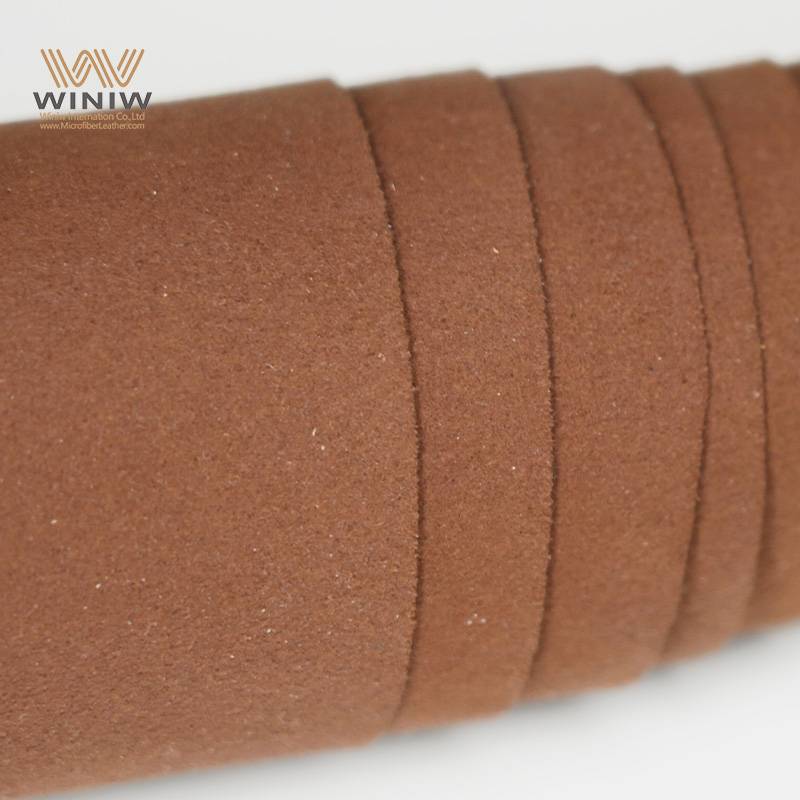
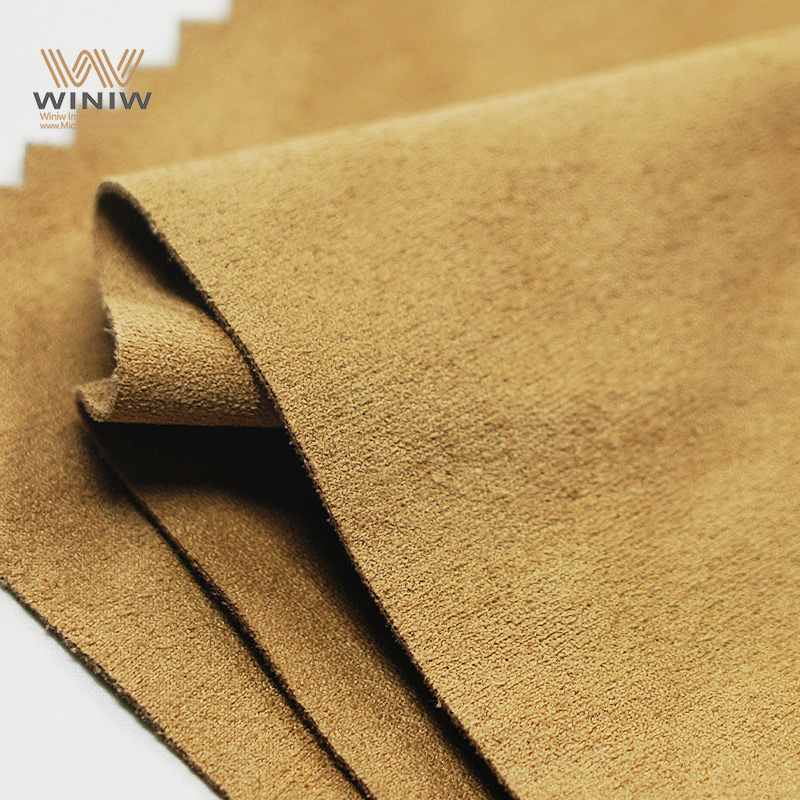
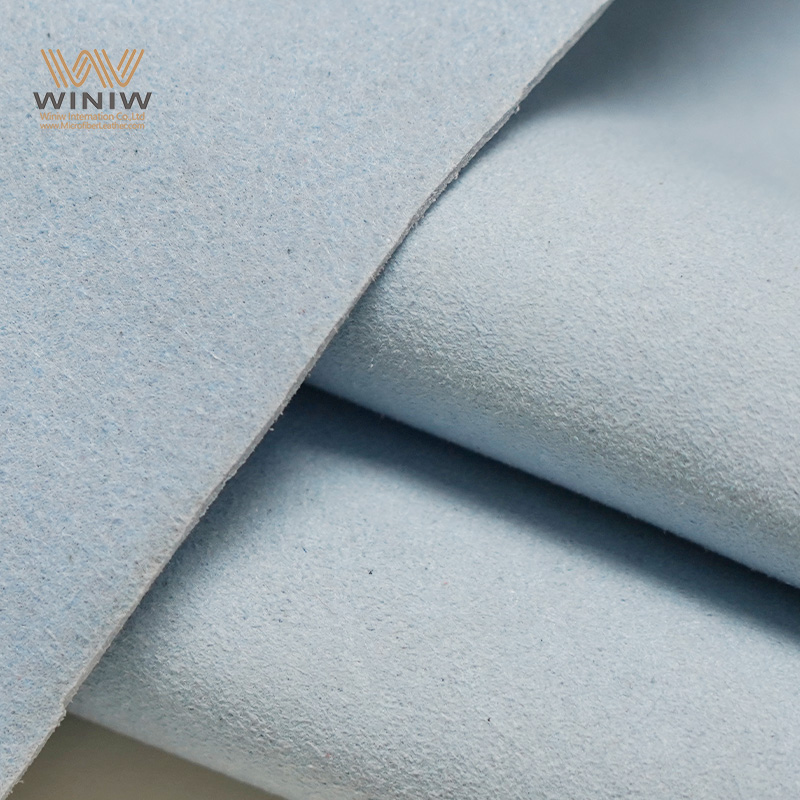

You face key differences when deciding between Suede safety shoes and leather options. The material you choose impacts your safety, comfort, and how long your shoes last. In fact, 24% of slips, trips, and falls at work happen because of improper footwear.
Statistic Description | Value |
|---|---|
Percentage of slips, trips, and falls due to improper footwear | 24% |
Sprains and strains requiring recuperation | 43% of 1.3 million injuries |
Cost of injuries to organizations | $967.9 billion |
Selecting the right pair can prevent injuries and save money.
Key Takeaways
Choose suede safety shoes for indoor work where breathability and comfort are essential. They keep your feet cool during long shifts.
Opt for leather safety shoes for outdoor jobs or demanding environments. They offer better durability, water resistance, and protection against hazards.
Regular maintenance is crucial for both types of shoes. Clean suede with a brush and special sprays, while leather requires conditioning and specific cleaners.
Material Overview
What Are Suede Safety Shoes?
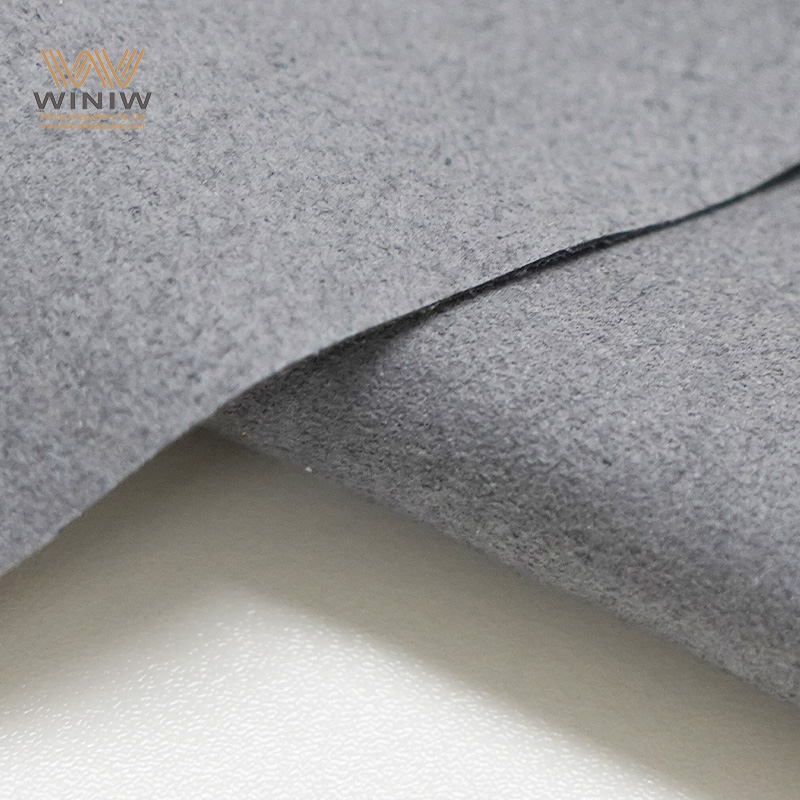
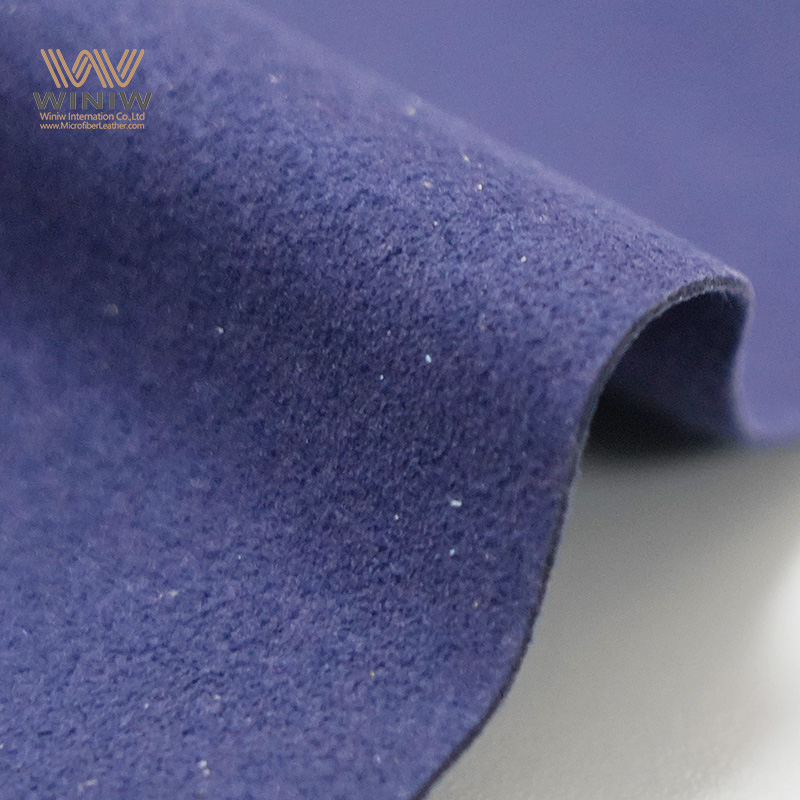
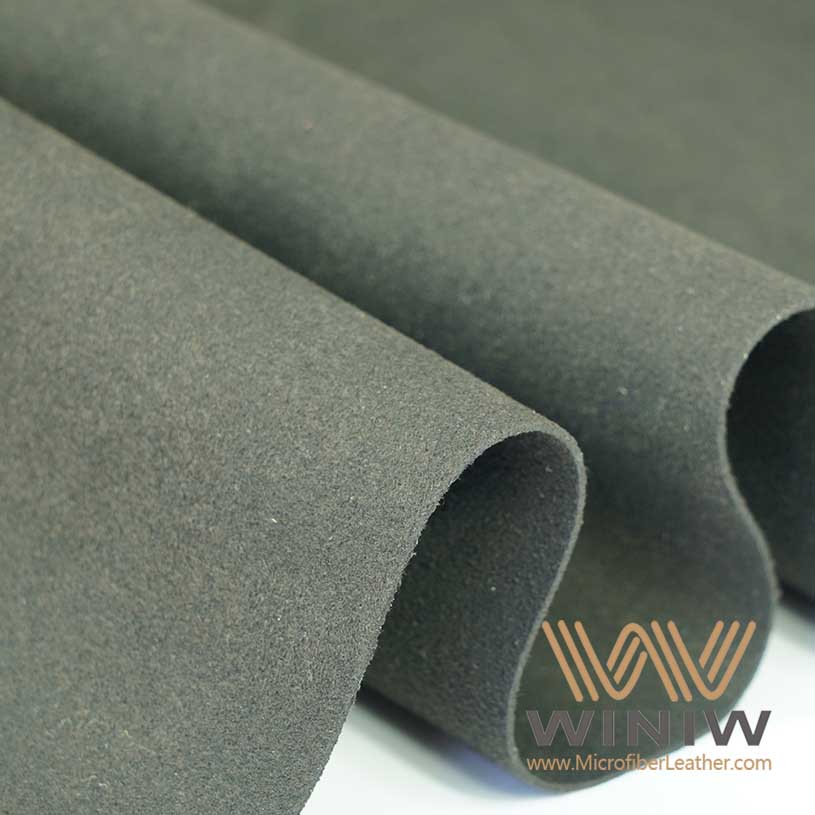
You will notice that suede safety shoes use a type of leather with a soft, napped finish. Manufacturers create suede by sanding the inner layer of animal hide. This process gives suede a velvety texture and a lighter feel. You often find suede safety shoes in workplaces where breathability and comfort matter most. Suede allows more air to pass through, so your feet stay cooler during long shifts. However, suede does not handle water or chemicals well. Dirt and stains can settle deep into the fibers, making cleaning difficult. If you work indoors or in dry conditions, suede safety shoes can offer a comfortable fit.
What Are Leather Safety Shoes?
Leather safety shoes use the outer layer of animal hide. This material feels smooth and strong. You will find that leather shoes resist water and harsh conditions better than suede. Many workers choose leather for its durability and easy maintenance. Leather shoes often last longer, even in demanding environments. You can use them outdoors or in places where spills and rough surfaces are common. When you compare leather vs suede, you see that leather stands up to tough jobs. The thickness and treatment of the leather also affect how well the shoes protect your feet.
Leather offers durability and water resistance, making it suitable for rugged applications.
Suede provides more breathability but less water resistance, which can limit its use in safety footwear.
The thickness and treatment of both materials play a big role in their performance.
When you look at suede vs leather, think about your work environment and the level of protection you need. Each material brings unique strengths to safety footwear.
Durability and Protection
Wear and Tear Resistance
When you choose safety footwear, you want boots that can handle daily stress. Leather stands out for its toughness. The outer layer of animal hide gives leather boots a dense, strong surface. This surface resists cuts and abrasions from sharp objects or rough ground. You can wear leather boots on construction sites, in warehouses, or outdoors. They keep their shape and structure even after months of use.
Suede offers a different experience. The softer, napped finish feels comfortable, but it does not match leather for raw strength. Suede safety shoes work well in light-duty environments. You might use them in offices, workshops, or places where heavy impacts are rare. The fibers in suede can wear down faster if you drag your feet or work on rough surfaces. However, some boots use nubuck, a type of suede, with self-healing coatings. These coatings help the boots recover from scratches, making them more durable than standard suede.
Tip: If your job involves heavy lifting, sharp tools, or rough terrain, leather boots will give you better long-term protection.
Water and Scratch Resistance
You need to think about water and scratch resistance when comparing leather vs suede. Leather boots repel water better than suede. The smooth surface of leather blocks moisture, so your feet stay dry in wet conditions. Many leather boots also have extra waterproof treatments. This makes them ideal for outdoor work, rainy days, or jobs with frequent spills.
Suede absorbs water more easily. The open fibers soak up moisture, which can lead to stains or a soggy feeling. If you work indoors or in dry areas, suede safety shoes can still perform well. However, you should avoid wearing suede boots in rain or mud.
The EN ISO 20345 standard sets clear requirements for safety footwear. Both leather and suede must meet these standards to qualify as safety shoes. Here are some key points:
Tear strength: at least 120N
Water vapor permeability: minimum 0.8mg/(cm2.h)
Water vapor coefficient: minimum 15mg/cm2
Water absorption: maximum 30%
Water penetration: maximum 0.2g
Leather usually exceeds these requirements, especially for water penetration and absorption. Suede can meet the standards, but you need to care for it more to keep it in top shape.

Scratch resistance also matters. Leather boots resist scratches from rocks, metal, or tools. The tough surface protects your feet and keeps the boots looking good. Suede scratches more easily, but nubuck boots with self-healing coatings can recover from minor marks. This makes them a better choice if you want the look of suede with added durability.
Note: For the toughest jobs, choose leather boots. If you want a lighter feel and work in clean, dry spaces, suede or nubuck boots can be a good fit.
Feature | Leather Boots | Suede Boots (incl. Nubuck) |
|---|---|---|
Wear Resistance | High | Moderate |
Water Resistance | Excellent | Low to Moderate |
Scratch Resistance | High | Low (higher with nubuck) |
Best Use | Outdoor, heavy-duty | Indoor, light-duty |
Comfort and Fit
Breathability of Suede Safety Shoes
You want your feet to stay cool during long shifts. Suede safety shoes help you achieve this goal. The open structure of suede allows air to flow through the material. You feel less sweat and discomfort when you wear boots made from suede. Many workers choose suede for indoor jobs because the material keeps feet dry and fresh. Leather does not offer the same level of breathability. The dense surface of leather traps heat inside the boots. If you work in a warm environment, suede gives you a clear advantage. You should consider suede safety shoes if you value airflow and comfort.
Tip: Choose suede boots for jobs that require you to stand or walk for hours in climate-controlled spaces.
Flexibility and Weight
You notice a difference in flexibility when you compare suede and leather boots. Suede bends easily and adapts to the shape of your foot. You experience less stiffness with suede, especially during the first few days of wear. Leather boots feel firmer and take longer to break in. The thick hide used in leather adds weight to the boots. You may feel tired faster if you walk long distances in heavy leather boots. Suede boots weigh less and put less strain on your legs. You move freely and comfortably in suede, while leather provides more support and structure.
Feature | Suede Boots | Leather Boots |
|---|---|---|
Flexibility | High | Moderate |
Weight | Light | Heavy |
Break-in Time | Short | Long |
You should pick suede boots for light-duty work and leather boots for tasks that demand extra support.
Maintenance and Care
Cleaning Suede vs Leather
You need to follow different routines when you clean boots made from suede or leather. Cleaning suede safety shoes requires gentle care because the material can trap dirt deep in its fibers. Experts recommend using Saphir Omninettoyant and a suede brush for regular cleaning. After you remove dirt, you can restore color and add water resistance with Saphir Renovateur spray and Saphir Super Invulner. This process helps keep your suede boots looking fresh and protects them from stains.
Leather boots need a different approach. You can use Saphir's leather soap for deep cleaning. If you notice residues, Saphir Renomat works well to remove them. For tough stains, Saphir Decapant is a strong option. These products help you maintain the smooth surface of your leather boots and extend their lifespan.
For leather boots:
Clean with leather soap.
Remove residues with Renomat.
Treat tough stains with Decapant.
For suede boots:
Use Omninettoyant and a suede brush.
Recolor and waterproof with Renovateur spray and Super Invulner.
Tip: Always let your boots dry naturally after cleaning. Avoid direct heat, which can damage both suede and leather.
Longevity and Upkeep
You can extend the life of your boots with regular care. Leather boots last longer if you clean and condition them often. They resist daily wear and keep their shape with proper upkeep. Suede safety shoes need more attention to prevent stains and water damage. Cleaning suede regularly and applying waterproof sprays will help you get the most out of your boots. When you store your boots, keep them in a cool, dry place to avoid mold and odors. With the right care, both leather and suede boots can serve you well for many months.

FAQ
Can you wear suede safety shoes outside?
You should avoid wearing suede safety shoes outdoors. Suede absorbs water and stains easily. Leather safety shoes work better for outdoor environments.
How often should you clean leather safety shoes?
You need to clean leather safety shoes weekly. Use a damp cloth and leather cleaner. Regular care helps your shoes last longer.
Do suede safety shoes meet safety standards?
Material | Meets EN ISO 20345? |
|---|---|
Suede | Yes, with proper care |
Leather | Yes, often exceeds standards |
You must check labels for compliance before buying.
