

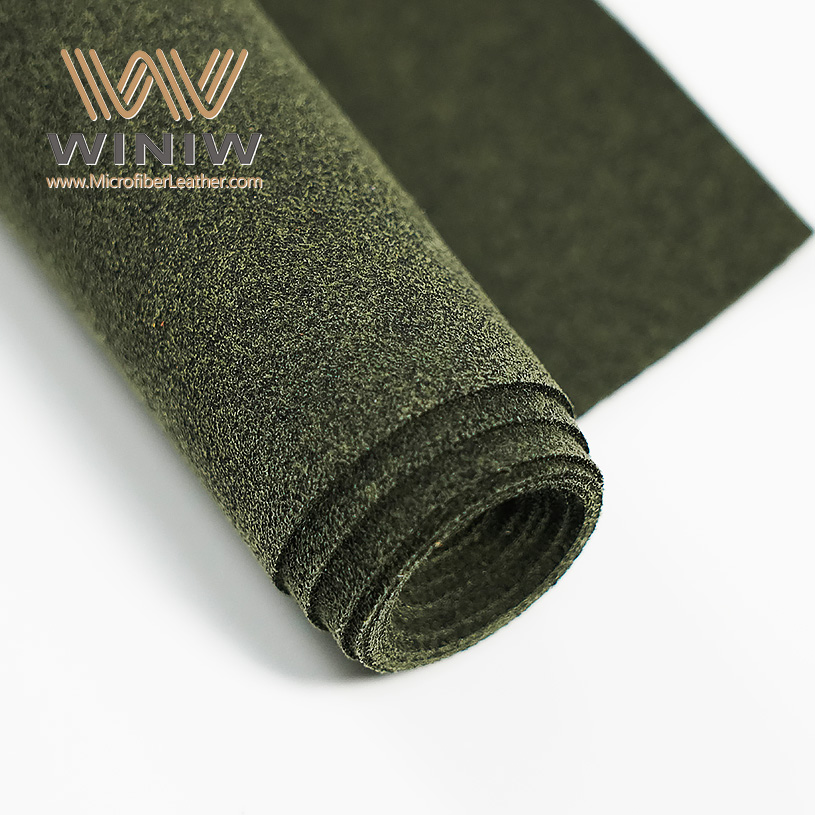
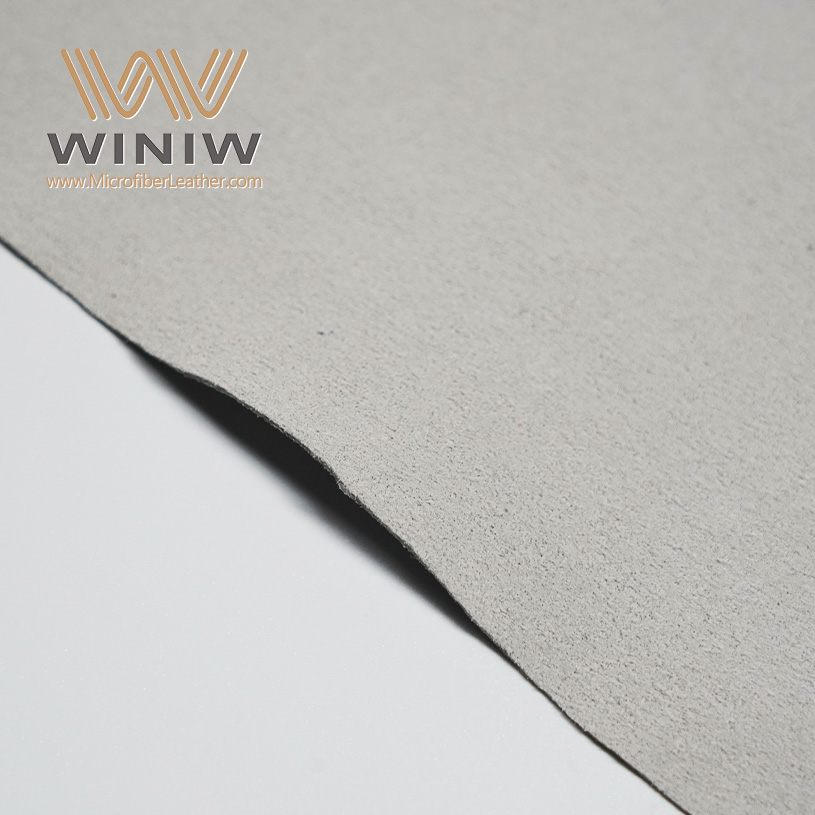
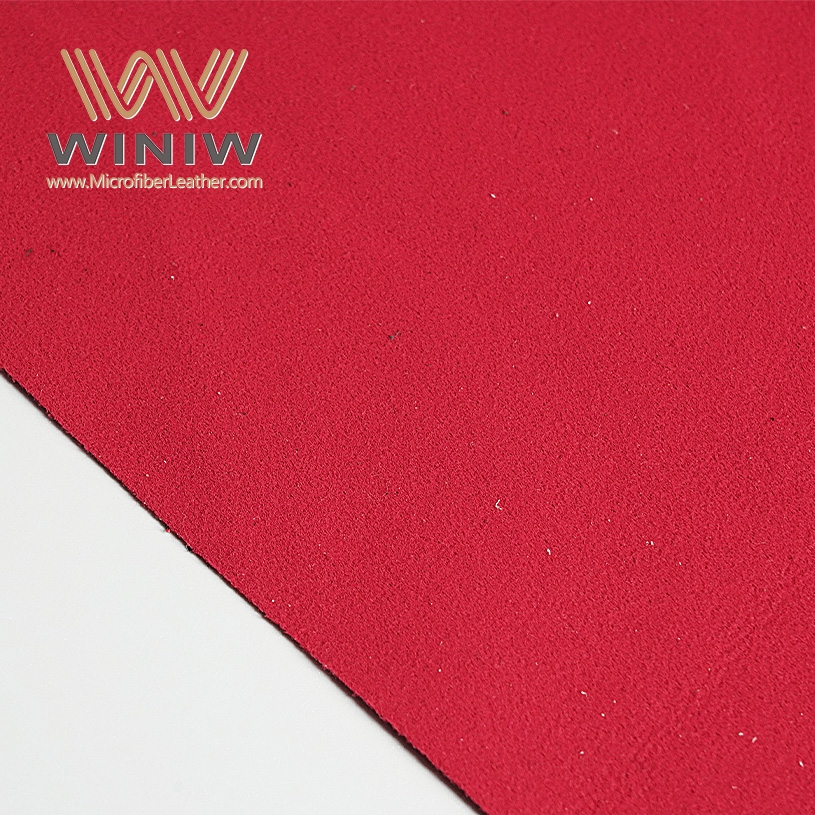
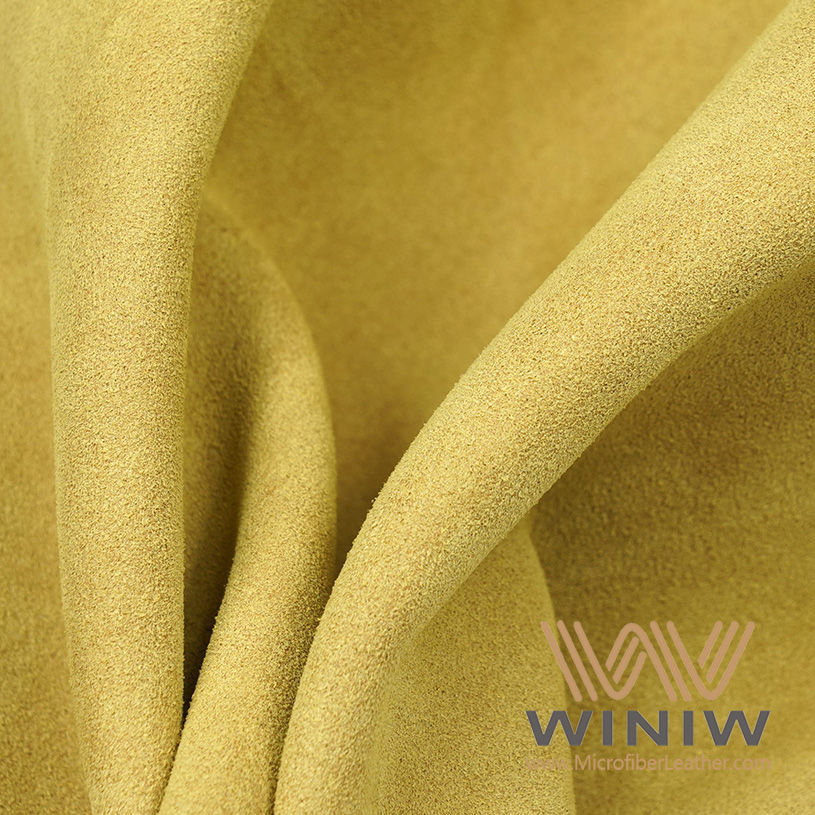
Suede safety shoes protect your feet with premium suede leather that feels soft and breathable. Workers often choose these shoes for several reasons:
Rugged protection with a modern look
Breathability and water resistance
Reinforced toe caps and slip-resistant soles
Cushioned comfort that reduces fatigue
You can decide if these shoes match your needs.
What Are Suede Safety Shoes and Why Are They Popular
Suede safety shoes offer a blend of comfort, style, and protection, making them ideal for light industrial, retail, and office jobs.
These shoes feature breathable materials and cushioned footbeds, which help reduce fatigue during long work shifts.
Proper care is essential for suede safety shoes; regular cleaning and maintenance can extend their lifespan and keep them looking good.
Suede Safety Shoes Overview
What Is Suede
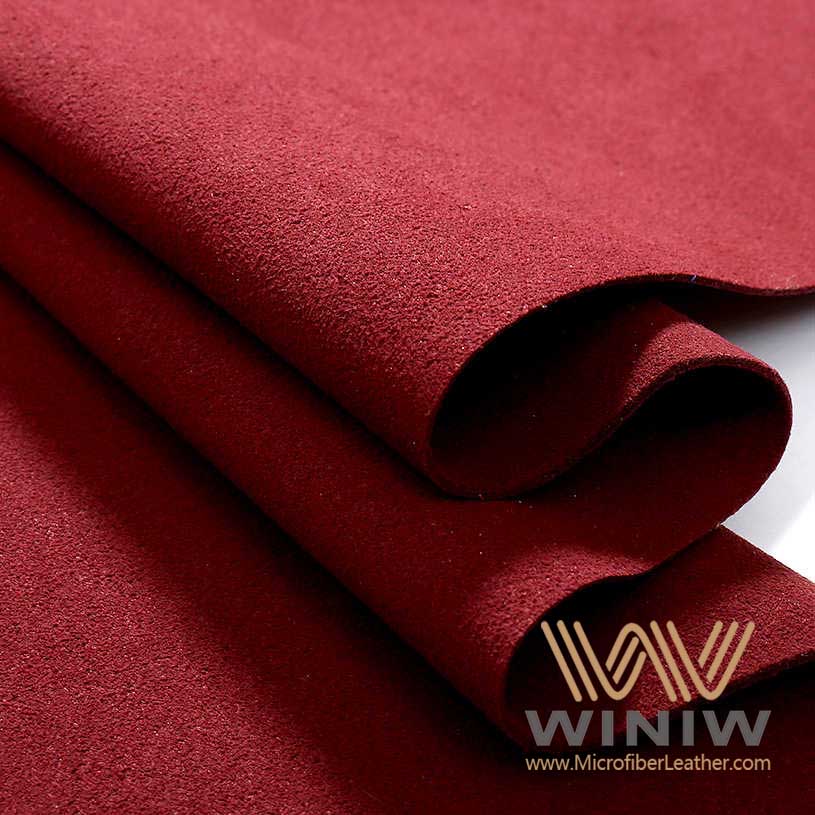
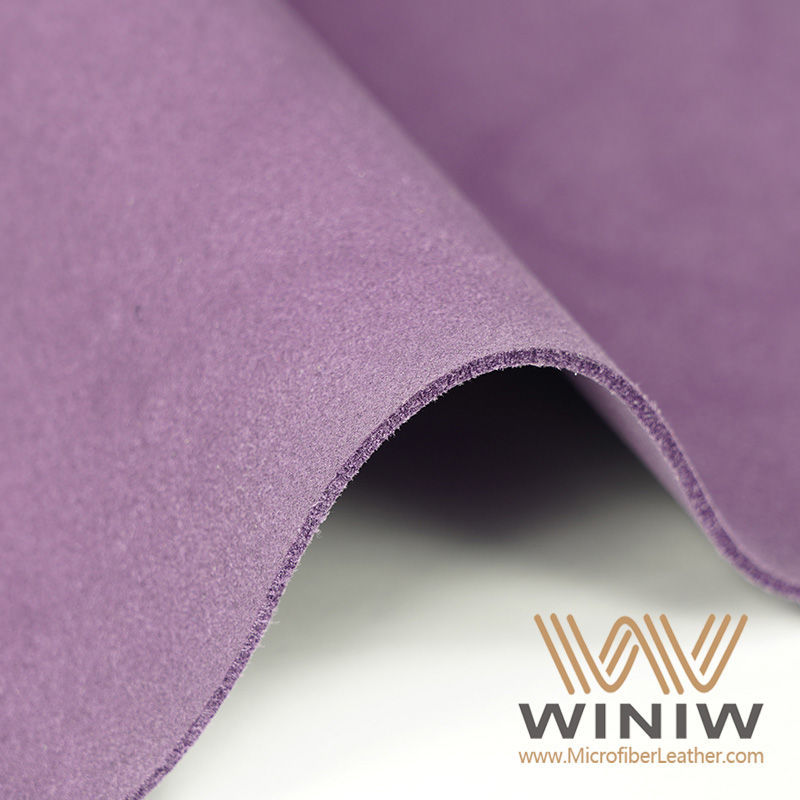
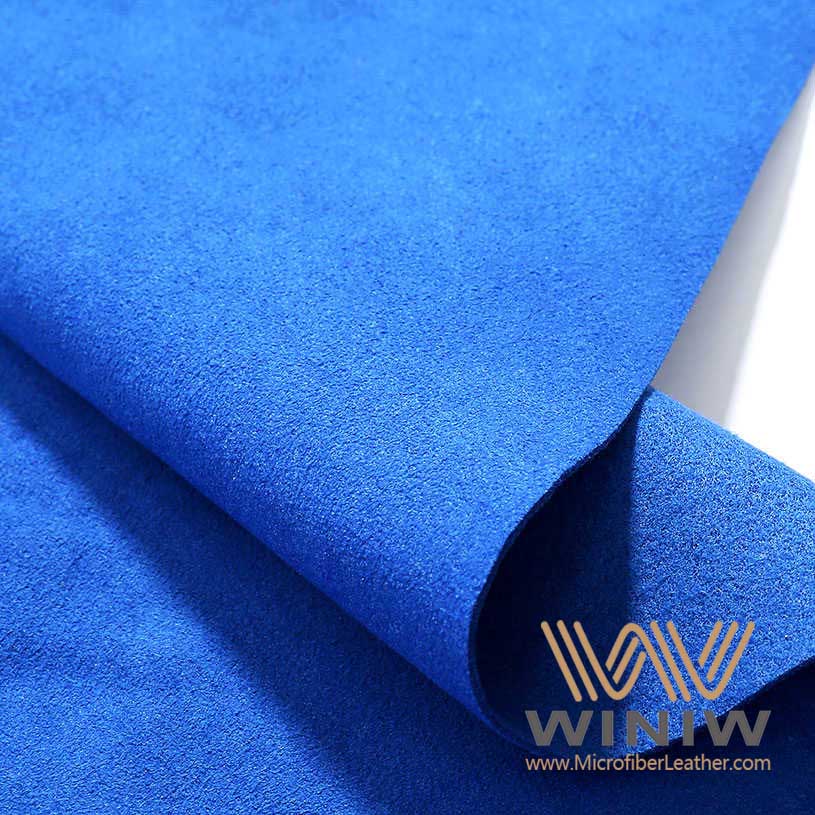
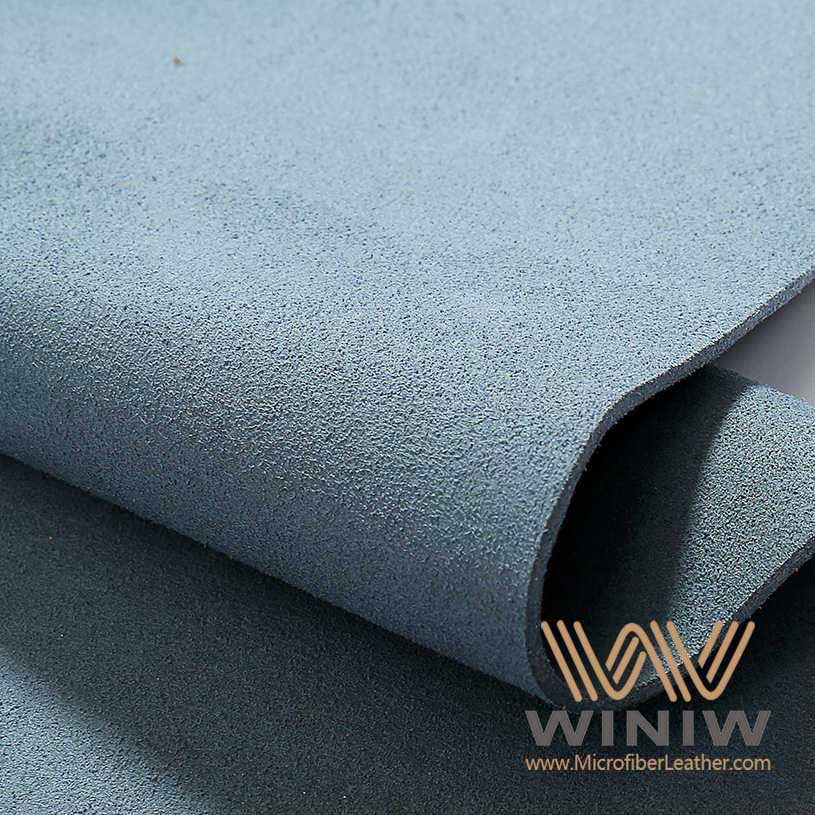
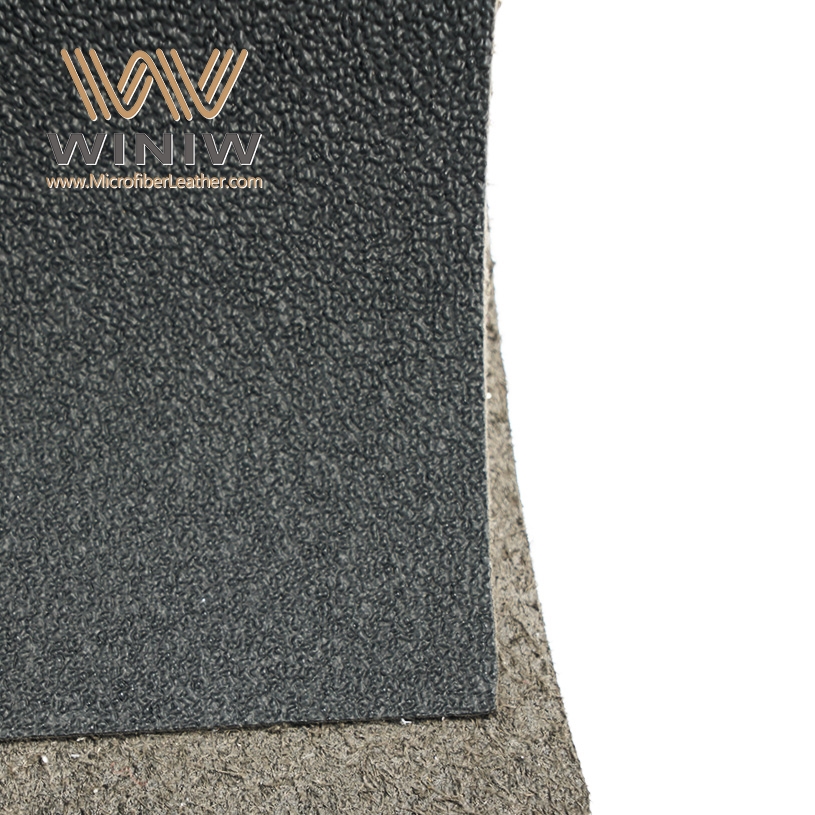
Suede is a type of leather made from the underside of animal skin, usually from cows. You can recognize suede by its soft, velvety texture. This material feels smooth to the touch and offers excellent breathability, which helps keep your feet cool during long workdays. Suede is also flexible, so it molds to your foot shape and provides comfort. However, suede is softer and more pliable than full-grain leather. This means it is less durable and more likely to show signs of wear and tear over time. Suede shoes can also get damaged by water and dirt more easily, so you need to take extra care to keep them looking good.
Note: Suede is generally less durable than both full-grain leather and nubuck. If you work in harsh environments, you may notice suede shoes wear out faster.
How Suede Is Used in Safety Shoes
Manufacturers use suede in safety shoes to create footwear that feels light and comfortable. Suede safety shoes often feature suede panels on the upper part of the shoe, which allow for better airflow and flexibility. These shoes usually combine suede with other protective materials, such as steel or fiberglass toe caps and puncture-resistant soles, to meet safety standards. You will find that suede safety shoes cost less than many heavy-duty leather boots. Here is a comparison of prices for different types of safety footwear:
| Type of Footwear | Price |
|---|---|
| Men's Safety Toe Work Boots | $254.99 |
| Men's 11-inch Waterproof, Safety Toe Pull-On Boot | $294.99 |
| Men's 6-inch Waterproof Safety Toe Boot | $284.99 |
| Men's 8-inch Waterproof Safety Toe Boot | $284.99 |
| Men's Safety Toe Athletic Work Shoe | $194.99 |
| Men's 5-inch Waterproof Safety Toe Hiker Boot | $274.99 |
| Men's Safety Toe Slip-On | $199.99 |
| Men's 6-inch Safety Toe Boot | $254.99 |
| Men's 6-inch Waterproof BOA® Safety Toe Boot | $324.99 |
| Men's 8-inch Waterproof Safety Toe Boot | $289.99 |
| Men's 8-inch Waterproof Safety Toe Metguard Boot | $279.99 |
| Men's 5-Inch Safety Toe Chelsea | $274.99 |
| Men's 6-inch Waterproof CSA Safety Toe Boot | $294.99 |
| Men's 6-inch Safety Toe Boot | $234.99 |

When you choose between natural suede and faux suede, you should also think about the environment. Producing natural suede uses a lot of resources, such as water and land, and creates greenhouse gases. The tanning process can also pollute soil and water. Faux suede, made from synthetic fibers, often has a smaller carbon footprint, especially if it uses recycled materials. Some manufacturers now use renewable energy and low-emission methods to make faux suede even more sustainable.
The water needed to raise a cow for leather can exceed 15,000 liters.
Livestock farming produces about 14.5% of all man-made greenhouse gas emissions.
Suede safety shoes give you a balance of comfort, style, and protection, but you should consider their durability and environmental impact before making a choice.
Key Features of Suede Safety Shoes
Breathability and Comfort
You will notice that suede safety shoes stand out for their breathability and comfort. The soft suede material allows air to circulate around your feet, which helps prevent overheating during long shifts. Mesh linings inside the shoes add another layer of ventilation, keeping your feet dry and fresh. Many brands include anti-odor linings, so you can avoid unpleasant smells after a busy day.
Comfort goes beyond breathability. Suede safety shoes often feature cushioned footbeds and shock-absorbing heels. These elements reduce pressure on your feet and joints, making it easier to walk or stand for hours. Lightweight construction also means you will not feel weighed down, even if your job requires constant movement.
Tip: If you spend most of your workday on your feet, choose shoes with contoured footbeds and energizing midsoles for extra support.
Here is a quick look at how the weight of different safety footwear compares:
| Shoe Style | Average Weight | Range |
|---|---|---|
| All Safety Toe Work Shoes | 1.8 lbs. | 1.5 – 2.4 lbs. |
| Steel Toe Work Shoes | 2 lbs. | 1.9 – 2.4 lbs. |
| Composite Toe Work Shoes | 1.5 lbs. | 1.3 – 1.8 lbs. |
Suede safety shoes usually weigh less than traditional leather boots, which helps reduce fatigue and makes them easier to wear all day.
Protective Elements
You can rely on suede safety shoes for solid protection in the workplace. Manufacturers combine suede uppers with advanced safety features to meet industry standards. The table below highlights the most common protective elements you will find:
| Protective Element | Description |
|---|---|
| Uppers | High-quality suede and abrasion resistant textile uppers |
| Lining | Soft, breathable mesh lining |
| Midsole | Lightweight, energizing, and flexible comfort midsole |
| Footbed | Contoured, engineered comfort footbed for extra cushion, support, and rebound |
| Side Wall | Reinforced side wall for stability and protection during side-to-side movements |
| Outsole | Industrial grade SRX slip-resistant rubber outsole for best-in-class traction |
| Toe Protection | Alloy toe rated ASTM F2413-18 I/75 C/75 |
| Electrical Hazard Protection | Rated to protect against open circuits up to 600 volts in dry conditions (ASTM F2413-18 1/75 EH) |
Steel or fiberglass toe caps play a key role in preventing injuries. Studies show that safety toed shoes can reduce the severity of foot fractures by 67% compared to regular boots. These toe caps withstand up to 6,000 pounds of compression, while non-safety shoes only handle about 1,200 pounds. You get reliable protection against heavy impacts and compression hazards.
Slip-resistant outsoles help you stay safe on wet or oily surfaces. Puncture-resistant soles protect your feet from sharp objects. Electrical hazard ratings add another layer of safety if you work around open circuits.
Modern Design and Flexibility
You will appreciate the modern design and flexibility of suede safety shoes. The soft suede material gives these shoes a stylish look that fits well in both industrial and casual settings. Many models feature sporty designs, bright colors, and sleek profiles, so you do not have to sacrifice style for safety.
Flexibility is another major advantage. Suede comes from the underside of animal hide, which makes it softer and more adaptable than traditional leather. This flexibility allows the shoes to move with your feet, reducing stiffness and improving comfort. You can bend, squat, or twist without feeling restricted.
Suede safety shoes also offer superior cushioning and a lightweight feel. Traditional leather safety shoes tend to be heavier and less breathable, which can limit your movement and comfort. If you need footwear that supports active work and frequent movement, suede safety shoes provide a practical solution.
Note: Lightweight work shoes and safety boots typically weigh between 0.45 to 0.9 kilograms per shoe. The right weight depends on your job and how much you walk or stand.
Suede safety shoes combine protection, comfort, and style. You get footwear that adapts to your needs and keeps you safe without sacrificing appearance or flexibility.
Pros, Cons, and Popularity
Advantages in the Workplace
You gain several benefits when you choose suede safety shoes for your job. These shoes offer a lightweight feel, which helps reduce fatigue during long shifts. The soft suede material provides comfort and flexibility, allowing you to move freely. Breathable uppers keep your feet cool, even in warm environments. Many models include advanced safety features, such as steel or fiberglass toe caps, slip-resistant soles, and electrical hazard protection. You stay protected from heavy impacts, sharp objects, and slippery surfaces.
Suede safety shoes also look modern and stylish. You can wear them in both industrial and office settings without sacrificing appearance. The cushioned footbeds and shock-absorbing heels help prevent joint pain and blisters. You experience less discomfort and more support throughout the day.
Tip: If you work in a fast-paced environment, lightweight shoes with reinforced toe caps and slip-resistant soles can help you stay safe and comfortable.
Limitations and Care
You need to consider some drawbacks before choosing suede safety shoes. Suede is softer than full-grain leather, so it may wear out faster in harsh conditions. You might notice the soles splitting, stitching coming apart, or the upper breaking down over time. Some users report that these shoes lose comfort after months of heavy use. In hot environments, suede can feel too warm and sweaty.
Proper care is essential to maintain the safety and appearance of your shoes. You should follow these steps to keep them in good condition:
Remove Dust & Dirt: Brush your shoes regularly with a dedicated suede brush to remove dirt and dust.
Restore the Nap: Use a rubber or crepe brush to lift the pile and restore the texture.
Stain Removal: Apply a cleaning product designed for suede to tackle deep stains.
Protect/Nourish/Recolour: Spray a nourishing and protective product to shield the material from liquids and dirt.
Drying: Let your shoes dry naturally after cleaning.
Storage: Store your shoes in a cool, dry place, preferably in cloth bags with cedar shoe trees to maintain shape.
You should inspect your shoes often for cracks, holes, or worn soles. Damaged shoes may not protect you from hazards and can cause discomfort or fatigue. Regular maintenance extends the lifespan of your footwear and saves you money.
Note: Always use products that are safe for suede. Avoid harsh chemicals that can damage the material.
Common complaints from users include splitting soles, stitching coming apart, and the upper breaking down. You may also find that the shoes lose comfort over time or feel too hot in certain conditions.
Maintenance Checklist
Clean shoes regularly to remove dirt and chemicals.
Inspect for wear, cracks, or holes.
Condition suede to protect and maintain appearance.
Store in a cool, dry place to prevent mold.
Check soles and closure systems for safety and support.
Popularity in Different Industries
You see suede safety shoes in many workplaces because they balance comfort, style, and protection. These shoes are popular in industries where workers need to move quickly and stay comfortable, such as logistics, warehousing, light manufacturing, and retail. Office workers also favor them for their professional appearance and lightweight design.
The following table shows some of the most popular brands and why workers choose them:
| Brand | Features | Popularity Reason |
|---|---|---|
| Caterpillar | Robust construction, reliable performance, comfortable fit | Known for durability and style in safety footwear. |
| Timberland PRO | Combines style and functionality, professional appearance | Popular among office workers for protection and style. |
| Dr. Martens | Distinctive design, exceptional durability, excellent support | Iconic brand known for tradition and innovation. |
| Skechers Work | Superior comfort, designed for modern office workers | Focus on comfort without sacrificing safety. |
You find that suede safety shoes appeal to workers who value both safety and appearance. These shoes suit jobs that require frequent movement, standing, or a mix of indoor and outdoor tasks. You may prefer them if you want footwear that looks good and feels comfortable, but you should weigh the need for durability and maintenance.
Callout: If you work in construction or heavy industry, you may need more rugged footwear. For lighter jobs, suede safety shoes offer a smart balance of comfort and protection.
Suede safety shoes give you comfort, breathability, and style. You get lightweight protection, but you must care for them to keep them durable. These shoes work best for light industry, retail, or office jobs.
Think about your work needs before choosing your next pair.
FAQ
Are suede safety shoes waterproof?
You get some water resistance, but suede safety shoes are not fully waterproof. You should avoid soaking them. Use a suede protector spray for better results.
How do you clean suede safety shoes?
Use a suede brush to remove dirt. For stains, apply a suede cleaner. Let your shoes dry naturally. Avoid harsh chemicals and direct heat.
Can you wear suede safety shoes in construction?
You can wear them for light construction tasks. For heavy-duty work, you should choose boots with tougher materials and extra protection.